


The Monk Parakeet, scientifically known as Myiopsitta monachus, is a vibrant South American parrot species that presents a compelling paradox: cherished as a pet in many households worldwide, yet simultaneously recognized as a significant invasive species in numerous ecosystems outside its native range. This article delves into the biological profile, natural history, global spread, ecological and economic implications, and the critical aspects of responsible ownership of this remarkably adaptable avian.
Biological Profile: Understanding Myiopsitta monachus
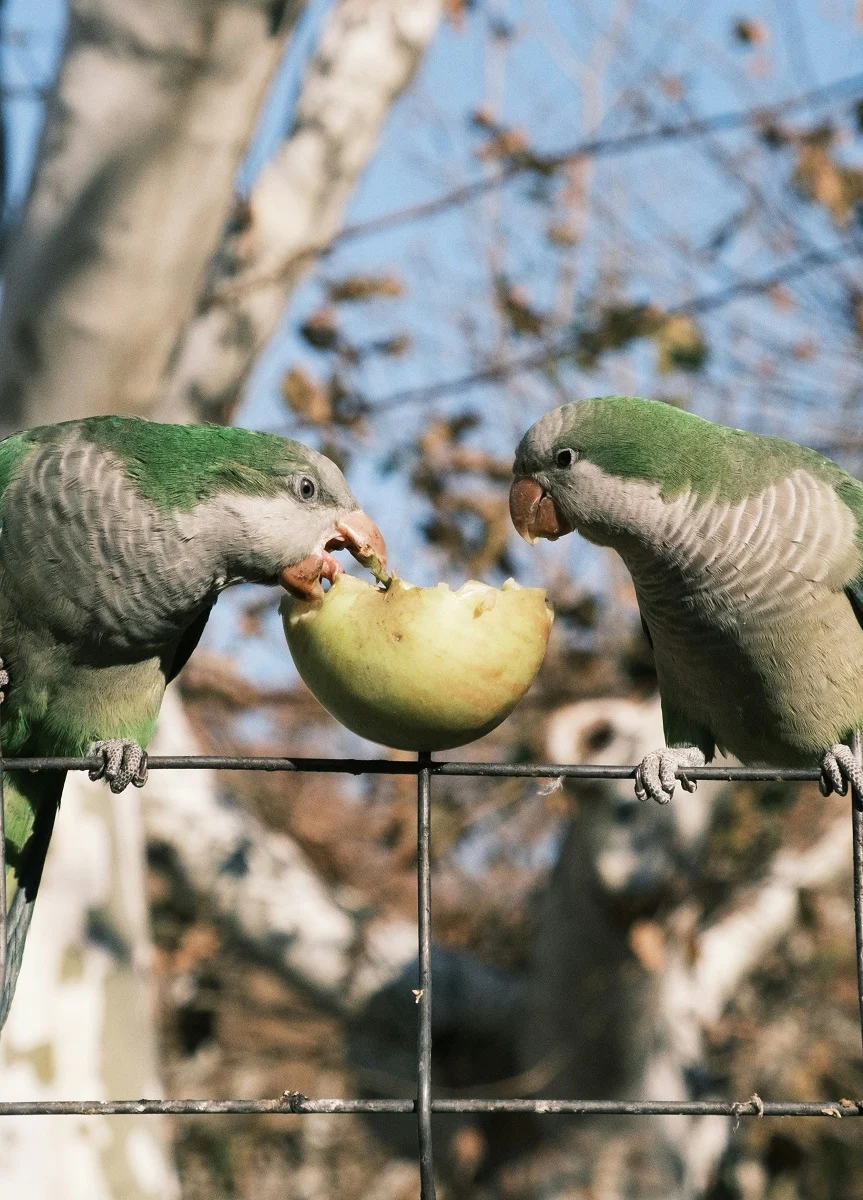
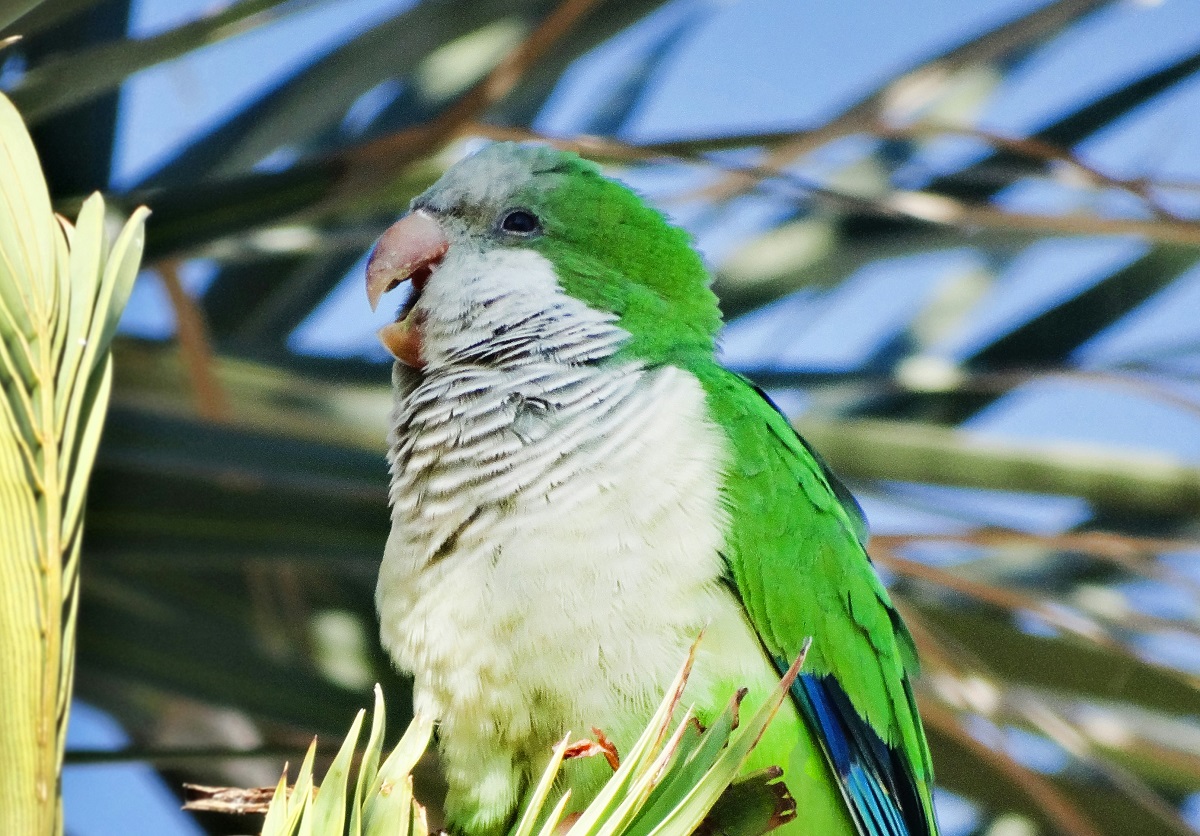
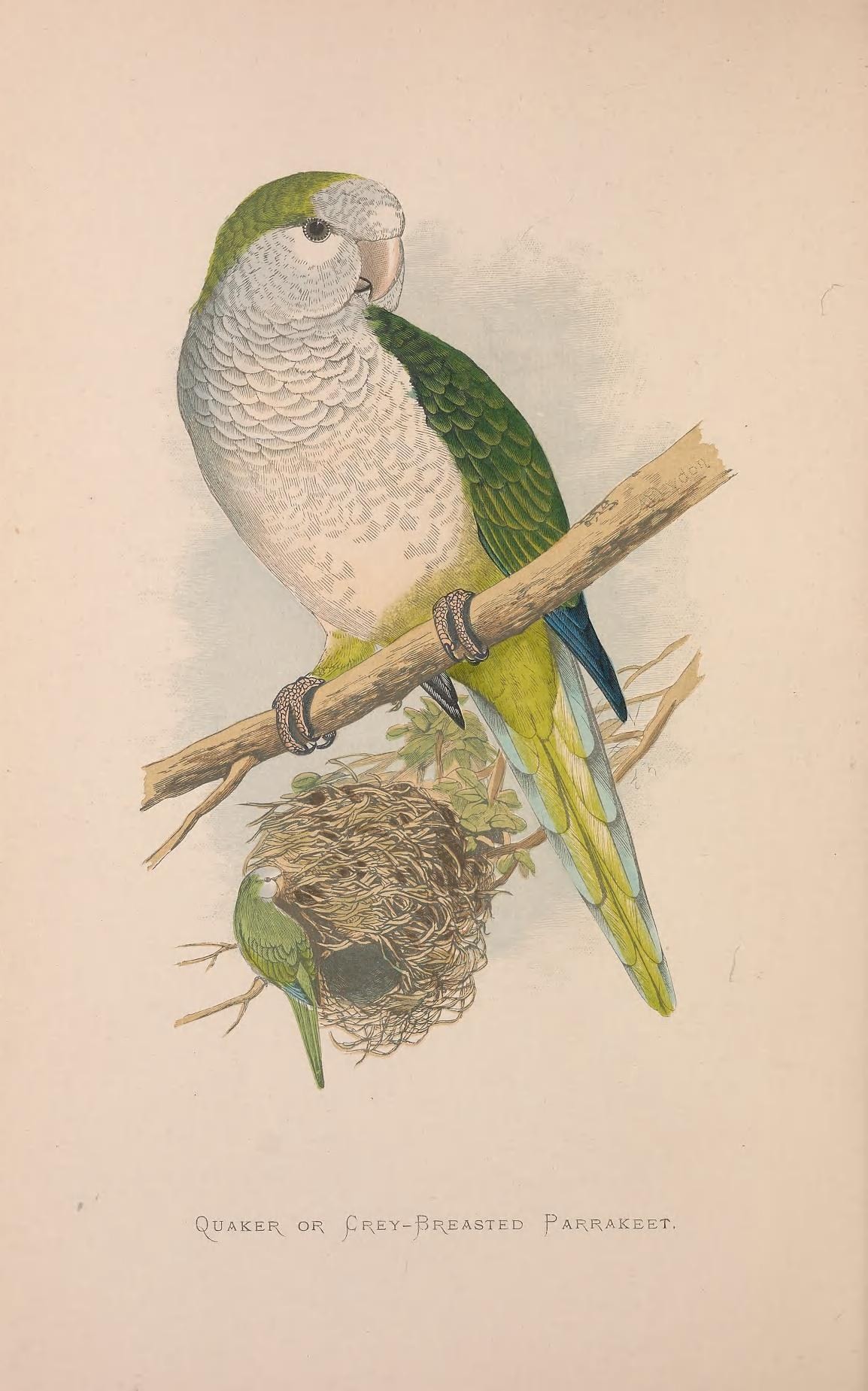
The Monk Parakeet, also commonly referred to as the Quaker parrot, is a small to medium-sized parrot, distinguished by its robust build and social nature. Adults typically measure up to 13 inches (33 cm) in length and weigh around 140 grams (4.9 ounces). Wild specimens exhibit a distinctive mossy green plumage on their back, wings, and head, contrasting sharply with a gray forehead, cheeks, and breast. Their flight feathers are a striking blue, and they possess a long, tapering tail and a prominent skin-colored beak.
Through selective breeding, a diverse array of color morphs has emerged in captivity. Beyond the natural green, Monk Parakeets can now be found in striking blue, sunny yellow, elegant gray, pristine white, and various combinations thereof, making them particularly appealing to pet enthusiasts. While female Monk Parakeets are generally slightly smaller than males, this difference is often imperceptible to the naked eye, necessitating DNA testing for accurate sex determination.
Monk Parakeets are known for their impressive longevity, capable of living up to 30 years in captivity with proper care. This extended lifespan underscores the significant long-term commitment required from potential owners. Their vocalizations range from low to moderate in volume, but their flock calls can be notably grating. Beyond squawks and chirps, these intelligent birds are adept at mimicry, often learning to imitate human speech and common household sounds. A happy and content Monk Parakeet may produce a soft "purring" sound or grind its beak, a common sign of relaxation among many parrot species. The common name "Quaker parrot" is believed to derive from the peculiar "quaking" or flapping behavior observed in younger birds when begging for food.
Natural Habitat and Ecological Niche in South America
Native to the lowlands of South America, Myiopsitta monachus inhabits a broad region encompassing most of Argentina, Paraguay, Uruguay, eastern Bolivia, and a southern sliver of Brazil. Within this range, they prefer elevations up to 3,300 feet (1,000 meters), thriving in a variety of wooded to sparsely wooded environments. These include palm forests, savannahs, and increasingly, urban parks and agricultural lands.
Their diet in the wild is primarily herbivorous, consisting of seeds, wild fruits, and the stems of cacti. However, they are opportunistic feeders and will supplement their diet with insects and grubs when available. Their strong preference for seeds often leads them to agricultural fields, where large flocks can cause significant damage to crops such as corn and grain, earning them the classification of agricultural pests in their native lands.
The conservation status of Myiopsitta monachus is currently listed as "Least Concern" by the IUCN Red List. This designation reflects their widespread presence and stable, even increasing, populations in certain areas. Paradoxically, human activities, particularly the expansion of agriculture and the planting of Eucalyptus forests for paper pulp, have inadvertently benefited the species by providing more abundant food sources and suitable nesting sites. This contrasts sharply with the "Near Threatened" status of the closely related Myiopsitta luchsi, the Cliff Parakeet, which is the only other species within the Myiopsitta genus.
The Global Phenomenon: Monk Parakeets as an Invasive Species
While thriving in their native South American territories, Monk Parakeets have achieved global notoriety as one of the most successful and widespread invasive avian species. Their journey from beloved pet to environmental concern began decades ago, primarily through the pet trade. Individuals either escaped from aviaries or were deliberately released, establishing feral populations in diverse regions across the globe.

The chronology of their invasive spread is notable. Self-sustaining populations were first documented in the United States in the late 1960s and early 1970s, with significant colonies now present in states like Florida, Texas, New York, and California. Europe has also seen a dramatic increase in feral Monk Parakeet populations, particularly in urban centers of Spain (e.g., Madrid, Valencia), Italy, France, and the UK. Beyond these continents, populations have also been recorded in Israel, Japan, and parts of Australia, illustrating their remarkable adaptability. Observing these feral parrots foraging alongside pigeons in city squares, as seen in many European cities, is a testament to their resilience and ability to integrate into new urban environments.
Several key factors contribute to the Monk Parakeet’s success as an invasive species:
- Exceptional Adaptability: They can tolerate a wide range of climatic conditions, from temperate to subtropical, and thrive in highly altered anthropogenic landscapes, including dense urban areas.
- Dietary Flexibility: Their omnivorous tendencies allow them to exploit novel food sources, from cultivated crops and garden fruits to discarded human food, providing a survival advantage in non-native environments.
- Unique Communal Nesting: Unlike most parrot species that nest in tree cavities, Monk Parakeets construct large, communal stick nests. These complex structures, often built on utility poles, trees, or man-made structures, offer excellent protection from predators and the elements, facilitate year-round breeding, and contribute to rapid population growth.
- High Reproductive Rate: They typically lay multiple clutches per year, leading to exponential population increases in favorable conditions.
Ecological and Economic Implications of Invasive Populations
The presence of invasive Monk Parakeet populations carries significant ecological and economic consequences. From an ecological standpoint, these birds compete with native avian species for food resources and nesting sites, potentially displacing them. There is also concern about the transmission of diseases to native wildlife, though this area requires further research. Their large, heavy stick nests can also damage trees and other vegetation.
Economically, the impact is more direct and often substantial. In agricultural regions, feral flocks can cause considerable damage to crops, mirroring their pest status in their native South America. Furthermore, their communal nests, particularly when constructed on power transformers and utility poles, pose a serious risk. These nests can lead to power outages, equipment damage, and even fires, incurring substantial repair and maintenance costs for utility companies.
In response to these threats, many jurisdictions have implemented regulatory measures. Monk Parakeets are illegal to own, sell, or import in several U.S. states (e.g., California, Pennsylvania, Kentucky, Wyoming) and countries. These bans are a direct attempt to mitigate further ecological and economic damage by preventing new introductions and controlling existing populations. However, the management of established invasive populations presents ethical challenges, balancing conservation goals with animal welfare concerns. Conservationists consistently express concerns over the long-term impact on biodiversity, while agricultural communities report ongoing challenges in protecting their yields. Organizations dedicated to responsible pet ownership emphasize the crucial role of owners in preventing escapes and avoiding intentional releases to curb the spread of invasive species.
Responsible Pet Ownership: Caring for a Monk Parakeet
For those considering a Monk Parakeet as a companion, responsible ownership is paramount. These are not low-maintenance pets; their intelligence, social needs, and long lifespan demand a significant commitment.
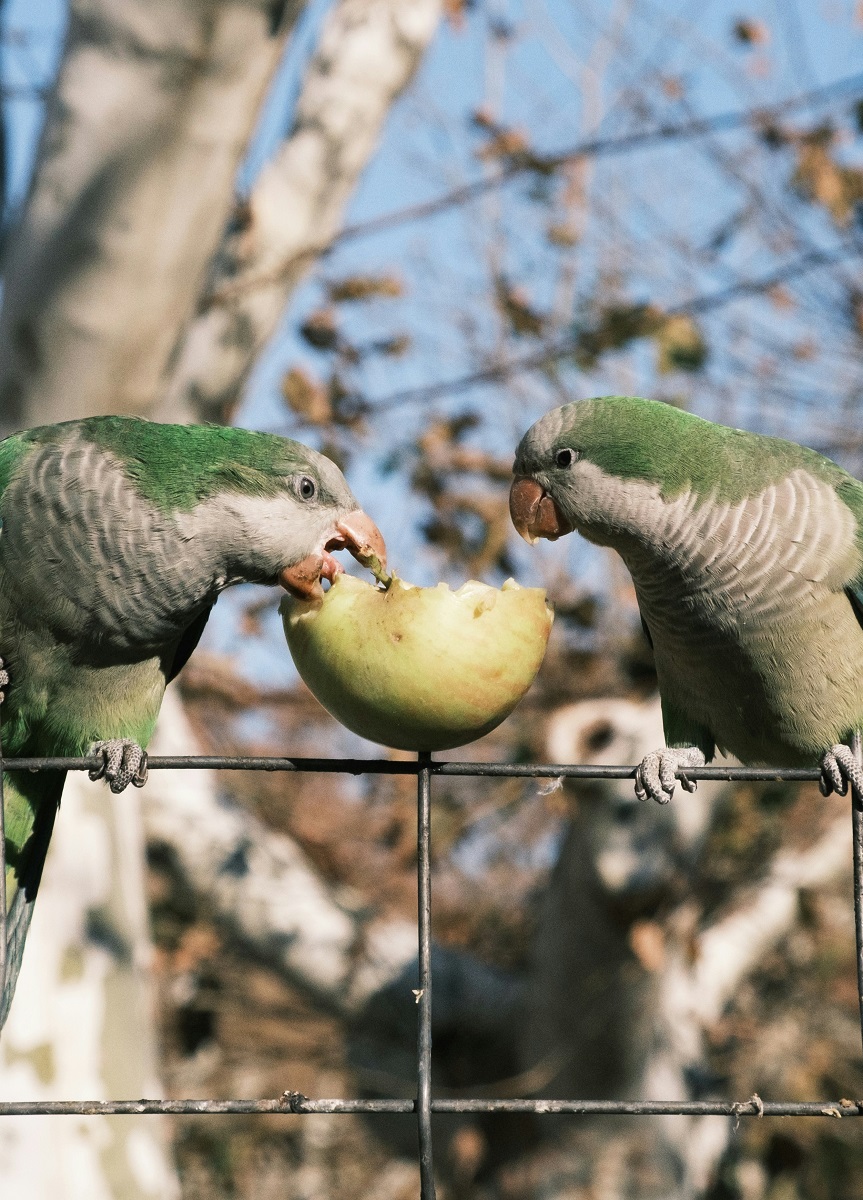
A healthy and varied diet is crucial for a captive Monk Parakeet. Veterinarians now universally recommend moving away from seed-heavy diets, which can lead to malnutrition. The foundation of a healthy diet should be a high-quality formulated pellet food, providing essential nutrients. This should be supplemented daily with a wide array of fresh fruits (e.g., apples, berries, melon), vegetables (e.g., broccoli, carrots, bell peppers), and leafy greens (e.g., kale, spinach). Access to a mineral block and multiple sources of fresh, clean water is also essential.
Housing requirements for Monk Parakeets are generous. While not the largest parrots, they require ample space for movement and wing stretching. A cage with a minimum width of 30 inches (76 cm) is recommended, though larger is always better. Crucially, cage length is more important than height, as parrots tend to utilize the upper portions of their enclosures. The cage should be furnished with a variety of natural wood perches, strategically placed at different heights, particularly near the top. A selection of parrot-safe toys and clean food and water bowls are also indispensable.
A unique aspect of Monk Parakeet behavior is their strong nest-building instinct. Owners may observe their birds meticulously collecting and stacking small, elongated items like sticks, paper, or even pens within their cage. While fascinating to observe, this nesting behavior can sometimes trigger hormonal changes, potentially leading to increased territoriality and crabbiness. While it’s challenging to completely suppress this innate drive, understanding it allows owners to manage the environment and bird’s behavior more effectively.
Enrichment and socialization are critical for preventing boredom, stress, and behavioral issues in intelligent parrots like the Monk Parakeet. A lack of stimulation can lead to excessive screaming, feather plucking, or aggression. Owners must provide a constant supply of parrot-safe toys, climbing opportunities, and foraging boxes to keep their birds mentally engaged. Daily interaction is non-negotiable for a solo Monk Parakeet. These highly social birds crave human attention and can become deeply bonded to their owners, sometimes exhibiting cuddly behavior. However, this strong bond can occasionally lead to territorial aggression towards other family members, highlighting the importance of early and consistent socialization with all household members.
Daily out-of-cage time is also essential for physical health, preventing obesity and providing opportunities for natural behaviors. A parrot play gym atop the cage offers a safe and stimulating "hang-out" spot. Any room accessible to the bird must be thoroughly "bird-proofed" to eliminate hazards such as open toilets, hot liquids, toxic plants, or whirling ceiling fans, which can cause severe injury or death.
The temperament of Monk Parakeets is often described as confident, boisterous, playful, and full of zest. A well-socialized Monk Parakeet is a clownish and joyful companion, though their high energy can make them quite chaotic. Owners must also be aware of their strong territorial instincts regarding their cage. This can make routine tasks like cleaning or refilling food and water bowls challenging, as the bird may perceive these actions as intrusions into its personal space. Understanding and respecting this trait, coupled with consistent positive reinforcement, can help manage such behaviors.
Finally, preparedness for emergencies is vital. Owners should have the contact information of an avian veterinarian readily available and possess basic knowledge of parrot first aid. Knowing how to handle situations like minor injuries or illness can be life-saving for these long-lived companions.
In conclusion, the Monk Parakeet stands as a compelling example of a species whose adaptability has led to both admiration and contention. As a pet, Myiopsitta monachus offers intelligence, charm, and a vibrant personality, demanding dedicated and informed ownership. As an invasive species, its proliferation outside its native range serves as a stark reminder of the complex interplay between human activity, global trade, and ecological balance. Understanding its biology, behavior, and impact is crucial for both responsible pet ownership and effective conservation efforts worldwide.
Sources & Further Reading
- Parr, M., & Juniper, T. (2010). Parrots: a guide to parrots of the world. Bloomsbury Publishing.
- IUCN Red List of Threatened Species: Myiopsitta monachus.
- Various scientific studies on invasive species management and parrot welfare.

