


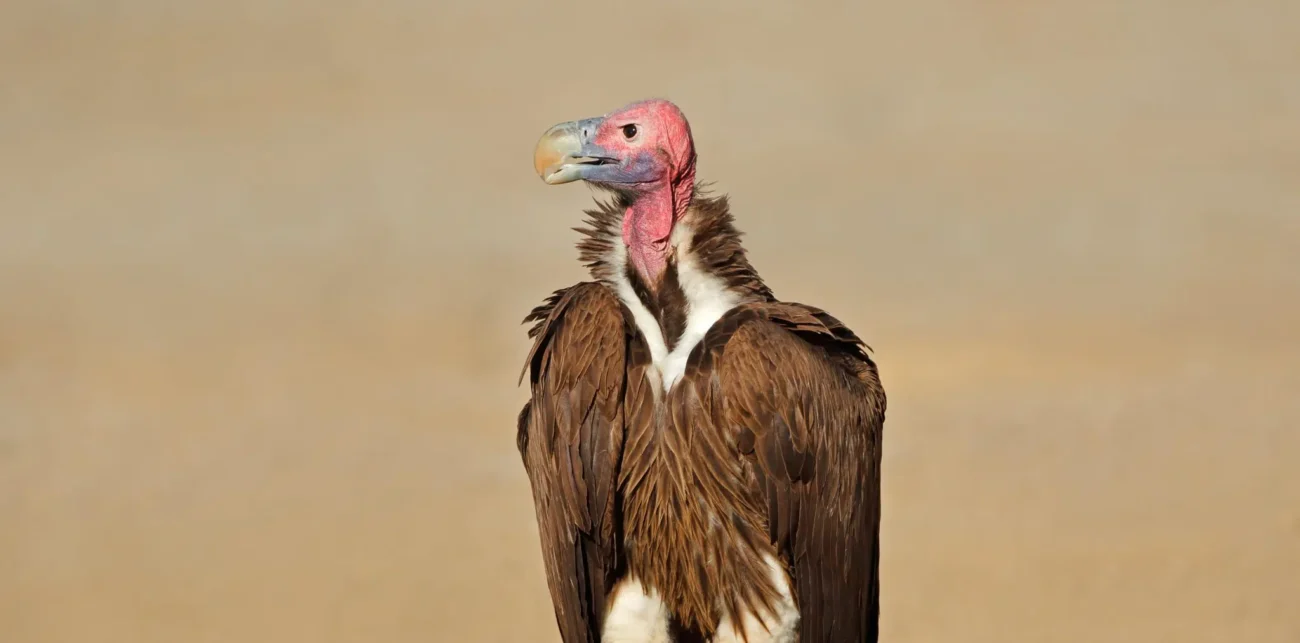
The world of conservation often conjures images of charismatic megafauna – lions, elephants, and rhinos. However, the vital work of species like vultures, often overlooked due to their less conventionally appealing appearance, is brought to the forefront by Lovelater Sebele, Senior Vulture Conservation Officer at BirdLife International. Sebele’s extensive experience in southern Africa underscores a critical message: conservation efforts must be inclusive, actively embracing and respecting marginalized groups and their unique cultural contexts, rather than imposing one-size-fits-all solutions. This approach, she argues, is paramount to the long-term success of protecting biodiversity, particularly for species like vultures that are deeply intertwined with local cultures and ecosystems.
The Unsung Heroes of the Ecosystem: Vultures Under Threat
Vultures, despite their often-maligned image, are indispensable architects of healthy ecosystems. Their role as nature’s clean-up crew is invaluable, preventing the spread of diseases by consuming carcasses. In southern Africa alone, the ecosystem services provided by vultures are estimated to be worth a staggering US$1.8 billion annually, a figure that underscores their economic and ecological importance. Yet, this crucial contribution is frequently underestimated, partly due to societal perceptions.
"First of all," Sebele remarks with a characteristic smile, "they are not good-looking birds. They are big with bald heads. They spend a lot of time on smelly carcasses. So people do wonder why you would actually want to work with vultures!" This perception gap often extends beyond the general public, even within the conservation community, where attention may be disproportionately focused on more aesthetically pleasing wildlife.

Bridging Cultural Divides: Totems, Seasons, and Spiritual Beliefs
Sebele emphasizes that in Africa, cultural connections with nature are deeply rooted and longstanding. The practice of totems, where animals and birds are revered as symbols of identity, demonstrates a natural affinity between people and wildlife. These connections serve as a foundational element for conservation, fostering a sense of respect and stewardship.
Birds, in particular, have historically served as crucial indicators for African communities, signaling seasonal changes. "Birds have been used by African people to tell seasons," Sebele explains. "They see certain birds and they know the rain is about to come or that it’s going to be a dry year." This intimate understanding of avian behavior highlights how birds are not merely part of the landscape but are intrinsically linked to livelihoods and survival.
Beyond seasonal indicators, certain bird species are woven into the fabric of spiritual beliefs and cultural practices. Stories abound of birds landing on rooftops or calling in specific ways, interpreted as omens of death or even linked to witchcraft. While this can sometimes lead to persecution, it can also foster a sense of caution and respect, leading people to leave these birds undisturbed.
Vultures, unfortunately, fall into this complex category. Their parts are sought after for traditional medicine and spiritual healing practices across the African continent. "One of the things we are working on within the African continent is the ‘belief-based’ use of vultures," Sebele elaborates, "because vulture parts are used in both physical and spiritual healing in African culture." This practice, while culturally significant, presents a significant threat to vulture populations, many of which are already listed as Endangered or Critically Endangered.

Sebele points to a fascinating duality of knowledge, where traditional African wisdom often aligns with ecological understanding. "Over generations, Africans have been people that are very observant of their surroundings," she states. "Generally, they understand that vultures move long distances – they’ve seen it." The local interpretation that vultures "dream of where carcasses will be found" is, in essence, an acknowledgement of their remarkable foraging abilities and vast migratory patterns, demonstrating a sophisticated, albeit culturally framed, understanding of their ecological role. This demand for vulture parts for traditional practices contributes to poaching and illegal trade, exacerbating the pressures faced by these already vulnerable species.
Evolving Conservation Strategies: From Eradication to Collaboration
The challenge of belief-based use has led conservationists to re-evaluate their strategies. "There was a time when we thought about completely eradicating the use of vultures," Sebele recalls, "but we realised that you do not get rid of a culture like that." This realization marked a pivotal shift from confrontational tactics to a more collaborative and culturally sensitive approach.
The current strategy involves working directly with the custodians of these traditions, particularly traditional healers, to explore alternatives and mitigate the rate of harvesting. Sebele emphasizes that imposing solutions or attempting to "force it down their throats" is counterproductive. Such heavy-handed tactics can drive traditional practices underground, making it even more challenging to monitor and address their impact. This mirrors historical patterns, where colonial powers suppressed indigenous African religions, leading to a loss of understanding and control over traditional practices. Evidence from Zimbabwe, where one association dedicated to traditional practices boasts 45,000 members, suggests a significant and ongoing demand for these healing methods, highlighting the scale of the challenge.
BirdLife and its partners are actively creating platforms for traditional healers to engage in dialogue, share knowledge, and collectively seek sustainable solutions. The goal is not necessarily to achieve zero use, but to find a balance that respects cultural heritage while ensuring the survival of vulture populations. This involves identifying alternative materials that can substitute for vulture parts in traditional remedies, thereby preserving the efficacy of the practices without depleting wildlife.

Groundbreaking Progress: Community Engagement and Legal Frameworks
A significant development in vulture conservation has been the increasing involvement of local communities. These communities are now more attuned to the legal ramifications of killing and harvesting vultures, leading to a rise in reporting of suspicious activities. "Yes, we are making inroads," Sebele affirms, noting the positive impact of increased awareness and the establishment of stronger legal frameworks.
The prosecution of individuals involved in the illegal trade of vulture parts, a development that was not always prioritized in the past, signifies a growing recognition of the severity of the issue. Previously, cases involving poisoned birds were often overshadowed by high-profile wildlife crimes like elephant ivory poaching. The shift towards holding perpetrators accountable, coupled with community vigilance, demonstrates a tangible progression in protecting these birds.
The common ground shared by conservationists and local communities is a powerful driver of this progress. Both groups recognize the intrinsic value of vultures and the essential ecosystem services they provide. Even those who utilize vulture parts for cultural reasons understand that the decline of these birds would lead to ecological collapse, thereby jeopardizing their own traditions and livelihoods. This shared understanding fosters a sense of collective responsibility, with conservation efforts being implemented at the local level, leveraging these cultural connections to ensure the thriving of birds and nature.
The Unexpected Wisdom of Local Knowledge
Sebele shares a personal anecdote that highlights the profound insights gained from local communities, even for seasoned conservationists. "For local communities, vultures are valuable because when they lose livestock they have to spend days searching for it," she explains. "If they are not seeing soaring vultures, they still hope the animal is alive. If they see vultures circling an area, the plan is to investigate what they are looking at – it saves them time they would otherwise spend searching for an already dead." This practical application of vulture behavior, demonstrating their role in efficient livestock management and carcass detection, is a testament to the nuanced understanding embedded within local knowledge systems.

Communities are actively contributing to vulture conservation by identifying and mitigating threats within their landscapes and diligently mapping nesting sites. This collaborative approach, where the collective power of conservationists and communities is harnessed, proves invaluable in addressing complex conservation challenges.
Addressing Systemic Inequalities: Gender, Race, and Inclusive Conservation
Beyond species-specific threats, Sebele raises crucial concerns about systemic inequalities within the conservation sector, particularly regarding gender and race. While she personally benefits from strong family support, she acknowledges the pervasive challenges faced by women and individuals from diverse ethnic backgrounds within the field. "Those kinds of challenges in conservation genuinely exist, and they are mostly systematic. They generally work against women and work against people of different ethnic backgrounds," she states.
A significant issue in the African context is the tendency to develop behavior-change strategies that are "universal" and applied across diverse cultures without adequate consideration for local beliefs, social structures, or geographical realities. This "one-size-fits-all" approach, Sebele argues, ultimately fits no one perfectly.
"Conservation is not just the plants and animals in the space; it has a social and cultural aspect to it," Sebele wisely observes. She advocates for conservationists to embrace these broader dimensions, fostering an environment where collective knowledge – whether on traditional practices or broader conservation strategies – is valued and integrated. This inclusive approach, she believes, is essential for the successful conservation of not only individual species but also entire landscapes.

A Collective Voice for the Voiceless
Sebele’s dedication is rooted in her role as an advocate for the voiceless. "I’m standing in for the voiceless, for organisms that have every right to be here but unfortunately cannot speak for themselves," she declares. The growing interest in conservation among a wider population in Africa offers a beacon of hope for the future. Each new voice, each unique perspective, amplifies the global chorus for nature conservation.
Lovelater Sebele’s work exemplifies a progressive and effective model of conservation – one that recognizes the intricate interplay between biodiversity, culture, and human societies. By championing inclusive practices and fostering genuine collaboration with local communities, her efforts contribute significantly to the preservation of vulnerable species like vultures and the ecosystems they inhabit, ensuring that these vital natural processes continue for generations to come.
Lovelater Sebele was interviewed by John Fuller.
At BirdLife, we are incredibly proud that these local voices and actions are at the forefront of our work. Across our entire mixed flock – spread all around the world – we share knowledge, connections, and passion to conserve birds and all life, everywhere.

