


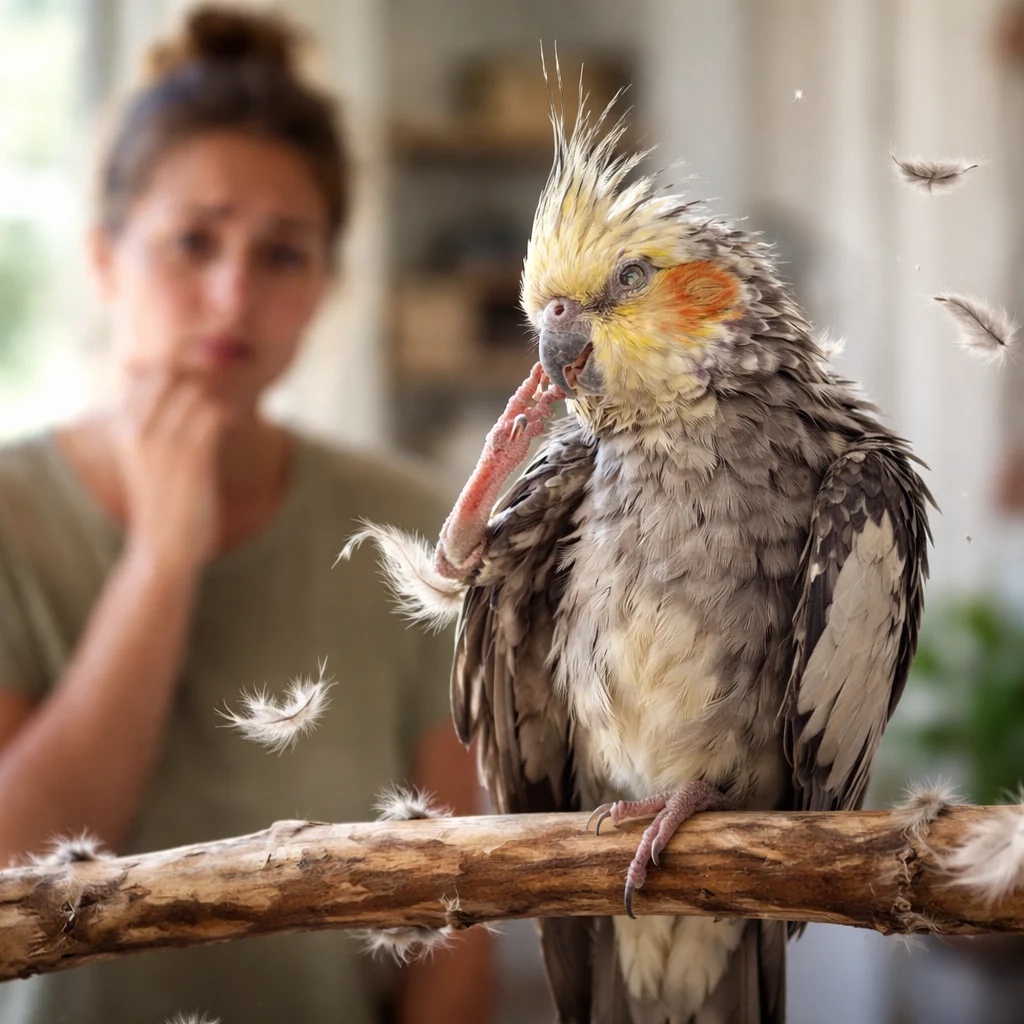
Understanding the Avian Molt Cycle
Molting is an intrinsic and vital biological process for nearly all bird species, involving the systematic shedding of old, worn feathers and their replacement with new, healthy ones. This cyclical renewal is essential for maintaining flight efficiency, insulation, waterproofing, and display plumage. The timing and intensity of molts are highly variable, influenced by species, age, reproductive status, photoperiod (light cycles), nutritional intake, and overall health. Most domestic birds undergo one or two complete molts annually, with partial molts occurring more frequently.
-
The Physiology of Feather Replacement: Each feather grows from a follicle in the skin. During a molt, old feathers are pushed out by new ones developing beneath them. These nascent feathers, often referred to as "pin feathers," emerge encased in a keratin sheath, resembling a small, waxy quill. As the feather matures, the bird will preen to break down this sheath, allowing the new feather to unfurl. This process can be inherently itchy and uncomfortable, leading to temporary behavioral changes in birds, such as increased preening, irritability, or reduced activity. Blood feathers are pin feathers that still have a blood supply running through their shaft, making them sensitive and prone to bleeding if broken. The presence of these spiky pin feathers is a definitive sign of an active molt.
-
Timeline and Frequency: For many psittacine species (parrots), a full molt typically occurs over several weeks to a few months, often coinciding with seasonal changes. For instance, a macaw might undergo a significant molt over 8-12 weeks, while a budgerigar’s molt might be shorter. Environmental factors, particularly light exposure in indoor settings, can sometimes disrupt natural molting patterns, leading to prolonged or atypical molts. A consistent, healthy diet and a stable environment are key to supporting a predictable and efficient molt.
Decoding the Signs: Molt vs. Feather Destructive Behavior
Accurately identifying the cause of feather loss requires careful observation of both the physical appearance of the feathers and skin, as well as the bird’s behavior. The distinction is not always immediately obvious, necessitating a methodical approach to assessment.
-
Indicators of a Healthy Molt:
- Symmetrical Feather Loss: A hallmark of normal molting is the symmetrical shedding of feathers, particularly primary flight feathers and tail feathers, to maintain balance during flight. Bald spots, if present, are often symmetrical and temporary, typically appearing under the wings or on the legs where new feathers are emerging.
- Presence of Pin Feathers: Abundant pin feathers, particularly on the head, neck, and body, are a clear indicator of new feather growth. These may appear spiky or bristly.
- Intact Feather Edges: Feathers that are shed or remaining will typically have clean, intact edges, without signs of chewing, fraying, or breakage.
- Normal Skin Appearance (Barring Temporary Irritation): The skin beneath the feather loss should appear healthy, free from redness, scabs, or open wounds, aside from possible mild irritation around emerging pin feathers.
- Behavioral Changes (Typically Mild): While birds may be more irritable, itchy, or lethargic during a molt, their overall demeanor, appetite, and droppings usually remain normal. They may engage in more vigorous preening to remove keratin sheaths.
-
Red Flags: Identifying Feather Plucking and Self-Mutilation:
- Ragged or Chewed Feather Edges: Feathers that are broken, chewed, or have frayed edges are a strong indicator of feather destructive behavior, as the bird is actively manipulating or damaging its own plumage.
- Asymmetrical or Localized Bald Spots: Unlike molting, plucking often results in irregular, asymmetrical bald patches, frequently on areas easily accessible to the bird’s beak, such as the chest, abdomen, inner thighs, or back. Areas on the head and neck, which are difficult for a bird to reach, are typically spared unless another bird is involved or a medical condition is causing itchiness.
- Absence of Pin Feathers in Affected Areas: If significant feather loss is observed without a corresponding abundance of emerging pin feathers, it suggests that feathers are being removed prematurely rather than naturally shed.
- Blood or Scabs on the Skin: Any signs of blood, scabs, open wounds, or inflammation on the skin surface beneath the feathers are immediate red flags, indicating self-inflicted trauma or a severe underlying medical issue. This warrants urgent veterinary attention.
- Observed Plucking Behavior: Directly witnessing the bird pulling out or excessively chewing its feathers is a definitive sign of feather destructive behavior. This can range from mild feather manipulation to violent plucking, sometimes accompanied by distress vocalizations.
- Persistent Feather Loss Outside of Molting Seasons: If feather loss is continuous and does not follow a typical seasonal molting pattern, or if a bird appears to be "stuck in a constant molt," it suggests an underlying problem.
Unraveling the Causes of Feather Destructive Behavior
Feather destructive behavior (FDB) is a complex and often multifactorial condition, rarely attributable to a single cause. It represents a significant welfare concern in pet birds and requires a comprehensive diagnostic approach involving veterinary assessment, environmental evaluation, and behavioral analysis. Diane Burroughs, an experienced psychotherapist and ABA-trained behaviorist, emphasizes a "science-backed, behavior-first care" approach, recognizing the interplay of various factors.
-
Environmental and Nutritional Deficiencies:
- Inadequate Humidity and Bathing: Dry indoor environments can lead to dry, itchy skin and brittle feathers, prompting birds to over-preen or pluck for relief. Lack of regular bathing opportunities exacerbates this, as bathing helps soften keratin sheaths and moisturize skin.
- Nutritional Imbalances: A diet primarily consisting of seeds is a common culprit. Such diets are often deficient in essential amino acids (proteins), vitamins (especially Vitamin A and Biotin), and omega fatty acids, all crucial for healthy feather production and skin integrity. As referenced in related studies like Chen et al. (2020) on avian physiology, optimal nutrition directly impacts integumentary health.
- Lack of Mental Stimulation and Enrichment: Birds, especially intelligent parrots, require significant mental and physical stimulation. Boredom, loneliness, inadequate cage size, or lack of appropriate toys and foraging opportunities can lead to frustration and displaced behaviors like plucking.
- Stress and Insecurity: Changes in routine, new pets, household conflict, inconsistent human interaction, or perceived threats can induce chronic stress, manifesting as feather plucking.
-
Medical Underpinnings:
- Parasites: External parasites (mites, lice) or internal parasites can cause intense itching, leading to over-preening and feather damage.
- Infections: Bacterial, fungal, or viral infections (e.g., Psittacine Beak and Feather Disease – PBFD, Polyomavirus) can directly affect feather follicles or cause systemic illness that manifests as poor feather quality and plucking.
- Allergies: Environmental allergens (dust, dander, cleaning products) or food allergies can cause skin irritation and itching.
- Heavy Metal Toxicity: Exposure to lead, zinc, or other heavy metals can lead to a range of symptoms, including feather plucking and poor feather quality.
- Organ Disease: Liver, kidney, or thyroid disease can affect metabolism and feather health.
- Pain: Chronic pain from arthritis, injury, or internal conditions can cause a bird to self-mutilate in an attempt to alleviate discomfort.
- Hormonal Imbalances: Hormonal fluctuations, particularly in reproductively active birds, can lead to aggressive nesting behaviors that include excessive plucking.
-
Psychological and Behavioral Factors:
- Anxiety and Phobias: Birds can develop anxieties related to specific objects, sounds, or situations, leading to displacement behaviors like plucking.
- Attention-Seeking: If plucking elicits a strong reaction from owners, birds may learn to use it as a means to gain attention, even if it’s negative attention.
- Improper Socialization: Birds raised without adequate interaction with conspecifics or humans may develop behavioral issues.
- Learned Behavior: In multi-bird households, one bird might learn plucking behavior from another.
Nurturing Your Bird Through Molt: An Expert-Backed Protocol
Once a normal molt is confirmed, the focus shifts to maximizing comfort and supporting healthy feather growth. This involves a multi-pronged approach that addresses environmental, nutritional, and symptomatic needs.
-
Optimizing the Environment for Feather Growth:
- Humidity Management: Maintaining adequate humidity levels (around 50-60%) in the bird’s environment is crucial. This can be achieved through humidifiers, regular misting, or placing shallow water dishes near heat sources. Proper humidity helps prevent dry, itchy skin and softens the keratin sheaths of developing pin feathers, making them easier and less painful to remove.
- Regular Bathing Opportunities: Offer a variety of bathing options daily or several times a week, such as a shallow dish of fresh water, a gentle misting with a spray bottle, or supervised showers. Bathing helps clean feathers, hydrate skin, and provides relief from the itchiness associated with pin feathers. As noted in resources like "Safe Bathing and Humidity Tips for Itchy Pin Feathers," this is a fundamental aspect of molt care.
- Stress Reduction: During a molt, birds can be more irritable. Provide a quiet, stable environment, minimize sudden changes, and maintain a consistent daily routine to reduce stress. Ensure adequate sleep (10-12 hours in a dark, quiet space).
-
Essential Nutritional Support:
- High-Quality, Balanced Diet: Ensure the bird is on a diet rich in high-quality pellets, fresh fruits, vegetables, and sprouts. This provides the necessary foundation for overall health and feather production. Avoid an all-seed diet, which is typically deficient in key nutrients.
- Protein and Amino Acids: Feathers are primarily composed of protein (keratin). Adequate protein intake, from sources like legumes, cooked lean meats (in moderation), and specialized pellets, is vital.
- B Vitamins (especially Biotin): Biotin is essential for healthy skin and feather growth. Supplements like "FeatherUp! + Biotin" are formulated to provide these crucial vitamins, accelerating the growth of strong feathers.
- Omega Fatty Acids: Omega-3 and Omega-6 fatty acids are critical for skin health and producing vibrant, glossy plumage. Sources like flaxseed oil, chia seeds, and red palm oil ("Red Palm Oil" mentioned in the original content) can be beneficial. Red palm oil, in particular, also offers beta-carotene, a precursor to Vitamin A, which supports epithelial tissue health.
- Vitamin A: Important for skin and feather health. Found in dark leafy greens, orange/yellow vegetables, and specific supplements.
-
Alleviating Molt-Related Discomfort:
- Gentle Misting/Aloe Vera Spray: For itchy pin feathers and dry skin, a gentle mist with plain water or an avian-safe aloe vera bird spray can provide instant relief. These products help soothe irritation and moisturize the skin.
- Avoid Over-Preening Assistance: While tempting, avoid picking at or trying to help remove keratin sheaths from pin feathers, especially on the bird’s head. The bird will manage this naturally or with the help of a trusted companion. Improper handling can cause pain or damage blood feathers.
- Provide Chew Toys: Offer plenty of safe chew toys to redirect potential discomfort-driven nibbling away from feathers.
The Avian Health Stoplight: When to Contact Your Veterinarian
Knowing when a situation transitions from normal molt discomfort to a veterinary emergency is critical. The "Safety Stoplight" provides a clear guide for bird owners.
-
Red Light: Immediate Veterinary Intervention:
- Bleeding Feathers or Skin Trauma: Any active bleeding from a broken blood feather, an open wound, or signs of self-mutilation (deep skin damage, torn flesh) constitutes an emergency. This requires immediate veterinary attention to control bleeding and prevent infection.
- Sudden, Severe Feather Loss with Systemic Signs: If feather loss is rapid, extensive, and accompanied by lethargy, loss of appetite, fluffed feathers, difficulty breathing, vomiting, or abnormal droppings, it suggests a severe underlying medical condition requiring urgent diagnosis and treatment.
- Prolonged or Uncontrolled Plucking Leading to Skin Damage: If a bird’s feather plucking behavior escalates to the point of causing raw skin, infections, or persistent wounds, it’s an emergency.
- Acute Behavioral Changes Indicating Distress: Extreme aggression, severe withdrawal, or frantic behavior alongside feather issues.
-
Yellow Light: Close Monitoring and Precaution:
- Persistent, Non-Symmetrical Feather Loss Without Clear Pin Feathers: If feather loss continues beyond a normal molting period, or if it’s asymmetrical and lacks the presence of new pin feathers, it warrants veterinary investigation to rule out underlying medical or behavioral causes.
- Mild Skin Irritation or Redness (Without Open Wounds): If the skin beneath the feathers appears mildly red or irritated, but without bleeding or open sores, it’s a sign to monitor closely and consider a vet visit if it doesn’t resolve with environmental adjustments.
- Increased Plucking Behavior Without Severe Skin Damage: If a bird starts to pluck more frequently, but hasn’t yet caused significant skin trauma, it’s a "yellow light" to identify potential stressors or nutritional gaps and schedule a non-emergency vet check-up.
- Dull, Brittle, or Stress-Barred Feathers: Changes in feather quality can indicate chronic nutritional deficiencies or stress, meriting a veterinary consultation.
- Increased Irritability or Discomfort During Molt That Seems Excessive: While some grumpiness is normal, if a bird is unusually distressed, withdrawn, or aggressive during molt, it’s worth a vet’s opinion.
-
Green Light: Routine Care and Observation:
- Symmetrical Feather Loss with Visible Pin Feathers: This is the typical sign of a healthy, normal molt.
- Normal Activity, Appetite, and Droppings: The bird maintains its usual energy levels, eats well, and produces normal droppings.
- Temporary Grumpiness or Increased Preening: Mild behavioral changes that are expected during a molt.
- No Signs of Skin Trauma or Distress: The skin remains healthy, and the bird does not appear to be in severe discomfort.
Expert Insights and the Path Forward
Avian medicine experts, including those whose work is referenced, such as Cooper & Harrison in "Avian Medicine: Principles and Application" and Lightfoot in "Merck Veterinary Manual," underscore the complexity of avian health. Diane Burroughs, with her background in psychotherapy and behaviorism, bridges the gap between physical health and psychological well-being, advocating for a holistic perspective.
-
A Holistic Approach to Avian Wellness: Addressing feather destructive behavior requires a multi-disciplinary approach. A veterinarian will conduct a thorough physical examination, potentially including blood tests, feather biopsies, skin scrapings, and imaging to rule out medical causes. Simultaneously, owners must critically evaluate their bird’s environment, diet, and daily routine. Behavioral modification strategies, often developed with the help of an avian behaviorist, can address psychological triggers. This comprehensive strategy, focusing on "nutrition and science-backed, behavior-first care," offers the best chance for successful intervention and long-term recovery.
-
Long-Term Implications and Owner Responsibility: Untreated feather plucking can lead to chronic skin infections, psychological distress, and a significantly reduced quality of life for the bird. In some severe cases, it can escalate to self-mutilation, which is life-threatening. Proactive avian husbandry, including providing a species-appropriate diet, ample enrichment, a stable environment, and regular veterinary check-ups, is the cornerstone of prevention. Owners also have a responsibility to continuously educate themselves, utilizing reliable resources and expert guidance to ensure their avian companions thrive. Post-molt recovery is also crucial, with ongoing nutritional support and environmental enrichment helping to ensure that the new plumage is vibrant, glossy, and healthy, preventing a cycle of poor feather quality.
In conclusion, differentiating between a normal molt and feather destructive behavior is a critical skill for any bird owner. While a healthy molt is a natural and temporary phase, feather plucking signals an underlying problem that demands prompt and thorough investigation. By understanding the signs, optimizing care during molting, and recognizing when professional veterinary help is needed, owners can ensure their feathered companions maintain optimal health and enjoy a life of vibrant plumage and well-being.

