


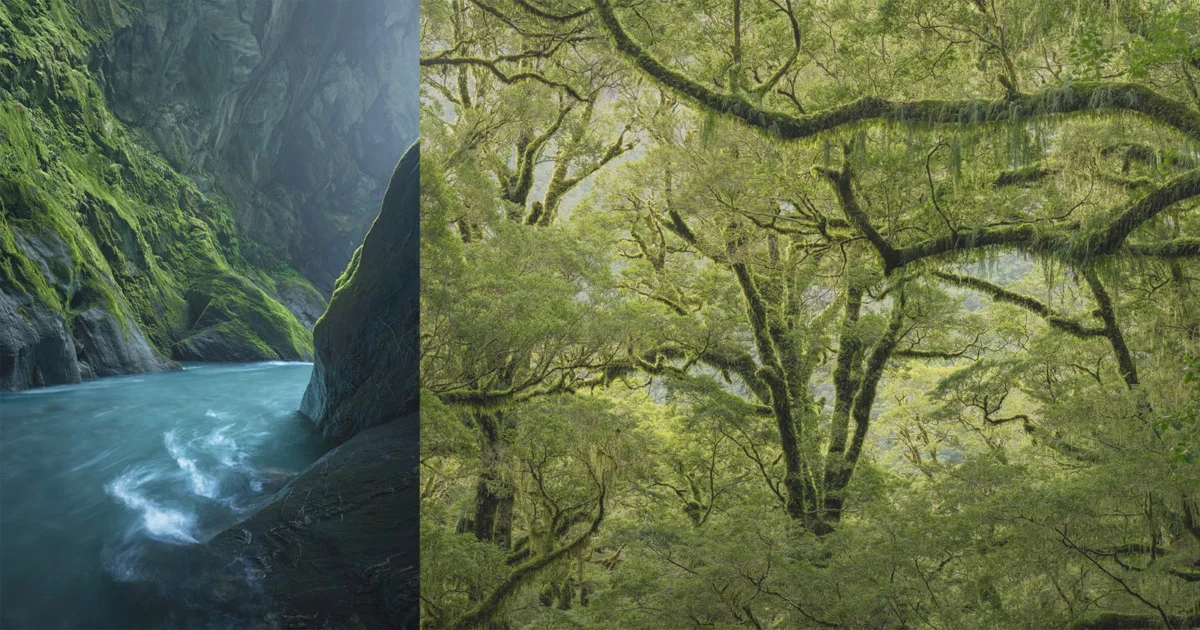
The discipline of landscape photography is undergoing a critical re-evaluation as professional practitioners and visual theorists suggest that an over-reliance on dramatic meteorological events—specifically vibrant sunrises and sunsets—may be stifling the artistic evolution of modern photographers. While "epic" skies have traditionally served as the primary entry point for enthusiasts, experts argue that these transient light shows often act as a visual crutch, distracting from the fundamental principles of composition, texture, and narrative depth. By intentionally excluding the sky from the frame, photographers are finding that they can produce more sophisticated, meaningful work that relies on the intrinsic qualities of the land rather than the fleeting brilliance of the atmosphere.
The Psychological and Technological Allure of the Golden Hour
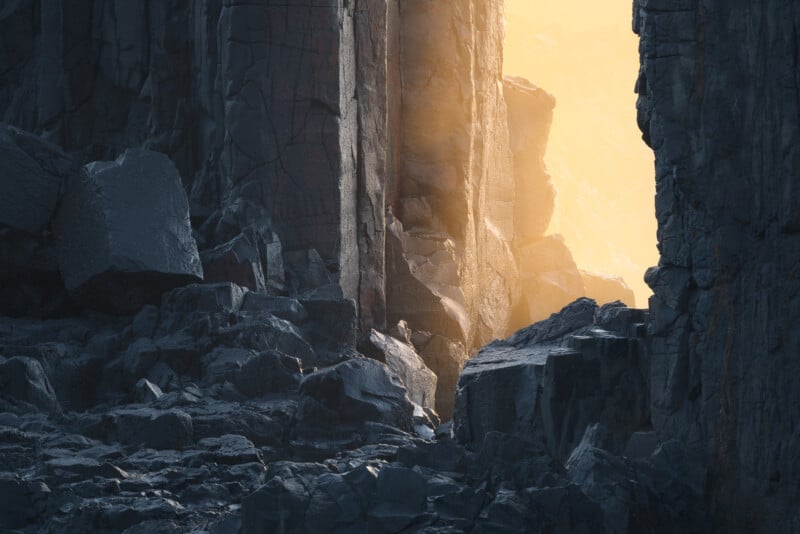
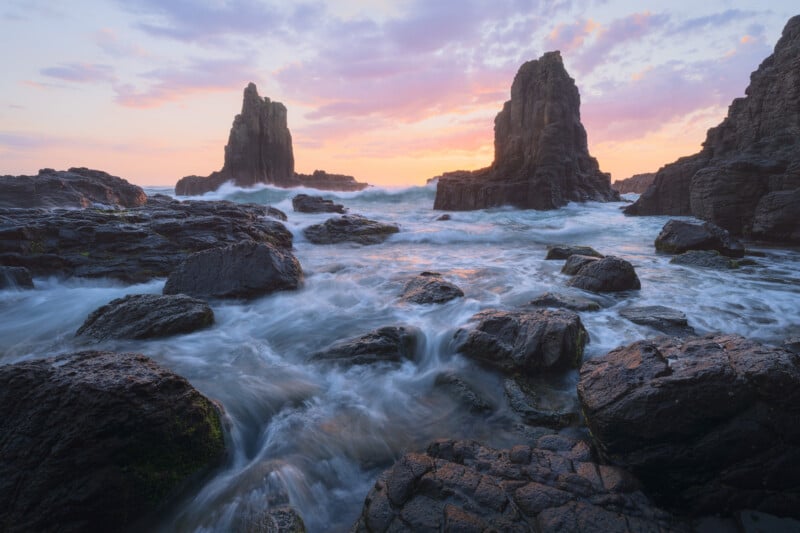
The phenomenon of "chasing the light" is deeply rooted in the history of landscape art, but its modern iteration is heavily influenced by digital technology and social media algorithms. For many photographers, particularly those operating in scenic regions such as the South Coast of New South Wales or the rugged terrains of Tasmania, the pursuit of the "perfect" sky becomes an obsessive cycle. Locations like Bombo Quarry and Cathedral Rocks have become global benchmarks for this aesthetic, where the interplay of basalt columns and oceanic sunrises creates a high-contrast, high-saturation environment that is tailor-made for digital consumption.
Data from social media engagement studies indicates that images featuring high-saturation "fire" skies (reds, oranges, and deep purples) receive significantly higher initial engagement rates—measured in "likes" and "shares"—compared to more muted, intimate landscapes. This feedback loop creates what psychologists call a "variable ratio reinforcement schedule," where the photographer is rewarded for capturing spectacular conditions rather than for the technical or emotional merit of the composition itself. Consequently, the land often becomes secondary, reduced to a silhouette or a mere pedestal for the sky.
The Chronology of Artistic Stagnation and Growth
The progression of a landscape photographer typically follows a specific chronological path, often beginning with an fixation on grand-scale events.
- The Enthusiast Phase: Initial attraction to the craft is driven by the spectacle of nature. Photographers focus on weather apps, cloud-cover forecasts, and solar angles, often returning to the same vantage points repeatedly to secure a "banger" sunset.
- The Saturation Peak: During this period, the photographer masters the technical aspects of high dynamic range (HDR) and long exposures to maximize the impact of the sky. The work is popular on social platforms but begins to look indistinguishable from the work of peers.
- The Creative Plateau: A realization occurs that the "epic" conditions are doing the heavy lifting. The photographer begins to feel that their portfolio lacks a unique voice or a sense of place that transcends the specific moment of sunset.
- The Pivot to Intimacy: The photographer begins to explore "intimate landscapes"—scenes that exclude the horizon and the sky. This shift requires a deeper understanding of light, shadow, and geometry.
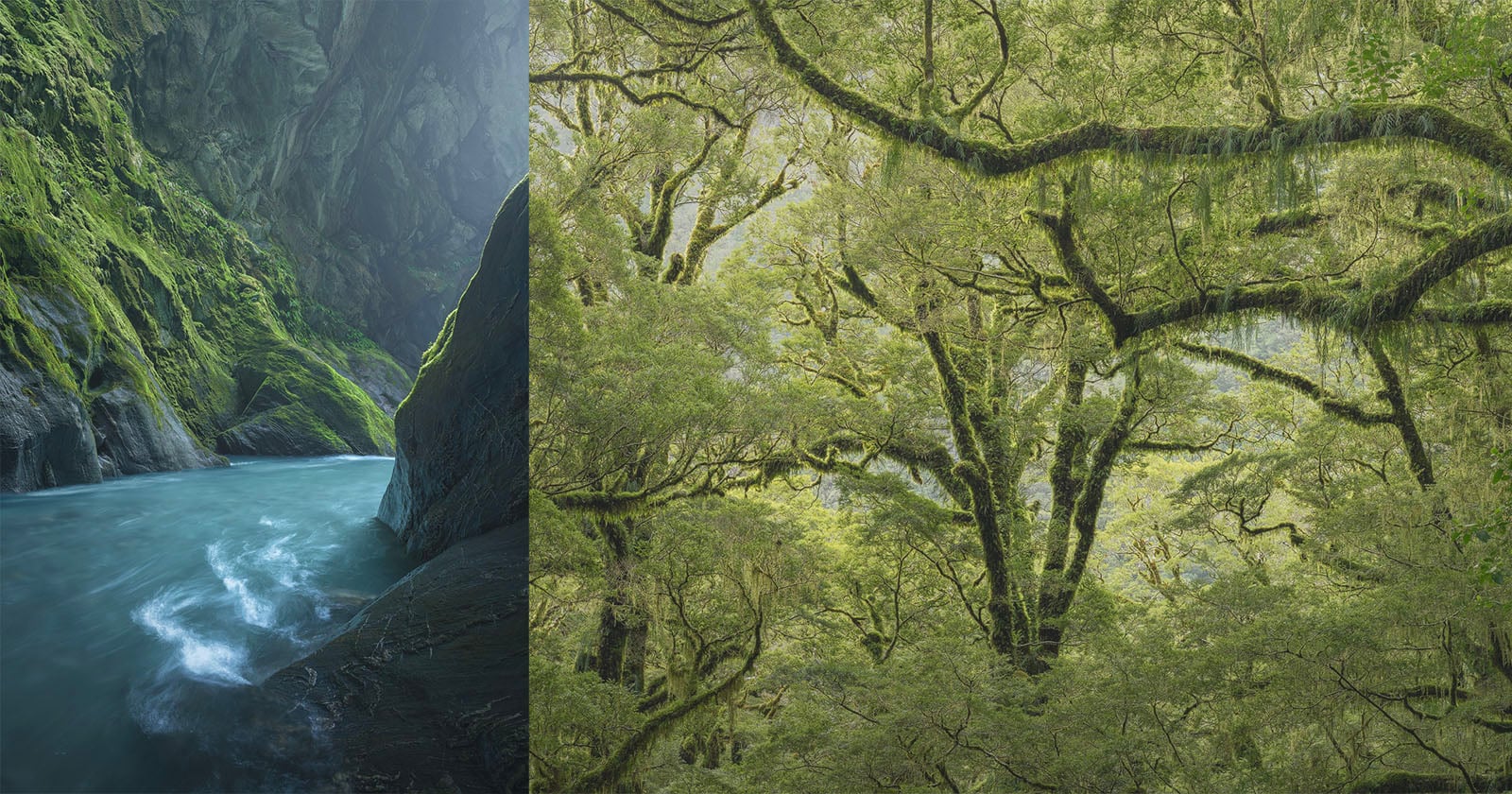
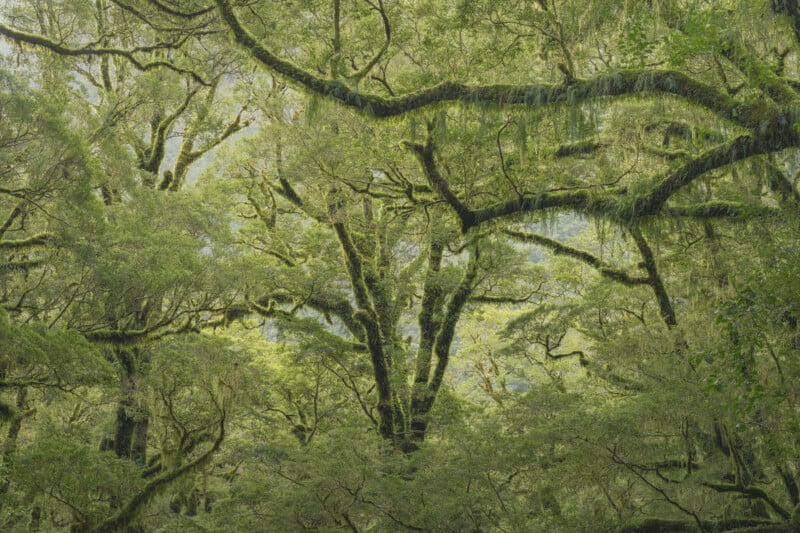
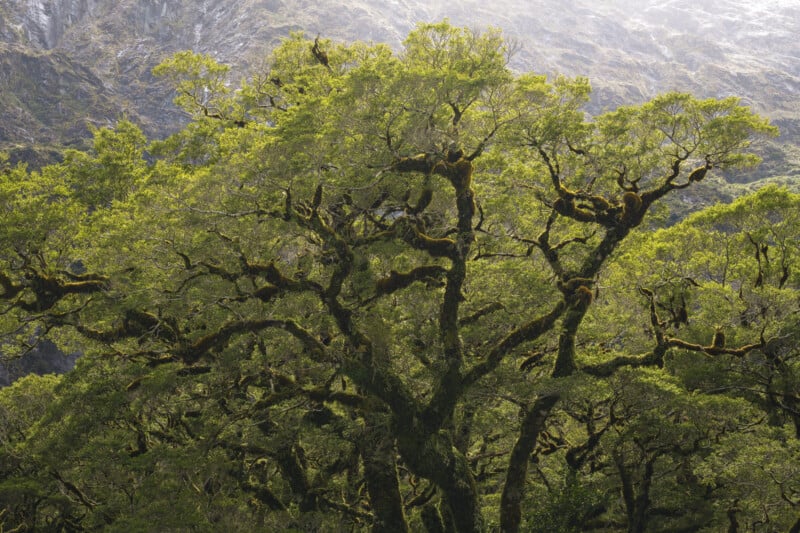
This transition from "sky-centric" to "land-centric" photography is often described as a move from being a "taker" of photos to a "maker" of images. When the distraction of a colorful sky is removed, the photographer is forced to engage with the complexities of the foreground and middle ground, such as the moss-covered roots of a Fiordland forest or the intricate "honeycomb" erosion patterns on coastal rocks.
Technical Analysis: Why the Sky-less Frame is More Challenging
From a technical standpoint, excluding the sky eliminates one of the most difficult elements to manage in a landscape photograph: extreme dynamic range. However, it introduces a new set of challenges that require a higher level of compositional skill.
Visual Hierarchy and Balance
In a traditional landscape with a dramatic sky, the sky often serves as the "anchor" or the primary subject. When the sky is removed, the photographer must establish a new visual hierarchy. This is often achieved through the use of tonal contrast, leading lines, and the "rule of odds." Without the sky to provide a sense of scale or direction, the arrangement of elements within the frame must be impeccable to prevent the image from feeling cluttered or aimless.
Texture and Micro-Contrast
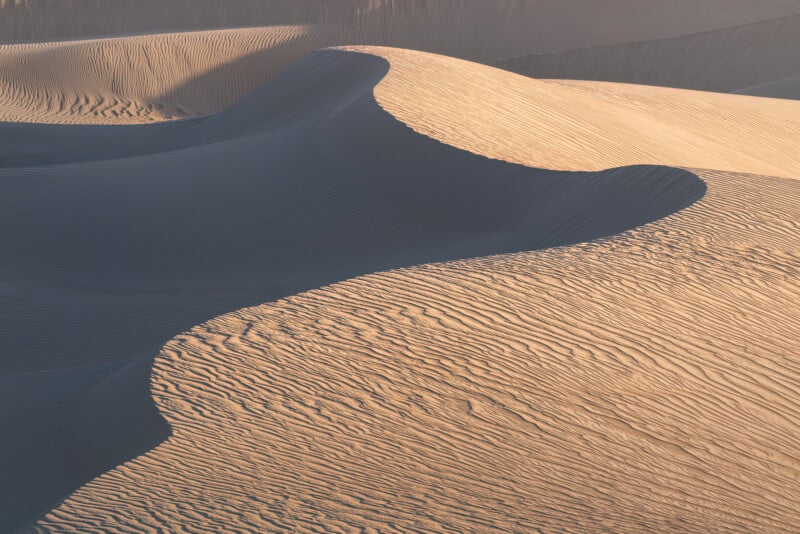
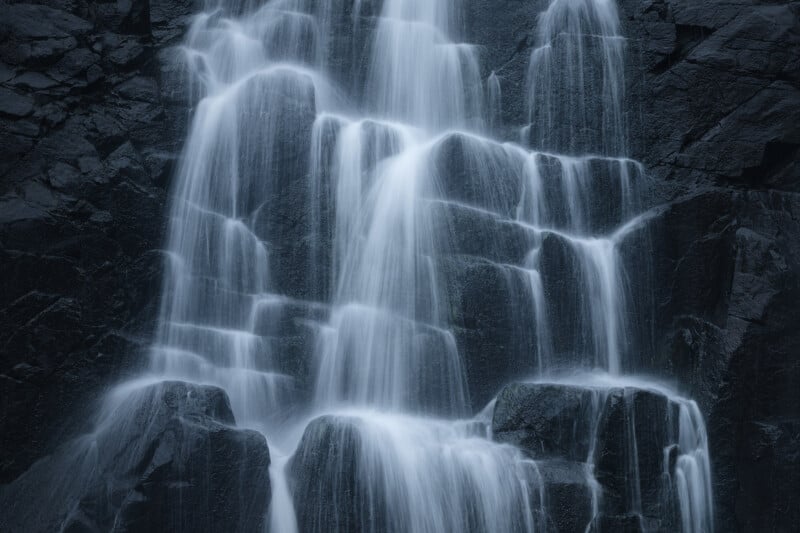
Intimate landscapes rely heavily on texture. In the absence of a glowing horizon, the subtle details of the environment—such as the veins in a sapphire coast rock formation or the misty flow of a waterfall like MacKenzie Falls—become the focal points. This requires a sophisticated understanding of "soft light" or "flat light," which is often found on overcast days. While many beginners avoid "grey days," professional landscape photographers often prefer them because they provide even illumination that reveals the true color and texture of the land without the harsh shadows created by direct sunlight.
Narrative and Essence
The inclusion of the sky often dates an image to a specific minute of a specific day. By contrast, a tightly framed shot of a canyon river chasm or a dense forest canopy feels timeless. It captures the "essence" of the location rather than just the weather. This approach aligns with the philosophies of legendary photographers like Eliot Porter, who championed the "intimate landscape" as a way to showcase the interconnectedness of nature.

Industry Reactions and the Rise of "Slow Photography"
The photography industry has seen a notable shift toward what is being called "Slow Photography." This movement prioritizes presence and observation over the frantic pursuit of "epic" conditions. Major camera manufacturers and software developers have noted this trend; while AI-driven "sky replacement" tools were initially marketed as a way to "fix" boring photos, many high-end workshops and galleries are seeing a return to authentic, grounded compositions.
Curators of prestigious photography awards have also begun to voice a preference for images that demonstrate a unique perspective. A spokesperson for a leading international landscape competition recently noted that "we see thousands of spectacular sunrises every year, but we rarely see an image that makes us look at a common piece of forest floor in a new way. The former is a testament to the weather; the latter is a testament to the artist."
Broader Impact: Conservation and Environmental Awareness
The move away from "sky-chasing" has significant implications for environmental conservation. The "Instagrammification" of nature has led to overcrowding at specific "sunset spots," often resulting in habitat degradation and soil erosion. When photographers focus on the broader landscape and the smaller, intimate details of the environment, they encourage a more holistic appreciation of nature.
By highlighting the beauty of a mossy tree or the geological history written in a rock face, photographers can advocate for the protection of ecosystems that might not be considered "traditionally beautiful" under a midday sun. This shift in focus helps the public understand that a forest is valuable not just because it looks good at sunset, but because of its intrinsic complexity and biological richness.
Conclusion: Challenging the Golden Hour Paradigm
The argument that stunning skies are holding back development is not a call to abandon sunrises and sunsets entirely. Rather, it is an invitation for photographers to expand their visual vocabulary. The most successful landscape artists are those who can find a compelling story in any light, whether it is the "carnival of light" at dawn or the quiet, monochromatic textures of a rainy afternoon in the bush.
To achieve growth, photographers are encouraged to:
- Challenge Preconceptions: Enter a landscape without a specific "shot list" or weather expectation.
- Embrace "Bad" Weather: Use overcast or misty conditions to explore colors and textures that are washed out by bright sunlight.
- Focus on the Micro: Spend time identifying patterns and details that others might walk past in their rush to a viewpoint.
- Practice Exclusion: Intentionally frame shots that exclude the sky to see how it changes the emotional weight of the image.
Ultimately, the transition from capturing momentary light shows to documenting the enduring character of the land marks the maturity of a photographer’s career. It moves the medium from a reactive practice to a proactive art form, ensuring that the images produced are a meaningful representation of the world as it is—balanced, intricate, and profound—regardless of what the clouds are doing.

