


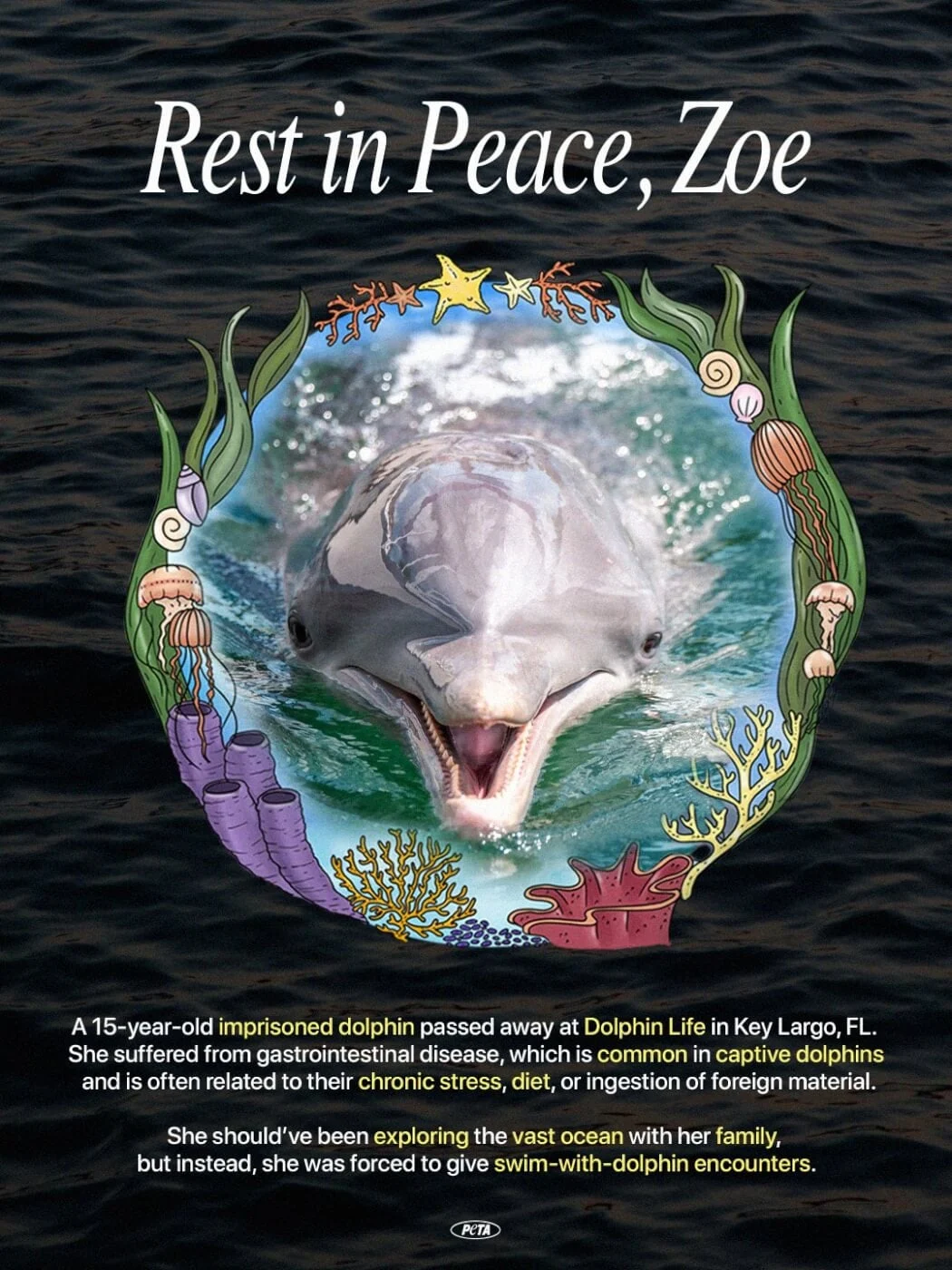
The premature death of a 15-year-old Atlantic bottlenose dolphin named Zoe at the Dolphin Life facility in Key Largo, Florida, has reignited intense scrutiny regarding the ethics and safety of "swim-with-dolphins" programs. Zoe, who spent her life participating in direct-contact encounters for the tourism industry, died on May 1, 2026, reaching less than half the average lifespan of her wild counterparts. The incident has prompted a wave of criticism from animal welfare advocates and a formal call for the facility to transition its remaining animals to seaside sanctuaries.
Zoe’s death is not an isolated event in the world of marine mammal captivity, but it highlights a recurring pattern of health complications associated with the confinement of highly intelligent cetaceans. According to reports from the facility, Zoe succumbed to a series of escalating health issues, beginning with a gastrointestinal infection and pancreatitis. These conditions eventually led to an immune-mediated condition that resulted in severe anemia. While the facility characterizes the death as a result of illness, veterinary experts and advocacy groups point to the chronic stress of captivity as a significant contributing factor to the breakdown of dolphin immune systems.
Medical Analysis and Captive Health Challenges
In the wild, Atlantic bottlenose dolphins are known to live between 40 and 50 years, with some females reaching even greater ages. Zoe’s death at 15 underscores a statistically significant trend: many captive dolphins die well before their natural prime. The specific ailments Zoe faced—gastrointestinal disease and pancreatitis—are frequently cited in necropsy reports of captive marine mammals.
Marine biologists note that dolphins are exceptionally sensitive to their environments. The transition from a vast, complex oceanic ecosystem to a confined lagoon or tank often results in elevated cortisol levels. Chronic stress is a known precursor to gastrointestinal distress in cetaceans. Furthermore, the diet of captive dolphins consists primarily of frozen-thawed fish, which lacks the nutritional complexity and hydration of live prey. This dietary restriction can lead to metabolic issues and organ inflammation over time.
The development of an immune-mediated condition following an infection is particularly telling. In high-stress environments, the mammalian immune system can become dysregulated, either failing to fight off common pathogens or overreacting and attacking the body’s own tissues, as seen in Zoe’s case. The resulting anemia likely left the dolphin too weak to survive further medical intervention, illustrating the fragility of these animals when removed from their natural habitats.
Regulatory History and Safety Concerns at Dolphin Life
The facility where Zoe was held, Dolphin Life, has faced prior scrutiny from federal oversight agencies. In 2023, the United States Department of Agriculture (USDA), which is responsible for enforcing the Animal Welfare Act, cited the facility following an incident in which a guest was bitten during a "swim-with-dolphin" encounter involving two animals.
Such incidents are often interpreted by behavioral experts as signs of agitation or territoriality—behaviors that are suppressed or redirected in a captive setting. Unlike wild dolphins that can swim away from unwanted interactions, captive dolphins are often forced into proximity with humans for hours a day. This lack of "flight" options can lead to "fight" responses, posing risks to both the animals and the paying public.
The USDA citation serves as a formal record of the facility’s struggle to maintain a safe environment for both its "assets" and its customers. Critics argue that the business model of Dolphin Life—and similar operations across Florida—prioritizes commercial throughput over the biological and psychological needs of the dolphins.
The Biological Reality of the Bottlenose Dolphin
To understand the impact of captivity on Zoe and her peers, it is necessary to examine the natural history of the species. Bottlenose dolphins are acoustic-centric, social, and highly mobile mammals. In the open ocean, a pod of dolphins may travel up to 60 miles in a single day, navigating through diverse underwater topographies and using echolocation to map their surroundings and hunt.
In contrast, captive environments—even those utilizing "natural" lagoons—are acoustically "loud" and physically restrictive. The walls of a lagoon or tank reflect a dolphin’s sonar back at them, creating a sensory environment that has been described by some researchers as a "hall of mirrors." This sensory deprivation, combined with the inability to engage in natural hunting or social bonding behaviors, leads to the development of stereotypies—repetitive, purposeless behaviors such as swimming in circles or listlessly floating at the surface.
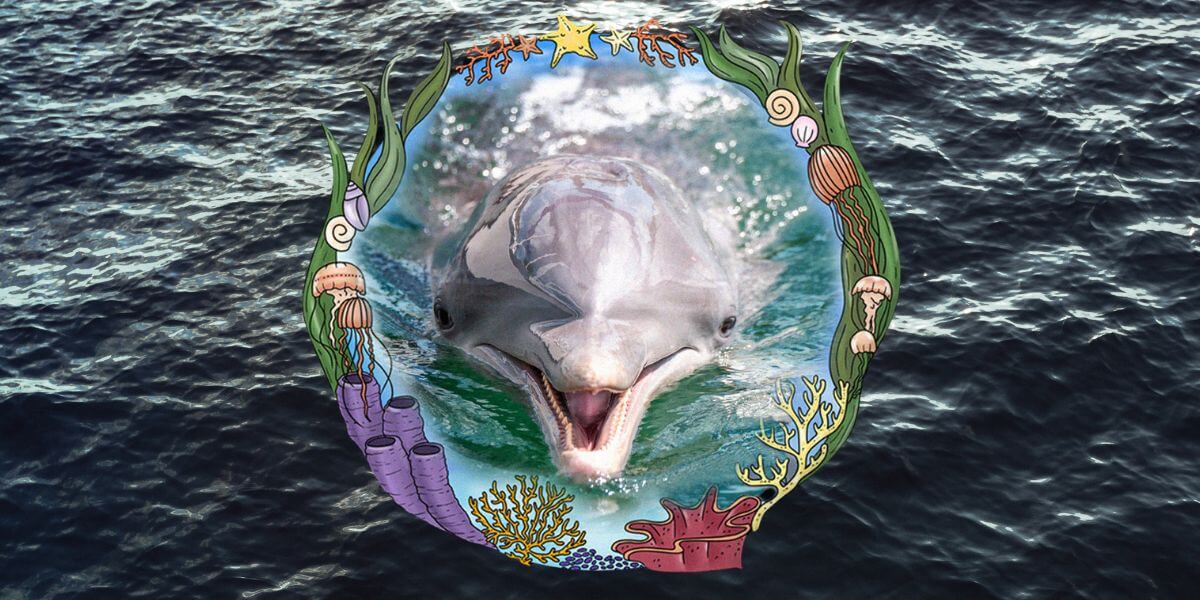
Furthermore, the "direct-contact" industry relies on the animals performing specific behaviors for food rewards. This creates a transactional relationship that fundamentally alters the dolphin’s social structure. Instead of hunting with a pod, the dolphin becomes a solitary worker, dependent on human handlers for survival, which further compounds the psychological strain.
Advocacy Response and the Call for Sanctuaries
Following the announcement of Zoe’s death, People for the Ethical Treatment of Animals (PETA) issued an urgent communication to the founder and director of Dolphin Life. The organization’s letter demanded an immediate cessation of all interactive dolphin programs and a commitment to retire the remaining animals to seaside sanctuaries.
PETA’s stance is echoed by a growing number of international conservation groups that argue for the "sanctuary model" as the only ethical future for captive cetaceans. Organizations like the Global Federation of Animal Sanctuaries (GFAS) advocate for facilities that prioritize animal autonomy. In a true sanctuary, animals are not used for performance or profit; they are provided with large, naturalistic enclosures where human interaction is limited to necessary veterinary care.
The call for sanctuaries is not merely an emotional appeal but a practical one. Successful precedents exist, such as the Sea Life Trust Beluga Whale Sanctuary in Iceland, which provides a blueprint for how formerly captive whales and dolphins can be rehabilitated into more natural environments. Advocates argue that the dolphins currently at Dolphin Life deserve a retirement that allows them to experience the tides, the currents, and the natural sounds of the ocean without the pressure of entertaining tourists.
The Economic and Ethical Landscape of Marine Tourism
The death of Zoe comes at a time when the global tourism industry is facing a reckoning regarding animal exploitation. Public perception has shifted significantly over the last decade, largely influenced by documentaries and scientific studies highlighting the cognitive complexity of marine mammals. Many major travel providers, including TripAdvisor and Virgin Holidays, have ceased selling tickets to facilities that breed or display dolphins for entertainment.
However, Florida remains a stronghold for the "swim-with" industry. The state’s warm climate and high tourist volume make it a lucrative hub for these operations. Proponents of these facilities often claim they serve an educational purpose, fostering a connection between humans and marine life. Opponents counter that the "education" provided is misleading, as it teaches children that wild animals are playthings that exist for human amusement.
The economic model of Dolphin Life is predicated on the "pay-to-play" experience. When a dolphin dies prematurely, it is not just a biological loss but a disruption of the business’s inventory. This commodification of sentient life is the core of the ethical debate. As the public becomes more aware of the high mortality rates and the psychological toll of captivity, the viability of this business model is increasingly called into question.
Broader Implications and Future Outlook
The loss of Zoe at age 15 serves as a somber reminder of the limitations of the Animal Welfare Act and current federal oversight. While the USDA can issue citations for physical injuries or substandard water quality, it has limited power to address the inherent psychological trauma of confinement for a wide-ranging, intelligent species.
The incident in Key Largo may serve as a catalyst for legislative discussion in Florida and beyond. Several countries, including Canada, France, and India, have already implemented bans or strict limitations on the captivity of cetaceans. In the United States, legislative efforts like the "SWIMS" (Strengthening Welfare in Marine Settings) Act have been introduced to phase out the capture and breeding of certain species for entertainment.
For the remaining dolphins at Dolphin Life, the path forward remains uncertain. Without a commitment to transition to a sanctuary, these animals will likely continue to participate in the same programs that Zoe did until they, too, reach the end of their utility. The death of Zoe is a data point in a much larger conversation about the rights of non-human animals and the responsibilities of a society that profits from their display.
As the marine park industry faces increasing pressure from scientists, advocates, and a changing consumer base, the story of a 15-year-old dolphin in Key Largo remains a poignant symbol of the costs associated with human entertainment. The question for the future is whether the industry will adapt to a more compassionate model or continue to face the inevitable fallout of an outdated practice. For now, the focus remains on the health of the surviving dolphins and the growing movement to ensure that no more animals meet Zoe’s premature fate.

