


The American Federation of Aviculture (AFA) has established itself as a cornerstone of the global avian community, providing a robust framework of educational resources designed to bridge the gap between casual bird ownership and professional avian science. As the keeping and breeding of birds face increasing scrutiny from regulatory bodies and environmental challenges, the AFA’s commitment to evidence-based education has become a vital asset for hobbyists, professional breeders, and conservationists alike. Through its flagship programs, the Fundamentals of Aviculture and the Avian Biology Classroom, the organization offers a multi-tiered approach to learning that emphasizes biological literacy, ethical stewardship, and the preservation of avian species.

The Fundamentals of Aviculture: A Two-Tiered Scientific Approach
At the heart of the AFA’s educational mission is the "Fundamentals of Aviculture" (FOA) program. This online curriculum was developed to provide a standardized, scientific foundation for anyone involved in the care of birds. Unlike informal guides or anecdotal resources, the FOA courses are structured to mirror academic rigor, ensuring that participants gain a deep understanding of the physiological and behavioral complexities of avian life.
Level I: Establishing the Foundation
The Fundamentals of Aviculture Level I serves as an introductory yet comprehensive gateway into the emerging science of aviculture. The course is partitioned into nine detailed chapters, each focusing on a critical pillar of bird care. The curriculum begins with the essentials of anatomy and physiology, providing students with the biological context necessary to understand how birds function differently from mammals. This includes specialized focus on respiratory systems, digestive tracts, and the unique skeletal structures of various species.

Beyond biology, Level I addresses the practical and legal realities of modern aviculture. Chapters are dedicated to the complex web of laws and regulations that govern the possession and transport of birds, ensuring that caretakers remain compliant with both domestic and international statutes. Furthermore, the course emphasizes preventative medicine, teaching students how to design housing that promotes health and how to identify early signs of illness before they become life-threatening. By covering avian behavior, the program also helps owners foster better relationships with their birds, reducing the likelihood of behavioral issues that often lead to the rehoming of exotic species.
Level II: Intermediate Specialized Studies
For those seeking to advance their expertise, the Fundamentals of Aviculture Level II offers an intensive 15-chapter curriculum. Admission to this intermediate level is contingent upon the successful completion of Level I, ensuring a uniform baseline of knowledge among all students. The Level II course dives into the technical aspects of breeding and conservation, making it an essential resource for those looking to contribute to the sustainability of avian populations.

The syllabus for Level II includes complex topics such as basic avian genetics, the study of color mutations, and the ethical considerations surrounding hybrids. It provides in-depth instruction on breeding stimuli, courtship, nesting, and the delicate process of incubation. Furthermore, the course expands into microbiology and first aid, equipping caretakers with the skills to manage minor emergencies and understand the microscopic threats that can devastate a flock. A notable inclusion in the Level II curriculum is the study of non-parrot species, acknowledging the vast diversity of the avian world beyond psittacines.
Strategic Partnerships and Program Development
The sophisticated nature of the FOA program is the result of high-level collaboration between the AFA and leading academic and philanthropic institutions. The development of these courses was made possible through a significant grant from the Pet Care Trust, an organization dedicated to promoting responsible pet ownership and the importance of the human-animal bond.
Furthermore, the scientific accuracy of the curriculum is bolstered by the support of the Schubot Exotic Bird Health Center at the College of Veterinary Medicine, Texas A&M University. As one of the world’s premier research facilities dedicated to the health of exotic birds, the Schubot Center’s involvement ensures that the AFA’s educational tools are grounded in the latest veterinary research and diagnostic breakthroughs. This partnership highlights the AFA’s role as a conduit between the high-level research community and the practical, day-to-day world of bird keeping.
Community Outreach: The Avian Biology Classroom
Recognizing that education must start at the grassroots level, the AFA introduced the Avian Biology Classroom (ABC). This program is designed for a broader audience, including bird clubs, primary and secondary school teachers, and community educators. The ABC is a downloadable resource, available in both PowerPoint and PDF formats, making it accessible for classroom presentations, club meetings, or independent study.
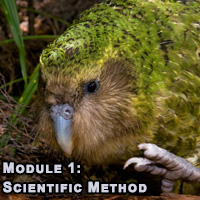
The ABC is structured into five distinct modules, each targeting a fundamental concept in biology and ecology through the lens of avian science:
- Module 1: Scientific Method: This module teaches students how to apply empirical observation and systematic experimentation to the study of birds, fostering critical thinking skills.
- Module 2: Characteristics of Life: A deep dive into what defines living organisms, using avian examples to illustrate growth, reproduction, and metabolism.
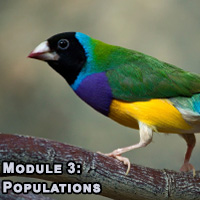
- Module 3: Populations: This section explores the dynamics of bird groups in the wild, discussing carrying capacity, migration patterns, and the factors that lead to population declines.
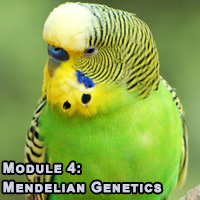
- Module 4: Mendelian Genetics: By using birds—which often display clear and vibrant genetic traits—this module provides an engaging way to learn about heredity, dominant and recessive genes, and Punnett squares.
- Module 5: Ecological Terminology: This module defines the vocabulary of the natural world, helping students understand the role of birds within their specific ecosystems and the importance of biodiversity.
Chronology and the Evolution of Avicultural Education
The development of these tools marks a significant shift in the history of the American Federation of Aviculture. Founded in 1974, the AFA was initially formed as a response to the outbreak of exotic Newcastle disease and the subsequent legislative challenges facing bird owners. For several decades, much of the "knowledge" in the hobby was passed down through oral tradition or hobbyist magazines.

The launch of the Fundamentals of Aviculture in the early 21st century represented a professionalization of the field. By moving toward an online, modular format, the AFA was able to standardize education on a national and even international scale. This transition was driven by the realization that as birds live longer and their environmental needs become better understood, the "trial and error" methods of the past are no longer ethically or practically viable.
Supporting Data and the Impact of Education on Welfare
Data from veterinary associations suggest that a significant percentage of avian health issues are the result of "husbandry-related" errors—essentially, a lack of education on the part of the owner regarding diet, light, and environment. By providing a structured curriculum, the AFA directly addresses this issue.
In a survey of avian enthusiasts, those who engaged in structured educational programs like the FOA reported a higher confidence in identifying "sick bird syndrome" and were more likely to utilize preventative veterinary care. Furthermore, the AFA’s emphasis on genetics and breeding ethics in Level II has been credited with improving the health and vigor of captive-bred populations, reducing the prevalence of deleterious traits caused by improper breeding practices.
Broader Implications and the Future of Aviculture
The implications of the AFA’s educational suite extend far beyond the individual bird owner. In an era where habitat loss and climate change are threatening avian species globally, the skills taught in these courses are vital for "ex-situ" conservation—the preservation of species outside their natural habitats. Well-educated aviculturists serve as a "living gene pool," maintaining healthy populations of birds that may one day be used for reintroduction programs.
Moreover, the AFA’s focus on biology and science helps to counter restrictive legislation that often arises from a misunderstanding of what aviculture entails. By demonstrating that the community is self-regulating through high-level education and scientific standards, the AFA provides a powerful argument for the continued right to keep and breed birds.
As the AFA continues to update its modules—incorporating new research on avian cognition and advanced genomics—it remains at the forefront of animal education. The organization’s move toward digital accessibility ensures that the next generation of veterinarians, biologists, and dedicated hobbyists has the tools necessary to ensure that the "feathered species with which we share our lives" continue to thrive for decades to come. Through the Fundamentals of Aviculture and the Avian Biology Classroom, the AFA is not just teaching bird care; it is fostering a culture of scientific respect and lifelong learning.
