


Bringing home your first pair of pet rats is an exciting milestone, often accompanied by a wave of questions and a desire to ensure these intelligent and social creatures thrive in their new environment. This comprehensive guide aims to demystify the initial stages of rat ownership, offering practical advice and insights drawn from expert knowledge and extensive experience. From understanding their initial apprehension to fostering a deep and lasting bond, this article serves as a foundational resource for new rat guardians.
The Initial Homecoming: Navigating the First Hours
The moment you arrive home with your new rat companions marks the beginning of a unique journey. It is natural to feel a mix of excitement and trepidation. The primary objective during this initial period is to minimize stress for the rats and allow them to acclimate to their surroundings at their own pace. Brandi Saxton, a recognized authority on rat care and a contributor to Lafeber Company’s resources, emphasizes the importance of patience and observation. "Your rats have just experienced a significant upheaval," Saxton notes. "They’ve been removed from their familiar environment, potentially separated from littermates, and are now in a completely new territory with unfamiliar scents and sounds, being handled by a stranger. It’s crucial to respect this transition."
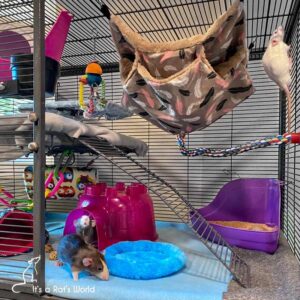
Upon arrival, the immediate destination should be their pre-prepared cage. This multi-level enclosure, equipped with bedding, food and water dispensers, hiding spots, and enrichment items, provides a safe haven. Presenting the cage as their new home allows them to explore at their leisure. Saxton advises against immediate handling or overwhelming them with attention. Instead, she suggests a gentle introduction to their new space. "Think of yourself as a gracious host," she explains. "Show them their amenities – ‘This is where you’ll find your food,’ ‘This is your cozy sleeping area,’ ‘And this is your designated litter box.’ Even if they seem fearful and retreat, your calm presence and gentle vocalizations can begin to build a sense of security." The presence of a litter box is particularly important, as nervous animals often need to relieve themselves, and directing them to a suitable spot early on can establish good habits.

Post-Cage Introduction: Reading Your Rats’ Cues
Following the initial cage exploration, the next steps depend largely on the rats’ individual temperaments and the journey they undertook to reach their new home. If the acquisition involved minimal travel and the rats appear curious and confident, it might be appropriate to gently encourage them out for a brief period. However, if they endured a lengthy or stressful journey, a decompression period of 30 to 60 minutes within the cage is advisable. This allows them to settle their nerves before further interaction.
"It’s a common impulse for new owners to want to immediately cuddle and bond with their new pets," Saxton acknowledges. "However, pushing too hard too soon can be counterproductive. Observing their body language is key. Are they tentatively sniffing around, or are they hunkered down in a corner, eyes wide with apprehension? Matching your approach to their comfort level is paramount." This period of observation also allows new owners to gauge their rats’ general disposition, which will inform their future interactions.
Understanding Rat Behavior: The First Weeks and Beyond
The initial behavior of pet rats can vary significantly. Some may be naturally bold and inquisitive, readily exploring their new surroundings and showing interest in their human companions. Others may exhibit caution, preferring to observe from the safety of their cage or hiding spots. This spectrum of behavior is normal and should be met with understanding and patience.
"It’s a common misconception that fearful rats will eventually overcome their anxiety on their own," Saxton states. "In reality, their instinct is to hide and avoid perceived threats, which is a survival mechanism. It is the owner’s responsibility to gradually change this perception by consistently demonstrating that they are a source of safety and positive experiences." This process requires daily, dedicated interaction, regardless of whether the rats are initially skittish.
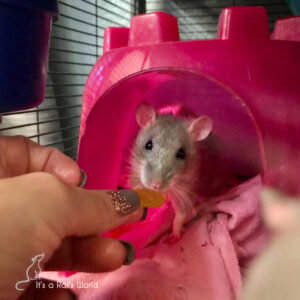
The fear of biting is another prevalent concern for new owners. While rats can bite, it is typically a defensive reaction stemming from fear or surprise, not aggression. "The longer an owner avoids interacting with a frightened rat, the more entrenched their fear becomes," Saxton warns. "This can create a cycle where the rat becomes more fearful, and the owner becomes more hesitant, potentially leading to neglect or rehoming. Understanding the root causes of potential biting, as discussed in resources like ‘Do Pet Rats Bite?’, is crucial for building confidence and fostering trust."
Addressing Quirky Rat Traits and Potential Challenges
Beyond initial apprehension, new rat owners may encounter some unique behaviors. One such quirk, often surprising to unsuspecting owners, is a rat’s fondness for nipping socked feet. This behavior is generally not an indicator of aggression but rather an exploration of texture or a playful interaction. "I’ve had rats who would playfully nibble at my socks," Saxton recounts. "It can be startling, especially if you’re not expecting it, but it’s important to understand it’s usually not malicious. They are not typically aiming to break the skin."
Another consideration is the potential for rats to react negatively to certain strong scents, such as nail polish remover. The fumes can be disorienting to rats, whose vision is not their strongest sense, potentially leading them to nip at the source of the disturbance, even if it’s a human finger. Avoiding the use of such products in close proximity to rats is a simple yet effective preventative measure.
Essential Care Practices: Diet, Hygiene, and Veterinary Needs
Consistent and appropriate care forms the bedrock of a healthy and happy life for pet rats. This includes maintaining a clean living environment, providing a balanced diet, and being prepared for potential health issues.
Cage Cleaning: A Commitment to Health and Comfort
The frequency of cage cleaning is a common point of inquiry. While a full cage overhaul might seem daunting, regular maintenance is essential for controlling odors and preventing the buildup of waste, which can lead to health problems. "Spot cleaning daily or at least several times a week is the most effective way to manage waste and maintain a pleasant environment," Saxton advises. The necessity of a complete cage cleaning varies depending on factors such as the number of rats, their litter box habits, and their sex, as males may be more prone to marking their territory. Comprehensive guidance on establishing a cleaning schedule can be found in resources dedicated to maintaining a clean rat habitat.
Nutrition: Fueling a Fast Metabolism
Rats possess rapid metabolisms, necessitating a consistent and nutritious diet. Saxton recommends dividing their daily staple food into two main meals, breakfast and dinner. This approach helps manage their tendency to overeat. "Fruits and vegetables can be incorporated into these meals or offered as small, portion-controlled snacks throughout the day," she explains. Examples of daily menus, co-authored for reputable rat care guides, illustrate how to balance their nutritional needs with appealing treats.
Veterinary Care: Proactive Health Management
The need for veterinary care depends largely on the source of the rats. Rats acquired from reputable rescues that provide thorough health checks and quarantine protocols may not require immediate veterinary attention. However, rats from pet stores, unknown breeders, or situations where care was subpar may benefit from an early check-up. Stress can compromise their immune systems, making them susceptible to respiratory issues. Symptoms such as sneezing, rapid or labored breathing, or wheezing within the first few weeks warrant prompt veterinary consultation. Saxton also stresses the importance of proactively setting aside funds for potential future veterinary expenses, as common rat ailments can arise at any time.
Building Lasting Bonds: From Tentative Touches to Deep Affection
The journey from a timid newcomer to a cherished companion is built on consistent effort and positive reinforcement. Once the initial acclimatization period has passed, the focus shifts to active bonding.

Gentle Interaction and Playtime
Learning how to handle your rats is crucial. Their small size and delicate nature, coupled with their sharp nails, can initially be intimidating. Resources detailing how to pet rats and the best ways to interact with them provide invaluable guidance. Beyond simple petting, incorporating out-of-cage playtime is essential for their physical and mental well-being. Creating safe play areas, whether through dedicated rat playgrounds or adapted living room spaces, allows for extended bonding opportunities. These sessions not only strengthen the human-animal connection but also provide vital exercise and mental stimulation.
Understanding Rat Communication
As your relationship with your rats deepens, you will begin to understand their unique ways of communicating. From subtle body language to vocalizations, learning to interpret these cues fosters a more profound connection. While this aspect of rat ownership often develops over time, recognizing their communication patterns is a rewarding element of the bonding process.
The overarching advice for new rat owners is to embrace patience, consistency, and a generous dose of affection. By understanding their needs, respecting their individual personalities, and dedicating time to interaction, new guardians can cultivate a truly remarkable and rewarding relationship with their pet rats, transforming them from timid newcomers into beloved members of the family. The adventure of rat ownership, while requiring commitment, offers unparalleled opportunities for joy and companionship.
