


The Discovery in Bertie County
The intervention began as a routine welfare check conducted by fieldworkers from People for the Ethical Treatment of Animals (PETA). In late March 2026, as North Carolina prepared for an incoming winter storm, fieldworkers visited a rural property in Bertie County to provide insulating straw and fresh water to animals kept outdoors. During this visit, they encountered a dog chained in a secluded area of the yard. The animal, then referred to as Cinnamon, had been kept on a heavy chain for the majority of her life, beginning when she was a puppy.
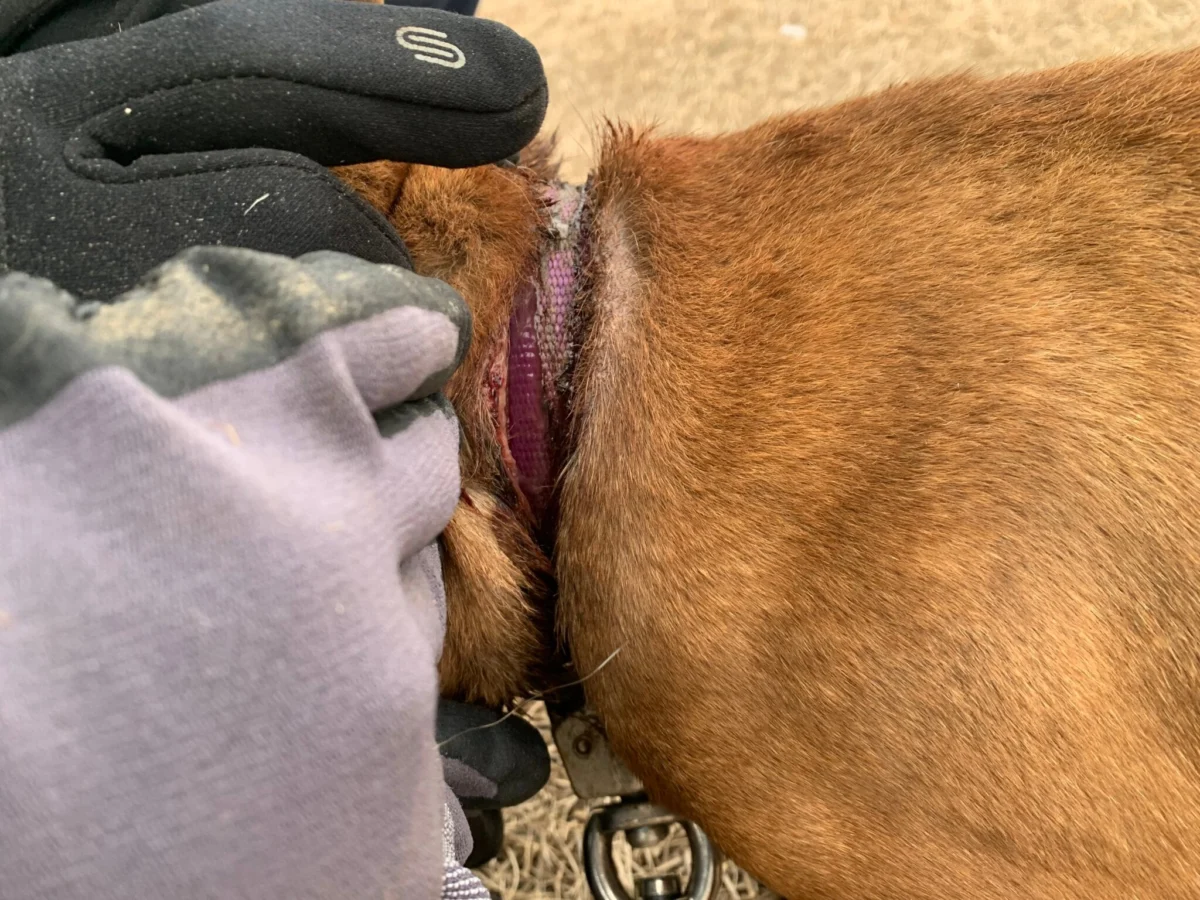
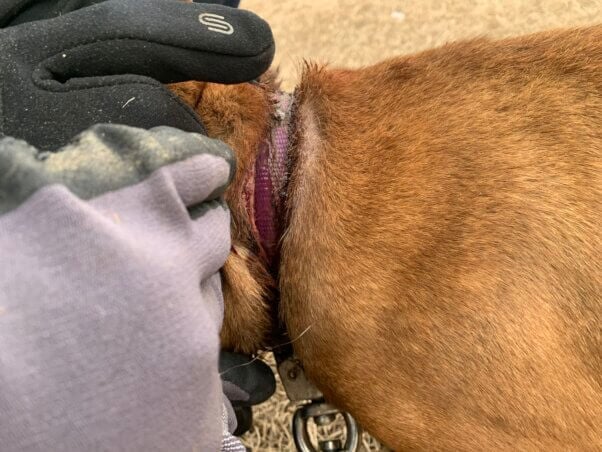
Upon approaching the dog, rescuers reported a distinctive, pungent odor associated with necrotic tissue and infection. A physical inspection revealed a catastrophic injury: a collar, likely placed on the dog during her puppyhood and never adjusted, had become deeply embedded in her neck. As the dog grew, the nylon material had cut through the dermis and muscle layers, and the skin had begun to grow over the collar, effectively beginning a process of slow strangulation. This condition, known medically as an embedded collar, is a severe form of neglect that leads to chronic pain, systemic infection, and, if left untreated, eventual death through tracheal collapse or sepsis.
Emergency Medical Intervention and Legal Action
Because the property owners were not present during the initial discovery, PETA fieldworkers contacted the Bertie County Sheriff’s Office to report a suspected case of felony animal cruelty. Deputies arrived on the scene and, after evaluating the severity of the dog’s condition, facilitated the relinquishment of the animal by the owner. Cinnamon was immediately transported to an emergency veterinary clinic.
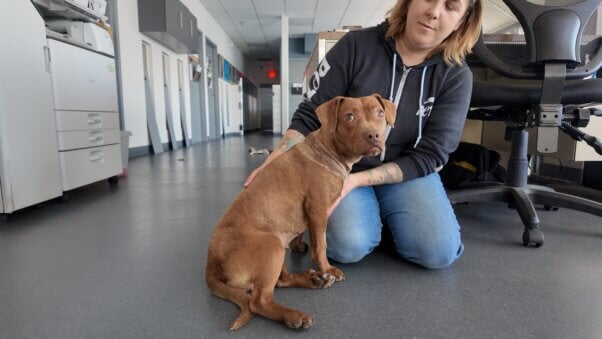
The surgical procedure to remove the embedded collar was complex. Surgeons had to carefully debride the infected tissue and excise the collar from the overgrown skin. Following the surgery, the dog required intensive antibiotic treatment to combat the localized infection that had begun to spread. During this period of recovery, PETA staff renamed the dog Liora, a name of Hebrew origin meaning "my light," symbolizing her survival and the brightness of her temperament despite her history of abuse.

Simultaneous with her medical recovery, the Bertie County Sheriff’s Office moved forward with legal proceedings. The former owner was officially charged with animal cruelty. Legal experts note that cases involving embedded collars are frequently prosecuted because they provide undeniable physical evidence of long-term neglect. Unlike cases of temporary lack of food or water, an embedded collar requires months of consistent oversight failure to reach a critical state.
The Path to Rehabilitation: From Cinnamon to Liora
The rehabilitation of a "backyard dog"—a term used by animal welfare organizations to describe pets kept exclusively outdoors with minimal human interaction—involves both physical and psychological healing. Liora spent several weeks under the care of PETA’s shelter staff in Norfolk, Virginia. During this time, she was transitioned from a diet of scavenged or low-quality food to a regulated nutritional plan, and she received vaccinations and parasite treatments that had been neglected throughout her life.
Psychologically, dogs that have been chained for long periods often exhibit "barrier frustration" or extreme social anxiety. However, Liora’s caretakers noted a remarkably resilient spirit. As her physical wounds healed, her personality emerged, characterized by a high degree of energy and a desire for physical proximity to humans. This "Velcro" behavior is common in rescued dogs who have been deprived of social bonding during their formative years.
The Pathology of Embedded Collars: A Silent Killer
Liora’s case brings to light a specific veterinary crisis that is often invisible to the public. An embedded collar is almost exclusively the result of tethering a young animal and failing to provide basic husbandry. As a puppy grows, its neck circumference increases rapidly. If a collar is not loosened weekly, it acts as a tourniquet.
Veterinary data suggests that the physiological impact goes beyond the skin. Chronic pressure on the jugular veins and carotid arteries can affect blood flow to the brain, while constant irritation of the trachea can lead to permanent respiratory issues. Furthermore, the open wounds caused by the collar serve as entry points for fly strike (myiasis) and bacterial infections such as Staphylococcus, which can lead to life-threatening cellulitis. In Liora’s case, the intervention occurred just in time to prevent the infection from reaching her bloodstream, which would have likely resulted in fatal septic shock.
The Psychological Toll of Long-Term Tethering
Ethologists and canine behaviorists have long argued that chaining is one of the most psychologically damaging practices for domestic dogs. Dogs are inherently social pack animals; being restricted to a small radius, often surrounded by their own waste, leads to a state of learned helplessness or, conversely, heightened aggression.
According to the Journal of Applied Animal Welfare Science, chained dogs are nearly three times more likely to bite than unchained dogs. This is due to their inability to use the "flight" response when feeling threatened, forcing them into a "fight" posture. Liora’s ability to integrate into a domestic home without aggression is considered a testament to her individual temperament, but many dogs rescued from similar conditions require months of specialized behavioral modification before they are safe for adoption.
Adoption and the "Furry Torpedo"
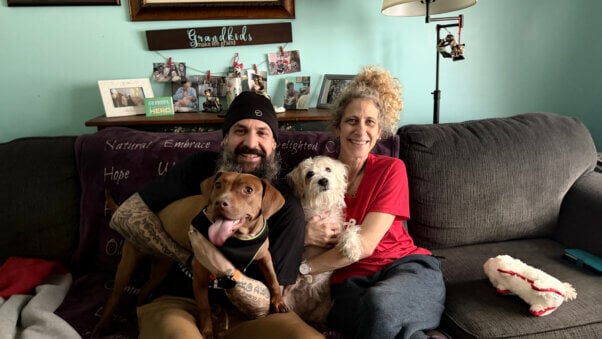
After being cleared by veterinary and behavioral staff, Liora was adopted by a family with a history of caring for rescued animals. Interestingly, her new family had previously adopted another PETA-rescued dog named Ruthie. The transition from a North Carolina backyard to a suburban home was marked by several milestones. Liora, who had never experienced life inside a house, had to learn the mechanics of stairs, the feel of carpet, and the concept of "play."
Her adopters describe her as having a "star-of-the-show" personality. She reportedly "lunches inside like a furry torpedo" when returning from the yard and has developed a close bond with her sister, Ruthie. Her physical recovery is now complete, leaving only a faint scar where the collar once was—a permanent reminder of the neglect she survived.
Legislative Trends: The Fight to End 24/7 Chaining
Liora’s story is being used by advocates to push for stronger anti-tethering ordinances. Currently, the legal status of dog chaining varies significantly by jurisdiction. While some states have implemented statewide bans on unattended tethering during extreme weather, many rural counties still operate under antiquated "adequate shelter" laws that do not specifically prohibit long-term chaining.
In North Carolina, several municipalities have moved to ban tethering entirely, citing public safety concerns and animal welfare. Advocates argue that tethering bans are easier for law enforcement to monitor than "cruelty" laws, as the presence of a chain is an objective fact, whereas "pain and suffering" can be subjective in a court of law.
Data from the National Association of Animal Control Officers (NAACO) suggests that communities with strict tethering restrictions see a measurable decrease in dog bite incidents and a reduction in the number of stray animals. By requiring dogs to be kept in fenced yards or indoors, owners are forced to interact with their pets more frequently, which leads to better health monitoring and earlier detection of issues like the embedded collar that nearly killed Liora.
Community Responsibility and Reporting Protocols
The resolution of Liora’s case was made possible by the vigilance of fieldworkers and the cooperation of local law enforcement. Animal welfare organizations emphasize that the public plays a crucial role in identifying "backyard dogs" who may be in distress. Signs of an emergency include:
- Visible wounds or collars that are no longer visible beneath the skin.
- Extreme lethargy or inability to stand.
- Lack of access to water or shade in temperatures exceeding 80°F or below freezing.
- Heavy chains that restrict the animal’s ability to move comfortably.
In cases where local authorities are unresponsive, national organizations like PETA provide 24-hour hotlines to assist in emergency interventions. The goal of these organizations is not only to rescue individual animals like Liora but to provide the necessary evidence for prosecution, thereby creating a deterrent for future neglect.
Broader Impact and Implications
The "tail of triumph" for Liora represents a small victory in a much larger struggle. Across the United States, thousands of dogs remain at the end of chains, invisible to the general public. Liora’s transition from a nameless "backyard dog" to a cherished family member serves as a powerful narrative for the "Unchain OK" and "Dogs Deserve Better" movements.
The case also highlights the necessity of "community cat and dog" programs, where fieldworkers engage with low-income pet owners to provide resources such as free spay/neuter services, sturdy doghouses, and veterinary care. Often, neglect is a byproduct of poverty or lack of education regarding animal husbandry. However, in cases of severe physical trauma like Liora’s, the consensus among welfare professionals is that removal and prosecution remain the most effective tools for ensuring animal safety.
As Liora continues her new life, her story remains a focal point for legislative change in North Carolina and beyond. It serves as a reminder that the "light" of an animal’s spirit can persist even in the darkest of circumstances, provided there is a community willing to look over the fence and take action.
