


A groundbreaking study, spearheaded by a researcher at the University of Hawaiʻi at Mānoa, has uncovered a deeply concerning reality for the archipelago’s unique avian populations: almost every forest bird species in Hawaiʻi possesses the capability to transmit avian malaria. This widespread susceptibility and transmissibility of the disease provides a crucial explanation for its pervasive presence in nearly every mosquito-inhabited locale across the Hawaiian Islands. The findings, published on February 10 in the esteemed journal Nature Communications, paint a stark picture of the ongoing ecological crisis facing these endemic species.
The Pervasive Reach of Avian Malaria
The research detected the presence of avian malaria at an astonishing 63 out of 64 tested locations throughout the state. These sites encompassed a diverse array of forest ecosystems, each characterized by distinct assemblages of bird species. The pathogen responsible for this devastating illness is Plasmodium relictum, a generalist parasite that has been a primary driver of the precipitous declines and extinctions experienced by native Hawaiian honeycreepers. This parasite, transmitted by mosquitoes, attacks the red blood cells of birds, leading to severe anemia, organ failure, reduced survival rates, and, in many cases, death.
Christa M. Seidl, who coordinated mosquito research and control efforts for the Maui Forest Bird Recovery Project and conducted this pivotal research as part of her doctoral dissertation at the University of California, Santa Cruz, articulated the gravity of the situation. "Avian malaria has taken a devastating toll on Hawaiʻi’s native forest birds, and this study shows why the disease has been so difficult to contain," Seidl stated. "When so many bird species can quietly sustain transmission, it narrows the options for protecting native birds and makes mosquito control not just helpful, but essential." Her work underscores a fundamental shift in understanding how this disease operates within the complex Hawaiian ecosystem.
A Devastating Legacy for Iconic Species
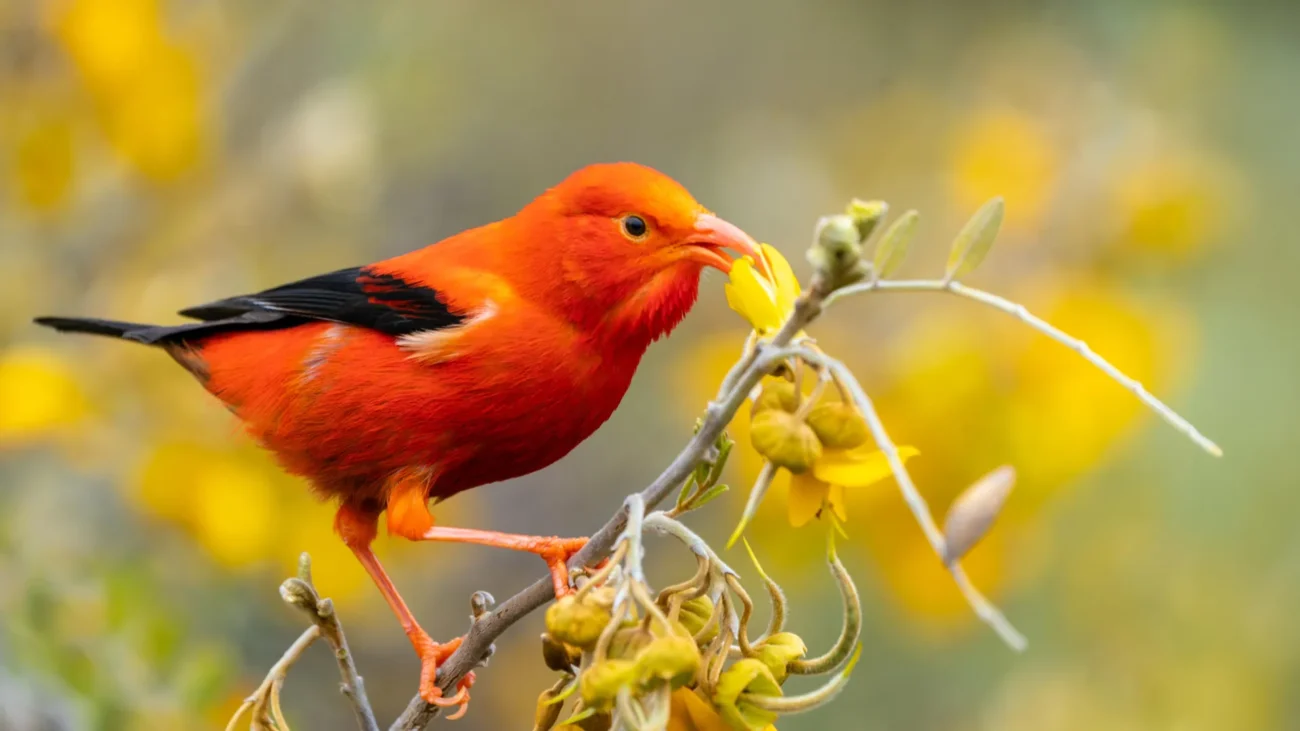
The consequences of avian malaria for Hawaiʻi’s endemic birdlife have been nothing short of catastrophic. For species like the ʻiʻiwi, also known as the scarlet honeycreeper, infection rates can lead to mortality as high as 90 percent. The ʻakikiki, a small honeycreeper native to Kauaʻi, is now teetering on the brink of extinction in the wild, with avian malaria being identified as the principal factor in its dramatic decline. These are not isolated incidents; the cumulative impact across multiple honeycreeper species has led to significant biodiversity loss.
Historically, many infectious diseases are sustained by a limited number of primary host species. However, this new research reveals that avian malaria in Hawaiʻi operates with a far broader epidemiological base. The study demonstrated that a vast majority of forest birds, encompassing both native and introduced species, exhibit at least a moderate capacity to infect the southern house mosquito (Culex quinquefasciatus), the primary vector for the parasite. Crucially, even birds harboring minute quantities of the parasite were found to be capable of transmitting it to mosquitoes. This finding suggests that a wide spectrum of bird communities can effectively maintain continuous transmission cycles of the disease.
"We often understandably think first of the birds when we think of avian malaria, but the parasite needs mosquitoes to reproduce and our work highlights just how good it has gotten at infecting them through many different birds," Seidl elaborated, emphasizing the parasite’s intricate relationship with its hosts and vectors.
The Hidden Reservoir of Chronic Infections
The comprehensive study involved the meticulous examination of blood samples from over 4,000 birds across the islands of Kauaʻi, Oʻahu, Maui, and Hawaiʻi Island. These field observations were complemented by rigorous laboratory experiments designed to quantify the ease with which mosquitoes became infected after feeding on these birds. The combined data revealed a surprising parity: native and introduced bird species often displayed similar levels of infectiousness. This indicates that both groups play a significant, albeit often overlooked, role in propagating the Plasmodium relictum parasite.
Perhaps one of the most significant revelations of the study is the prevalence of chronic infections. The research indicates that birds can harbor these infections for extended periods, spanning months or even years. During these chronic phases, when birds may exhibit only subtle or no overt signs of illness, they remain infectious to mosquitoes. The researchers’ estimates suggest that this prolonged, low to moderate infectious stage is the primary driver of avian malaria transmission across the Hawaiian Islands. This chronic shedding of the parasite by a multitude of species creates a persistent reservoir of infection that is incredibly challenging to eradicate.
The Compounding Threat of Climate Change
The inherent ability of avian malaria to infect a wide array of bird species offers a compelling explanation for its widespread distribution throughout Hawaiʻi. The study’s findings strongly suggest that few, if any, mosquito-infested habitats remain entirely free from the risk of transmission. The situation is further exacerbated by the accelerating impacts of climate change. Rising global temperatures are facilitating the expansion of mosquito populations and, consequently, avian malaria into higher elevation areas. These cooler, high-altitude forests historically served as crucial refuges for native bird species, offering a temporary respite from the disease. As these elevated zones become warmer and more hospitable to mosquitoes, these vital sanctuaries are shrinking, leaving vulnerable native birds with fewer safe havens.
The implications of this research are profound for conservation efforts. For decades, strategies have focused on managing mosquito populations and attempting to create disease-free zones. However, the discovery that so many bird species act as competent reservoirs for the parasite complicates these approaches significantly. It implies that even successful mosquito control in localized areas may not be sufficient if transmission continues unabated across broader landscapes via numerous avian hosts.
Collaborative Efforts and Future Directions
In response to the escalating threat posed by avian malaria, Christa M. Seidl and the Maui Forest Bird Recovery Project are actively involved in "Birds, Not Mosquitoes." This collaborative initiative brings together a diverse coalition of academic institutions, state and federal agencies, non-profit organizations, and industry partners. The collective goal of this partnership is to advance mosquito control strategies and technologies in direct support of Hawaiian bird conservation. This interdisciplinary approach is seen as critical to developing and implementing effective, long-term solutions.
The Maui Forest Bird Recovery Project itself operates under the umbrella of the Pacific Cooperative Studies Unit within the College of Natural Sciences at the University of Hawaiʻi at Mānoa. This institutional affiliation highlights the strong academic and research foundation supporting these vital conservation endeavors. It is important to note that all birds involved in the study were captured and handled by highly trained ornithologists, adhering to strict ethical guidelines and operating under the necessary state and federal permits, ensuring the welfare of the wild populations.
Historical Context and Ongoing Crisis
The introduction of avian malaria to Hawaiʻi is believed to have occurred in the late 19th century, likely with the arrival of the southern house mosquito and infected birds. Prior to this introduction, native Hawaiian birds had no evolutionary exposure to the parasite or its vectors, leaving them exceptionally vulnerable. The devastating impact of avian malaria on native bird populations has been a silent crisis unfolding over more than a century, leading to the extirpation of many species from lower and mid-elevation forests, forcing them into the remaining high-elevation refuges.
The historical timeline of avian malaria’s impact is marked by a series of tragic declines. Early ornithological surveys in the late 1800s and early 1900s documented the presence of malaria and its correlation with the disappearance of many native species. Over the subsequent decades, research has consistently pointed to the disease as the primary driver of extinction for numerous honeycreeper species. The current study provides a critical update, revealing the pervasive nature of transmission and the broad susceptibility of the avian community, underscoring the persistent and evolving nature of this threat.
Broader Ecological and Conservation Implications
The findings of this study carry significant implications that extend beyond the immediate concern for Hawaiʻi’s birds. They offer a stark case study in the complex dynamics of invasive species and diseases within isolated island ecosystems. The research highlights the interconnectedness of species within an ecosystem and how the introduction of a single pathogen, coupled with the presence of an introduced vector, can unravel entire faunal communities.
From a conservation perspective, the widespread transmissibility of avian malaria necessitates a re-evaluation of existing strategies. While mosquito control remains a vital component, it must be integrated with other approaches. These could include habitat restoration, genetic research into bird resistance, and potentially, the development of novel interventions to mitigate the impact of the parasite itself. The study also emphasizes the urgent need for continued monitoring and research to track the spread of the disease and identify emerging threats.
The socioeconomic impact of biodiversity loss in Hawaiʻi, a state that heavily relies on its unique natural beauty for tourism, cannot be overstated. The decline of iconic species diminishes the ecological and aesthetic value of the islands, potentially affecting the livelihoods of those who depend on the natural environment. The research contributes vital scientific data that can inform policy decisions and secure funding for crucial conservation initiatives.
The long-term survival of Hawaiʻi’s native forest birds hinges on a multifaceted approach. This latest research, by illuminating the pervasive ability of nearly all forest bird species to contribute to avian malaria transmission, provides a critical piece of the puzzle. It reinforces the urgency of coordinated, science-based conservation efforts and underscores the profound challenges posed by the ongoing interplay of introduced species, disease, and a changing global climate in one of the world’s most biologically unique regions. The future of these irreplaceable species depends on understanding these complex dynamics and acting decisively.
