


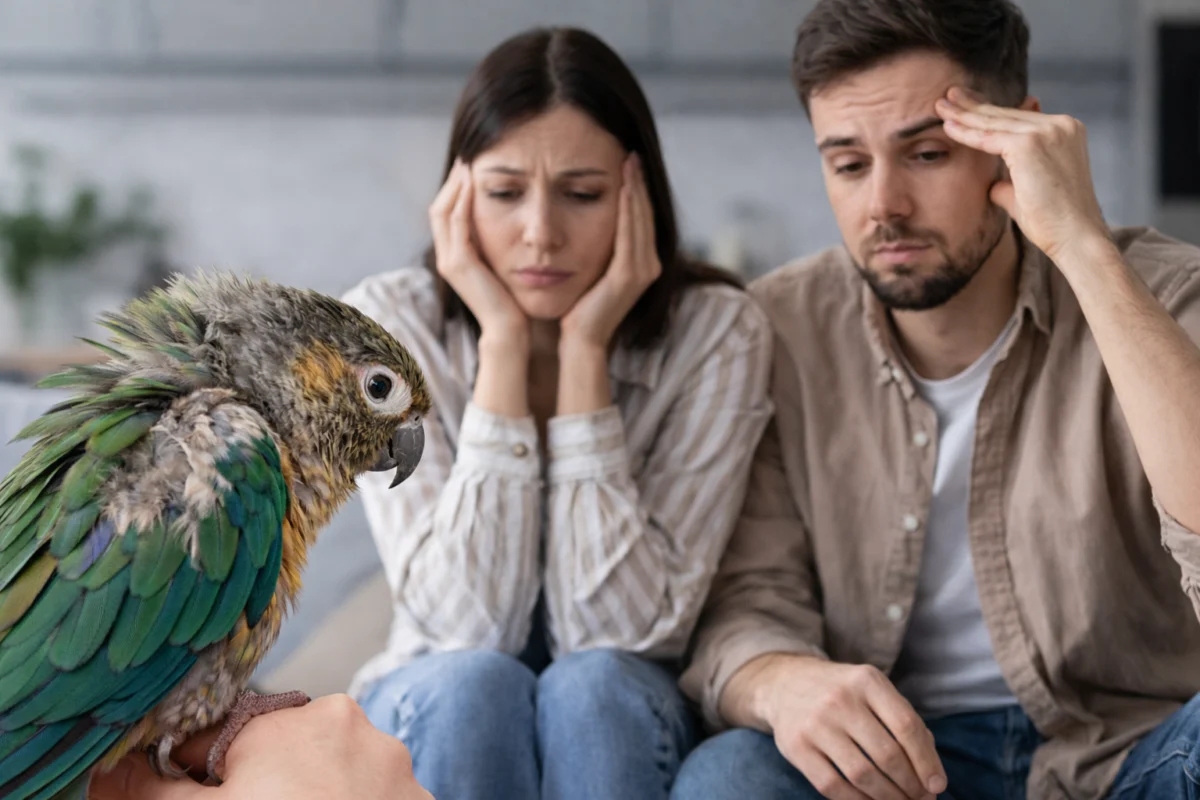
Chronic feather, skin, or what is often described as "never-ending molt" issues in pet birds rarely manifest overnight. Owners typically arrive at this critical juncture after weeks or months of observing persistent feather loss, poor feather regrowth, or constant irritation that deeply troubles their avian companions. The initial bewilderment often leads to pressing questions: "Is this a normal molt or is my bird plucking?" "Why does this cycle of feather issues seem endless?" and "What is preventing these feathers from healing properly?" This article serves as an essential guide for recognizing and understanding these persistent issues, moving beyond initial panic to identify actionable strategies that genuinely aid a bird’s recovery and well-being. It also delineates the crucial role of professional intervention, emphasizing that behavioral modifications are best considered only after comprehensive medical evaluations have ruled out underlying physiological causes.
Beyond the Normal Molt: Differentiating Chronic Conditions
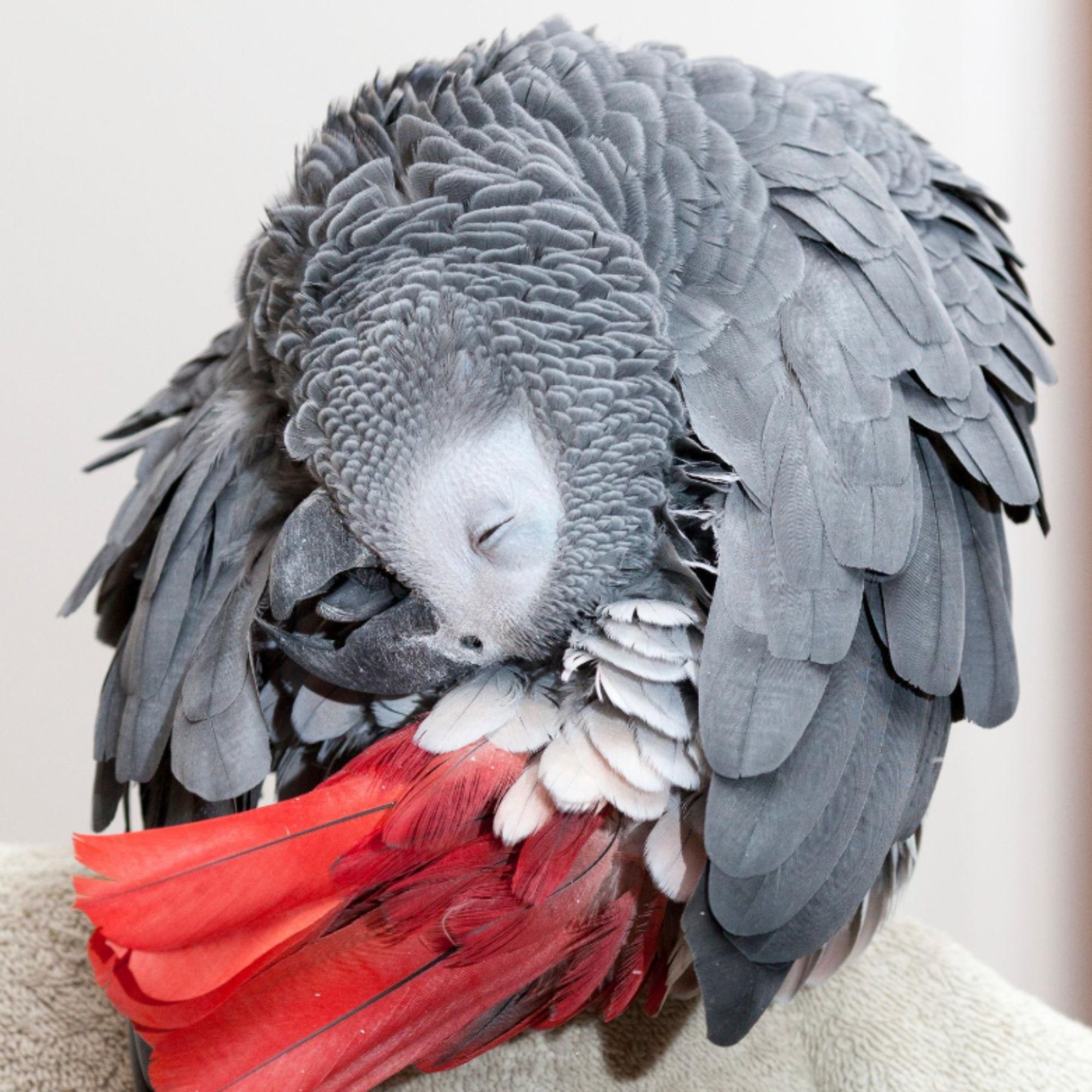
A normal avian molt is a natural, cyclical process where old, worn feathers are shed and replaced with new ones. This vital physiological event typically occurs in waves, ensuring the bird maintains optimal flight, insulation, and waterproofing capabilities. During a healthy molt, owners might observe a temporary increase in feather shedding, the emergence of "pin feathers"—new feathers encased in a waxy sheath—and perhaps some transient itchiness. However, these phases are usually distinct, followed by periods of calm and the emergence of fully formed, healthy plumage. The entire process, while demanding, resolves itself without long-term distress or compromised feather quality.
Conversely, chronic feather and skin issues signal a breakdown in this natural reparative process. These conditions are characterized by a persistent cycle where feathers fall out, grow back poorly—often with visible defects like stress bars or constricted shafts—and then either irritate the skin, leading to excessive preening or plucking, or simply fail to mature properly before the cycle repeats. Clinical observations suggest that chronic feather problems, including feather destructive behavior (FDB), constitute a significant portion of non-routine avian veterinary visits, potentially accounting for 20-30% of presenting complaints in some practices. This pattern indicates that the bird’s body is not receiving the necessary support or is under sustained stress, preventing it from completing its natural repair mechanisms.
Unpacking the Avian Behavioral Clues: What Owners Observe
The first step in addressing chronic feather issues is meticulous observation. Owners should focus on objective behavioral patterns rather than immediately attributing them to "molting" or "plucking." This involves a systematic assessment of what the bird is actually doing and how its feathers actually appear over time.
Common observations that raise concern include:
- Constant Preening or Chewing: The bird spends an inordinate amount of time meticulously preening or chewing at its feathers, often targeting specific areas.
- Visible Feather Damage: Feathers appear chewed, bent, broken, frayed, or entirely absent in patches, particularly on the chest, wings, legs, or back.
- Skin Irritation: Red, inflamed, scabby, or thickened skin may be visible beneath damaged or missing feathers.
- Poor Pin Feather Development: New pin feathers may be repeatedly chewed off, never fully emerge, or appear dry, brittle, and distorted.
- Feather Dust Accumulation: An unusual amount of feather dust or dander, suggesting excessive dry skin or feather breakdown.
- Lethargy or Behavioral Changes: The bird may appear less active, withdrawn, irritable, or exhibit other signs of discomfort.
To effectively track these patterns, experts recommend a simple, consistent action plan: identify the last time the bird had fully healthy feathers in the affected areas. Subsequently, photograph these areas weekly under consistent lighting conditions. This photographic evidence provides an objective record, moving beyond subjective guesswork and allowing for a clear assessment of whether the condition is truly ongoing, worsening, or showing signs of improvement. Such documentation is invaluable for veterinary consultations.
The Physiological Burden: Why Feather Regrowth Demands So Much
Feather growth is one of the most metabolically intensive processes a bird undertakes. It requires a significant allocation of nutrients, energy, and precise hormonal signals. Avian anatomy research, such as that by Lucas and Stettenheim (1972), highlights the complex cellular machinery involved in feather follicle development. During periods of active molting, a bird’s protein and amino acid requirements increase substantially, as feathers are primarily composed of keratin. Deficiencies in essential amino acids like methionine and lysine, as well as critical vitamins (e.g., Vitamin A, Vitamin D, B vitamins) and minerals (e.g., calcium, zinc), can directly impair feather quality. Studies, including those by Chen et al. (2020), have elucidated the molecular and nutritional regulatory pathways critical for healthy feather growth and regeneration.
When a bird’s body is already working intensely to produce new feathers, any additional stressors can overwhelm its system. This "piling on" of stress—whether from disrupted sleep cycles, constant environmental changes, inappropriate handling, or a suboptimal diet—can directly impact feather development. The result is often visible as "stress bars" or "fault bars"—transverse lines or areas of weakness in the feather vane, indicating a period of nutritional or physiological stress during the feather’s growth. These weakened areas are prone to breakage, further exacerbating the cycle of poor feather quality and potential irritation.
Environmental Stressors: Unseen Contributors to Avian Distress
Many pet birds live in environments that, despite owners’ best intentions, can inadvertently contribute to chronic stress and, consequently, feather issues. These stressors often go unnoticed until their cumulative effect becomes evident.
Common ways stress can be unintentionally added include:
- Inconsistent Sleep Schedules: Birds require 10-12 hours of uninterrupted sleep in a dark, quiet environment. Irregular bedtimes, ambient light, or noise can disrupt their circadian rhythm, leading to chronic fatigue.
- Nutritional Imbalances: An all-seed diet, while commonly offered, is notoriously deficient in essential vitamins, minerals, and proteins required for healthy feather growth. This is a primary driver of poor feather quality and overall health decline in many captive birds.
- Lack of Environmental Enrichment: Boredom, lack of appropriate chewing toys, insufficient opportunities for natural foraging, and limited social interaction can lead to frustration and redirect energy towards feather manipulation.
- Over-handling or Constant Attention: While birds enjoy interaction, excessive handling or pressure to constantly perform can be overstimulating and stressful, particularly for birds prone to anxiety.
- Inadequate Humidity and Bathing Opportunities: Dry indoor air, especially in heated homes, can lead to dry skin and brittle feathers. Insufficient opportunities for bathing or misting prevent natural preening and skin hydration.
- Exposure to Toxins or Irritants: Household aerosols, strong cleaning agents, cigarette smoke, or even certain air fresheners can irritate a bird’s respiratory system and skin, contributing to discomfort.
- Perceived Threats: The presence of other pets, sudden loud noises, or an unstable cage environment can induce chronic fear and anxiety.
Recognizing these subtle stressors is not an indictment of owner care but an opportunity for informed adjustment. By understanding how these factors contribute to a bird’s overall stress load, owners can implement changes that support physiological recovery rather than inadvertently hindering it.
Immediate Stabilization: A First-Response Protocol for Owners
When chronic feather issues are identified, the immediate focus should be on stabilization—creating an optimal environment for the bird’s body to begin healing—rather than attempting to "fix" everything at once. This phase is about providing foundational support.
Key elements of stabilization include:
- Optimizing Sleep: Ensure 10-12 hours of uninterrupted sleep in a dark, quiet, temperature-controlled room. Using a cage cover can help reinforce a consistent sleep-wake cycle.
- Nutritional Review: Transition to a high-quality, veterinarian-recommended pelleted diet (at least 70-80% of daily intake), supplemented with fresh vegetables, fruits, and a small amount of appropriate grains. Avoid seed-heavy diets.
- Stress Reduction: Minimize sudden changes, loud noises, and excessive handling. Provide a predictable daily routine to enhance a sense of security.
- Humidity and Bathing: Offer daily opportunities for bathing (misting, shallow water dish, bird bath) and consider a humidifier in dry environments to support skin and feather health.
- Appropriate Lighting: Ensure access to natural daylight or full-spectrum avian lighting for Vitamin D synthesis and circadian rhythm regulation.
This phase is distinctly not about: introducing multiple new supplements simultaneously, attempting behavior modification techniques, or making drastic changes to the bird’s environment. The goal is to reduce the bird’s overall physiological and psychological burden, allowing its body to direct energy towards healing. Rushing interventions can maintain the bird in a stress state, directly impeding the development of healthy new feathers.
When to Seek Expert Intervention: Navigating Veterinary and Behavioral Support
Knowing when to transition from owner-led stabilization to professional intervention is crucial. While initial supportive measures are vital, certain signs warrant immediate consultation with an avian veterinarian.
Owners should call an avian vet if they observe:
- Weight Loss or Prominent Keel Bone: Significant weight loss is a serious indicator of underlying health problems.
- Visible Skin Damage: Open wounds, persistent scabs, bleeding, or deep irritation on the skin.
- Low Energy or Lethargy: A bird that is unusually quiet, sleeping excessively, or showing disinterest in its surroundings.
- Appetite Shifts: A noticeable decrease or complete loss of appetite.
- Changes in Droppings: Abnormal color, consistency, or volume of droppings.
- Chronic Feather Loss with No Regrowth: Areas of bare skin that persist for weeks or months.
- Any Signs of Pain or Discomfort: Hunching, fluffed feathers for prolonged periods, favoring a limb.
An avian veterinarian is the primary professional to consult for any physical changes. They can perform diagnostic tests—including blood work, feather biopsies, skin scrapings, and potentially radiographs—to identify underlying medical conditions such as nutritional deficiencies, parasitic infections, bacterial or fungal skin infections, organ dysfunction, or systemic diseases that manifest through feather and skin issues. Lightfoot (2024) provides a comprehensive overview of skin and feather disorders, underscoring the complexity of diagnosis.

Once medical causes have been thoroughly ruled out, and the feather issue appears to be primarily habit-driven or stress-related, a qualified avian behaviorist can provide invaluable assistance. Behaviorists focus on understanding the environmental and psychological triggers for feather destructive behaviors (FDB) and developing strategies to reduce stress patterns while reinforcing healthier coping behaviors. It’s imperative that behavioral interventions are only pursued after medical clearance, as attempting to "train away" a behavior rooted in physical pain or illness is both ineffective and detrimental to the bird’s welfare.
The Comprehensive Approach: Integrating Medical and Behavioral Strategies
A holistic approach to chronic feather issues often requires collaboration between an avian veterinarian and a bird behaviorist. The vet addresses the physiological foundation, ensuring the bird’s body is healthy enough to support feather regrowth. This might involve dietary adjustments, medication for infections, or supplements to correct deficiencies.
Once the medical baseline is established, a behaviorist steps in. Their work is not about "correcting" feather-focused behaviors directly but about strengthening positive, natural parrot activities. These include:
- Foraging: Providing opportunities for birds to work for their food, stimulating mental engagement.
- Bathing: Encouraging regular bathing for feather hygiene and skin health.
- Chewing and Shredding: Offering a variety of appropriate toys and materials for destructive play, fulfilling natural instincts.
- Exploring: Creating safe environments for supervised out-of-cage time and mental stimulation.
- Social Interaction: Providing appropriate, positive interaction with owners or compatible avian companions.
These natural parrot behaviors act as powerful stress relievers. When birds are actively engaged in species-typical activities, their focus shifts away from their feathers. As stress levels decrease and the predictability of their environment increases, both their behavior and feather quality tend to improve concurrently. Diane Burroughs, a leading avian behaviorist, emphasizes this approach: "Behavior modification, after medical clearance, isn’t about correcting feather behavior. It’s about strengthening normal parrot activities—eating, bathing, chewing up stuff, exploring, and playing—so the bird spends less time fixated on their feathers." She posits that bodies cannot focus on healing when constantly bracing for the next stressor, and creating conditions of support and rest significantly improves the chances of healthy feather regrowth.
Preventative Measures and Long-Term Welfare: A Proactive Stance
Preventing chronic feather issues is always more effective than treating them. Proactive measures center on providing optimal husbandry that meets the complex needs of pet birds. This includes:
- Balanced Nutrition: A high-quality pelleted diet supplemented with fresh, diverse produce.
- Consistent Sleep: Strict adherence to 10-12 hours of uninterrupted sleep.
- Environmental Enrichment: A variety of safe toys, foraging opportunities, and social interaction.
- Appropriate Humidity and Bathing: Regular opportunities for self-cleaning and skin hydration.
- Regular Veterinary Check-ups: Annual wellness exams can detect subtle issues before they escalate.
- Stress Management: Creating a predictable, safe, and stimulating environment free from chronic stressors.
The commitment to these practices not only safeguards against feather problems but also contributes to the overall physical and psychological well-being of the bird, ensuring a higher quality of life.
The Broader Implications: A Call for Enhanced Avian Care
Chronic feather and skin issues in pet birds represent a significant challenge for both the animals and their caregivers. For the birds, these conditions can lead to persistent discomfort, pain, increased vulnerability to infection, and a diminished quality of life. For owners, the journey can be emotionally taxing, financially demanding, and often frustrating, as solutions are rarely quick or simple.
The insights from experts like Diane Burroughs underscore a fundamental principle: with chronic feather and skin issues, the timing and nature of intervention are paramount. Prioritizing physical health, rest, nutrition, and predictable routines forms the bedrock of recovery. Medical evaluation by an avian veterinarian is the essential first step when physical changes are observed. Only once medical causes are definitively ruled out does targeted behavioral support become effective, focusing on stress reduction and reinforcing natural, healthy behaviors. This layered, patient approach, grounded in scientific understanding and compassionate care, offers the best hope for birds suffering from these debilitating conditions, ultimately fostering healthier, happier avian companions.
References
- Chen, M.-J., Xie, W.-Y., Jiang, S.-G., Wang, X.-Q., Yan, H.-C., & Gao, C.-Q. (2020). Molecular signaling and nutritional regulation in the context of poultry feather growth and regeneration. Frontiers in Physiology, 10, Article 1609.
- Lightfoot, T. L. (2024, September). Skin and feather disorders of pet birds. In Merck Veterinary Manual. Merck & Co., Inc.
- Lucas, A. M., & Stettenheim, P. R. (1972). Avian anatomy: Integument (Agriculture Handbook No. 362). U.S. Department of Agriculture.
- McGraw, K. J. (2006). Mechanics of carotenoid-based coloration. In G. E. Hill & K. J. McGraw (Eds.), Bird coloration, Vol. 1: Mechanisms and measurements (pp. 177–242). Harvard University Press.
- Stettenheim, P. R. (2000). The integumentary morphology of modern birds—An overview. American Zoologist, 40(4), 461–477.
