

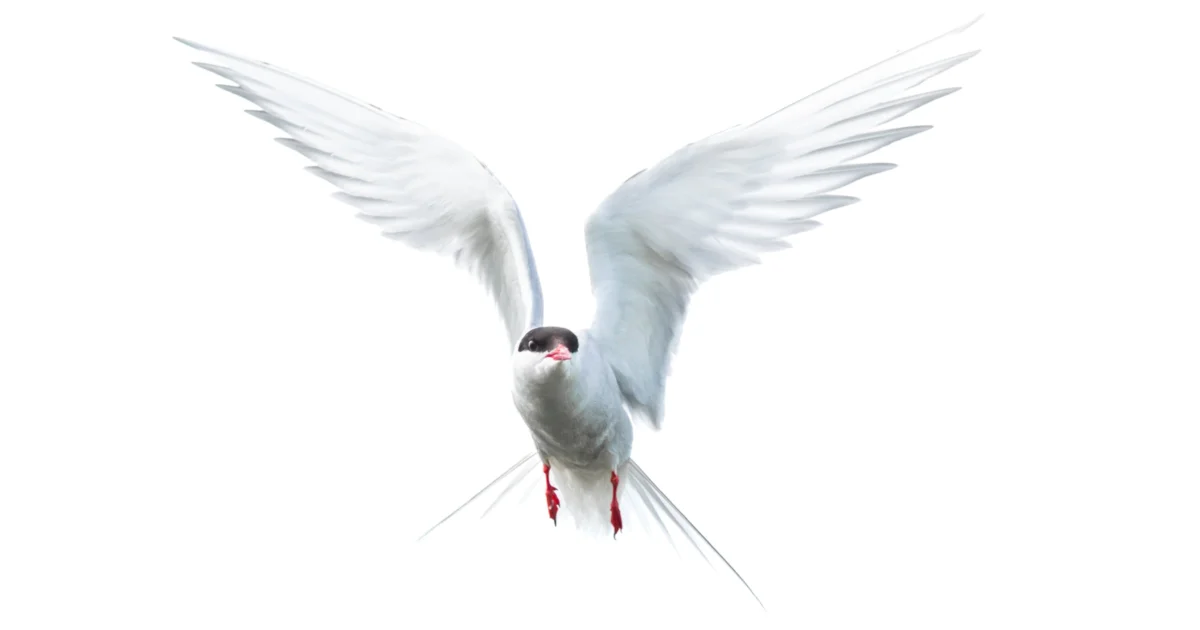
Bird photography has evolved from a niche hobby into a sophisticated discipline that blends high-speed technological precision with deep biological insight. As digital imaging technology advances, the barrier to entry has lowered, yet the requirements for capturing truly professional-grade avian imagery remain steep. This pursuit requires more than just long lenses; it demands an intricate understanding of autofocus systems, exposure management, avian behavior, and, most critically, a commitment to conservation ethics. By mastering these elements, photographers can produce compelling visual narratives that not only showcase the beauty of the natural world but also contribute to its protection.
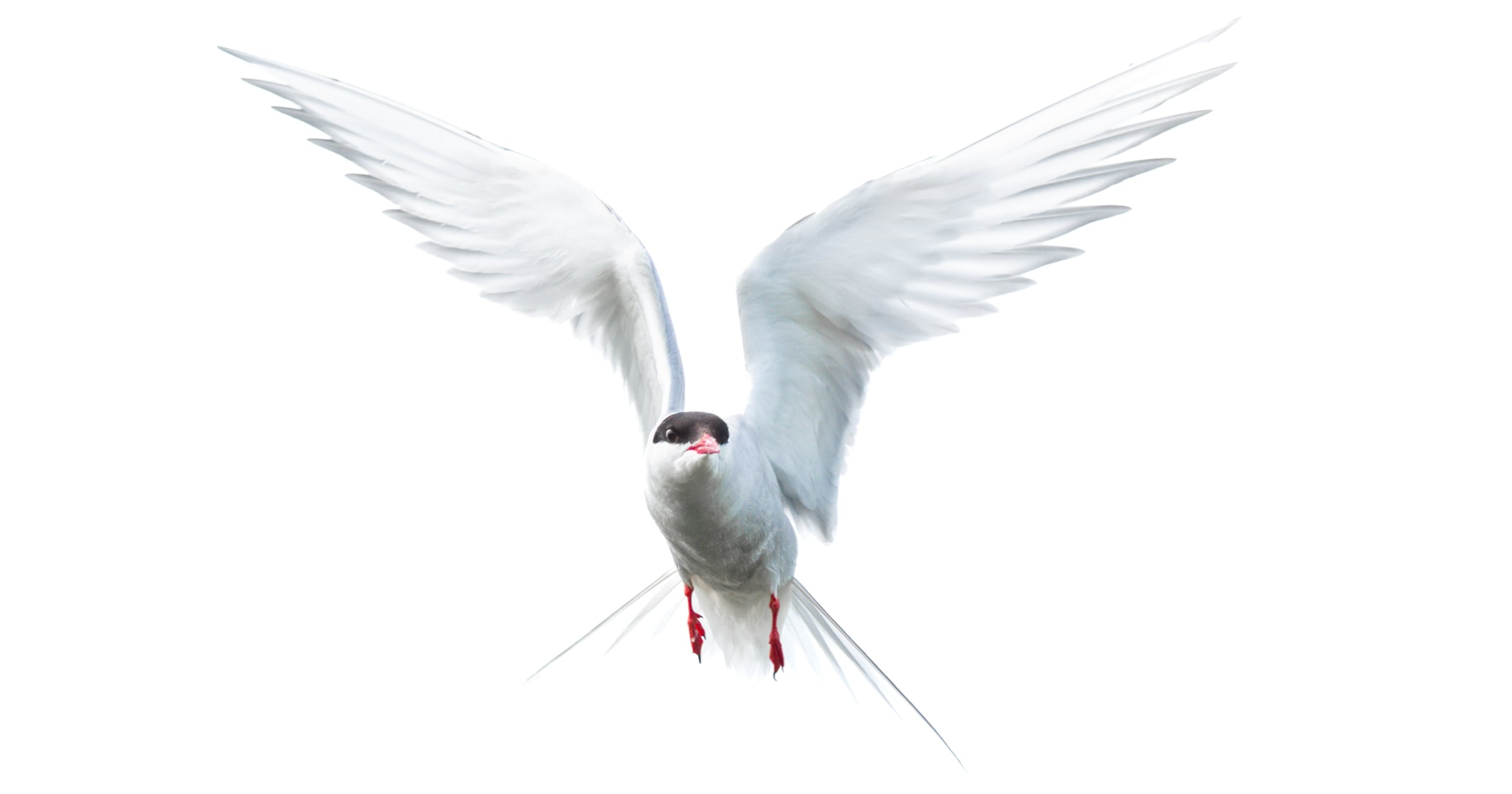
The Evolution of Focus and Detection Systems
The transition from Digital Single-Lens Reflex (DSLR) cameras to mirrorless systems has fundamentally altered the landscape of bird photography. Central to this shift is the mechanics of autofocus. Most DSLRs and modern mirrorless cameras utilize Phase-Detection Autofocus (PDAF), a system that measures the distance to a subject by comparing two slightly different versions of the image. This is significantly faster than Contrast-Detection Autofocus (CDAF), which hunts for the sharpest edge by moving the lens back and forth.
Recent flagship models from manufacturers like Sony, Canon, and Nikon have introduced hybrid systems that combine the speed of PDAF with the precision of CDAF. The most significant breakthrough, however, is the implementation of Artificial Intelligence (AI) and deep-learning algorithms for subject detection. Dedicated bird-detection modes can now recognize the specific silhouette of a bird and, more impressively, lock onto the eye even when the subject is partially obscured by branches or foliage.
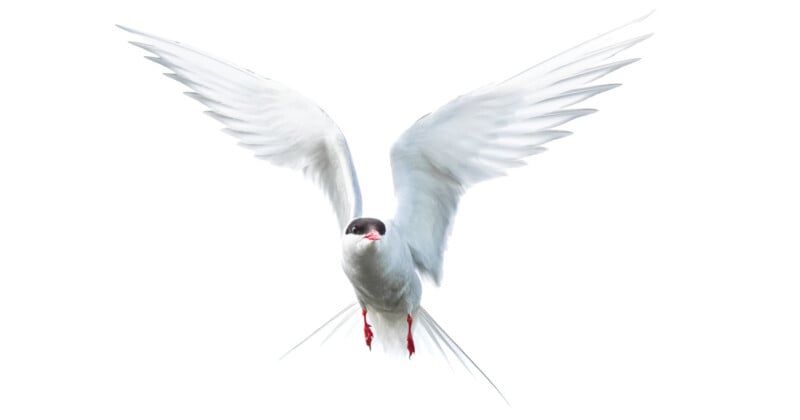
Despite these advancements, technical mastery still requires human intervention. In scenarios where a bird is deeply embedded in thickets, photographers often rely on continuous autofocus (AF-C) paired with manual focus override. Tools such as focus peaking—which highlights in-focus edges with a vibrant color in the electronic viewfinder—have become indispensable for ensuring the eye remains sharp in challenging environments. Furthermore, the selection of a clean background is not merely an aesthetic choice; it is a technical necessity. Cluttered backgrounds can create "phase noise," causing the autofocus system to hunt and fail, whereas a simplified background allows the sensor to maintain a lock on the subject’s micro-movements.
Exposure Strategies: Moving Beyond Shutter Priority
While many beginners are taught to use Shutter Priority (Tv or S) to freeze motion, professional bird photographers often adopt a more nuanced approach using Aperture Priority (Av or A). This method provides greater control over the depth of field, which is critical when a bird moves from a distant perch to a closer foreground position.
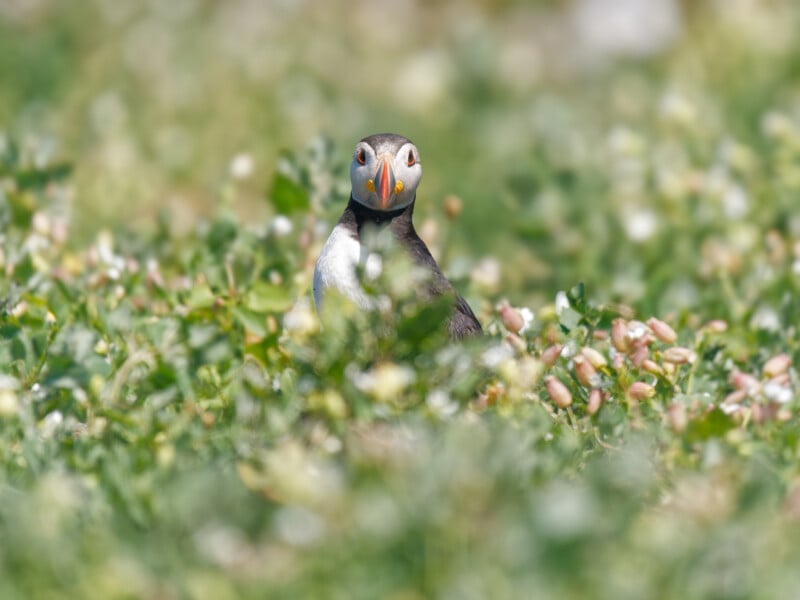
The professional workflow for this "Aperture-First" strategy typically involves:
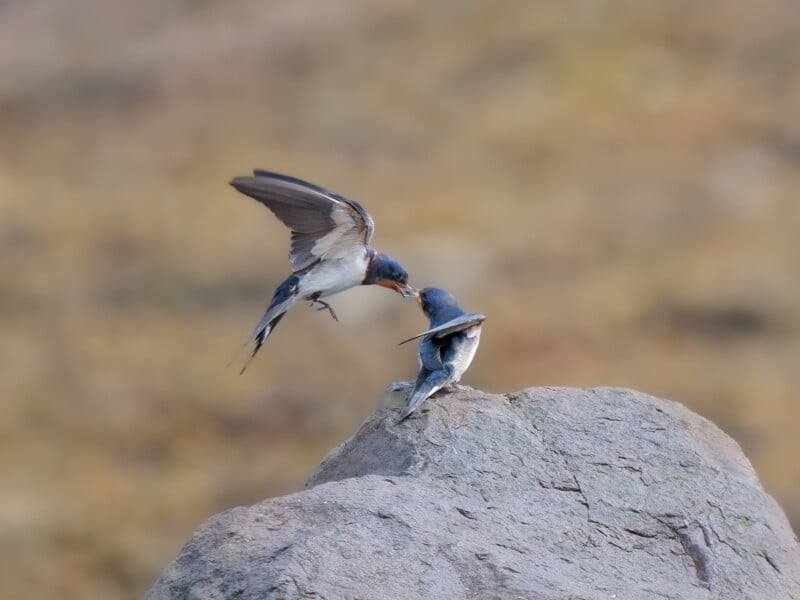
- Setting a Minimum Shutter Speed: Within the camera’s internal menus, photographers can define a floor for the shutter speed—often 1/2500 for larger, slower birds like gulls, and up to 1/4000 or higher for erratic subjects like swallows or hummingbirds.
- Auto ISO with Limits: The ISO is set to "Auto," but with a predefined maximum based on the camera’s sensor performance. For modern full-frame sensors, an upper limit of ISO 12,800 or 25,600 is common, allowing for usable images even in low-light "golden hour" conditions.
- Dynamic Response: Under this configuration, the camera maintains the widest aperture and the fastest possible shutter speed. If light fades, the ISO increases automatically to maintain the minimum shutter speed. Only when the ISO hits its maximum limit will the shutter speed begin to drop, ensuring that the camera always prioritizes freezing motion until the physical limits of the sensor are reached.
The Mechanics of Tracking Birds in Flight
Tracking a bird in flight (BIF) is widely considered one of the most difficult skills in photography. Success often depends on physical technique as much as hardware. One common pitfall is the over-reliance on Image Stabilization (IS) or Vibration Reduction (VR). While these systems are excellent for static subjects, they can occasionally introduce a "lag" or "jump" in the viewfinder as the lens tries to compensate for the photographer’s panning motion. Many professionals disable stabilization or switch to a dedicated "Mode 2" designed specifically for horizontal panning.
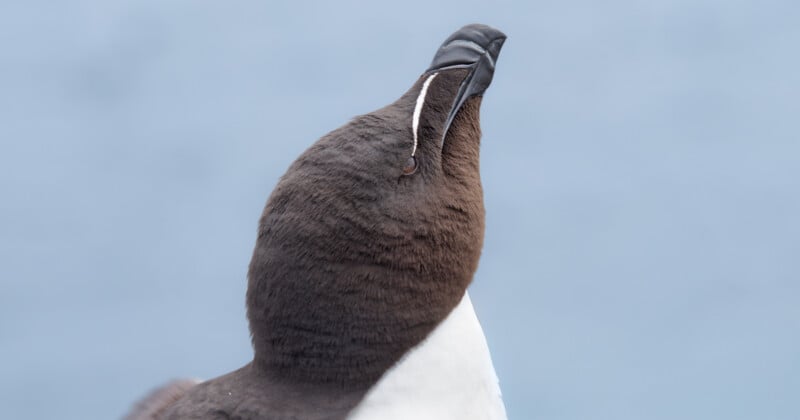
The "both eyes open" technique is another hallmark of the expert tracker. By keeping the non-dominant eye open, the photographer maintains a wide-angle view of the sky, allowing them to spot incoming birds before they enter the narrow field of view provided by a telephoto lens. For those who struggle with this, the "dot sight"—a device originally designed for firearms—can be mounted to the camera’s hot shoe. This sight projects a non-magnified reticle that, once calibrated, allows the photographer to track the bird through a glass pane while the camera remains perfectly aligned with the target.
Understanding Avian Behavior and Positioning
Technical proficiency is moot without the ability to predict where a bird will be. Avian behavior is rarely random; it is governed by the laws of physics and biology. For instance, birds almost universally take off and land into the wind to maximize lift. By checking the wind direction, a photographer can position themselves so the bird flies toward the lens rather than away from it.
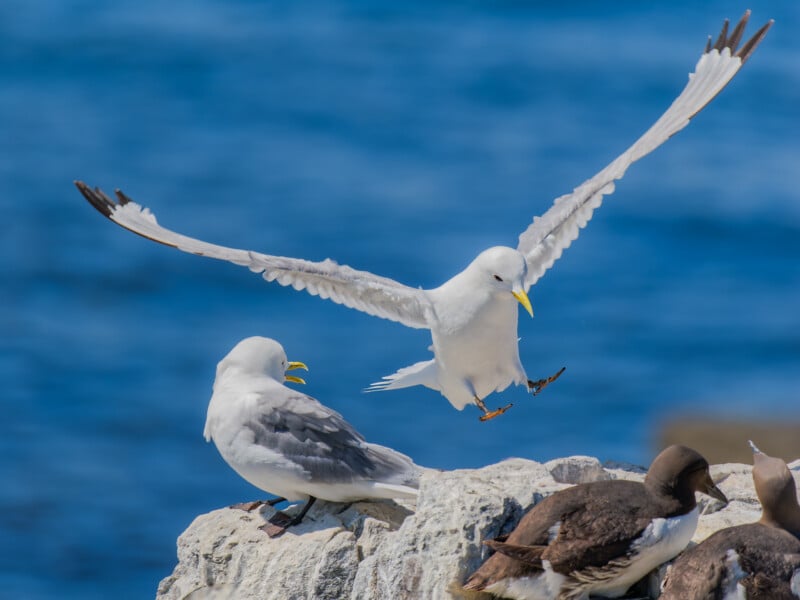
Furthermore, many species have "tells" or pre-flight rituals. Geese often vocalize loudly and stretch their necks before taking flight, while raptors may "mute" (defecate) immediately before launching from a perch. Learning these patterns allows the photographer to prepare their burst mode in advance, capturing the decisive moment of takeoff.
Positioning also dictates the emotional impact of the image. Shooting from a standing position often results in a "looking down" perspective that feels detached. Dropping to the bird’s eye level—even if it requires lying in mud or sand—creates an intimate connection, making the viewer feel as though they are part of the bird’s world. This perspective also helps blur the foreground and background, creating a more professional, cinematic aesthetic.
Conservation Ethics and the Impact of Disturbance
As bird photography grows in popularity, the ethical footprint of photographers has come under intense scrutiny. The primary directive for any wildlife photographer must be: the welfare of the subject supersedes the photograph.
The Migration Crisis
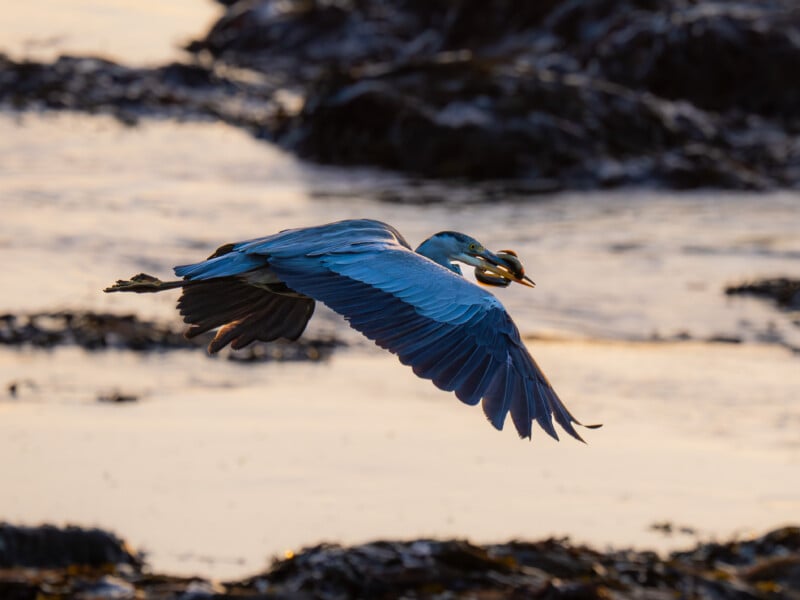
Many birds photographed on shorelines are migratory species, such as the Bar-tailed Godwit or various Sandpipers. These birds undergo some of the most grueling physical feats in the animal kingdom, often flying thousands of kilometers without stopping. To survive, they must increase their body mass by 70% to 100% before departure. When a photographer flushes a flock of shorebirds to get a "flight shot," the birds expend critical energy reserves. Repeated disturbances can lead to a failure to migrate or death from exhaustion. Experts recommend waiting for the tide to push the birds toward the photographer rather than approaching the birds directly.
The Baiting Debate
The use of bait to attract birds—ranging from birdseed to live prey—is a contentious issue. While garden feeders are generally seen as beneficial in urban environments, baiting raptors with store-bought mice can habituate them to humans and vehicles, increasing the risk of accidents. In some regions, such as the UK, the boom in certain species due to feeders has led to the displacement of other birds, such as nuthatches, creating an ecological imbalance.
However, ethical baiting does exist. In Finland, conservationists use roadkill to draw Golden Eagles into safe, forested clearings away from dangerous highways. These "photography hides" generate revenue that is directly reinvested into the creation of thousands of nesting boxes, showing that photography can be a powerful engine for conservation when managed correctly.

The Cognitive and Neurological Benefits of Birding
Beyond the technical and ethical dimensions, recent scientific research suggests that the act of observing and photographing birds provides significant mental health benefits. A peer-reviewed study published in Bioscience found that people living in neighborhoods with more birds and trees reported lower levels of depression, anxiety, and stress.
From a neurological perspective, birdwatching is a "cognitively demanding" task. It requires high-level pattern recognition, auditory discrimination (identifying calls), and sustained attention. Research indicates that "birding experts" actually develop denser brain tissue in the areas responsible for visual perception. This "cognitive reserve" acts as a buffer against age-related decline and neurodegenerative diseases. The state of "mindfulness" induced by waiting for a bird to appear has been shown to lower cortisol levels and improve emotional regulation, making bird photography a form of therapeutic engagement with the natural world.

Conclusion: The Broader Impact
Bird photography serves as a vital bridge between the public and the scientific community. High-quality imagery can turn a "rare migrant" into a local celebrity, fostering community pride and support for habitat preservation. However, this influence comes with a responsibility to maintain the integrity of the ecosystem. By combining advanced technical skills—such as the Aperture Priority workflow and AI-driven focus systems—with a rigorous ethical code, photographers can capture images that are both artistically profound and ecologically responsible. As we continue to navigate a period of significant environmental change, the role of the bird photographer as an observer, chronicler, and protector has never been more vital.
