

African Grey Parrots, renowned for their exceptional intelligence and complex personalities, require far more than basic cage accessories to thrive in captivity, a principle increasingly recognized by avian veterinarians and behaviorists worldwide. Owners who welcome these brilliant birds into their homes must implement a comprehensive daily enrichment strategy to prevent common behavioral issues and support their profound cognitive and emotional needs.
The Cognitive Powerhouse: Understanding African Grey Intelligence
For decades, the intellectual capabilities of parrots were largely underestimated, often relegated to mere mimicry. However, groundbreaking research, particularly with African Greys, has fundamentally shifted this perception. Dr. Irene Pepperberg’s extensive studies with Alex, an African Grey parrot, at Harvard University and later at the University of Arizona, unveiled an astonishing level of cognitive function. Alex demonstrated the ability to identify and categorize objects by color, shape, and material, understand numerical concepts up to six, and even grasp abstract ideas such as "same" and "different." His capacity for spontaneous, context-appropriate speech, problem-solving, and emotional expression suggested a cognitive aptitude comparable to that of a four- to five-year-old human child. This research, detailed in Pepperberg’s 1999 book "The Alex Studies," revolutionized scientific and public understanding of avian intelligence, underscoring that these are not merely pets but highly sentient beings with complex mental landscapes.
This advanced intellect means African Greys are perpetually observing, learning, and interacting with their environment. Their problem-solving abilities are not just for show; they are fundamental to their survival in the wild, where they navigate complex social structures, locate diverse food sources, and avoid predators. In a captive setting, if these innate drives are not adequately stimulated, their powerful brains can quickly become underutilized, leading to significant welfare challenges.
The Wild Blueprint: Why Enrichment is Non-Negotiable
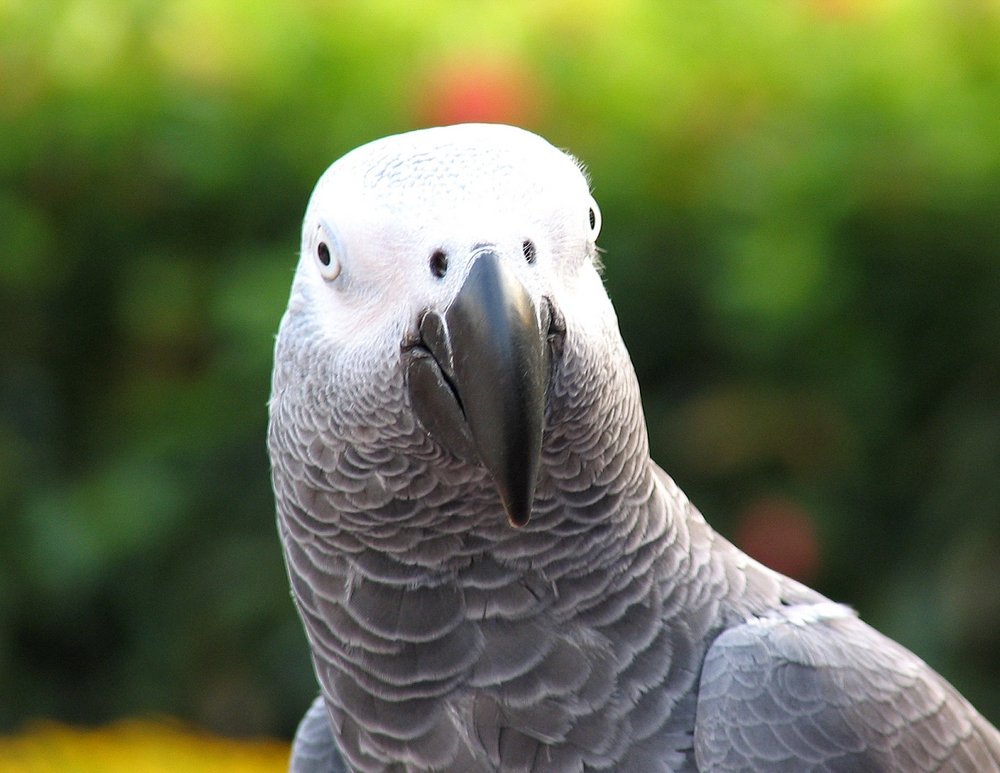
In their native Central and West African habitats, African Greys lead incredibly dynamic lives. They are highly social flock animals, engaging in intricate social interactions, vocal communication, and cooperative foraging. Their days are spent traversing vast distances, meticulously searching for a diverse diet of seeds, nuts, fruits, and tree bark. This involves cracking tough shells, stripping bark, and manipulating objects, all of which are cognitively demanding tasks. They also spend significant time exploring their surroundings, learning about their territory, and reacting to environmental changes. Every sound, movement, and object in the wild presents a learning opportunity and a challenge to be overcome.
When these birds are brought into captivity, often confined to cages, their natural instincts for foraging, exploration, and complex social interaction are severely curtailed. The typical domestic environment, even with a loving owner, rarely replicates the constant mental and physical stimulation inherent in their wild existence. This stark contrast between their evolutionary programming and their daily reality necessitates a deliberate and consistent approach to environmental enrichment. Enrichment, in this context, refers to providing dynamic, stimulating environments that encourage natural behaviors and promote psychological and physical well-being. It is an ethical imperative for responsible African Grey ownership, moving beyond basic care to foster a life of purpose and engagement for these intelligent creatures.
The Silent Scourge: Risks of Inadequate Stimulation
The consequences of insufficient enrichment for African Greys are profound and often manifest as a range of debilitating behavioral pathologies. When these highly intelligent birds experience chronic boredom, stress, or frustration due to a lack of mental and physical outlets, they can develop maladaptive coping mechanisms.
One of the most distressing and common issues is feather plucking, where a bird compulsively pulls out its own feathers, sometimes leading to bare patches or even self-mutilation of the skin. Studies, such as those by Meehan, Millam, and Mench (2003), have demonstrated a clear link between limited foraging opportunities and increased psychogenic feather picking in parrots. This behavior is not merely cosmetic; it is a serious indicator of psychological distress and can lead to secondary skin infections or other health complications.
Excessive screaming is another frequent complaint from owners. While some vocalization is natural, incessant or ear-piercing screaming often signals a bird’s unmet need for attention, stimulation, or a response to anxiety and boredom. Similarly, biting and aggression, which can be unpredictable and dangerous, often stem from frustration, fear, or a lack of appropriate outlets for their energy and intelligence. Inappropriate sexual attachment, where a bird fixates on a specific person, can also develop from a lack of diverse social and mental stimulation, leading to hormonal aggression and territoriality when routines or relationships shift. Seibert and Crowell-Davis (2001) highlighted gender effects on stereotypies in pet birds, reinforcing the species-specific needs.

Beyond these overt behavioral problems, chronic lack of enrichment can lead to a state of learned helplessness, where the bird becomes withdrawn, lethargic, and loses interest in its surroundings. Physically, a sedentary lifestyle without opportunities for climbing, chewing, and flying can result in obesity, muscle atrophy, and cardiovascular issues. The economic burden on owners to address these issues through veterinary care, specialized diets, and avian behaviorists can be substantial, underscoring that prevention through proactive enrichment is not only humane but also fiscally responsible. Avian welfare organizations consistently advocate for robust enrichment programs, emphasizing that mental stimulation is as critical to a parrot’s health as a nutritious diet and clean water.
Crafting a Dynamic Environment: Essential Enrichment Categories
Effective enrichment for African Greys must be multifaceted, targeting their diverse natural behaviors and cognitive abilities. This involves incorporating various categories of toys and activities designed to engage their senses, intellect, and physical prowess.
1. Foraging Enrichment:
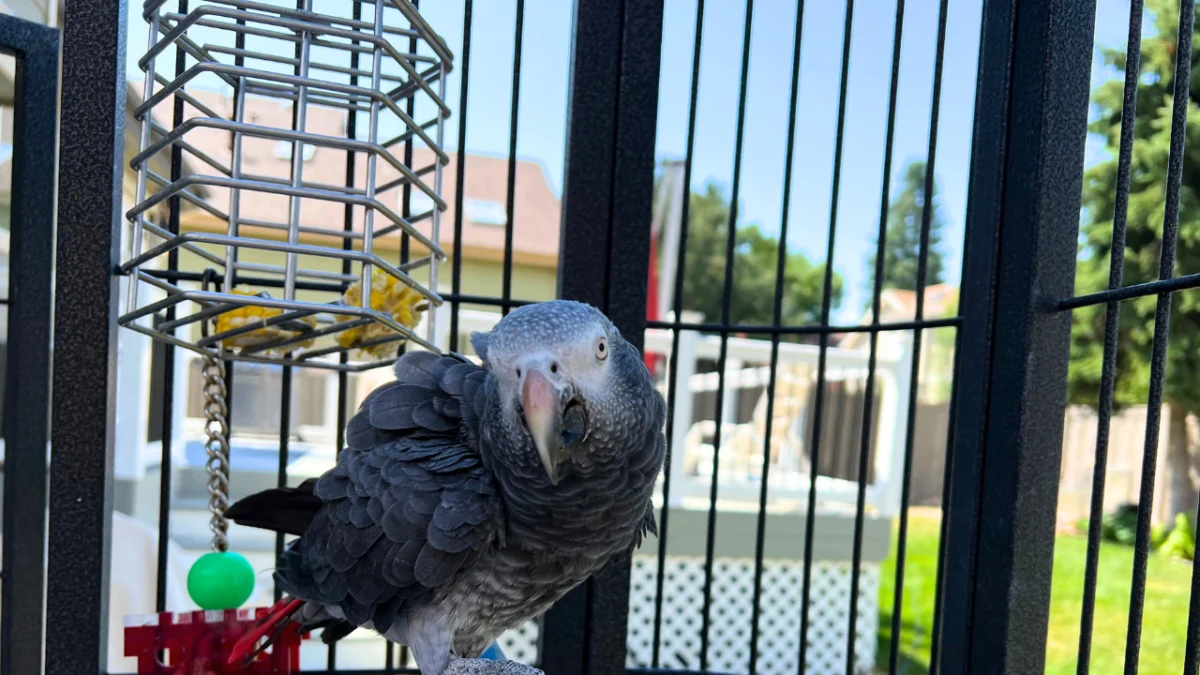
Mimicking the wild act of searching for food is paramount. Instead of simply presenting food in a bowl, foraging toys require the bird to problem-solve, manipulate objects, and expend effort to access their meals or treats. This process extends mealtime, provides mental stimulation, and prevents resource guarding that can sometimes arise from readily available food.
- Mechanism and Benefits: Foraging engages a parrot’s natural curiosity and intelligence, reduces boredom, and channels destructive tendencies into productive activities. It promotes fine motor skills and strategic thinking.
- Types of Foraging Devices: These range from simple, transparent containers with small openings that require tipping or nudging, to complex puzzle feeders that involve unscrewing bolts, sliding panels, or lifting lids. Brands like Caitec and Busy Bird offer durable, medium-sized options. Beginners can start with easily accessible food, gradually increasing the difficulty.
- DIY Options and Safety: Homemade foraging opportunities are highly effective and budget-friendly. This can include scattering treats in a shallow tray filled with bird-safe shredded paper, crumpled paper muffin cups, empty cardboard egg cartons, or non-toxic natural elements like clean leaves and pine cones. Always ensure materials are non-toxic, free of sharp edges, and large enough not to be accidentally ingested.
- Expert Recommendations: Avian nutritionists often advise integrating a significant portion of a bird’s daily diet into foraging activities, ensuring they "work" for their food as they would in nature.
2. Chew and Destructible Enrichment:
African Greys possess powerful beaks designed for cracking nuts and tearing through vegetation. Providing appropriate chew toys is crucial for beak health, stress relief, and satisfying their innate need to shred.
- Importance: Chewing helps to naturally trim and condition the beak, preventing overgrowth and associated discomfort. It also serves as a critical stress-reduction activity, allowing birds to release pent-up energy and anxiety. Many parrots also use chewing to satisfy nesting instincts.
- Preferred Materials and Rotation Strategies: Greys often favor softer, shreddable woods like balsa, yucca, and pine, as well as natural fibers such as palm leaf, seagrass, and cardboard. Offering a variety of textures and densities keeps interest high. Toys should be rotated weekly to maintain novelty and engagement. Once a toy is destroyed, it should be replaced, as the act of destruction itself is part of the enrichment.
- Safety Considerations: All chew toys must be made from bird-safe, non-toxic materials. Avoid toys with small, easily ingested parts that could cause impaction or choking. Ensure dyes are food-grade and non-toxic.
3. Cognitive and Sensory Enrichment:
These toys challenge a parrot’s intellect and engage their senses beyond just touch and taste.

- Puzzle Toys: These require manipulation and problem-solving to access a reward or simply to achieve a desired outcome. They provide a mental workout that can prevent boredom and build confidence. Start with simple puzzles and gradually introduce more complex ones as the bird learns.
- Auditory and Visual Stimulation: Many African Greys enjoy toys that make sound, such as bells, clackers, or rattles, which can become part of their self-invented games. Visual stimulation from window perches (with appropriate safety measures against drafts and direct sun) allows them to observe the outside world. Providing safe, bird-specific mirrors can also offer visual engagement, though care must be taken to monitor for signs of obsessive or aggressive behavior towards the reflection.
- The Role of Novelty: Introducing new items, even household objects like a crumpled piece of paper or an empty toilet paper roll (ensure no residue), can provide significant mental stimulation. The key is safe, supervised exposure to new textures, shapes, and sounds.
Beyond the Cage: Maximizing Out-of-Cage Time
Enrichment extends far beyond the confines of the cage, requiring a holistic approach that integrates various environments and interactions into the bird’s daily routine.
1. Strategic Cage Design:
The cage itself should be considered a primary enrichment zone, not just a holding cell.
- Optimal Cage Size and Material: African Greys require spacious cages, ideally with dimensions allowing them to fully spread their wings without touching the sides. Stainless steel or powder-coated wrought iron are preferred materials, ensuring durability and non-toxicity.
