

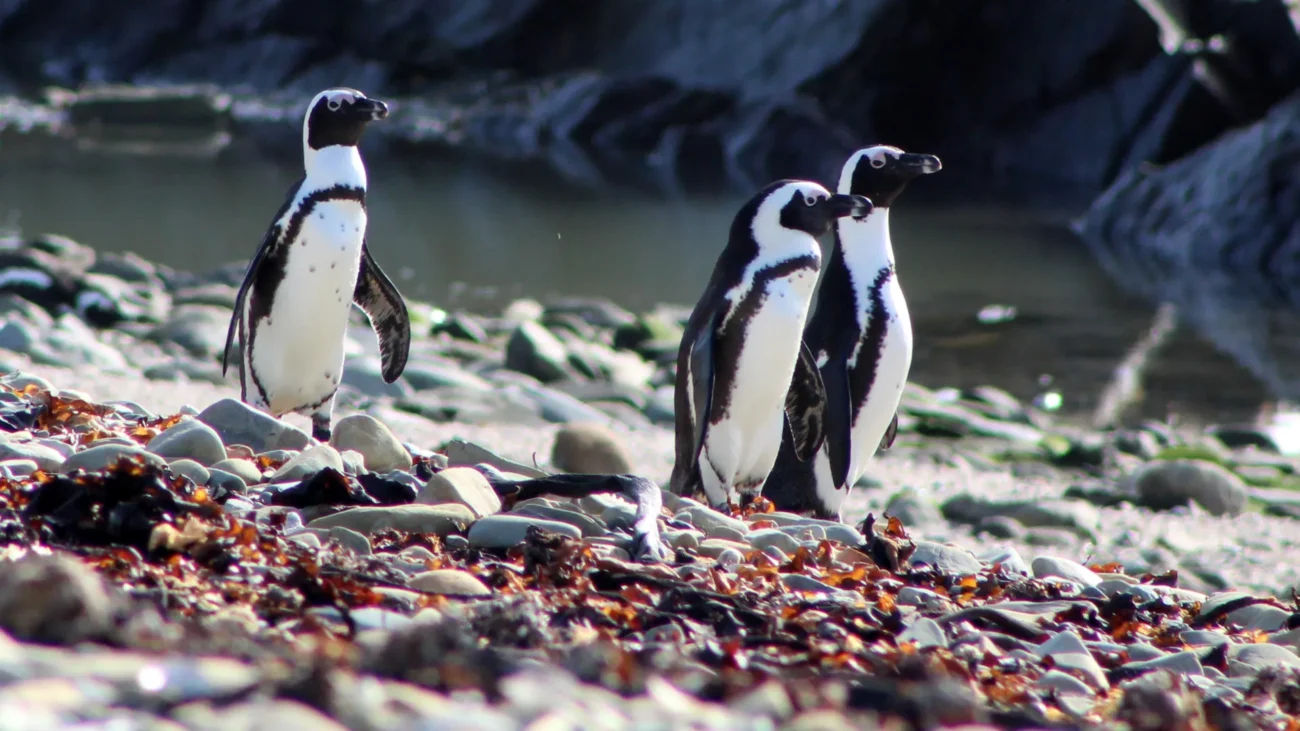
A groundbreaking study, spearheaded by the University of St Andrews, has illuminated a critical threat to the survival of the Critically Endangered African penguin (Spheniscus demersus). The research reveals that these iconic seabirds are significantly more likely to forage in the same waters frequented by commercial fishing vessels during years when their primary food sources are depleted. This heightened spatial overlap intensifies competition for dwindling prey, placing immense pressure on a species already teetering on the brink of severe decline. The findings, published on November 17 in the prestigious Journal of Applied Ecology, introduce a novel metric, "overlap intensity," which moves beyond simply identifying shared fishing grounds to quantifying the number of penguins affected by this interaction.
The Perilous Plight of the African Penguin
The statistics paint a stark picture of the African penguin’s precarious situation. Over the past three decades, their population has plummeted by an alarming 80%. A primary driver of this dramatic reduction is direct competition with local fisheries that target sardines and anchovies, the very fish that form the cornerstone of the penguins’ diet. These fisheries predominantly employ purse-seine nets, a method designed to encircle and capture schooling fish with a vast wall of netting.
Dr. Jacqueline Glencross, the lead author of the study and a researcher at the Scottish Oceans Institute at the University of St Andrews, articulated the impetus behind this vital research. "Our objective was to develop a more robust method for assessing the impact of fishing operations on penguin populations," she stated. "We needed to understand not just where the overlap occurred, but the actual scale of how many penguins were potentially impacted by these interactions."
Quantifying Competition: The "Overlap Intensity" Metric
The research team meticulously analyzed tracking data from African penguins residing on Robben Island and Dassen Island, two crucial breeding colonies off the coast of South Africa. This collaborative effort involved esteemed scientists from the University of Exeter, the South African Department of Forestry, Fisheries and the Environment, and BirdLife South Africa.
Their comprehensive analysis uncovered a profound correlation: a dramatic surge in the overlap between penguin foraging grounds and fishing vessel activity during periods of low fish abundance. In 2016, a year characterized by exceptionally low fish biomass, approximately 20% of the tracked penguins were observed feeding within the same operational areas as active fishing vessels. In contrast, during years with healthier fish stocks, this figure dwindled to a mere 4%.
This stark disparity underscores the heightened competition that emerges when prey becomes scarce. Such conditions are particularly perilous for African penguins, especially during the demanding chick-rearing season. At this critical juncture, adult penguins must efficiently locate and secure food to nourish their rapidly growing young, making any competition for their essential prey all the more detrimental.
A Timeline of Decline and Conservation Efforts
The decline of the African penguin is not a recent phenomenon. Decades of mounting pressures have contributed to their current endangered status.
- Mid-20th Century Onwards: Commercial fishing for sardines and anchovies intensified along the South African coast, directly impacting the availability of prey for African penguins.
- Late 20th Century – Early 21st Century: Significant population declines became increasingly evident, raising alarm bells among conservationists. Studies began to highlight the link between fishing pressure and penguin numbers.
- 2010s: Research efforts, including the study now published in the Journal of Applied Ecology, intensified to better understand the complex interactions between fisheries and penguin foraging. The concept of "overlap intensity" emerged as a crucial new tool.
- 2023: A landmark legal case in South Africa brought the issue of insufficient fishing restrictions near penguin breeding sites to the forefront. This led to a high court agreement between conservation groups and the fishing industry, acknowledging the necessity of fishery closures. The South African government subsequently reinstated more ecologically meaningful no-fishing zones near Robben Island.
The study by the University of St Andrews provides crucial scientific backing for these conservation measures. Dr. Glencross emphasized, "This research unequivocally demonstrates the necessity of these fishery closures. Areas that were previously unprotected, but where we observed high overlap intensity, were precisely the areas where penguins faced the greatest risks."
A New Tool for Ecosystem-Based Management
The development of the "overlap intensity" metric represents a significant advancement in conservation science. This tool offers a more nuanced understanding of the ecological risks posed by fisheries to vulnerable species like the African penguin. It is poised to play a pivotal role in guiding the implementation of effective ecosystem-based fishery management strategies.
Furthermore, these findings strongly support the establishment and refinement of dynamic marine protected areas. Such adaptive management approaches would allow for the designation of fishing restrictions that can respond in real-time to fluctuations in predator and prey behavior, offering a more flexible and effective conservation solution.
Legal Battles and Renewed Hope for Fishery Closures
The African penguin has recently been at the center of a significant legal challenge in South Africa. Conservation organizations, alongside representatives from the fishing industry, engaged in a high court case that critically examined the perceived inadequacy of fishing restrictions implemented near penguin breeding sites.
Earlier this year, a pivotal agreement was reached in the high court. This landmark decision acknowledged the urgent need for comprehensive fishery closures in the vicinity of penguin colonies. In direct response to this ruling, the South African government has moved to reinstate more biologically significant no-fishing zones around Robben Island, one of the key breeding locations studied by the University of St Andrews research team.
Broader Implications: A Call for Integrated Conservation
The implications of this research extend far beyond the immediate plight of the African penguin. It underscores the complex interdependencies within marine ecosystems and the critical need for integrated management approaches that consider the needs of both human industries and vulnerable wildlife.
The study’s findings offer a compelling argument for a shift towards more precautionary and adaptive fishing practices. This includes:
- Dynamic Fishery Closures: Implementing fishing closures that are not static but can be adjusted based on real-time ecological data, such as fish stock levels and predator distribution.
- Spatial Planning: Developing marine spatial plans that strategically balance fishing activities with the protection of critical foraging and breeding grounds for marine life.
- Prey Stock Assessments: Investing in robust and ongoing assessments of sardine and anchovy populations to better inform sustainable fishing quotas and identify periods of scarcity.
- Reduced Fishing Effort During Critical Periods: Exploring mechanisms to temporarily reduce fishing effort in specific areas during peak penguin breeding seasons or during periods of known prey scarcity.
The success of the recent legal agreements and the subsequent reinstatement of fishing closures near Robben Island offer a glimmer of hope. However, the long-term survival of the African penguin will depend on the consistent application of science-based conservation measures and a commitment to minimizing human impact on their fragile ecosystem. The "overlap intensity" metric provides a vital, data-driven tool to ensure that conservation efforts are targeted and effective, offering a renewed chance for this beloved species to recover from the brink. The ongoing collaboration between scientists, conservationists, government agencies, and industry stakeholders will be paramount in securing a future for the African penguin in the face of increasing environmental challenges.
