

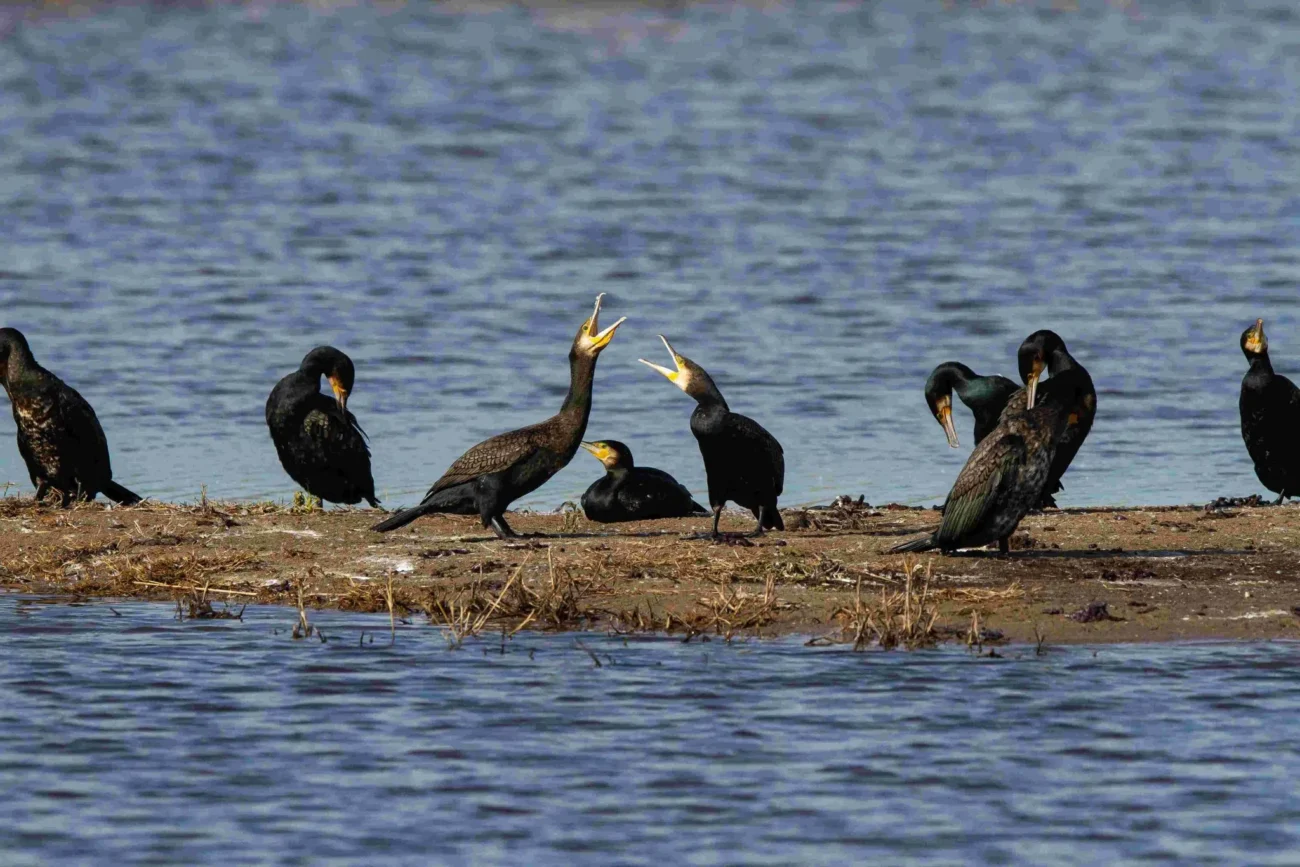
Al Siniyah Island, a vital coastal habitat located just east of Umm Al Quwain in the United Arab Emirates, is home to one of the largest breeding colonies of the Vulnerable Socotra Cormorant, a species of significant ecological concern. This ecologically rich island, characterized by its extensive mangrove forests, seasonal wetlands, and a wealth of archaeological sites, also serves as a critical sanctuary for dugongs, green turtles, and a diverse array of migratory birds traversing the African-Eurasian Flyway. However, this delicate ecosystem is increasingly imperiled by a confluence of environmental and developmental pressures, underscoring the urgent need for sustained protection and rigorous monitoring efforts.
The Ecological and Historical Significance of Al Siniyah Island
Stretching approximately eight kilometers in length, Al Siniyah Island is separated from the mainland by the Umm Al Quwain Creek, establishing it as one of the largest islands within the emirate. Its landscape is predominantly flat, supporting a variety of vegetation including significant mangrove stands, resilient Ghaf trees, and ephemeral shrubs that flourish with seasonal rains. Beyond its ecological importance, the island holds profound historical and cultural value, evidenced by the presence of around 65 archaeological sites. These include ancient graves, shell middens, and defensive towers, alongside a seventh-century AD church and monastery, offering a tangible link to the region’s past.
The island’s shallow marine environments are particularly crucial. Extensive seagrass meadows, salt flats, and coastal wetlands form some of the most productive ecosystems in the Arabian Gulf. These habitats are indispensable for a multitude of marine species, providing essential food and shelter. The seagrass meadows, a primary food source for sea turtles, especially the green turtle, are also the principal feeding grounds for dugongs. The UAE boasts the world’s second-largest dugong population, after Australia, with these gentle marine mammals relying almost exclusively on seagrass for sustenance.
A Key Biodiversity Area and a Haven for Seabirds
Al Siniyah Island has earned recognition as one of the most significant seabird sites in the Arabian Gulf. This distinction was further solidified by its recent designation as a Key Biodiversity Area (KBA) in the United Arab Emirates. This designation, guided by the global criteria established by BirdLife International and its partners, highlights the island’s exceptional value in supporting large breeding colonies of seabirds. Moreover, it underscores its role as a vital stopover point for migratory birds, with dozens of seabird and waterbird species recorded annually along their arduous journeys.
The Socotra Cormorant: A Vulnerable Species Finds Refuge
The island is particularly renowned for harboring one of the most important habitats for the Socotra Cormorant (Phalacrocorax nigrogularis). This tropical seabird, endemic to the region, is classified as Vulnerable on the International Union for Conservation of Nature (IUCN) Red List. Al Siniyah Island hosts one of the species’ largest breeding colonies, benefiting from improved shaded areas and abundant food sources. The success of these colonies is regularly assessed using modern bird monitoring techniques.
Limited studies have provided insights into the population dynamics of the Socotra Cormorant on Al Siniyah. A study published in Waterbirds in 2012 reported approximately 15,500 breeding pairs during the breeding season. More recent research, including a 2017 study titled "Breeding Population Biology," estimated around 28,000 breeding pairs in 2011, with numbers showing a significant increase to over 41,000 pairs by 2014. These figures highlight the island’s critical importance in the conservation of this vulnerable species.
A Vital Corridor on the African-Eurasian Flyway
Al Siniyah Island plays a crucial role as a stopover point on the African-Eurasian Flyway, a critical migratory route connecting breeding grounds in Europe and Asia with wintering areas in Africa. The island provides essential safe havens for birds to rest and refuel before continuing their demanding migratory journeys. This makes it a magnet for a diverse avian population, attracting resident species, those breeding regionally, and a multitude of migratory or seasonally visiting birds.

The island also supports several protected species. The White-cheeked Tern (Sterna repressa), classified as Near Threatened, frequently nests in sandy colonies, often in proximity to cormorant sites. The Sooty Gull (Larus hemprichii), a resident species of coastal and mudflat areas, is also a common sight. The Crab-plover (Dromas ardeola), listed as Near Threatened, relies on tidal areas for its diet of molluscs and crustaceans. Seasonal visitors include the Grey Heron and the Glossy Ibis, both of which utilize the island’s mangroves and coastal wetlands for foraging.
The island’s vegetation itself is instrumental in sustaining wildlife and maintaining ecological equilibrium. The mangroves, in particular, provide vital natural habitats, shade, and protection for bird colonies, especially during their breeding cycles. The island’s semi-desert coastal ecosystems are characterized by salt- and drought-tolerant plants that help stabilize the sandy terrain and prevent erosion along the creeks and wetlands. Al Siniyah is also home to unique terrestrial fauna, including the Arabian subspecies of the Red Fox, Arabian Sand Gazelles, and various reptiles such as lizards and agamas. Coastal crustaceans and crabs also thrive, all dependent on the island’s rich natural habitats.
Emerging Threats to Al Siniyah’s Biodiversity
Despite its ecological significance, Al Siniyah Island faces several pressing threats that jeopardize its unique biodiversity. A primary concern for the Socotra Cormorant is predation by the native Arabian Red Fox (Vulpes vulpes arabica). Studies have revealed the devastating impact of this predation on breeding success. Research published in Wildlife Biology in 2018, which employed camera traps to monitor 24 foxes on the island, found that Socotra Cormorants and their eggs constituted approximately 80% of the foxes’ diet during the breeding season. It was estimated that foxes killed over 3,500 cormorants in a single breeding season.
In addition to predation, Al Siniyah Island’s ecosystems are increasingly vulnerable to broader pressures common to many islands in the Arabian Peninsula. These include the escalating impacts of urban and tourism development, the pervasive effects of climate change, and unchecked human activities. These challenges collectively threaten the island’s wildlife, particularly species that are highly sensitive to disturbances at their nesting sites.
The Imperative for Conservation and Future Outlook
The ongoing threats necessitate a robust and multi-faceted approach to conservation. Continuous monitoring of wildlife populations and their habitats is essential. Furthermore, strict enforcement of national regulatory frameworks, which mandate high standards for environmental impact assessments and the regulation of human activities, is crucial. The protection of critical habitats must be prioritized to safeguard the island’s invaluable ecological and cultural heritage and to maintain its status as a key biodiversity hotspot in the region.
BirdLife Middle East, through its strategic initiative for the protection and sustainability of coastal wetlands in the Arabian Peninsula, is actively working to bolster scientific research and foster regional cooperation in safeguarding these unique ecosystems. This initiative focuses on comprehensively assessing habitats, meticulously documenting biodiversity, and identifying the most critical threats. The ultimate goal is to pave the way for effective conservation and restoration of these vulnerable areas. The initiative also champions collaboration among governments, non-governmental organizations, and international bodies to ensure sustainable actions that address unregulated urban growth, mitigate the impacts of climate change, combat industrial pollution, and protect biodiversity intrinsically linked to local cultures, while simultaneously enhancing ecosystem resilience.
The protection of Al Siniyah Island is a collective responsibility that demands coordinated efforts from all stakeholders, including government agencies, conservation organizations, and the local community. By working together, these entities can ensure the preservation of its unique ecological value as a critical habitat for the Socotra Cormorant, numerous other seabird species, and migratory birds that rely on the Arabian Gulf and the broader Middle East region. The island’s future as a thriving sanctuary depends on these concerted actions.
