


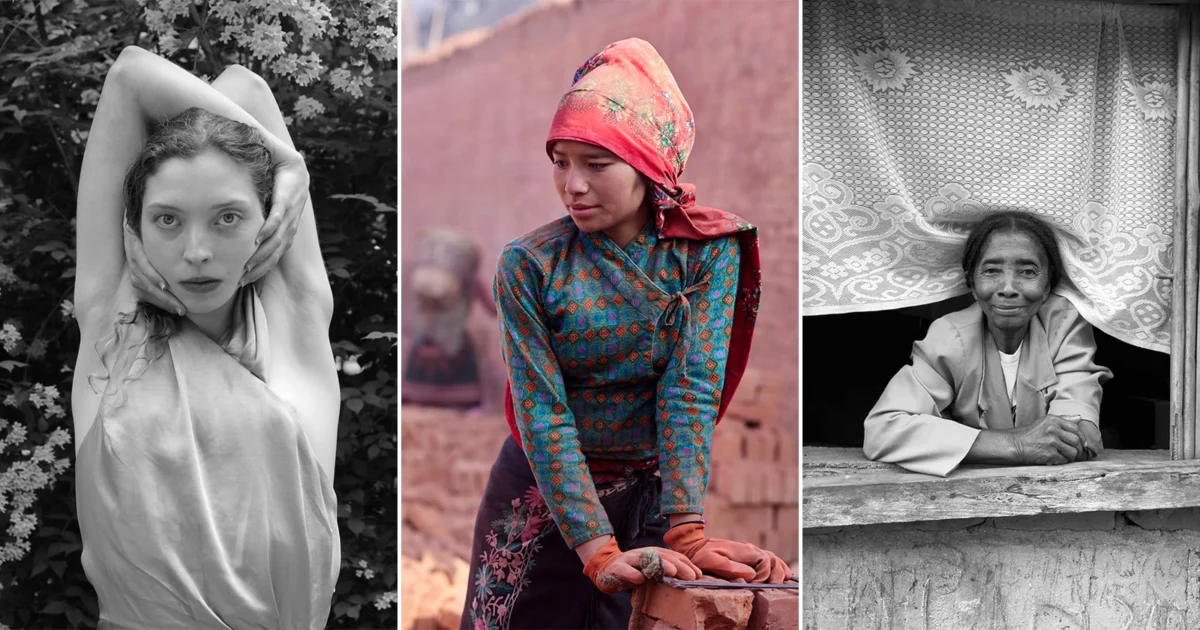
The international photography organization All About Photo (AAP) has officially released the results of its latest competition, culminating in the publication of AAP Magazine 55: Women. This special edition serves as a curated exploration of the diverse lived experiences, struggles, and triumphs of women across the globe, captured through the lenses of both emerging and established photographers. By dedicating an entire issue to this theme, AAP continues its institutional mission of amplifying underrepresented narratives and providing a platform for visual storytelling that challenges conventional social paradigms. The competition, which attracted entries from dozens of countries, emphasizes a dual focus on technical excellence and the profound emotional resonance of the subject matter.
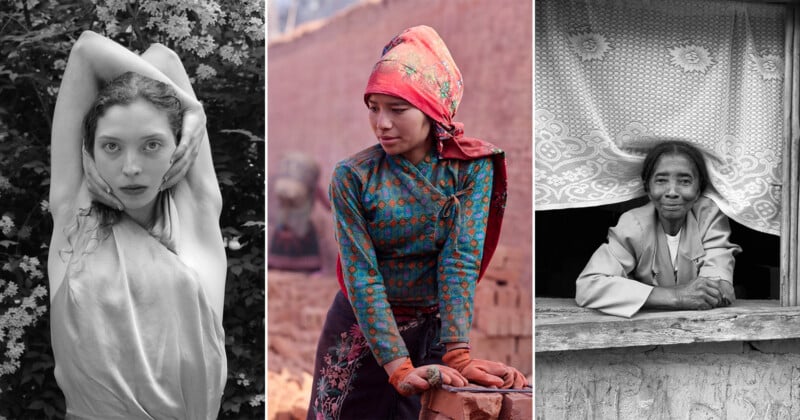
The Laureates: Artistic Vision and Social Resistance
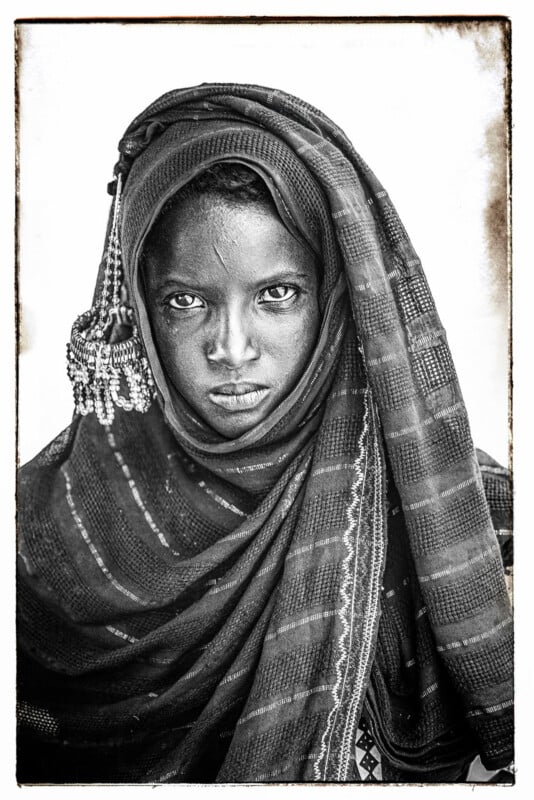
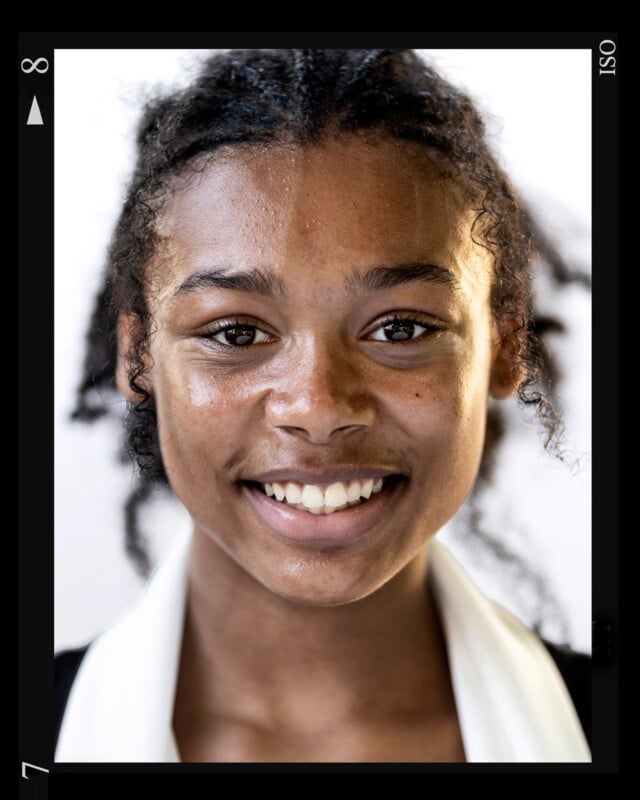
The first-place prize was awarded to Silvia Alessi, an Italian photographer whose series, The Cut, offers a harrowing yet poetic examination of identity and resistance in the face of systemic oppression. Alessi’s work centers on the symbolic power of hair within the context of Afghan women’s lives. The winning portrait features a young Afghan girl who traveled unaccompanied to Pakistan, a journey that Alessi uses to illustrate the intersection of extreme vulnerability and defiant strength.
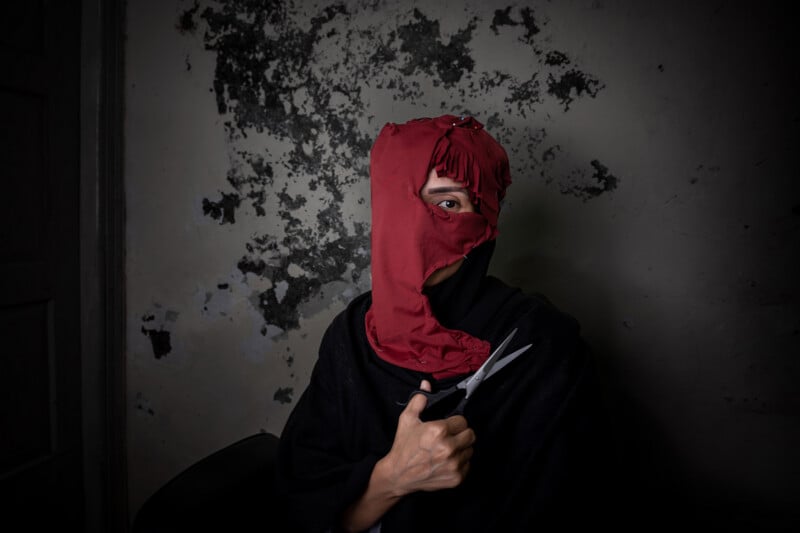
Beyond the individual portrait, Alessi’s broader project documents the clandestine operations of beauty salons in Afghanistan under Taliban restrictions. In these hidden spaces, the act of styling hair or applying makeup transcends vanity, becoming a quiet form of rebellion and a means of reclaiming bodily autonomy. Alessi utilizes a sophisticated blend of documentary realism and staged conceptualism to highlight the female body as a site of political negotiation. Her work suggests that even in environments of total surveillance, the preservation of self-expression remains a vital tool for survival.
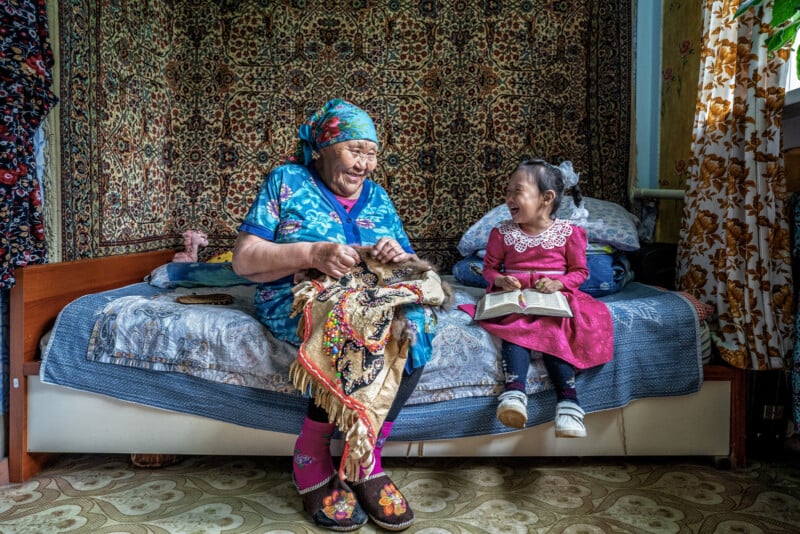
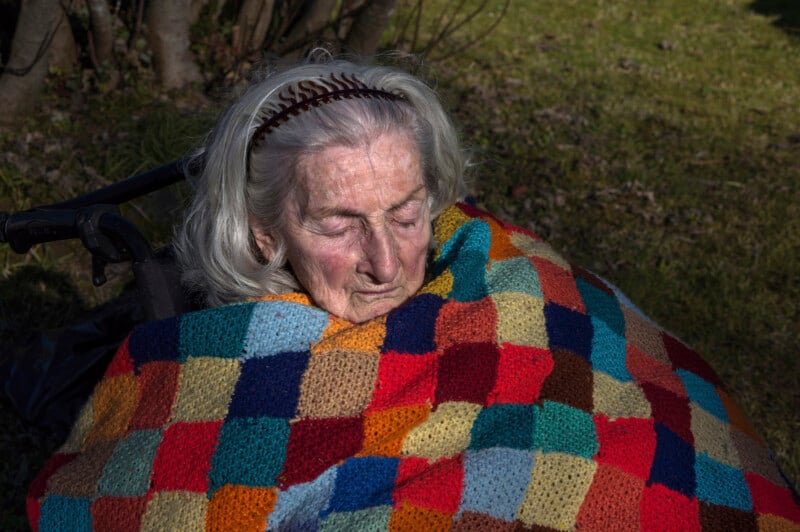
Natalya Saprunova, representing the dual cultural perspectives of France and Russia, secured second place for her evocative series Boreal People. Saprunova’s lens focuses on the Evenki people of Yakutia, located in the remote regions of Eastern Siberia. The featured image portrays 80-year-old Galina Lazareva, a craftswoman who balances the rigors of indigenous life with the care of her great-granddaughter. The photograph captures a moment of cultural transmission, as Lazareva utilizes traditional embroidery and the creation of handmade garments to instill ancestral knowledge in the younger generation. Saprunova’s work is a testament to the resilience of indigenous women who act as the primary custodians of heritage in rapidly changing or hostile environments.
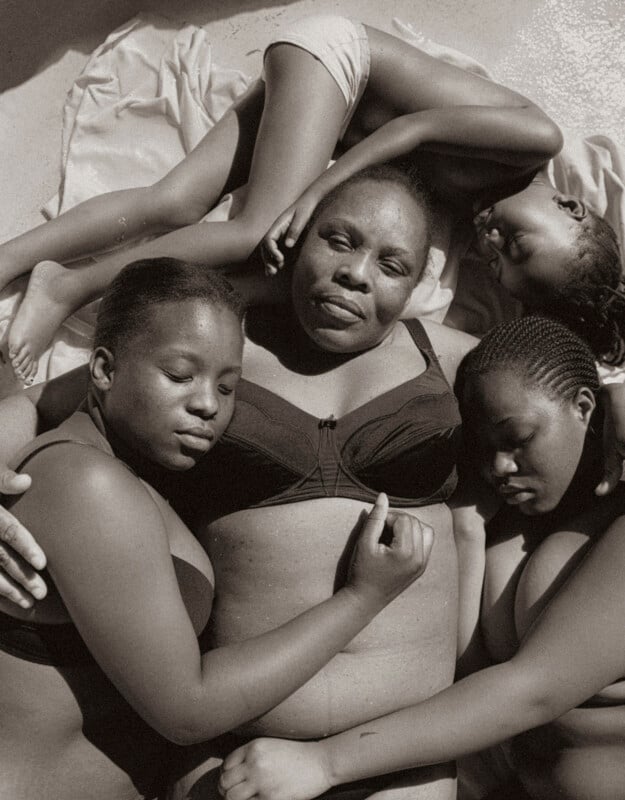
Third place was awarded to Estonian photographer Angelika Kollin for her series titled You Are My Mother. Kollin’s work moves away from the geopolitical to the interpersonal, focusing on the concept of the matriarch within African family structures. Her portrait of a woman named Cynthia serves as a visual anchor for the invisible labor of caregiving. Kollin argues that the stability of entire communities often rests on the shoulders of women whose daily efforts in maintaining familial bonds and social cohesion are rarely recognized on a global stage. The monochromatic intimacy of her portraits elevates the domestic sphere to a place of monumental importance.
Merit Awards and the Breadth of Global Narratives
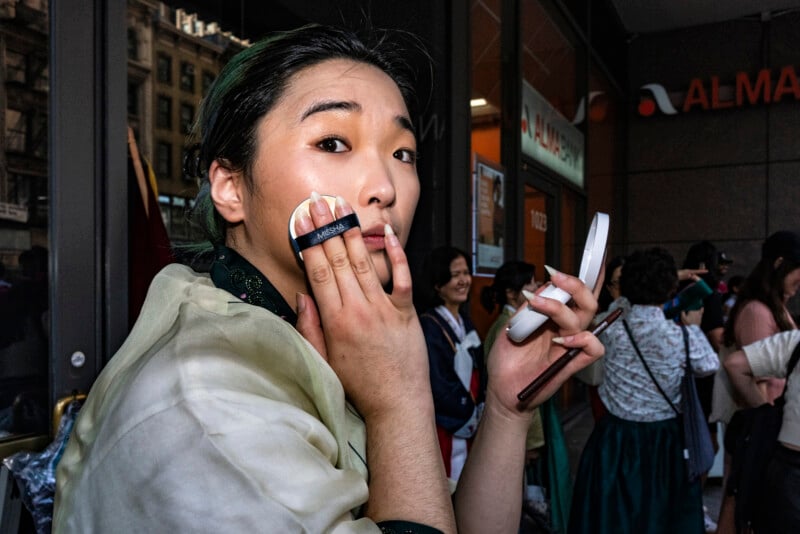
The Merit Awards Gallery in AAP Magazine 55 further expands the scope of the publication, featuring photographers who document the socioeconomic and cultural realities of women in diverse geographical contexts. These works collectively provide a panoramic view of contemporary womanhood, ranging from the physical endurance of manual labor to the nuances of urban identity.
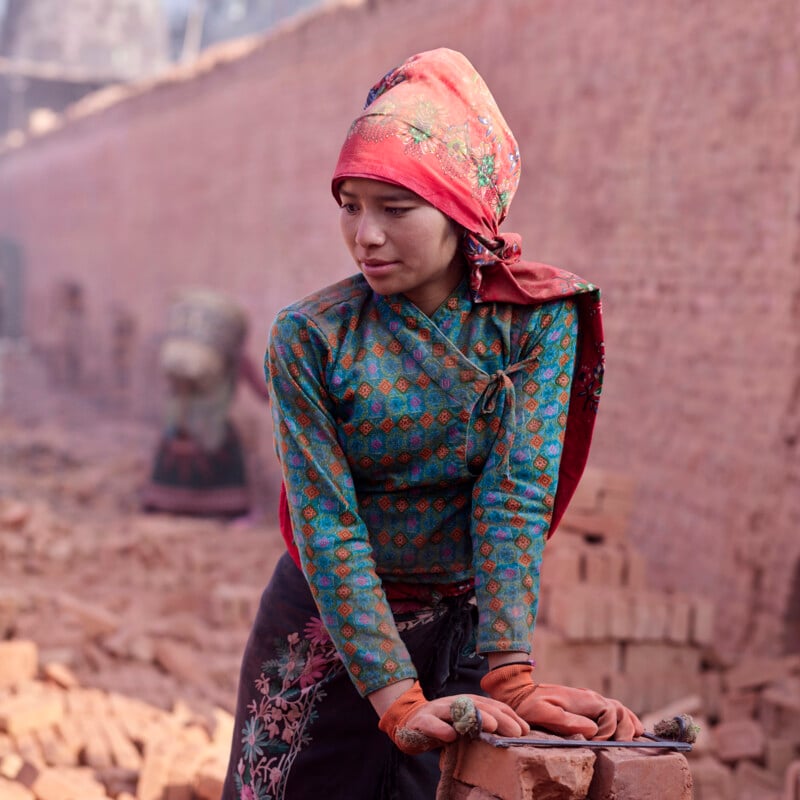
Indian photographer Somenath Mukhopadhyay contributed a series titled Colorful Burden, which utilizes staged imagery to draw attention to the grueling daily routines of women working in China Clay mines. By contrasting the vibrant colors of traditional attire with the harsh, dusty environment of the mines, Mukhopadhyay highlights the persistent inequality in labor distribution. Similarly, Swedish photographer Sebastian Sardi explores the physical toll of industry in his documentation of young women working in the brick kilns of Kathmandu, Nepal. Sardi’s work emphasizes the socioeconomic necessity that drives women into high-intensity labor, often at the expense of their long-term health and education.
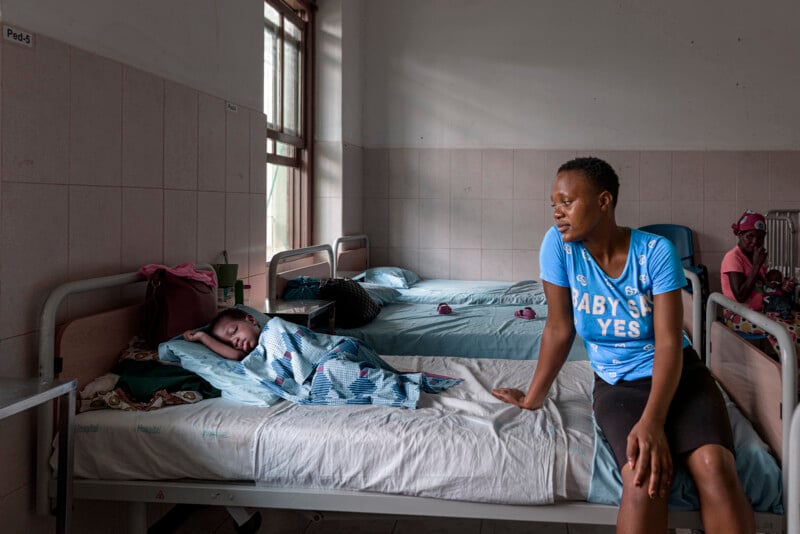
In the realm of public health and humanitarian photography, Italian artist Ezio Gianni Murzi documented the Carmelo Hospital in Mozambique. His images focus on HIV-positive mothers and their children, illustrating the vital role of compassionate medical care and community support in mitigating the impact of the epidemic. Murzi’s work moves beyond the clinical, capturing the emotional bond between mother and child in the face of chronic illness.
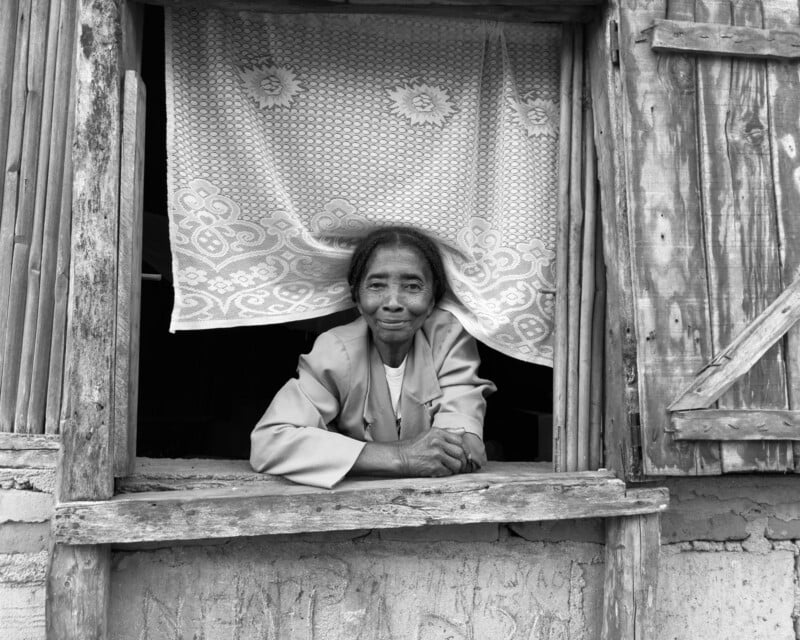
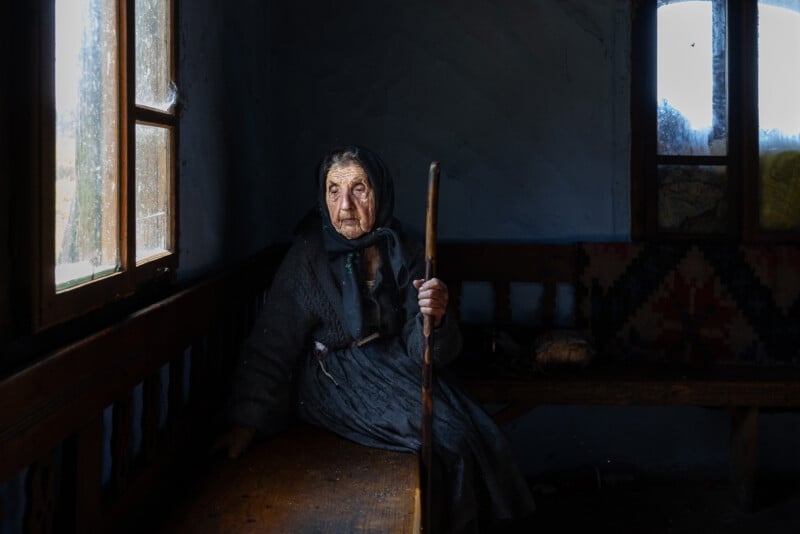
The issue also explores the lives of elderly women in rural Europe. Ron Cooper’s portraits of women in isolated Romanian villages highlight a different kind of resilience—that of the solitary life sustained by faith and tradition. These images serve as a counter-narrative to the fast-paced, youth-centric focus of modern urban society, offering instead a meditation on aging, memory, and the endurance of the spirit.
Identity, Migration, and the Evolving Self
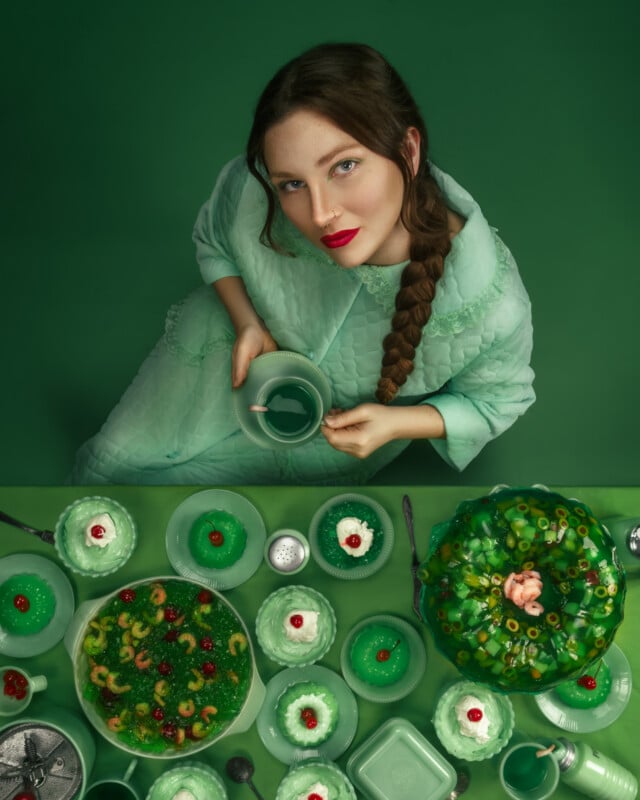
A significant portion of AAP Magazine 55 is dedicated to the exploration of personal identity and the impact of migration. Aline Smithson’s staged portraits of immigrants in Los Angeles seek to restore a sense of dignity and historical weight to individuals often marginalized by the American political discourse. Her work emphasizes the transnational nature of modern identity, where heritage and new beginnings are inextricably linked.
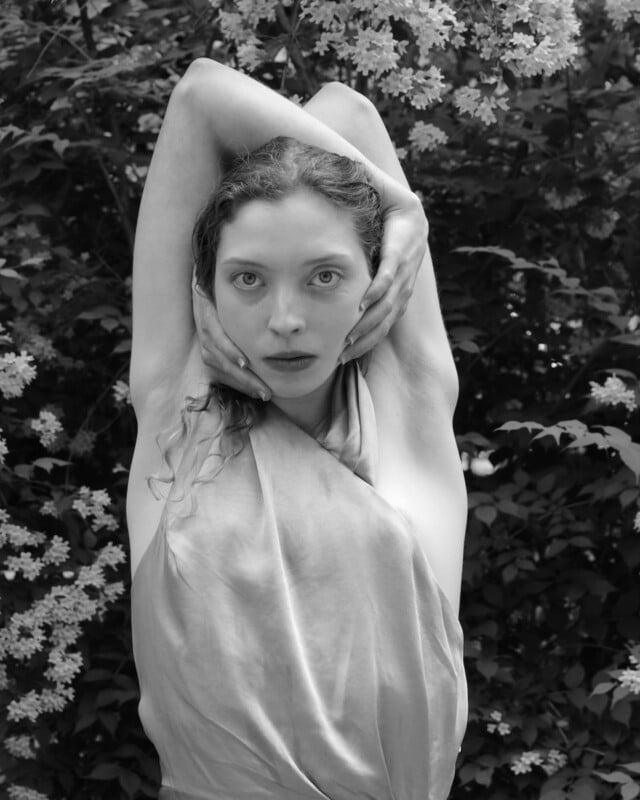
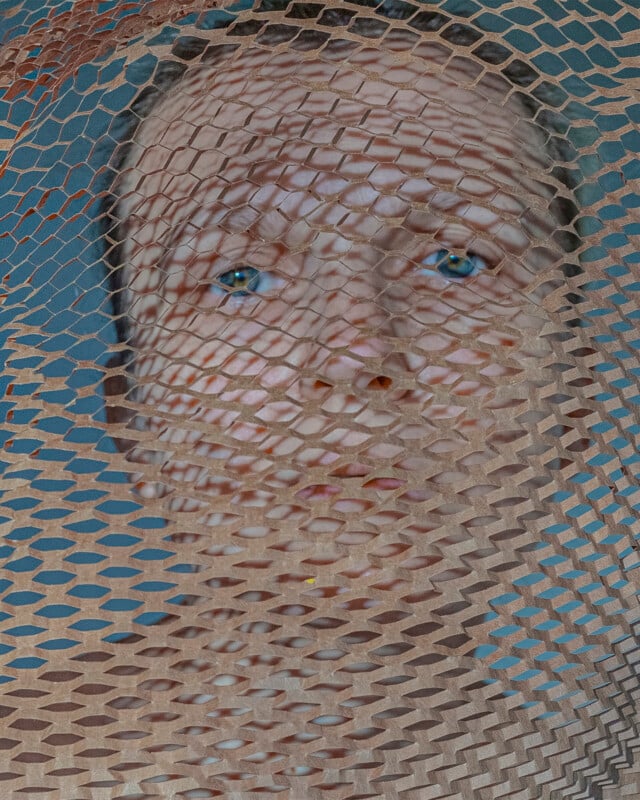
Oksana Zhila and Leonie van der Helm utilize more conceptual approaches to explore the female experience. Zhila’s self-portraits, created following her migration, use distortion and layering to question the stability of the self in a new environment. Van der Helm’s series, Naked with the Truth, treats the female body as a living archive, suggesting that trauma and history are physically inscribed upon the skin.
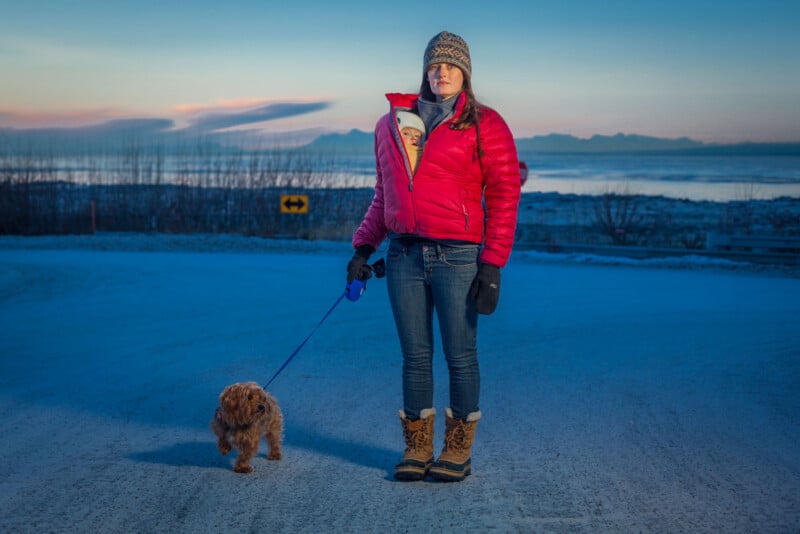
The publication also includes works that intersect with policy and legislation. Cheryl Clegg’s series on the legacy of Title IX in the United States uses portraiture to examine how legislative changes have empowered generations of women in sports and academia. By connecting personal success stories to broader legal frameworks, Clegg illustrates the tangible impact of institutional reform on individual lives.
Chronology and the Judging Process
The selection process for AAP Magazine 55: Women began several months prior to publication with an open call for entries. All About Photo utilizes a rigorous blind jury process to ensure that selections are made based on the strength of the visual narrative rather than the reputation of the photographer. The judging panel, typically composed of industry experts, curators, and editors, evaluates thousands of submissions from across the globe.
- Submission Phase: Photographers submitted portfolios or individual images centered on the theme of "Women."
- Initial Screening: A preliminary review to ensure technical standards and thematic relevance.
- Jury Deliberation: The panel narrowed the field to the top three winners and approximately 20 merit award recipients.
- Curation and Printing: The selected works were arranged to create a cohesive narrative flow for the physical and digital editions of the magazine.
- Official Announcement: The public reveal of winners, accompanied by cash prizes for the top three laureates.
Industry Context: The Gender Gap in Professional Photography
The release of this special edition comes at a time of heightened scrutiny regarding gender representation within the photography industry. According to data from organizations such as Women Photograph, while women make up a significant percentage of photography students, they remain underrepresented in high-level editorial assignments and major gallery exhibitions.
Statistics from the 2023 World Press Photo Contest indicated that while female participation is rising, women still account for less than 30% of total entrants in major international competitions. In the commercial sector, the disparity is often even more pronounced. Initiatives like AAP Magazine 55 are designed to counteract these trends by providing dedicated spaces where the female perspective is not just an occasional feature but the central focus.
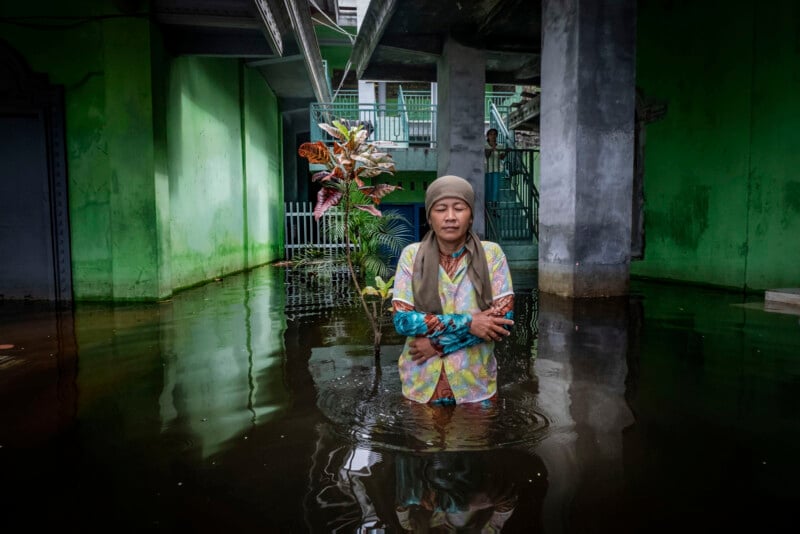
Industry analysts suggest that specialized competitions help build the "visual literacy" of the public, encouraging viewers to look beyond stereotypical depictions of women as either victims or aesthetic objects. By showcasing women as laborers, resistors, caregivers, and creators, AAP contributes to a more complex and accurate global visual record.
Broader Impact and Implications
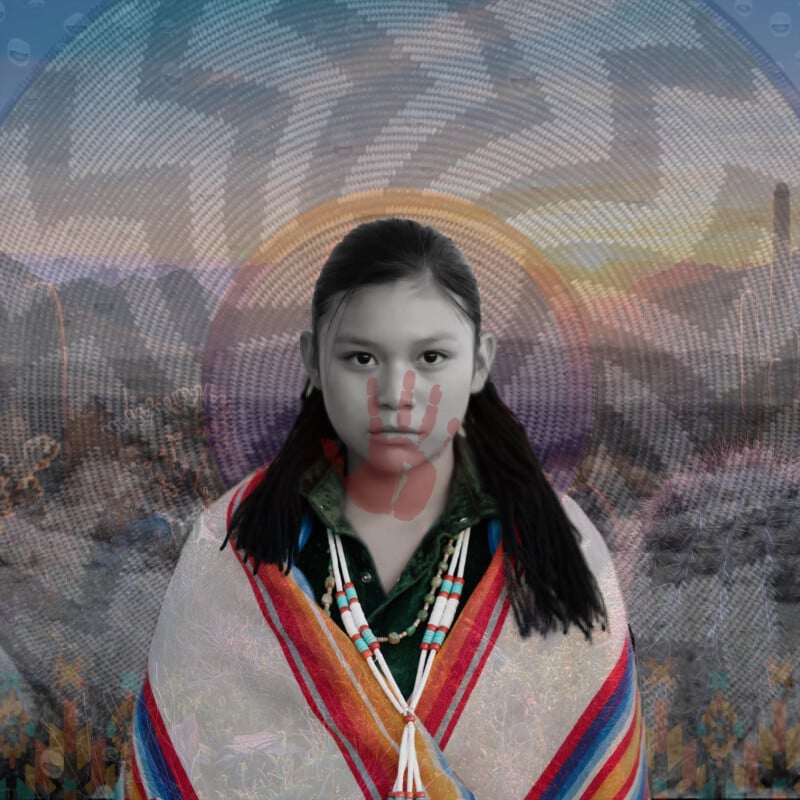
The images curated in AAP Magazine 55: Women serve a function beyond mere aesthetic appreciation; they act as historical documents of a pivotal era in gender relations. From the regressive policies in Afghanistan to the preservation of indigenous cultures in Siberia, the collection highlights the diverse ways in which women navigate power structures.
The inclusion of photographers from various backgrounds—such as Justin Roque in France, Ingetje Tadros in Australia, and Mary Dondero in the United States—ensures that the "female experience" is not presented as a monolith. Instead, the magazine emphasizes that womanhood is shaped by a myriad of factors, including class, race, geography, and age.

Furthermore, the $1,000 cash prizes awarded to the top three winners provide essential financial support in an industry where funding for long-term documentary projects is increasingly scarce. This support allows photographers like Silvia Alessi and Natalya Saprunova to continue their deep-dive investigations into social issues that might otherwise remain overlooked by mainstream media outlets.
As All About Photo continues its publication cycle, the "Women" issue stands as one of its most significant contributions to contemporary photographic discourse. It reinforces the idea that the camera is a tool of empowerment, capable of capturing the subtle nuances of human existence and fostering a deeper understanding of the shared challenges and unique triumphs of women worldwide. Through this collection, the organization reaffirms its commitment to visual excellence and social consciousness, ensuring that these powerful voices are heard and preserved for future generations.
