

The American Federation of Aviculture (AFA) has officially launched its conservation agenda for the 2024-2025 cycle, marking a significant expansion of its efforts to protect wild parrot populations in their native habitats. Central to this year’s initiative is a renewed and bolstered partnership with Harrison’s Bird Foods, a long-standing supporter of avian welfare and environmental stewardship. This collaboration has been solidified by a recent $25,000 donation presented to AFA Chief Financial Officer Janice Lang by representatives of Harrison’s Bird Foods. These funds are earmarked to facilitate small grants for field biology, research, and conservation projects that align with the AFA’s mission to ensure the long-term survival of exotic birds both in the wild and in managed care.
As a non-profit 501(c)3 educational organization, the AFA has spent decades bridging the gap between private aviculture and international conservation. The 2024-2025 program emphasizes the "Conservation Partner" model, inviting individuals and organizations to contribute to a pool of resources that are redistributed to high-impact, grassroots projects. These partners receive recognition in the AFA Watchbird Journal and on the organization’s digital platforms, creating a transparent ecosystem of philanthropy and scientific progress.
Strategic Conservation Projects for the 2024-2025 Cycle
The AFA Conservation Committee has identified several critical projects for the current funding cycle, focusing on species that face immediate threats from poaching, habitat loss, and environmental competition.
The Chajul Biology Station and Scarlet Macaw Recovery
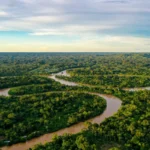
In the Lacandon rainforest of southern Mexico, the Chajul Biology Station, operated by Natura Mexicana, continues its vital work saving the wild Scarlet Macaw (Ara macao). This region has historically suffered from near-zero fledgling rates due to intensive poaching for the illegal wildlife trade. The 2024 fundraising goal for this specific project is $5,000, which will be utilized to procure essential medical and husbandry equipment, including incubators, brooders, and gram scales. Since its inception, the program has successfully fledged and released over 150 Scarlet Macaws back into the wild, utilizing a rigorous protocol of nest monitoring and hand-rearing of at-risk hatchlings.
Selva Maya Living Landscape Program
In Guatemala, the AFA supports the Wildlife Conservation Society (WCS) through the Selva Maya Living Landscape Program. Since 2002, the WCS has worked within the Maya Biosphere Reserve to mitigate threats to Scarlet Macaws. Current efforts are focused on experimental interventions designed to increase chick survivability. By implementing threat-based interventions and direct population enhancements, the program seeks to bolster recruitment rates in one of Central America’s most biodiverse corridors.
Innovative Mitigation: The Push-Pull Bee Protocol
One of the more unique scientific endeavors supported by the AFA is the research led by Principal Investigator Caroline A. Efstathion regarding the protection of parrot nest boxes from Africanized honey bees. The "push-pull" method utilizes a bird-safe insecticide, permethrin, to repel scout bees from avian nesting sites (the "push") while simultaneously attracting them to pheromone-baited traps (the "pull"). This research is critical because honey bee colonization often leads to nest failure or the death of parrot chicks. The AFA’s support helps fund the application of these protocols in various field locations, with the ultimate goal of publishing standardized methods that conservationists worldwide can implement independently.
Physiological Research in the Tambopata Region
In Peru, the AFA is contributing to the investigation of wild parrot health and mortality led by J. Jill Heatley, Lizzie Ortiz-cam, and Donald Brightsmith. This project utilizes i-STAT analyzers to determine electrolytes, venous blood gases, and calcium levels in wild macaws directly in the field. These data provide a physiological baseline for both nestlings and free-flighted adults, offering insights that are directly applicable to avian veterinary medicine. Furthermore, the research investigates the theoretical reasons behind "clay lick" usage, testing whether birds visit these sites for necessary electrolytes—a finding that could revolutionize the formulation of diets for companion avian species.
A Legacy of Avian Advocacy: The History of the AFA
To understand the AFA’s current conservation trajectory, one must look to its origins in the early 1970s. The organization was born out of a crisis: an outbreak of Exotic Newcastle Disease in California. During this period, the United States Department of Agriculture (USDA) euthanized thousands of healthy exotic birds in private collections to contain the spread. In response, the State of California proposed legislation that would have effectively banned the private ownership of exotic birds.
In March 1974, bird owners and clubs united to form the American Federation of Aviculture as an "umbrella" organization to defend the rights of aviculturists and promote scientific husbandry. Over the last fifty years, the AFA has evolved from a legislative watchdog into a global leader in avian education and conservation. Today, the organization represents thousands of members and affiliated clubs, serving as a non-governmental observer (NGO) at CITES (Convention on International Trade in Endangered Species of Wild Fauna and Flora) meetings and working closely with the U.S. Fish and Wildlife Service (USFWS).

Navigating the Regulatory Framework: CITES, ESA, and WBCA
A significant portion of the AFA’s mission involves educating the public and legislators on the complex web of laws governing avian trade and movement.
The Convention on International Trade in Endangered Species (CITES)
CITES is an international agreement between governments designed to ensure that international trade in specimens of wild animals and plants does not threaten their survival. The AFA CITES Committee monitors these international meetings to provide "ground-level" expertise on parrot trade and breeding. This ensures that the voices of experienced aviculturists are heard by the regulatory bodies that govern global wildlife movement.
The U.S. Endangered Species Act (ESA) of 1973
Signed by President Richard Nixon, the ESA is a domestic law focused on protecting species at risk of extinction within the United States. While CITES regulates international movement, the ESA controls interstate commerce and importation. The AFA provides detailed guidance for breeders on which species require federal permits, such as the Golden Conure or the Lear’s Macaw, and which species, like the Moluccan Cockatoo, have received certain exemptions due to their prevalence in the domestic pet trade.
The Wild Bird Conservation Act (WBCA) of 1992
The WBCA was a turning point for American aviculture, effectively halting the mass importation of wild-caught birds for the pet trade. While the act was intended to protect wild populations, it created challenges for maintaining genetic diversity in captive populations. To address this, the law allows for "Cooperative Breeding Programs" (CBPs).
Cooperative Breeding Programs and Genetic Sustainability
Cooperative Breeding Programs are a cornerstone of the AFA’s strategy to ensure self-sustaining captive populations without impacting wild stocks. These programs allow for the limited importation of specific species to serve as breeding stock, provided the participants adhere to strict USFWS regulations.

The AFA has overseen several successful CBPs, including those for the Red Siskin, Blue-headed Macaw, and Pyhurra Conure. Currently, the AFA oversees the Blue-eyed Cockatoo (Cacatua ophthalmica) CBP, which has recently been expanded to include several species of black cockatoos, such as the Gang-gang and the Red-tailed Black Cockatoo. These programs are essential for bringing in new genetic lineages from birds that were domestically raised in third-party countries, ensuring that U.S. populations remain healthy and genetically diverse for future generations.
Grant Procedures and Future Outlook
For researchers and conservationists seeking support, the AFA maintains a structured grant proposal process. While the organization generally provides modest grants of $500 or less to maximize the number of projects supported, larger amounts are considered for exceptional circumstances. The deadline for 2025 funding submissions is September 15, 2024.
Proposals are evaluated based on their likelihood of success and their contribution to the AFA’s core mission: the advancement of aviculture through education, research, and conservation. The AFA encourages projects that focus on captive husbandry, veterinary medicine, and field biology, emphasizing that the enjoyment of birds by future generations depends on the scientific rigor of today’s research.
Implications for the Avicultural Community
The expansion of the AFA’s conservation initiatives for 2024-2025 signals a proactive shift in the role of the private aviculturist. By partnering with corporate entities like Harrison’s Bird Foods and supporting high-level field research in Peru and Mexico, the AFA is demonstrating that the bird-keeping community is a vital stakeholder in global environmental health.
The data collected from projects like the Tambopata Macaw Project does more than just help wild birds; it informs the way companion birds are fed and treated in clinical settings. Similarly, the success of the Lear’s Macaw Corn Subsidy Program in Brazil shows that conservation can be a collaborative effort between wildlife advocates and local agricultural communities.
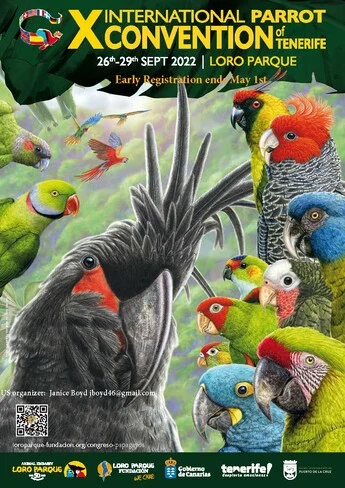
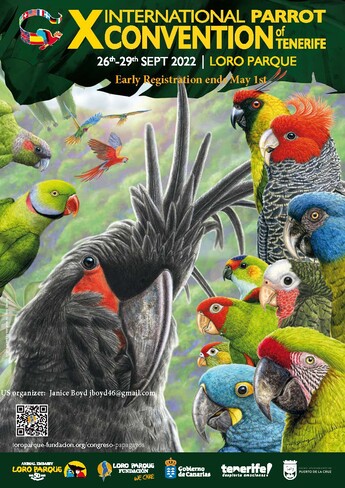
As the AFA moves toward its next half-century, its focus remains steadfast on the intersection of legislative awareness and practical conservation. Through the continued support of its members and partners, the American Federation of Aviculture remains the primary voice for the protection of avian species, ensuring that the vibrant colors and complex behaviors of parrots continue to thrive in both the rainforests of the world and the homes of dedicated enthusiasts.
