

The American Federation of Aviculture (AFA), a cornerstone organization in the protection and study of exotic avian species, has formally announced its conservation agenda for the 2024-2025 cycle. Central to this year’s initiative is a renewed and fortified partnership with Harrison’s Bird Foods, a leading provider of organic avian nutrition. This collaboration has been punctuated by a substantial $25,000 donation presented to AFA Chief Financial Officer Janice Lang, aimed at bolstering wild parrot conservation projects within their native habitats. As the global biodiversity crisis continues to threaten avian populations, the AFA is positioning itself as a critical conduit for funding, research, and legislative advocacy to ensure the survival of at-risk species.
The Evolution of the AFA Conservation Mission
To understand the current trajectory of the AFA, one must look back to its foundational crisis in the early 1970s. During a catastrophic outbreak of Exotic Newcastle Disease in California, the United States Department of Agriculture (USDA) ordered the euthanasia of thousands of healthy exotic birds in private collections to prevent the spread of the pathogen. This event, coupled with proposed state legislation that threatened to ban the private ownership of exotic birds, served as a catalyst for bird owners and clubs to unite. In March 1974, the American Federation of Aviculture was incorporated as a non-profit 501(c)3 organization to serve as an "avicultural umbrella," protecting the rights of bird keepers while promoting scientific stewardship.
Today, the AFA’s mission has expanded from legislative defense to a proactive, multi-front strategy encompassing education, husbandry improvement, and field conservation. The organization serves as a bridge between the private avicultural community and international regulatory bodies like CITES (the Convention on International Trade in Endangered Species of Wild Fauna and Flora). By funding research and habitat-based projects, the AFA aims to create self-sustaining populations of exotic birds both in managed care and in the wild.
Strategic Field Projects for 2024-2025
The AFA Conservation Committee meticulously reviews applications for funding each year, selecting projects that align with its core mission of habitat preservation and biological research. For the upcoming cycle, several high-impact projects have been identified as primary beneficiaries of AFA and Harrison’s Bird Foods support.
The Chajul Biology Station, Mexico
In the Lacandon rainforest of southern Mexico, the Scarlet Macaw (Ara macao) faces an existential threat from poaching for the illegal wildlife trade. Historically, nest production in this region has neared a zero percent fledgling rate without human intervention. The Chajul Biology Station, operated by Natura Mexicana, has become a vital fortress for the species. Biologists at the station monitor wild nests, identify hatchlings, and, when necessary, rear and release wild-hatched macaws back into the forest.
The program has seen remarkable success, having fledged over 150 Scarlet Macaws back into the wild. However, the station requires specialized equipment to maintain this momentum. The AFA’s 2024 fundraising goal of $5,000 is earmarked for the procurement of brooders, incubators, portable medical units, and gram scales. This equipment is essential for the high-intensity care required to ensure hatchlings survive the vulnerable early stages of development.
Selva Maya Living Landscape Program, Guatemala
Working in tandem with the Wildlife Conservation Society (WCS), the AFA supports the Selva Maya initiative in the Maya Biosphere Reserve. Since 2002, this program has focused on scarlet macaw chick survivability. By implementing a mix of threat-based interventions and experimental population enhancements, the WCS aims to increase recruitment into the wild population. The Scarlet Macaw remains one of the top five landscape species for the Selva Maya program, serving as an indicator of the overall health of the Guatemalan rainforest ecosystem.
Innovative Pest Mitigation: The Push-Pull Protocol
One of the most unique research projects currently supported by the AFA involves protecting parrot nest boxes from colonization by Africanized honey bees. Principal Investigator Caroline A. Efstathion has developed a "push-pull" method to address this ecological conflict. The protocol uses permethrin, a bird-safe insecticide, to repel scout bees from avian nest boxes (the "push") while simultaneously drawing them toward pheromone-baited traps (the "pull").
This research is critical because bees and parrots often compete for the same hollow-tree nesting sites. By providing alternative nesting sites for bees that are more attractive to their specific needs—such as south-facing entrances and specific opening sizes—researchers can reduce nest site competition and prevent the displacement of endangered psittacines.

Physiological Research in Tambopata, Peru
In the Tambopata region of Peru, a team led by J. Jill Heatley, Lizzie Ortiz-cam, and Donald Brightsmith is conducting groundbreaking work on wild parrot health. Using i-STAT analyzers, the team determines electrolytes, venous blood gases, and lactate levels "bird-side" in the field. This data provides an invaluable physiologic baseline for both growing nestlings and free-flighted adults.
A key component of this study involves investigating the use of "clay licks" by wild parrots. While several theories exist regarding why birds consume clay—including sodium supplementation or toxin neutralization—the Tambopata Macaw Project uses serum electrolyte determinations to find definitive answers. These findings have direct implications for avian veterinary medicine, helping to formulate more accurate nutritional rations for birds in captive care.
The Regulatory Framework: CITES and the WBCA
A significant portion of the AFA’s work involves navigating the complex web of international and domestic laws that govern the movement of birds. Central to this is CITES, an international agreement between governments designed to ensure that international trade in specimens of wild animals and plants does not threaten their survival.
The AFA holds official Non-Governmental Observer (NGO) status at CITES meetings, providing a voice for the avicultural community. This participation is vital because CITES regulations often parallel the concerns of the U.S. Fish and Wildlife Service (USFWS). By contributing "ground-level" experience regarding the breeding and keeping of parrots, the AFA helps shape policies that affect trade and conservation on a global scale.
In the United States, the Wild Bird Conservation Act (WBCA) of 1992 serves as the primary domestic legislation regulating bird imports. Signed into law to curb the mass importation of wild-caught birds for the pet trade, the WBCA effectively halted the legal import of most psittacines. However, the law includes provisions for "Cooperative Breeding Programs" (CBPs). These programs allow for the limited importation of species that are underrepresented in U.S. aviculture, provided the importers are committed to establishing sustainable, genetically diverse populations for conservation and breeding rather than immediate resale.

Cooperative Breeding Programs: A Success Story
The AFA has overseen several successful CBPs, including those for the Red Siskin, Blue-headed Macaw, and Javan Hill Mynah. Currently, the organization is focused on the Blue-eyed Cockatoo (Cacatua ophthalmica) CBP. Initiated in 2005, this program has successfully imported nine pairs of birds, some of which have already begun producing eggs.
In a recent expansion, the USFWS approved a request to extend this CBP to include various black cockatoo species, such as the Gang-gang, Red-tailed, White-tailed, Yellow-tailed, and Glossy Cockatoos. This expansion represents a significant opportunity for U.S. aviculturists to contribute to the long-term survival of these magnificent birds, which are rarely seen in American collections.
The Endangered Species Act and Aviculture
While CITES governs international trade, the U.S. Endangered Species Act (ESA) of 1973 regulates domestic activity. The ESA is designed to protect species at risk of extinction within the United States and abroad. For aviculturists, the listing of a species on the ESA means that interstate commerce (the sale or trade of birds across state lines) is prohibited without specific federal permits, such as a Captive-Bred Wildlife (CBW) permit.
The AFA monitors the Federal Register for any pending legislation or changes to the ESA list. Recent additions, such as the Military Macaw and Buffon’s Macaw, underscore the need for bird keepers to stay informed about the legal status of the species they hold. The AFA provides resources and fact sheets to help its members navigate these requirements, ensuring that the legal possession and breeding of endangered birds continue to support conservation goals.
Conclusion and Future Outlook
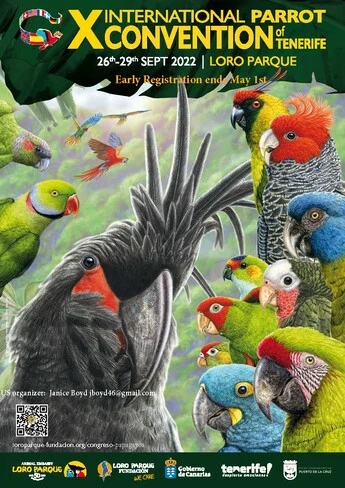
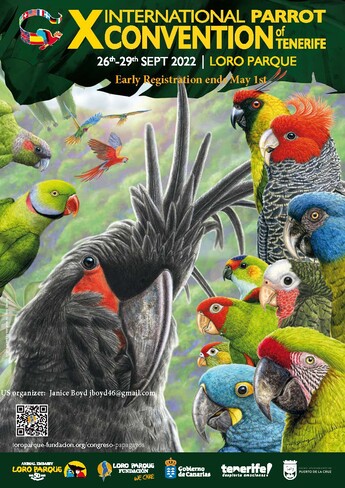
As the AFA moves into the 2024-2025 cycle, the organization remains committed to its dual role as a protector of avicultural rights and a champion of wild bird conservation. The upcoming International Parrot Conference in the Canary Islands, highlighted by the AFA, serves as a reminder that parrot conservation is a global endeavor requiring international cooperation.
The AFA continues to invite grant proposals for research and field biology projects, with a deadline of September 15 for the following year’s funding. By focusing on small, targeted grants—often $500 or less, but occasionally larger for exceptional projects—the AFA ensures that its resources reach the front lines of conservation where they can do the most good.
Through the support of partners like Harrison’s Bird Foods and the dedication of its worldwide membership, the American Federation of Aviculture is proving that the passion of individual bird keepers can be harnessed to protect the world’s most vulnerable avian species. The success of fledging macaws in Mexico and the development of bee-prevention protocols in the U.S. are testaments to the power of science-based aviculture in the 21st century.
