



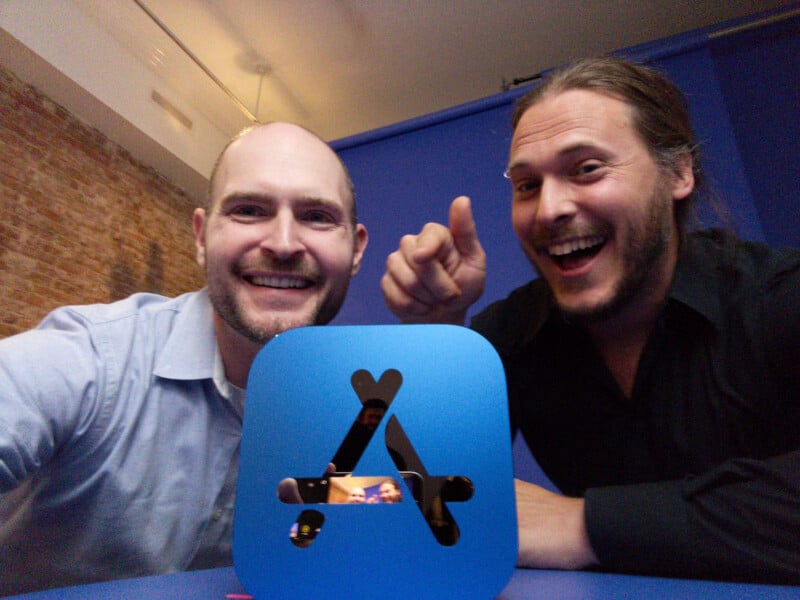
The high-stakes world of premium mobile software development has been thrust into the legal spotlight following the filing of a lawsuit in California that reveals a fractured relationship between the creators of some of the iPhone’s most celebrated camera applications. Ben Sandofsky, the co-founder and CEO of Lux Optics—the development house behind the award-winning Halide and Kino apps—has initiated legal action against his long-time partner and co-founder, Sebastiaan de With. The litigation, which includes allegations of financial impropriety and the theft of intellectual property, emerges alongside revelations that Apple Inc. was in active negotiations to acquire the company before the partnership dissolved.
The dispute marks a dramatic turn for a duo that had become the faces of professional-grade mobile photography. Lux Optics achieved significant industry acclaim for Halide, an app that provides manual camera controls and advanced RAW processing capabilities that often surpass the features found in Apple’s native Camera app. The company’s success was further cemented by multiple Apple Design Awards and the recent launch of Kino, a professional-grade video recording application. However, according to the complaint filed late last week, the internal operations of the company were far less harmonious than its public-facing success suggested.
The Failed Acquisition and the Shift to Talent Recruitment
Central to the background of this legal conflict is a period of intense negotiation with Apple. According to reporting by The Information, Apple began formal discussions to acquire Lux Optics in 2023. Such an acquisition would have followed a well-established pattern for the Cupertino-based tech giant, which frequently absorbs smaller developers to integrate their specialized technology into the iOS ecosystem. Recent examples of this strategy include the 2024 acquisition of Pixelmator, a popular photo-editing suite, and the 2026 acquisition of MotionVFX, a leader in video editing plugins.

The lawsuit indicates that Sandofsky and de With initially engaged in these talks for several months. By September 2023, however, the co-founders reportedly agreed to terminate the acquisition discussions. The rationale behind this decision was strategic: the pair believed that by continuing to develop and release high-quality applications for the iPhone and iPad, they could significantly increase the company’s valuation and eventually command a higher acquisition price from Apple or another suitor.
Despite the cessation of corporate acquisition talks, Apple’s interest in the talent behind Lux Optics did not wane. The lawsuit suggests that while corporate-level negotiations had ended, Apple shifted its focus to de With, a renowned designer in the tech industry. This practice, often referred to as "acqui-hiring," involves a larger company hiring key personnel from a smaller entity even if a full business merger is not completed. Sandofsky claims he was unaware of Apple’s direct pursuit of de With until he began an internal investigation into his partner’s conduct.
Allegations of Financial Misconduct and IP Theft
The legal complaint filed by Sandofsky outlines a series of serious accusations against de With, primarily focusing on the alleged misuse of corporate resources. The lawsuit claims that between 2022 and his eventual termination in late 2023, de With improperly used approximately $150,000 of Lux Optics’ funds for personal expenses. These expenses were allegedly charged to company credit cards or drawn directly from company accounts without authorization or business justification.
Beyond the financial allegations, the lawsuit touches on the sensitive issue of intellectual property (IP). Sandofsky alleges that when de With was fired in December 2023, he did not return sensitive company property. Most notably, the complaint claims that de With took Lux Optics’ proprietary source code and other confidential materials with him. This point is particularly contentious given that de With joined Apple in early 2024, shortly after his departure from Lux.

The timeline of events provided in the lawsuit paints a picture of a rapidly deteriorating partnership:
- September 2023: Co-founders agree to end acquisition talks with Apple to build more value.
- October 2023: Sandofsky reportedly discovers irregularities in company spending and confronts de With.
- November 2023: Unsatisfied with the explanations provided, Sandofsky hires a private investigator and places de With on administrative leave.
- December 2023: Sandofsky formally fires de With from Lux Optics.
- January 2024: De With announces his new role at Apple.
The Defense: A Dispute Over Informal Corporate Culture
In response to the lawsuit, legal representatives for Sebastiaan de With have denied any wrongdoing, characterizing the legal action as a "retroactive recharacterization" of standard business practices. The defense argues that Lux Optics, like many small, high-growth startups, operated with a degree of informality regarding its internal controls.
"The allegations are a retroactive recharacterization of ordinary, disclosed business activity in a small company that was jointly managed without formal controls," a spokesperson for de With’s legal team stated. The defense maintains that the expenses in question were recorded in the company’s books and were visible to Sandofsky for years without being questioned. According to de With’s counsel, the accusations only surfaced after de With himself began to request greater financial transparency within the company.
Furthermore, de With’s attorneys have categorically denied the theft of intellectual property. They assert that de With did not use, transfer, or disclose any Lux Optics IP to Apple. It is important to note that the lawsuit does not name Apple as a defendant, nor does it allege that Apple had any knowledge of the alleged misconduct or played a role in the misappropriation of trade secrets.
Technical Context: Why Lux Optics Was a Prize for Apple
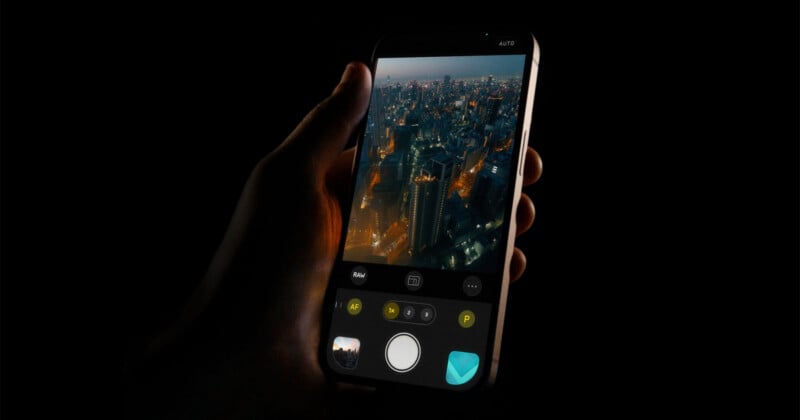
To understand the intensity of this legal and corporate battle, one must look at the technical achievements of Halide and Kino. Halide is widely considered the "gold standard" for third-party camera apps on iOS. It introduced features like "Process Zero," an image processing pipeline that bypasses Apple’s standard AI-driven computational photography to produce images that look more like traditional film or digital sensors.
For Apple, the appeal of Lux Optics was likely twofold:
- UI/UX Design: Sebastiaan de With is credited with creating a highly tactile, intuitive interface that makes complex photography settings (ISO, shutter speed, white balance) accessible to professional photographers.
- Engineering: Ben Sandofsky, a former Twitter engineer, led the technical implementation that allowed the app to squeeze maximum performance out of the iPhone’s Neural Engine and image signal processor (ISP).
By integrating this level of expertise directly into the native iOS Camera app, Apple could potentially bridge the gap between "point-and-shoot" convenience and professional-grade creative control. The failure to acquire the company, followed by the hiring of its lead designer and the subsequent legal fallout, highlights the competitive and often cutthroat nature of the software industry.
Broader Implications for the App Developer Community
The fallout between the Lux Optics co-founders serves as a cautionary tale for the independent developer community. It underscores the risks inherent in "handshake" agreements and informal financial management in small startups, even those that achieve global success. When a company transitions from a small project to a multi-million-dollar entity that is a target for acquisition by the world’s largest tech firm, the lack of formal corporate governance can lead to catastrophic legal disputes.
Industry analysts suggest that this case may also prompt larger tech companies like Apple to be more cautious in their "acqui-hiring" processes. While hiring top talent is a standard industry practice, doing so in the midst of a founder dispute or while potential trade secrets are in transit can create significant reputational and legal risks, even if the acquiring company is not directly named in a lawsuit.
As the legal proceedings move forward in California, the future of Lux Optics remains in the hands of Ben Sandofsky. While Halide and Kino continue to receive updates and maintain a loyal user base, the departure of the lead designer and the ongoing litigation cast a shadow over the company’s long-term roadmap. For now, the case remains a stark reminder that even the most successful creative partnerships can be undone by the very pressures of their success.
Timeline of the Lux Optics Dispute
| Date | Event |
|---|---|
| Early 2023 | Apple initiates acquisition talks with Lux Optics. |
| September 2023 | Co-founders Sandofsky and de With decide to reject Apple’s initial offer. |
| October 2023 | Sandofsky discovers alleged unauthorized personal expenses by de With. |
| November 2023 | De With is placed on administrative leave following an internal investigation. |
| December 2023 | De With is terminated from his role at Lux Optics. |
| January 2024 | De With officially joins Apple as a designer. |
| March 2026 | Sandofsky files a lawsuit alleging fraud, breach of contract, and IP theft. |
The resolution of this case will likely hinge on the examination of financial records and digital forensics to determine whether company funds were truly misappropriated and if proprietary source code was indeed accessed or transferred post-termination. Until then, the story of Lux Optics stands as a complex intersection of technological innovation, corporate ambition, and personal conflict in the heart of Silicon Valley.
