


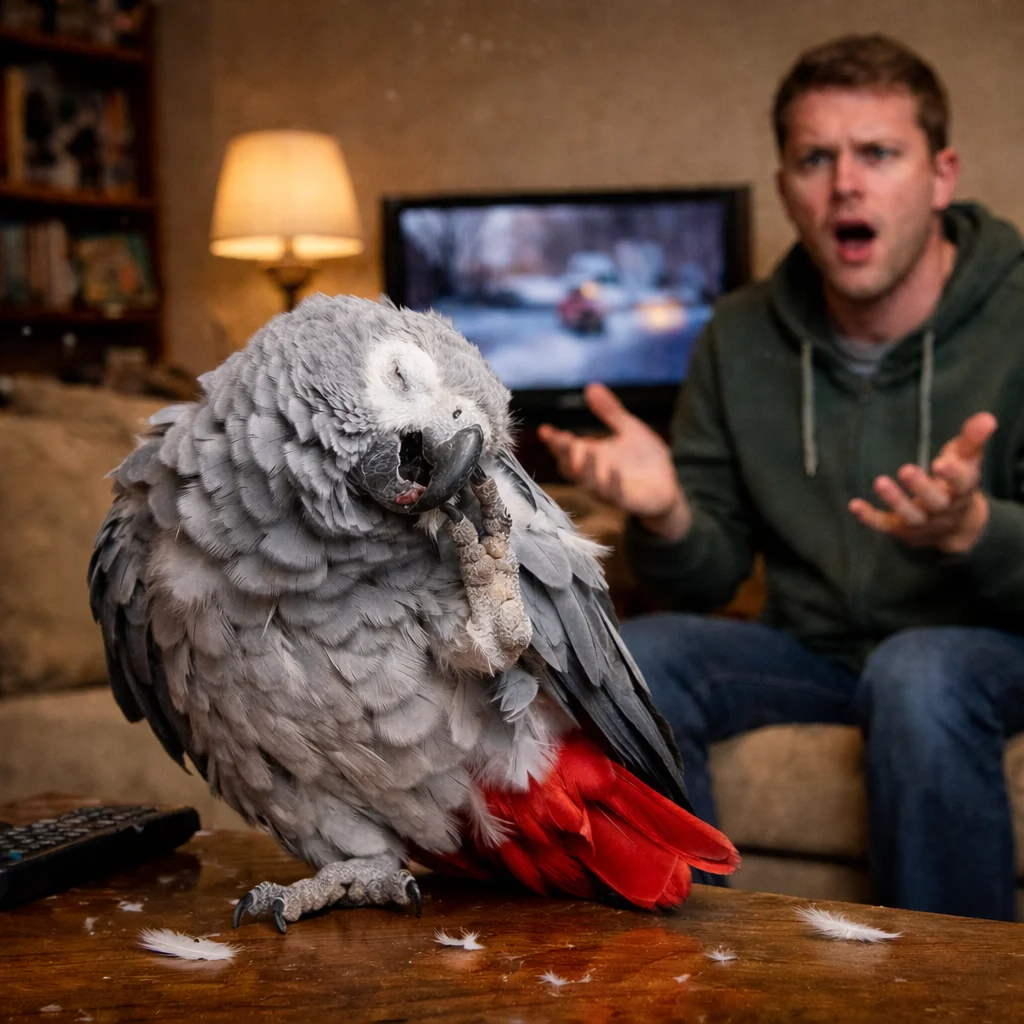
Pet bird owners frequently encounter a challenging dilemma during their bird’s molting season: distinguishing the normal, albeit uncomfortable, physiological process of feather regrowth from the early indicators of potentially severe feather destructive behavior (FDB). The annual or semi-annual molt, a natural renewal of plumage, often involves increased preening, scratching, and temporary irritability. However, subtle shifts in these behaviors can signal the onset of a more serious underlying issue, necessitating careful observation and, in many cases, professional avian veterinary intervention. Understanding the nuances between a healthy, albeit rough, molt and the initial stages of FDB is crucial for safeguarding the welfare and long-term health of companion birds. This guide, drawing on insights from avian behavior specialists and veterinary science, aims to equip owners with the knowledge to identify, mitigate, and appropriately respond to these critical periods in their bird’s life cycle.
The Complexities of Avian Molting: A Biological Imperative
Molting is a fundamental biological process for birds, essential for maintaining optimal feather condition, insulation, waterproofing, and flight capabilities. Feathers, composed primarily of keratin protein, are non-living structures once fully formed and thus cannot repair themselves. Consequently, they must be regularly replaced. This cyclical process is influenced by a complex interplay of hormones, light cycles, nutrition, and overall health.
During a typical molt, old, worn feathers are shed, and new feathers, encased in a protective keratin sheath known as a pin feather, emerge from the follicles. The growth of these new feathers is an energy-intensive process. The emerging pin feathers have a blood supply at their base, making them sensitive and often itchy as they push through the skin. As the new feather grows, the keratin sheath dries and becomes flaky, prompting the bird to preen more intensely to remove these remnants and allow the feather to unfurl. This natural preening and scratching, while seemingly vigorous, is a normal part of the process designed to facilitate new feather growth and maintain plumage integrity.
The duration and intensity of molts can vary significantly among species, age, and individual birds. Smaller passerines might undergo a rapid, complete molt once a year, while larger parrots may experience a more protracted, staggered molt that can last several months, replacing feathers in a mosaic pattern to ensure flight capability is never fully compromised. Seasonal changes, particularly variations in photoperiod (daylight length), are key environmental triggers for molting, signaling to the bird’s endocrine system that it is time for feather renewal.
Differentiating Normal Molt Discomfort from Concerning Behaviors
For many bird owners, the primary concern during a molt is distinguishing between normal discomfort and the initial signs of feather destructive behavior. The critical question often asked is, "Is this just molting, or am I witnessing the start of feather plucking?" The distinction lies not merely in the intensity of the behavior but in its context, persistence, and impact on the bird’s overall well-being.
What Normal Molt Discomfort Usually Looks Like:
- Increased Preening and Scratching: Birds will naturally spend more time grooming themselves to remove old feathers and break open the sheaths of new pin feathers. This can appear vigorous, even aggressive, but is typically directed at the sheaths.
- Temporary Irritability: Due to the physical discomfort and increased energy demands, a molting bird might be less tolerant of handling, more vocal, or generally "grumpy."
- Visible Pin Feathers: Numerous pin feathers, especially around the head, neck, and chest, are a clear sign of active molting. These may look like small quills protruding from the skin.
- Shedding Feathers: The presence of numerous shed feathers in the cage, ranging from small downy feathers to larger flight or tail feathers, is indicative of a healthy molt.
- Behavioral Shifts: The bird might be slightly quieter or more rested during peak molting periods but should still engage in normal activities like eating, playing, and interacting.
When Behavior Starts to Look Concerning:
- Fixation and Escalation: Instead of shifting focus between different areas of the body, the bird repeatedly targets a specific spot, often to the point of redness or irritation. The intensity of scratching or preening escalates beyond mere sheath removal.
- Bald Patches or Thinning Plumage: While some thinning can occur during a heavy molt, the appearance of entirely bald areas that do not show signs of new feather regrowth, or areas with consistently damaged, chewed, or plucked feathers, is a significant red flag.
- Skin Damage or Bleeding: Any open skin sores, cuts, or bleeding, particularly from feather follicles, indicates that the behavior has surpassed normal preening and is causing physical harm.
- Pulling out Whole Feathers: Early feather plucking may involve the bird pulling out entire, healthy feathers rather than just shedding old ones or breaking sheaths. This can leave surrounding plumage looking deceptively normal initially.
- Inability to Disengage: A key diagnostic indicator is whether the bird can be easily distracted from its preening or scratching behavior. If the bird remains fixated on plucking despite offers of food, toys, or social interaction, it signals a potential problem. Normal molt discomfort usually allows the bird to disengage and return to other activities.
- Systemic Signs of Illness: If increased preening or plucking is accompanied by lethargy, weakness, persistent fluffing, squinting, changes in appetite or droppings, or other signs of illness, immediate veterinary attention is warranted.
The Genesis of Feather Destructive Behavior (FDB)
Feather destructive behavior (FDB) is a complex and frustrating condition for both birds and their owners, often requiring a multifaceted approach to diagnosis and treatment. It is not a diagnosis in itself but rather a symptom of an underlying issue, which can be medical, environmental, nutritional, or behavioral. Studies indicate that FDB affects a significant portion of captive parrot populations, with prevalence estimates varying widely but often cited as high as 10-15% in some species. Certain species, such as African Grey Parrots, Cockatoos, and some Macaws, are particularly predisposed to developing FDB due to their high intelligence, complex social needs, and sensitivity to environmental changes.
Common Causes of FDB:
-
Medical Conditions:
- Dermatological Issues: Bacterial, fungal, or parasitic infections of the skin or follicles; allergies; dry skin; or even cysts can cause intense itching.
- Systemic Diseases: Liver disease, kidney disease, thyroid dysfunction, certain cancers, and heavy metal toxicities (e.g., lead or zinc) can manifest as skin irritation or general malaise that leads to feather destruction.
- Pain: Underlying pain from injury, arthritis, or internal organ issues can cause a bird to self-mutilate in an attempt to alleviate discomfort.
- Viruses: Psittacine Beak and Feather Disease (PBFD) and Polyomavirus are well-known viral diseases that directly affect feather growth and integrity, often leading to abnormal feathers and subsequent plucking.
-
Environmental Factors:
- Lack of Enrichment: Boredom, lack of appropriate toys, foraging opportunities, or mental stimulation can lead to self-directed behaviors, including plucking, as a coping mechanism.
- Inadequate Humidity: Dry environments, especially common in heated indoor settings, can lead to dry, itchy skin and brittle feathers, exacerbating molting discomfort and potentially initiating plucking.
- Poor Lighting: Insufficient full-spectrum UV lighting can impact a bird’s psychological well-being and vitamin D synthesis, indirectly contributing to stress and poor feather health.
- Stressors: Changes in routine, new pets, loud noises, perceived threats, or an unstable environment can induce chronic stress, which is a significant trigger for FDB.
- Inappropriate Caging: Cages that are too small, lack appropriate perches, or are placed in high-traffic or isolated areas can contribute to stress and boredom.
-
Nutritional Deficiencies:
- Vitamin A Deficiency: Critical for epithelial tissue health (skin, mucous membranes), a deficiency can lead to dry, flaky skin and abnormal feather follicles, making molting more irritating.
- Essential Fatty Acid Imbalance: Omega-3 and Omega-6 fatty acids are vital for skin elasticity, hydration, and anti-inflammatory responses. Deficiencies or imbalances can result in dry, itchy skin.
- Protein Deficiency: Feathers are 90% protein. Inadequate dietary protein or an imbalance of amino acids can impair new feather growth, making feathers weak and prone to damage.
- Mineral Deficiencies: Zinc, calcium, and other minerals play roles in skin and feather health.
-
Behavioral/Psychological Factors:
- Anxiety and Fear: Highly sensitive birds can develop plucking as an outlet for anxiety.
- Frustration: Unmet needs for social interaction, mating, or foraging can lead to frustration and redirected behaviors.
- Learned Behavior: Birds may learn to pluck for attention or as a self-soothing mechanism, especially if initial plucking was triggered by another factor.
- Hormonal Imbalances: Reproductive hormones can influence behavior, sometimes leading to obsessive preening or plucking, particularly during breeding season.
The transition from a "rough molt" to early plucking is often a subtle and insidious one. A bird experiencing intense molting discomfort might start to scratch or chew more vigorously. If the underlying cause of irritation (e.g., nutritional deficiency, dry skin) is not addressed, or if the bird is prone to anxiety, this heightened activity can escalate into a compulsive, self-destructive habit. The key distinction, as noted by experts like Diane Burroughs, LCSW, is that molting discomfort usually subsides or shifts focus, whereas plucking becomes repetitive, fixated, and increasingly difficult for the bird to interrupt.
Nutritional Imperatives for Optimal Feather Health
Nutrition plays a pivotal role in a bird’s ability to navigate the molting process comfortably and in preventing the onset of FDB. The demanding process of regenerating an entire coat of feathers requires a robust supply of specific nutrients. When these are lacking, the skin and feather follicles cannot function optimally, leading to increased irritation and a more challenging molt. Research published in Frontiers in Physiology and comprehensive guidelines from the Merck Veterinary Manual consistently underscore the importance of a balanced diet.
- Protein: As feathers are primarily protein, a high-quality, digestible protein source is paramount during a molt. This ensures the availability of essential amino acids, the building blocks for keratin, enabling strong and healthy new feather growth.
- Vitamin A: Crucial for the health of epithelial tissues, including the skin and feather follicles. A deficiency can lead to hyperkeratosis (thickening of the skin), dry, flaky skin, and abnormal feather development, making the skin prone to irritation and infection. Sources include dark leafy greens, carrots, sweet potatoes, and high-quality formulated diets.
- Essential Fatty Acids (EFAs): Omega-3 and Omega-6 fatty acids are vital for maintaining skin barrier function, elasticity, and hydration, and possess anti-inflammatory properties. An adequate supply helps keep the skin supple and less itchy during the emergence of new feathers. Sources include flaxseed, chia seeds, certain nuts, and specialized supplements.
- B Vitamins: Involved in numerous metabolic processes, including cell growth and energy production, which are critical during feather regeneration.
- Minerals: Zinc, copper, and sulfur are trace minerals essential for keratin synthesis and overall skin health.
If a molt appears unusually rough, it often serves as an indicator of underlying dietary limitations. Addressing these nutritional gaps through a high-quality formulated diet supplemented with appropriate fresh foods is a fundamental step in supporting feather health and preventing escalation to FDB.
Proactive Strategies for Owners: Mitigating Molt Discomfort
To reduce irritation during molting and prevent the potential fixation that can lead to FDB, owners can implement several proactive strategies. These interventions are most effective when integrated calmly and consistently into the bird’s normal routine.
- Optimize Diet: Ensure the bird is on a high-quality, formulated pelleted diet supplemented with a wide variety of fresh vegetables, fruits, and a small amount of healthy grains or seeds. Consult an avian veterinarian about specific dietary needs or potential supplements, especially if deficiencies are suspected.
- Increase Humidity and Offer Baths: Dry skin can significantly exacerbate molting discomfort. Regular misting with plain water, providing a shallow bath dish, or using a bird-safe humidifier can help keep skin hydrated and ease the emergence of new feathers.
- Provide Ample Enrichment: Boredom and stress are major contributors to FDB. Offer a rotating selection of engaging toys, foraging opportunities, shreddable materials, and various perch textures. Ensure the bird has opportunities for mental stimulation and interaction.
- Maintain a Calm Environment: Minimize sudden changes, loud noises, and other stressors. A predictable daily routine can provide a sense of security.
- Gentle Support (If Tolerated): For some birds, very gentle preening assistance, such as lightly rolling pin feathers between fingers (only if the bird actively solicits it and shows no signs of discomfort), can be helpful. However, never force interaction, as this can increase stress.
- Avoid Counterproductive Actions:
- Don’t Over-fuss: Excessive attention or alarm in response to a bird’s preening can inadvertently reinforce the behavior, even if it’s negative attention.
- Don’t Punish: Punishment is ineffective and damaging, increasing stress and fear, which can worsen plucking.
- Avoid Isolation: Birds are social creatures. Isolating a bird can cause severe psychological distress and lead to self-destructive behaviors.
- Resist DIY Remedies Without Vet Input: Applying topical creams, oils, or "bitter sprays" without professional guidance can be harmful, masking symptoms or causing irritation.
Effective support during molt is about observing closely and responding with practical, science-backed steps that genuinely reduce irritation and stress, rather than amplifying them.
When to Seek Professional Avian Veterinary Care
While many molting discomforts can be managed at home with supportive care, certain signs unequivocally warrant immediate professional avian veterinary attention. Delaying consultation can lead to the escalation of manageable issues into chronic, harder-to-treat conditions.
Call an Avian Veterinarian Immediately If:
- Signs of Systemic Illness: Your bird appears weak, unusually quiet, stays fluffed up for prolonged periods, squints, or keeps their eyes half-closed. These are generalized signs of illness that can accompany severe discomfort or underlying disease.
- Persistent Bald Areas: If bald patches appear that are not filling in with new feathers, or if there is no sign of healthy feather regrowth.
- Open Skin or Bleeding: Any visible skin damage, cuts, sores, or bleeding, especially from feather follicles. This indicates the bird is causing self-injury.
- Clear Feather Damage/Plucking: If you observe your bird actively pulling out whole feathers, chewing through feather shafts, or exhibiting obvious feather destruction.
- Changes in Appetite or Droppings: Any significant deviation from normal eating habits or changes in the consistency, color, or volume of droppings.
- Behavioral Fixation: The bird becomes obsessively fixated on one area, cannot be easily distracted, and this behavior steadily intensifies over days or weeks.
- Chronic Molting: If your bird seems to be stuck in a constant state of molt without periods of full plumage, which can indicate an underlying health issue or chronic stress.
Avian veterinarians are equipped to conduct thorough physical examinations, blood work, skin scrapings, biopsies, and other diagnostic tests to identify the root cause of FDB. Early diagnosis and intervention are critical for a successful outcome, potentially preventing a temporary molt-related irritation from developing into a debilitating, lifelong plucking habit.
Expert Insights and Broader Implications
Avian experts, including Diane Burroughs, LCSW, a licensed psychotherapist and ABA-trained behavior specialist, consistently emphasize that "escalation and fixation—not intensity—are the red flags" when evaluating feather-related behaviors. This nuanced perspective highlights the importance of behavioral patterns over mere observation of vigorous preening. "Watch patterns over weeks, not hours," advises Burroughs, as normal molt discomfort shifts or improves, while plucking becomes repetitive and focused. The "real red flag," she notes, is "fixation—repeated focus on one spot that can’t be interrupted by eating, resting, or play."
The implications of FDB extend far beyond cosmetic concerns. Chronically plucking birds are at higher risk for skin infections, systemic illnesses due to open sores, and significant pain. Their quality of life is severely diminished, often leading to depression and further behavioral deterioration. For owners, the emotional toll of witnessing their beloved companion self-mutilate can be immense, coupled with the significant financial burden of extensive veterinary diagnostics, treatments, specialized diets, and environmental modifications.
This challenge underscores the critical need for ongoing owner education and proactive, preventative care. Understanding the biological and psychological complexities of companion birds, providing optimal nutrition, a stimulating environment, and prompt veterinary care at the first sign of concerning behavior are not merely recommendations but ethical imperatives for responsible pet ownership. By fostering an environment that supports natural behaviors and addresses potential stressors, owners can significantly reduce the incidence of FDB and ensure their birds experience comfortable molts and long, healthy lives.
