

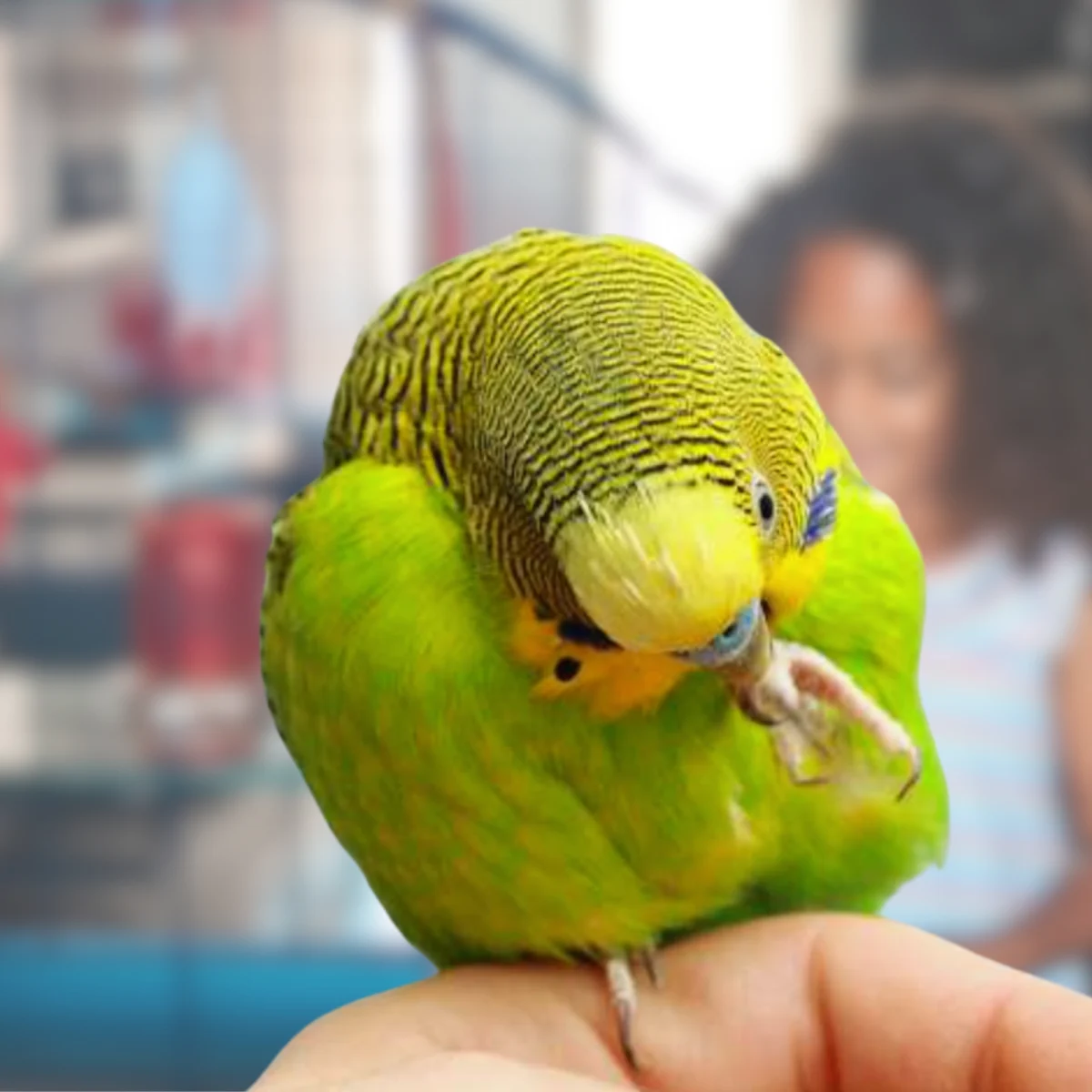
When a bird begins to chew its own feet, it signals a profound underlying issue, often indicating pain, severe stress, or illness that demands immediate attention from avian caregivers. This behavior, while less common than feather plucking, is a critical red flag that can escalate rapidly from minor irritation to severe injury, infection, and chronic pain, significantly impacting the bird’s quality of life and overall health. Unlike feather plucking, which can sometimes be a milder behavioral anomaly, foot chewing frequently indicates an acute emergency, necessitating prompt intervention to prevent irreversible damage.
The feet are fundamental to a bird’s existence, serving as their primary means of perching, locomotion, and interaction with their environment. Given that birds spend virtually all their waking hours on their feet, even a minor injury or persistent irritation can quickly become a debilitating and painful problem. This comprehensive guide aims to equip bird owners with the knowledge to recognize the signs of serious foot issues, administer crucial first aid, and understand when and why professional veterinary care is indispensable. While the information provided offers practical steps for immediate stabilization, it is not a substitute for expert medical diagnosis and treatment from a qualified avian veterinarian. The goal is to provide a robust framework for early intervention, pain alleviation, and long-term resolution of avian foot problems, ensuring the bird’s journey toward healing is well-supported.
The Alarming Behavior: Why Birds Chew Their Feet
Bird foot chewing, scientifically categorized under the broader umbrella of self-mutilation or abnormal repetitive behaviors, is a deeply concerning symptom. Avian experts and behavioral studies consistently highlight that birds do not engage in such destructive behaviors without significant distress. It is a desperate manifestation of pain, irritation, or profound anxiety, distinctly different from routine preening or occasional scratching.
While precise epidemiological data on the prevalence of foot chewing versus feather plucking across all avian species remains elusive, clinical observations confirm its severity. Feather destructive behavior (FDB), which includes plucking, chewing, and mutilating feathers, affects an estimated 10-15% of captive psittacine birds (parrots), with some species showing higher predispositions. Foot chewing, however, is considered a more acute form of self-mutilation. When it occurs, it suggests an immediate and often localized source of discomfort or an intense psychological disturbance. The critical distinction lies in the potential for rapid tissue damage and secondary infections, making it a behavioral emergency that demands prompt and decisive action. The severity is compounded by the fact that birds, as prey animals, are genetically programmed to mask signs of weakness or pain, often enduring significant discomfort before outwardly displaying symptoms. This innate survival mechanism means that by the time foot chewing is observed, the underlying issue is likely already advanced.
Decoding the Distress: Understanding the Root Causes
Identifying the precise reason behind a bird’s foot chewing is paramount for effective treatment and long-term prevention. The causes are multifaceted, often involving a complex interplay of medical, environmental, and psychological factors.
Medical Conditions: The Physiological Triggers
Numerous physiological issues can manifest as foot chewing, each requiring specific diagnostic and therapeutic approaches:
- Infections:
- Bacterial Infections: Pododermatitis, commonly known as "bumblefoot," is a bacterial infection of the footpads, often caused by improper perching surfaces, poor hygiene, or vitamin A deficiency. It can range from mild inflammation to severe abscesses and bone infections, causing intense pain and leading to chewing.
- Fungal Infections: Certain fungal agents can cause dermatological issues on the feet, leading to itching and irritation.
- Parasitic Infestations: Scaly leg mites (Knemidocoptes pilae) are microscopic mites that burrow into the skin of the legs and feet, causing thick, crusty lesions, intense itching, and discomfort.
- Trauma and Injury:
- Physical Injuries: Cuts, punctures, burns, splinters, or fractures to the foot or leg can cause acute pain, prompting the bird to chew at the injured site.
- Perch-Related Trauma: Inappropriate perch materials (e.g., abrasive sandpaper perches), incorrect perch diameters (too small or too large), or a lack of perch variety can lead to pressure sores, calluses, and chronic irritation, which birds may try to alleviate by chewing.
- Nutritional Deficiencies:
- Vitamin A Deficiency (Hypovitaminosis A): This is a common issue in birds fed an all-seed diet. Vitamin A is crucial for the health of epithelial tissues, including skin and mucous membranes. Deficiency can lead to dry, flaky skin, poor feather quality, and compromised foot health, making them susceptible to infection and irritation.
- Calcium Imbalance: Essential for bone health and nerve function, calcium deficiencies or imbalances can contribute to neurological issues or bone fragility, indirectly affecting foot sensation or comfort.
- Systemic Diseases:
- Kidney or Liver Disease: These conditions can lead to toxin buildup or metabolic disturbances that affect overall skin health or nerve function, causing discomfort in the extremities.
- Gout: Urate crystals can deposit in joints, including those in the feet, causing severe pain and swelling, known as articular gout.
- Heavy Metal Toxicity: Exposure to lead or zinc can cause neurological symptoms, pain, and generalized malaise, which might manifest as self-mutilation.
- Allergies and Irritants:
- Environmental Allergens: Dust, pollen, or mold can cause allergic reactions that manifest as itchy skin, including on the feet.
- Chemical Irritants: Residues from harsh cleaning products on cages or toys, or even certain types of bedding, can cause contact dermatitis.
- Neurological Issues: Nerve damage, tremors, or abnormal sensations (paresthesia) in the feet can lead to persistent discomfort that the bird attempts to "fix" by chewing.
Environmental Factors: Habitat-Induced Stressors
The immediate environment plays a significant role in avian health and behavior:
- Inadequate Perching: A lack of varied perches (natural branches of different diameters, textures, and materials) can lead to pressure points, poor circulation, and discomfort. Perches that are too smooth or too rough can both cause problems.
- Poor Cage Hygiene: A dirty cage allows bacteria, fungi, and parasites to proliferate, increasing the risk of infections. Ammonia buildup from accumulated droppings can also be irritating.
- Dry Air/Low Humidity: Chronically dry air, especially in indoor environments, can lead to dry, itchy, flaky skin on a bird’s feet, prompting self-mutilation.
- Lack of UV Lighting: Full-spectrum UV-B lighting is essential for vitamin D3 synthesis, which in turn is critical for calcium absorption and overall physiological health. Without it, birds can suffer from metabolic bone disease and other health issues that may contribute to discomfort.
Behavioral and Psychological Stressors: The Mind-Body Connection
Avian self-mutilation is often linked to psychological distress, particularly in highly intelligent and sensitive species:
- Boredom and Lack of Enrichment: Captive birds, especially parrots, require constant mental stimulation. An environment devoid of toys, foraging opportunities, and social interaction can lead to chronic boredom, frustration, and the development of stereotypic behaviors like self-chewing.
- Anxiety and Fear: Sudden changes in environment, loud or unfamiliar noises, the presence of new pets, or perceived threats can induce severe anxiety. Birds may cope with this stress by focusing on a body part, leading to repetitive and destructive behaviors.
- Stress and Loneliness: Parrots are highly social animals. Isolation, lack of consistent interaction with their caregivers or conspecifics, or an unstable home environment can cause significant psychological stress.
- Species Predisposition: Certain species, such as Cockatoos, African Greys, and Eclectus parrots, are known for their heightened sensitivity, intelligence, and propensity for self-destructive behaviors when their complex needs are not met. Their intense emotional capacity makes them particularly vulnerable to stress-induced issues.
Recognizing the Emergency: How to Tell If Bird Foot Problems Are Serious
Birds are masters of concealing pain and illness, a survival instinct honed over millennia in the wild. This makes owner vigilance paramount. Owners must act as detectives, observing subtle changes that signal distress. While some mild foot pecking might be normal grooming, aggressive or persistent chewing, especially if accompanied by physical signs, indicates a serious emergency.
Key indicators of a serious foot problem include:
- Bleeding or Open Wounds: Any visible blood, lacerations, or breaks in the skin. This is an immediate concern for infection and further self-mutilation.
- Redness or Swelling: Inflammation around the foot, toes, or joints suggests infection, trauma, or an allergic reaction.
- Missing Nails or Scabby Spots: Indicates chronic trauma, infection, or parasitic infestation. Scabs can also be a sign of healing wounds, but the underlying cause of the wound needs addressing.
- Limping or Avoiding Pressure: The bird favors one foot, shifts weight constantly, or refuses to perch on the affected foot. This directly signals pain.
- Reluctance to Perch or Changes in Perching Behavior: The bird may spend more time on the cage floor, refuse to use certain perches, or exhibit difficulty gripping.
- Abnormal Posture: Holding the foot up, constantly flexing and extending the toes, or appearing off-balance.
- Changes in Appetite or Activity Level: Pain and stress can reduce a bird’s desire to eat or engage in normal activities.
- Increased Irritability or Aggression: A bird in pain may become more defensive or reactive.
Immediate Intervention: A 7-Step First Aid Protocol
When foot chewing is observed, prompt action can stabilize the bird and prevent further injury while awaiting veterinary consultation. These steps are designed as first aid and do not replace professional medical care.
Step 1: Gentle Restraint, Initial Assessment, and Calm Environment
The first priority is to prevent further self-mutilation and assess the injury. Approach the bird calmly and speak softly to minimize stress, as stress exacerbates chewing behaviors. Gently wrap your bird in a soft, clean towel (a "towel burrito") to provide a secure feeling and limit movement, allowing for careful inspection of both feet. This also prevents accidental bites.
- Stop Bleeding: If there is active bleeding, apply gentle pressure with a clean cloth. For minor cuts, cornstarch or a commercial styptic powder (available at pet stores) can be applied directly to the wound to help clot the blood. Ensure the powder is applied only to the bleeding area.
- Initial Cleaning: Carefully rinse the affected foot with warm, filtered water or a bird-safe saline solution (0.9% sodium chloride). This removes debris, helps assess the wound, and can offer immediate soothing. Avoid harsh scrubbing.
Step 2: DIY Salt Soak for Soothing Irritation
A warm saline soak can provide immediate relief by reducing inflammation and offering mild antiseptic benefits.
- Preparation: Mix 1 cup of warm, filtered water with 1/8 teaspoon of plain, non-iodized sea salt. Ensure the salt is fully dissolved. For enhanced antiseptic properties, 2 tablespoons of pure aloe vera juice (ensure it’s not flavored or sweetened) can be added.
- Application: Gently dip the affected foot into the shallow bowl of solution for 30-60 seconds. If the bird becomes highly agitated, do not force it. Instead, soak a soft cloth or cotton ball in the solution and dab it onto the foot.
- Drying: After soaking, gently pat the foot dry with a clean, soft towel. Do not rub, as this can irritate the skin further.
- Frequency: Limit this treatment to once or twice a day to avoid over-drying the skin. Crucially, prevent the bird from drinking the solution.
Step 3: Apply a Bird-Safe Topical Treatment
Once the foot is clean, applying a safe topical agent can aid healing and provide a protective barrier. It is critical to use only products specifically formulated or deemed safe for avian use, as birds will inevitably preen and ingest anything applied to their bodies.
- Recommended Safe Products:
- Pure Aloe Vera Gel: Look for 100% pure aloe vera, free from additives, alcohol, or fragrances. Aloe is known for its anti-inflammatory, soothing, and healing properties.
- Vetericyn Spray: This is a veterinary-grade wound and skin care solution that is non-toxic and safe if ingested. It helps clean wounds, reduce inflammation, and promote healing.
- Manuka Honey (Medical Grade): A small dab of medical-grade Manuka honey can be highly beneficial due to its potent antibacterial, anti-inflammatory, and wound-healing properties. It creates a moist healing environment and is safe for ingestion in small amounts.
- Products to Avoid:
- Neosporin (and similar antibiotic ointments): Many contain petroleum jelly, which can be difficult for birds to metabolize if ingested and can trap bacteria. Some ingredients may also be toxic.
- Hydrogen Peroxide: While a common antiseptic, it is cytotoxic and can damage healthy tissue, delaying wound healing.
- Alcohol (Rubbing Alcohol): Extremely drying and painful for open wounds.
- Scented Lotions or Creams: Contain chemicals and fragrances potentially toxic or irritating to birds.
Step 4: Protect the Foot from Further Chewing
Creating a secure and comfortable healing environment is essential to prevent the bird from exacerbating the injury.
- Recovery Cage: Move the bird to a smaller, easily cleaned "hospital" or recovery cage. This limits excessive movement and makes monitoring easier.
- Soft-Surfaced Perches: Replace hard, abrasive perches with soft, flat, or towel-wrapped perches (ensure towels are securely attached and free of loose threads). This reduces pressure points and provides comfort.
- Environment Control: Keep the bird warm (around 80-85°F or 27-29°C), especially if it’s stressed or in shock. Maintain low lighting to reduce anxiety and encourage rest.
- Bird-Safe Soft Collar: If the bird persistently self-mutilates, a soft, comfortable, bird-safe collar (e.g., an Elizabethan collar or recovery collar) may be necessary to block access to the injured foot. These should be fitted by a vet or with veterinary guidance to ensure proper sizing and minimize stress.
Step 5: Understand Why Your Bird Is Biting Its Feet – The Avian Detective Work
While providing immediate care, it’s crucial to begin investigating the underlying cause. This information will be invaluable for your veterinarian.
- Injury Assessment: Is there a visible injury (cut, bruise, splinter, burn)?
- Boredom/Enrichment: Is the bird’s environment stimulating enough? Does it have a variety of toys, foraging opportunities, and social interaction?
- Environmental Changes: Have there been recent changes in the home (new pet, new family member, relocation, loud construction, changes in routine)?
- Sleep Patterns: Is the bird getting adequate, uninterrupted sleep (typically 10-12 hours in a dark, quiet environment)?
- Species Predisposition: Is the bird a species known for sensitivity or self-mutilation (e.g., Cockatoo, African Grey)?
- Dietary Review: What is the bird’s primary diet? Is it balanced and nutritious, or heavily seed-based?
- Hygiene: How often is the cage cleaned? Are perches cleaned regularly?
Document all observations, noting the onset of chewing, its frequency, severity, and any accompanying behavioral changes. This detailed log will significantly aid your vet in diagnosis.
Step 6: Make Habitat Tweaks That Support Healing
Implement immediate environmental adjustments to promote healing and reduce stress.
- Clean and Disinfect: Thoroughly clean and disinfect the entire cage, perches, and toys using bird-safe disinfectants. This eliminates potential pathogens and irritants.
- Add Enrichment Toys: Introduce new, engaging toys, especially foraging toys that divert attention and provide mental stimulation. Rotate toys regularly to maintain interest.
- Raise Humidity: If the environment is dry, consider using a room humidifier or daily misting with warm water to prevent dry, itchy skin.
- Reduce Noise and Stress: Maintain a calm, quiet environment. Limit loud noises, sudden movements, and unnecessary disturbances. Ensure the bird has a safe, private space to retreat to.
Step 7: Call an Avian Vet + Summary Checklist
Even if the chewing temporarily subsides and the wound appears to be healing, professional veterinary attention is non-negotiable. Home care is merely a stop-gap measure.
- Find an Avian Vet: It is critical to consult with a veterinarian specializing in avian medicine. General practice vets may not have the specific expertise required for complex avian conditions. Resources like aav.org (Association of Avian Veterinarians) can help locate certified avian vets in your area, or you can contact local exotic animal vets.
- Explain the Situation: Clearly describe the symptoms, the first aid administered, and any observations made during your "detective work."
Emergency Foot Chewing Checklist:
- Clean and inspect foot: Remove debris, stop bleeding, assess injury.
- Try salt soak or aloe: Soothe irritation and provide mild antiseptic action.
- Apply safe topical: Protect the wound and promote healing.
- Limit movement and stress: Create a calm, safe recovery environment.
- Use a soft bird collar (if necessary): Prevent further self-mutilation.
- Book a vet appointment: Seek professional diagnosis and treatment without delay.
The Indispensable Role of the Avian Veterinarian
The avian veterinarian plays a crucial role beyond emergency first aid. Upon arrival, the vet will conduct a thorough physical examination, potentially including:
- Detailed History: Reviewing the owner’s observations, diet, housing, and any recent changes.
- Diagnostic Tests: Depending on the suspected cause, these may include:
- Blood Work: To check for systemic infections, organ dysfunction, nutritional deficiencies, or heavy metal toxicity.
- Radiographs (X-rays): To identify fractures, foreign bodies, bone infections (osteomyelitis), or gout deposits.
- Cultures and Sensitivities: To identify specific bacterial or fungal pathogens from wound swabs and determine effective antibiotic or antifungal treatments.
- Skin Scrapes/Biopsies: To diagnose parasitic infestations (like scaly leg mites) or other dermatological conditions.
- Fecal Analysis: To rule out internal parasites that might cause systemic stress.
- Pain Management: Administering avian-safe pain medications (analgesics) to alleviate discomfort, which is crucial for stopping the self-mutilation cycle.
- Targeted Treatment: Prescribing antibiotics, antifungals, antiparasitics, or nutritional supplements based on the diagnosis.
- Wound Management: Debriding severe wounds, applying specialized dressings, or even performing surgical repair if necessary.
- Behavioral Consultation: If the cause is primarily psychological, the vet may work with a certified avian behaviorist to develop a comprehensive plan addressing enrichment, environmental modifications, and stress reduction.
Statements from avian veterinary professionals consistently underscore the complexity of self-mutilation cases. Dr. Susan Orosz, DVM, PhD, DABVP (Avian), emphasizes that these behaviors are rarely simple and often require a multi-modal approach involving medical, nutritional, and behavioral interventions. Early veterinary intervention is highlighted as critical, not only for treating the immediate injury but also for preventing chronic conditions and improving the bird’s long-term welfare.
Broader Implications and Responsible Avian Ownership
The occurrence of foot chewing in a pet bird is a stark reminder of the significant responsibilities inherent in avian ownership. It reflects the delicate balance required to maintain the health and well-being of highly intelligent and sensitive creatures in captivity. This issue extends beyond the individual bird, touching upon broader implications for animal welfare.
- Ethical Considerations: Providing an environment that prevents self-destructive behaviors is an ethical imperative for pet owners. This includes adequate space, proper nutrition, mental stimulation, and social interaction.
- Financial and Emotional Commitment: Avian veterinary care, especially for complex cases like self-mutilation, can be costly and emotionally taxing. Owners must be prepared for this commitment.
- Education and Awareness: Educating current and prospective bird owners about species-specific needs, common health issues, and early warning signs is crucial for preventing such emergencies.
In conclusion, a bird chewing its feet is a severe indicator of distress, demanding immediate and informed action. While initial wound care and environmental adjustments can stabilize the situation, these are merely temporary measures. The comprehensive approach involves rapid first aid, meticulous detective work to identify potential triggers, and, most importantly, the swift engagement of a qualified avian veterinarian. By understanding the complex interplay of medical, environmental, and psychological factors, and by committing to proactive care and professional guidance, bird owners can navigate this challenging situation, alleviate their feathered companion’s suffering, and set them on the path to lasting recovery and a healthier, happier life. This collaborative effort between a vigilant owner and a skilled avian vet is the cornerstone of successful outcomes in managing avian self-mutilation.
References:
Jenkins, D. (2011, March 19). Pain and the Avian Patient. Dr. Exotic. Retrieved from https://www.drexotic.com/pain-and-the-avian-patient/
Lender, S. (n.d.). Toss in Some Turmeric. O, The Oprah Magazine. Retrieved from http://www.omagdigital.com/article/Toss+in+Some+Turmeric/2457141/0/article.html
Lightfoot, T. L. (2020, January). Lung and Airway Disorders of Pet Birds. Merck Veterinary Manual.
Diane Burroughs, LCSW, brings over 30 years of experience helping bird lovers build stronger, healthier bonds with their parrots. With a foundation in psychotherapy and Applied Behavior Analysis (ABA), Diane combines proven behavioral science with simple, real-life strategies anyone can use. Through her books, behavior consultations, and UnRuffledRx parrot wellness products, she’s dedicated to helping real bird owners create trust, confidence, and a lifetime of positive experiences with their feathered companions.
Diane’s products have been featured in the Journal of Avian Medicine and Surgery and at ExoticsCon, a national conference for exotic animal veterinarians. Her bird collars and supplements are trusted by avian vets and stocked in vet clinics across the U.S. With thousands of individualized behavior plans under her belt, Diane’s mission is simple: to help parrots and their people thrive together.
