


Published On: Dec 21, 2025
Last updated on: Dec 21, 2025
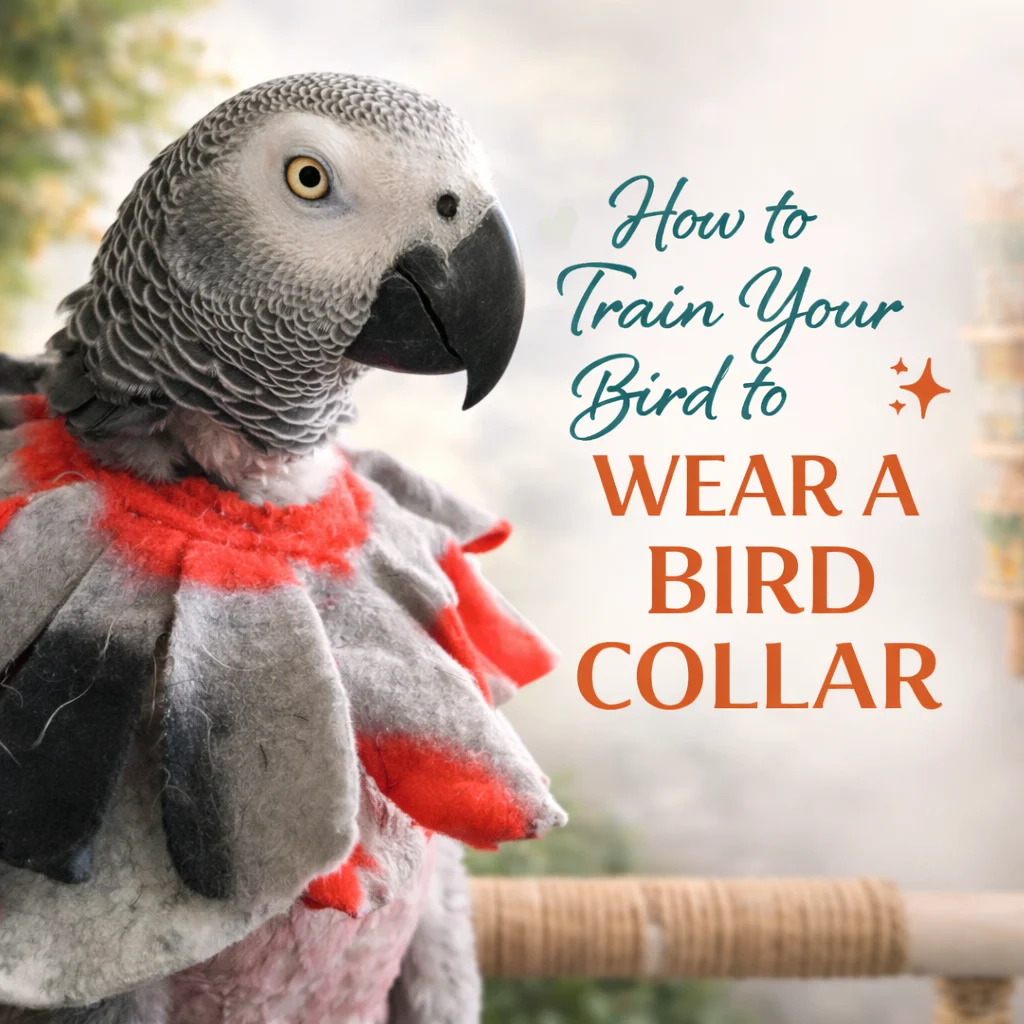
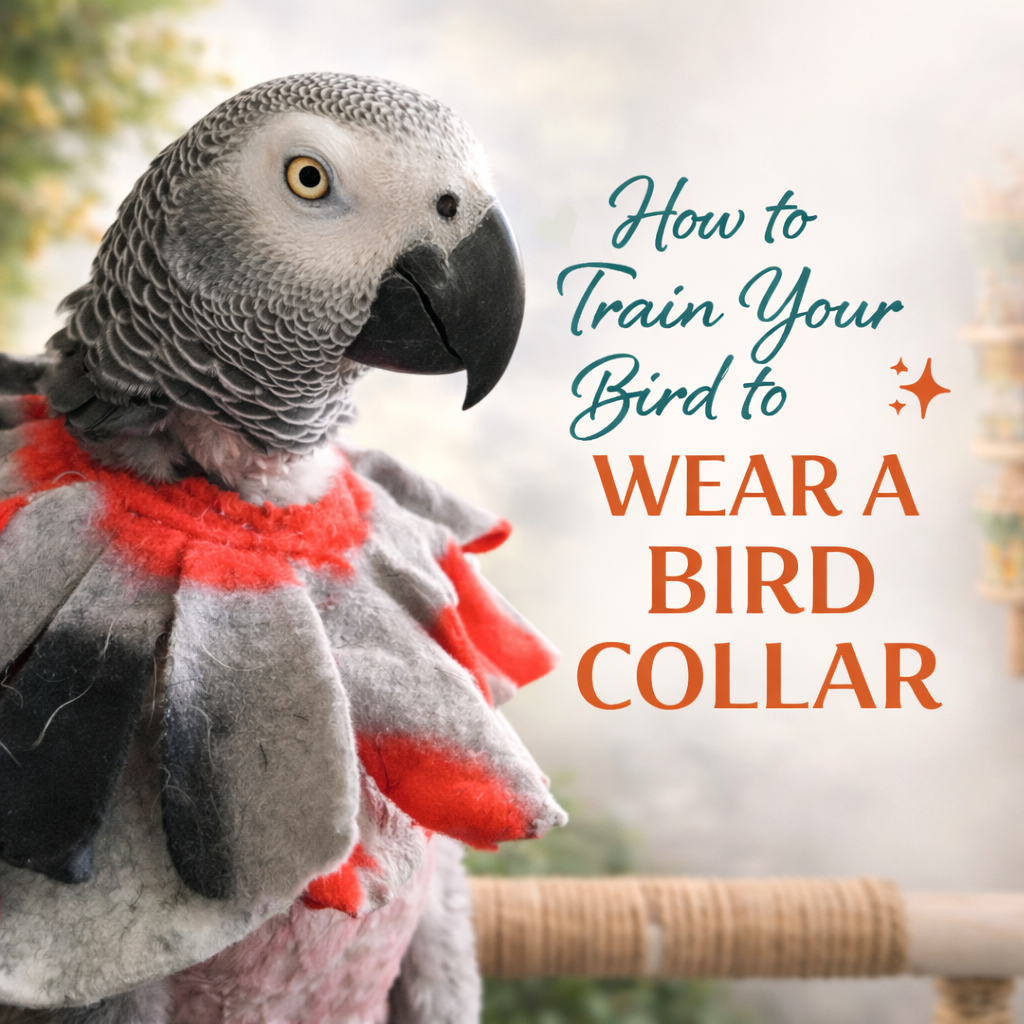
Birds can safely wear collars, but only when introduced thoughtfully and utilized for specific, well-reasoned purposes, according to avian veterinary experts. This qualified affirmative underscores a critical aspect of companion bird care, particularly concerning feather destructive behaviors (FDBs) and self-mutilation. While often perceived by owners as a last resort, bird collars serve as a protective management tool, not a punitive device, and their effective application hinges on a comprehensive understanding of avian health and behavior.
Understanding Feather Destructive Behaviors: A Growing Concern
Feather destructive behaviors encompass a spectrum of issues ranging from mild feather chewing and barbering to severe plucking and self-mutilation, where birds damage their own skin. These behaviors are a significant challenge in avian veterinary medicine and a source of considerable distress for bird owners. Statistics suggest that FDBs affect a substantial percentage of captive parrots, with some estimates placing prevalence as high as 10-15% in certain species, particularly African Grey Parrots, Cockatoos, Macaws, and Conures. The onset of such behaviors often prompts owners to explore various interventions, with collars frequently emerging as a consideration when other methods prove insufficient.
The journey to considering a collar is typically a long one for owners. It often begins with subtle signs of feather damage, prompting initial attempts at resolution through diet modification, increased environmental enrichment, routine adjustments, supplements, or topical sprays. When these efforts fail to halt the escalation of damage, and skin integrity becomes compromised, the urgency to find a protective solution mounts. This progression highlights the complexity of FDBs, which are rarely simple behavioral quirks but rather indicators of underlying medical, environmental, or psychological distress.
The Multifaceted Causes of Feather Destructive Behaviors
Addressing FDBs requires a thorough diagnostic approach to identify their root causes, which can be broadly categorized:
- Medical Conditions: A wide array of health issues can manifest as feather destructive behavior. These include parasitic infestations (e.g., mites, giardia), fungal infections, bacterial infections, viral diseases (such as Psittacine Beak and Feather Disease, Polyomavirus), heavy metal toxicities (e.g., lead, zinc), nutritional deficiencies (particularly Vitamin A), liver or kidney disease, allergies, and even tumors or cysts that cause discomfort. Chronic pain or irritation from internal conditions can also lead birds to self-pluck.
- Environmental Factors: The captive environment plays a crucial role. Inadequate cage size, lack of sufficient enrichment (toys, foraging opportunities, perches of varying textures), improper lighting cycles (photoperiod), dry air, exposure to environmental toxins (e.g., cigarette smoke, household cleaners, air fresheners), sudden changes in routine, and chronic stress from noise or perceived threats can all contribute.
- Behavioral and Psychological Issues: Many FDBs have a strong psychological component. Boredom, anxiety, fear, phobias, hormonal imbalances (especially during breeding season), lack of social interaction or appropriate flock dynamics, and learned behaviors (e.g., attention-seeking) are common drivers. Some birds develop FDBs as a coping mechanism for stress, akin to self-soothing behaviors. Once established, the behavior itself can become a self-reinforcing habit, even if the initial trigger is removed.
- Nutritional Deficiencies: Diets primarily consisting of seeds, lacking in essential vitamins, minerals, and amino acids, are a significant contributor to poor feather quality and overall health, predisposing birds to plucking. A balanced diet rich in fresh vegetables, fruits, and a high-quality pelleted diet is fundamental for avian health.
When Collars Become a Necessary Intervention
A bird collar is primarily a physical protection device, becoming most helpful when the physical damage is escalating faster than underlying causes can be identified and treated. It is crucial to emphasize that a collar is not a punishment or a standalone cure, but a supportive bridge designed to interrupt self-harm while comprehensive medical and behavioral interventions are implemented.
Collars are commonly recommended in specific scenarios:
- Active Feather Destruction or Self-Mutilation: When a bird is actively plucking out feathers, barbering them down to the skin, or creating wounds, a collar prevents further immediate harm. This is particularly vital when skin is broken, increasing the risk of infection.
- Post-Surgical Recovery: Following surgery, birds may attempt to pick at sutures or surgical sites. A collar ensures the wound remains undisturbed, facilitating proper healing.
- Wound Healing: For any open wounds or skin lesions, a collar can prevent the bird from interfering with the healing process, reducing the risk of secondary infections and complications.
- Periods of Heightened Anxiety or Hormonal Activity: During times of extreme stress, anxiety, or hormonal surges, some birds may engage in severe self-destructive behaviors. A collar provides temporary protection during these acute phases.
When introduced correctly and used in conjunction with a holistic treatment plan, bird collars can significantly reduce physical injury, break the habit rehearsal loop, and provide owners and veterinary professionals crucial time to investigate and address the underlying medical, environmental, and behavioral issues. This period allows for a more considered approach to diet, environmental enrichment, medical diagnostics, and behavioral modification without the constant threat of escalating physical damage.
Expert Perspectives on Responsible Collar Use
Avian veterinarians and behaviorists uniformly stress that the decision to use a collar should always be made in consultation with a qualified avian professional. Dr. Diane Burroughs, a specialist in anxiety-driven behaviors and feather destructive disorders, highlights that her approach "blends behavior science with practical, real-world care." This perspective is central to responsible collar application.
"A collar is a tool, not a solution," states one prominent avian veterinarian, who wished to remain anonymous to speak broadly on the subject. "Our primary goal is always to identify and treat the root cause of the FDB. The collar buys us time. It prevents the bird from harming itself further while we conduct diagnostics, adjust diet, enrich the environment, or implement behavioral therapies."
Bird rescue organizations often echo this sentiment, emphasizing the welfare of the bird. "We see many birds come in with severe plucking issues, sometimes requiring immediate protective measures," notes a spokesperson from a national avian rescue foundation. "Collars can be life-savers, but they demand constant monitoring and a commitment from the owner to work on the bigger picture."
The consensus among experts is that a veterinary workup is paramount before any collar is applied. This workup should include a physical examination, blood tests, potentially radiographs, and even biopsies to rule out medical causes. Once medical issues are addressed or ruled out, a behavioral consultation can help pinpoint environmental or psychological triggers. Only then can a collar be considered as part of a multi-pronged strategy.
When Collars Are Probably Unnecessary
Not every instance of feather ruffling or minor preening necessitates a collar. In fact, adding an intervention without clear need can increase stress for the bird and owner, potentially exacerbating existing issues.
Collars are generally unnecessary if:
- Plucking is Mild and Non-Injurious: If the bird is occasionally pulling out a feather but not damaging skin, and the behavior is improving with increased enrichment, diet changes, or routine adjustments.
- Behavior is Seasonal or Molt-Related: Some birds may exhibit increased preening or mild plucking during their natural molting cycles, which is typically a normal physiological process.
- Underlying Issues are Resolving: If the identified cause of plucking (e.g., a dietary deficiency, a treatable infection) is being successfully managed, and the plucking is naturally decreasing.
The principle here is that "more" intervention isn’t always "better." Sometimes, refining existing management strategies or allowing time for initial interventions to take effect is the most helpful approach. Over-intervention can introduce unnecessary stress and complicate the diagnostic and treatment process.
Common Mistakes and How to Avoid Them

Owners, driven by concern, often make well-intentioned mistakes when dealing with FDBs and considering collars. These are not failures but learning opportunities.
- Trying to Fix Everything at Once: Rapid, sweeping changes can overwhelm a bird. Collars work best when paired with slow, predictable adjustments to diet, environment, and routine, rather than an abrupt overhaul. Birds thrive on consistency and predictability.
- Following Advice Without Context: Online forums and social media groups offer a wealth of anecdotal advice, but birds are not interchangeable. What works for one species or individual may be ineffective or even counterproductive for another. Every bird’s situation is unique, requiring tailored solutions based on professional assessment.
- Using a Collar as a Standalone Solution: Perhaps the most critical mistake is viewing the collar as the primary solution. It is a protective measure that enables the real work of diagnosing and treating underlying causes. Without addressing the root issues, removing the collar will almost certainly result in a recurrence of the destructive behavior.
- Improper Fitting or Monitoring: An ill-fitting collar can cause discomfort, chafing, restrict breathing or eating, or even be removed by a determined bird. Lack of vigilant monitoring can lead to complications, including entanglement or the bird getting stuck.
How to Safely Introduce a Bird Collar: A Step-by-Step Guide
The process of training a bird to wear a collar safely is paramount. It prioritizes the bird’s emotional and physical well-being, emphasizing gradual desensitization and positive reinforcement. The goal is not rushed acceptance but regulated learning.
- Veterinary Consultation and Collar Selection: Before anything else, consult your avian veterinarian. They will help diagnose the underlying issue, determine if a collar is necessary, and recommend the appropriate type and size (e.g., soft fabric, plastic cone).
- Environmental Preparation: Adjust the bird’s cage before the first fitting. Lower perches, ensure food and water bowls are easily accessible, and remove any toys or cage accessories that could cause entanglement or hinder movement with a collar.
- Step 1: Let the Collar Exist (No Pressure): For 1-3 days, place the collar in the bird’s line of sight but at a safe distance. The objective is to normalize its presence, teaching the bird that it’s not a threat. Do not force interaction.
- Step 2: Make the Collar Part of Normal Routines: For another 1-2 days, place the collar on your shoulder or near you during routine interactions like feeding, cage cleaning, or playtime. This builds familiarity without direct interaction, integrating it into the bird’s predictable environment.
- Step 3: Invite Exploration: Allow your bird to investigate the collar on its own terms. Place it within reach, letting the bird approach, sniff, or even gently chew it if it chooses. Reward any positive interaction with favorite treats and praise. Curiosity, not coercion, fosters acceptance.
- Step 4: Build Tolerance to Touch: While engaging in training or positive interactions, gently work on handling your bird’s head, neck, shoulders, and torso. This helps desensitize them to the necessary manipulation during collar application. Keep sessions short, positive, and always end on a successful note.
- Step 5: First Fitting (Supervised): When both you and your bird appear calm and ready, attempt the first fitting. This should ideally be done with another person to assist, or under veterinary supervision. Put the collar on for a very short duration (e.g., 1-3 hours) while you can closely supervise.
- Observation: Monitor closely for signs of extreme stress, difficulty breathing, or inability to eat or drink.
- Normal Reactions: Awkward movement, attempts to remove the collar, and investigation are normal initial reactions. Provide reassurance.
- Emergency Removal: Be prepared to remove the collar immediately if the bird exhibits severe panic, respiratory distress, or appears to be in danger.
- Step 6: Build Strength and Confidence: Gradually increase the wear time in 30-60 minute increments. This allows the bird to build the physical strength and coordination needed to move comfortably with the added weight and restriction of the collar. Continue to offer treats and positive reinforcement.
- Step 7: Return the Cage to Normal (Gradually): As the bird’s tolerance and confidence improve, slowly move perches and bowls back to their usual positions. Some birds, especially nervous ones, may initially need continued assistance with perching, climbing, eating, or drinking. Patience during this period is crucial.
Throughout this process, short, positive training sessions are key. Always use favorite treats and end before stress builds, ensuring a positive association with the collar whenever possible.
Types of Collars and Considerations
Several types of collars are available, each with pros and cons:
- Fabric/Soft Collars: These are often preferred for their comfort and flexibility. They are less restrictive, allowing more natural movement, but may be less effective for determined pluckers who can still access their feathers. Materials should be breathable and non-irritating.
- Plastic/Hard Collars (E-collars): Similar to those used for cats and dogs, these offer a higher degree of protection and are very effective at preventing access to feathers or wounds. However, they can be more stressful for birds initially due to their rigidity and visual obstruction. They require careful fitting to prevent chafing and ensure the bird can still eat and drink.
- Custom Collars: In some complex cases, veterinarians may recommend custom-designed collars tailored to the bird’s specific needs and plucking patterns.
Regardless of type, the fit is paramount. A collar must be tight enough to prevent the bird from slipping out or manipulating it off, but loose enough to allow comfortable breathing, eating, and drinking. The bird’s beak should not be able to reach any part of its body that needs protection.
Broader Implications and Long-Term Management
The use of bird collars highlights the ongoing evolution of avian veterinary care and the increasing recognition of companion birds as complex, sentient beings with sophisticated needs. While collars serve a vital protective function, their long-term efficacy is intrinsically linked to concurrent efforts to address the underlying causes of FDBs.
- Bird Welfare: When used appropriately, collars contribute significantly to bird welfare by preventing severe self-harm and allowing for physical healing. However, prolonged use without addressing the root cause can lead to chronic stress or depression.
- Owner Responsibility: The decision to use a collar comes with significant owner responsibility. It requires vigilance, commitment to a comprehensive treatment plan, ongoing observation, and patience.
- Preventative Care: The ideal scenario is preventing FDBs through optimal husbandry, a balanced diet, consistent enrichment, and regular veterinary check-ups. Education for prospective bird owners about the specific needs of different species is crucial.
- Ethical Considerations: Balancing the bird’s immediate physical safety with the potential psychological stress of a collar is an ethical challenge. The goal is always the shortest possible duration of collar use, transitioning to collar-free management once the underlying issues are under control.
Conclusion
Bird collars, while often a difficult consideration for owners, represent a valuable and humane tool in the management of feather destructive behaviors and self-mutilation. They are not a standalone cure but a critical protective bridge, providing a window for comprehensive veterinary diagnostics, environmental adjustments, and behavioral therapies to take effect. The safe and effective use of collars demands a thoughtful, step-by-step introduction process, vigilant monitoring, and, most importantly, a commitment to uncovering and treating the underlying causes of the bird’s distress. When implemented responsibly, under the guidance of avian veterinary professionals, collars can be instrumental in restoring a bird’s health, comfort, and overall quality of life.
