


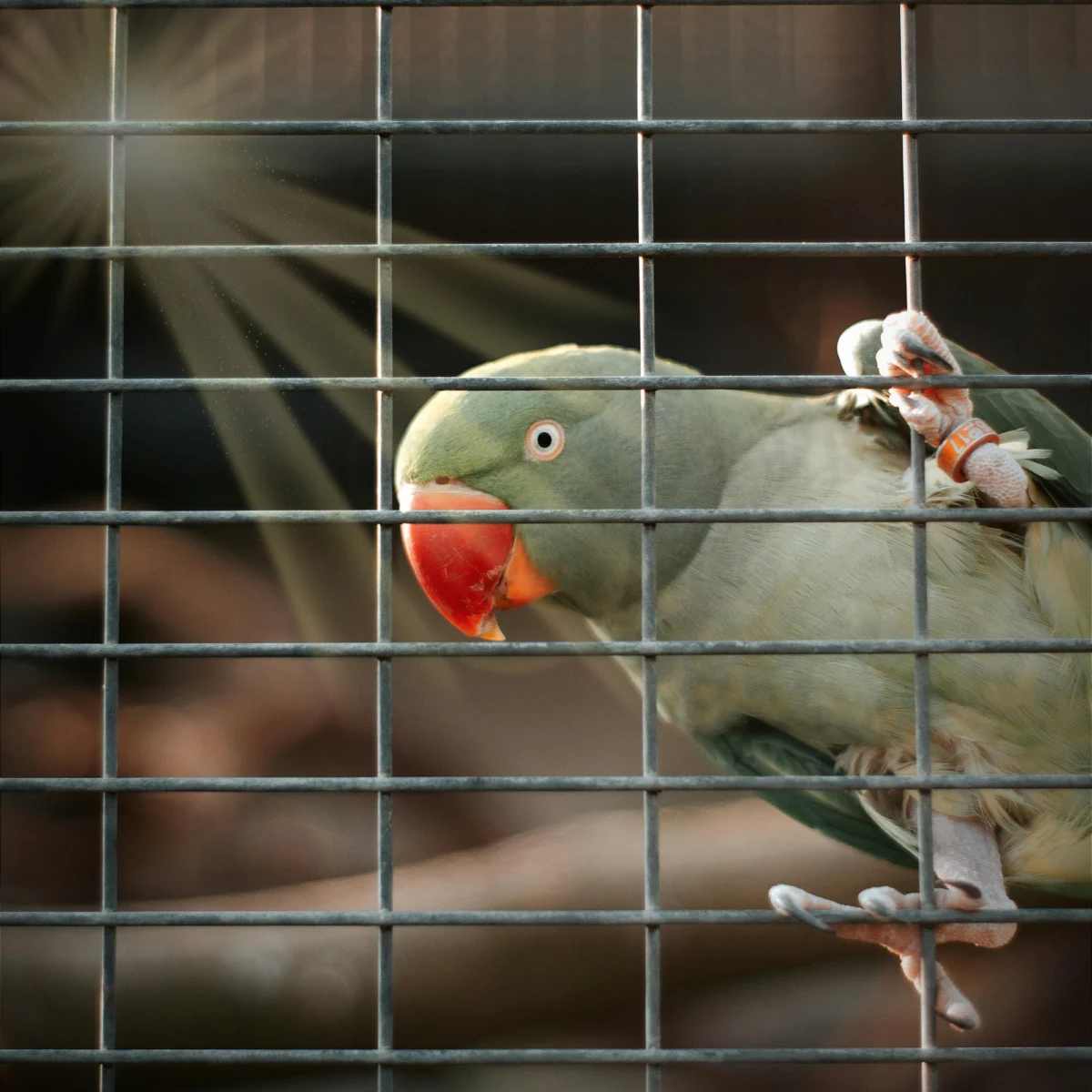
As summer temperatures soar, bringing with them a season of outdoor activities and cooling refreshments for humans, a critical aspect of pet care often goes overlooked: the unique vulnerability of companion birds to heat stress. While wild birds possess innate strategies for thermoregulation—seeking natural shade, frequent bathing, and foraging for moisture-rich foods—domesticated parrots and other avian companions are entirely reliant on their caregivers to replicate these essential survival mechanisms. This dependence underscores the urgent need for a proactive approach to pet bird welfare during the warmer months, particularly concerning nutritional intake.
When ambient temperatures consistently climb into the 80s and 90s Fahrenheit (27-32°C+), the environment transitions from merely warm to intensely challenging for avian physiology. Such conditions can induce significant stress in birds, manifesting in behaviors like feather fluffing, rapid panting, and altered droppings—all indicators of a body working overtime to dissipate heat. This article delves into the crucial role of nutrition in bolstering a bird’s resilience to heat, offering practical guidance on cooling foods, targeted supplements, and essential feeding practices designed to ensure pet birds remain hydrated, healthy, and comfortable throughout the summer season.
The Intensifying Challenge of Summer Heat for Pet Birds
The global rise in temperatures and the increasing frequency of extreme heat events present an escalating challenge for pet owners. According to climatological data, many regions are experiencing longer and more intense heatwaves, directly impacting the living conditions of indoor animals. For pet birds, this means their enclosed environments, even with air conditioning, can still pose risks if their internal physiological responses are not adequately supported. Unlike humans who sweat to cool down, birds employ different, often more energy-intensive, methods of thermoregulation, making nutritional support paramount.
Understanding Avian Thermoregulation and Heat Stress
Birds, despite their feathered insulation, do not possess sweat glands. Their primary mechanisms for cooling include:
- Panting (Gular Fluttering): Rapid, shallow breathing that increases evaporative cooling from the respiratory tract. This process, however, consumes significant energy and can lead to dehydration if not replenished.
- Feather Adjustments: Fluffing feathers creates air pockets that can trap cooler air or, conversely, sleekening feathers to allow body heat to dissipate.
- Behavioral Adaptations: Seeking shade, reducing activity levels, and bathing are natural responses.
- Vasodilation: Increasing blood flow to unfeathered areas like legs and feet to release heat.
These processes demand considerable metabolic energy and adequate hydration. When the body’s internal cooling systems are overwhelmed, birds can quickly succumb to heat stress, potentially leading to heatstroke—a life-threatening condition. Avian veterinary experts consistently emphasize that nutritional deficiencies can compromise these thermoregulatory efforts, making a tailored summer diet not merely beneficial but essential.
Identifying the Subtle Signs of Overheating
A critical aspect of summer bird care is the ability to recognize the subtle indicators of heat stress before they escalate into an emergency. Birds, by instinct, often mask signs of weakness, making vigilant observation crucial. Key symptoms of overheating or dehydration include:
- Rapid, Open-Mouth Breathing or Panting: More pronounced than usual, often accompanied by a bobbing head.
- Holding Wings Away from the Body: An attempt to allow air circulation and release heat.
- Lethargy or Weakness: Reduced activity, reluctance to move, or appearing unusually tired.
- Fluffed Feathers: Paradoxically, while sometimes a cooling mechanism, excessive fluffing can also indicate distress or an attempt to regulate temperature when other methods are failing.
- Loss of Appetite or Refusal to Eat: Dehydrated birds may lose interest in food.
- Changes in Droppings: Small, dry droppings or, conversely, excessively watery droppings due to increased water intake or internal distress.
- Sunken Eyes: A classic sign of severe dehydration.
These signs can develop rapidly, particularly in vulnerable populations such as older birds, overweight individuals, smaller species (e.g., budgies, finches) with higher metabolic rates, or birds with pre-existing health conditions. Proactive environmental management, such as ensuring a cool, well-ventilated space, must be coupled with strategic dietary adjustments to mitigate these risks.
The Pivotal Role of Nutrition in Avian Thermoregulation
Thermoregulation, the process by which an organism maintains its core internal temperature, is an energy-intensive biological function. Every dietary component a bird consumes either supports or hinders this delicate balance. During periods of elevated environmental temperatures, certain nutrients become indispensable for boosting hydration, mitigating inflammation, supporting the integrity of feather structure (which acts as a natural insulator), and safeguarding sensitive respiratory tissues from heat-induced damage. The focus shifts from merely providing energy to actively fostering heat resilience.
Essential Nutrients for Summer Avian Health
1. Electrolytes for Optimal Hydration and Nerve Function
Electrolytes—including potassium, sodium, calcium, and magnesium—are vital minerals that facilitate myriad bodily functions, notably fluid balance, nerve impulse transmission, and muscle contraction, including the critical function of the heart. In hot conditions, birds experience increased fluid loss through respiration and excretion, leading to rapid depletion of these essential salts. Without adequate electrolyte replenishment, the body struggles to retain water, accelerating dehydration and fatigue.
- Expert Recommendation: Avian veterinarians frequently advise offering water-rich foods such as cucumber, various melons (watermelon, cantaloupe), and soaked sprouts. During severe heatwaves, or following stressful events like travel or molting, a bird-safe electrolyte supplement, specifically formulated for avian species, can provide crucial support. These supplements help restore the ionic balance, ensuring cellular function and systemic hydration.
2. Omega-3 Fatty Acids for Feather Integrity and Anti-Inflammation
Omega-3 fatty acids are celebrated for their multifaceted health benefits, playing a dual role in hot weather. They are fundamental for maintaining healthy skin and robust feather quality, both of which are critical for effective insulation and cooling mechanisms. Furthermore, omega-3s are potent anti-inflammatory agents, reducing internal heat generated by chronic inflammation.
- Physiological Impact: Under heat stress, cellular membranes must remain fluid and strong to function optimally. Omega-3s contribute to this structural integrity, helping cells cope with thermal challenges. By reducing systemic inflammation, they indirectly lower the bird’s internal thermal load, promoting a state of "cool, calm, and collected."
- Dietary Sources: Excellent natural sources include chia seeds, flax meal (ground flaxseed for better absorption), and, in very small, appropriate amounts, bird-safe red palm oil. These ingredients can be incorporated into daily chop or offered as part of a balanced seed mix.
3. Vitamin A for Mucosal and Respiratory Health
Vitamin A is indispensable for preserving the health and moisture of mucous membranes, particularly those lining the skin, sinuses, and respiratory tract. This is especially crucial in dry, hot environments where dehydration can compromise these protective barriers. A robust vitamin A status ensures a strong primary defense against environmental irritants such as dust, dry air, and even particulate matter from wildfire smoke, which can become more prevalent in summer.
- Immune Support: Prolonged heat exposure can suppress immune function. Vitamin A’s role in immune modulation helps birds maintain their defenses even under thermal stress.
- Natural Sources: Carrots, sweet potatoes, and dark leafy greens such as kale, collard greens, and dandelion greens are rich in beta-carotene, a precursor that the bird’s body efficiently converts into active vitamin A. Supplementation with a single drop of Red Palm Oil can also safely boost vitamin A and E intake.
The Summer Cool-Down Bird Chop: A Nutritional Lifeline
A tailored "chop" recipe is a cornerstone of summer avian nutrition. This small-batch formulation is designed to be highly hydrating, nutrient-dense, and palatable, making it an ideal component of a heat-resilient diet.
Summer Cool-Down Bird Chop (Small Batch)
- Yields: Approximately 2 cups (sufficient for 5-7 servings for a large parrot, or more for smaller species).
- Ingredients:
- 1/3 cup cucumber, finely diced (high water content)
- 3 tbsp bell pepper (any color), finely chopped (Vitamin C, antioxidants)
- 3 tbsp broccoli, finely chopped (Vitamins C, K, fiber)
- 3 tbsp shredded carrot (Beta-carotene for Vitamin A)
- 1/3 cup chopped kale, collard, or dandelion greens (Vitamins A, K, calcium)
- 2 tbsp fresh herbs (cilantro, basil, or parsley) (Antioxidants, flavor)
- 1/4 cup sprouted lentils or mung beans (Protein, enzymes, moisture)
- Optional cooked additions: 2 tbsp cooked sweet potato (complex carbs, Vitamin A), 2 tbsp cooked quinoa or brown rice (cooled) (energy, minerals)
- Preparation:
- Thoroughly wash all produce to remove pesticides or contaminants.
- Chop or shred vegetables to an appropriate size for your bird’s species, ensuring easy consumption.
- Combine all ingredients in a small bowl, mixing well.
- For future servings, portion the chop into ice cube trays or silicone molds and freeze.
- Thaw individual portions as needed and enhance with recommended toppers before serving.
- Recommended Toppers (per serving):
- 1/4 tsp OmegaGlow (for Omega-3s)
- 1/4 tsp SereniTea or Chamomile (for calming properties, reducing stress)
- 1/2 tsp Red Palm Oil (optional boost for Vitamin A & E)
Adjusting Protein Intake: A Seasonal Imperative
While protein is essential for muscle maintenance, feather growth, and immune function, its digestion generates "metabolic heat." In hot weather, a high-protein diet can inadvertently increase a bird’s internal temperature, counteracting thermoregulatory efforts.
- Summer Guideline: Avian nutritionists recommend reducing the total protein content in a bird’s diet during summer. Aim for 10-15% of the total food volume as protein, concentrating its provision in the cooler morning hours. The remainder of the diet should prioritize hydrating vegetables, sprouts, and fresh greens.
- Caution: High-protein treats like eggs, nuts, seeds, and legumes should be offered in strict moderation and preferably in the morning. Large quantities or afternoon servings can exacerbate heat stress.
| Bird Size | Winter Protein Intake | Summer Protein Intake |
|---|---|---|
| Small (Budgie, Cockatiel) | 15–20% of total diet | 10–12% of total diet |
| Medium (Conure, Quaker) | 18–22% of total diet | 12–15% of total diet |
| Large (Amazon, African Grey) | 20–25% of total diet | 15–18% of total diet |
*Percentages are based on food volume, not weight. Always consult an avian veterinarian for species-specific needs, especially during breeding, molting, or recovery periods.
Strategic Supplementation for Enhanced Heat Resilience
Beyond a balanced diet, targeted supplements can serve as a "secret weapon" to enhance a bird’s ability to cope with summer heat. These specialized formulations can accelerate recovery from heat stress, reinforce hydration, and even soothe the nervous system during potentially chaotic summer months (e.g., fireworks, increased outdoor noise).
-
Key Ingredients to Look For:
- Electrolyte Blends: Essential for fluid balance and preventing dehydration.
- Antioxidants (e.g., Vitamin C, Vitamin E): Combat oxidative stress induced by heat.
- Omega Fatty Acids: Support skin, feather health, and reduce inflammation.
- Probiotics/Prebiotics: Maintain gut health, which can be compromised by stress.
- Calming Herbs (e.g., Chamomile): Address stress and anxiety often heightened by heat or summer disruptions.
- Biotin and B Vitamins: Support metabolism and feather quality.
-
Recommended Picks: Products like OmegaGlow (for Omega-3s), Calmi Chamomile (for stress reduction), Red Palm Oil (for Vitamins A & E), and FeatherUp multivitamin with biotin are often recommended by avian specialists for summer support.
-
Integrating Supplements into the Diet: The most effective and bird-friendly method is to mix supplements directly into the morning chop.
- Start Small: Begin with a minimal amount to allow your bird to acclimate to any new taste or texture.
- Mix Thoroughly: Ensure even distribution within the chop to prevent selective eating.
- Rotate Offerings: Vary supplements to prevent boredom and provide a broad spectrum of nutrients.
- Consistency is Key: Regular, consistent administration yields the best results.
Optimized Feeding Practices for Hot Weather
1. Timing and Serving Temperature
The timing of meals is as crucial as the contents of the bowl during summer. The ideal time to offer fresh chop or other moist foods is early in the day, before temperatures peak.

- Morning Feeding Advantage: Birds are typically most active and receptive to food in the morning. Serving fresh, cool chop at this time maximizes consumption and hydration while minimizing the risk of spoilage.
- Spoilage Prevention: Fresh foods should not be left in the cage during the hottest parts of the day (midday to afternoon), especially in non-climate-controlled environments. Warm temperatures combined with moisture create an ideal breeding ground for bacteria. Uneaten fresh food should be removed within two hours, or sooner if ambient temperatures exceed 80°F (27°C).
2. Storage and Spoilage Prevention
Food safety becomes paramount in summer. Fresh fruit and vegetable-based chops can spoil rapidly.
- Refrigeration: Store prepared chop in airtight containers in the refrigerator for a maximum of 2-3 days.
- Freezing: Freezing chop in individual portions (e.g., ice cube trays) extends its shelf life significantly, up to 1-2 months.
- Thawing: Thaw frozen portions in the refrigerator overnight or briefly at room temperature, ensuring they remain cool. Never refreeze thawed food.
- Visual Cues: Any sliminess, off-smell, or discoloration indicates spoilage, and the food should be discarded immediately to protect your bird’s delicate digestive system.
3. Chilling and Freezing for Enrichment
Cold treats can be both hydrating and stimulating, combating both heat and boredom.
- Frozen Fruit Skewers: Offer small, bird-safe fruit chunks (berries, melon) on a stainless steel skewer.
- Ice Cubes with Treats: Freeze small pieces of fruit or herbs in water to create edible "ice toys."
- Chilled Veggie Sticks: Offer refrigerated cucumber, carrot, or bell pepper sticks for a refreshing crunch.
- "Chop Cubes": Freeze leftover chop in small portions for a cool, nutritious snack.
Common Nutritional Mistakes to Avoid in Summer
1. Overfeeding Sugary Fruits: While appealing, excessive fruit intake can lead to sugar spikes, liver stress, and an imbalance in hydration. Prioritize low-sugar fruits like berries, kiwi, or melon in small quantities, and avoid bananas, mangoes, dried fruits, or fruit juices.
2. Relying Solely on Dry Foods: Pellets and seeds lack the necessary moisture for adequate hydration in hot weather. Combine dry feeds with moisture-rich chop, soaked pellets, or fresh vegetables.
3. Ignoring Seasonal Dietary Shifts: A bird’s metabolic needs change with the seasons. A winter diet, typically higher in fats and proteins for warmth and energy, can be detrimental in summer. Transition to lighter, cooling, and calming foods.
| Do This | Stop That |
|---|---|
| Offer small portions of fresh berries, kiwi, melon | Avoid bananas, mango, dried fruits, fruit juice |
| Serve moist chop with soaked pellets and veggies | Don’t rely on dry seeds, crackers, nuts alone |
| Adjust diet for the season: lighter, cooling, calming | Skip winter routines with high-protein or fatty foods |
FAQs: Feeding Pet Birds in Summer
- Is it okay to feed pellets in hot weather? Yes, pellets form a good nutritional base, but their dry nature necessitates pairing them with water-rich foods (veggies, sprouts, soaked pellets) to support hydration.
- Can I give cold or frozen foods? Absolutely. Frozen fruit chunks or mini "chop cubes" offer enjoyable enrichment. Ensure they are bird-safe and offered in moderation to avoid over-chilling.
- How often should I change my bird’s water? Water should be changed at least twice daily in hot weather, or whenever it appears murky, contains debris, or feels warm. Daily washing of bowls with hot, soapy water is crucial to prevent bacterial buildup. Clean, cool water is a life-saving necessity.
- How often should I clean the cage during summer? Increased humidity, fresh food, and droppings create an ideal environment for dangerous bacteria and fungi, especially Aspergillus, which can cause deadly aspergillosis. Wipe down cage bars and perches daily, remove spoiled food immediately after meals, and deep-clean food and water dishes daily. Inspect and clean cage corners and tray crevices at least twice a week, as mold often hides in unseen areas.
Conclusion: A Commitment to Avian Welfare
The comfort and safety of pet birds during hot weather fundamentally depend on the nutritional choices made by their caregivers. Implementing a summer-specific diet, rich in hydrating foods, balanced nutrients, and appropriate supplements, is not merely a beneficial practice but a cornerstone of responsible pet ownership. By prioritizing internal cooling and hydration, owners can significantly mitigate the risks of heat stress, safeguarding their feathered companions from the inside out and ensuring they navigate the dog days of summer with vitality and well-being. This proactive approach underscores a commitment to the long-term health and happiness of these cherished household members.
References:
Burroughs, D. (2025, June 24). Beat bird heat stroke—From the inside out. BirdSupplies.com. https://birdsupplies.com/blogs/news/birds-in-the-heat-feed-this-not-that
Cusick, D. (2023, October 26). Millions of baby birds are dying from extreme heat. Scientific American. https://www.scientificamerican.com/article/millions-of-baby-birds-are-dying-from-extreme-heat/
Doneley, B. (2010). Avian Medicine and Surgery in Practice (2nd ed.). Elsevier Health Sciences.
Duncan, I. J. H., & Mench, J. A. (1990). The welfare of poultry in relation to protein nutrition and thermoregulatory stress. Journal of Avian Medicine and Surgery, 4(3), 155–163.
Hawkins, M. G., & Kistler, W. S. (2006). Cloacal temperature and thermoregulation mechanisms in budgerigars (Melopsittacus undulatus). Journal of Avian Medicine and Surgery, 20(2), 96–102.
National Research Council. (2004). Nutrient Requirements of Poultry and Other Specialty Birds (2nd ed.). National Academies Press.
Tey, A. (2013, July 18). How to help birds beat the heat. Audubon Magazine. https://www.audubon.org/news/how-help-birds-beat-heat
About the Author:
Diane Burroughs, LCSW, brings over 30 years of experience helping bird lovers build stronger, healthier bonds with their parrots. With a foundation in psychotherapy and Applied Behavior Analysis (ABA), Diane combines proven behavioral science with simple, real-life strategies anyone can use. Through her books, behavior consultations, and UnRuffledRx parrot wellness products, she’s dedicated to helping real bird owners create trust, confidence, and a lifetime of positive experiences with their feathered companions. Diane’s products have been featured in the Journal of Avian Medicine and Surgery and at ExoticsCon, a national conference for exotic animal veterinarians. Her bird collars and supplements are trusted by avian vets and stocked in vet clinics across the U.S. With thousands of individualized behavior plans under her belt, Diane’s mission is simple: to help parrots and their people thrive together.
TAGS: #BirdHeatStroke #CanBirdsDieOfHeat #BirdSummerCare
