

As the global community observes World Water Day on March 22, the international discourse surrounding conservation has shifted from domestic efficiency to industrial scrutiny. While the traditional narrative of water preservation has long emphasized individual actions—such as shortening showers and repairing household leaks—environmental scientists and policy experts are increasingly highlighting a more significant driver of water depletion: the global food system. As freshwater supplies reach critical lows in many regions, the intersection of animal agriculture and hydrologic sustainability has become a focal point for institutional reform and public awareness.
The Evolution of World Water Day and the Global Crisis
World Water Day was formally proposed during the 1992 United Nations Conference on Environment and Development in Rio de Janeiro. The first observance took place in 1993, and in the decades since, the day has served as a platform to advocate for the sustainable management of freshwater resources. The urgency of this mission has intensified as the 21st century progresses. According to the United Nations, approximately 2.2 billion people currently live without access to safely managed drinking water, and by 2050, it is estimated that up to 5.7 billion people could be living in areas where water is scarce for at least one month a year.
The theme of water security is intrinsically linked to Sustainable Development Goal 6, which aims to ensure the availability and sustainable management of water and sanitation for all by 2030. However, meeting these targets requires a comprehensive understanding of where water is actually going. While municipal use accounts for a fraction of global consumption, the agricultural sector is responsible for roughly 70% of all freshwater withdrawals worldwide. Within that sector, the production of animal-based proteins emerges as the most resource-intensive enterprise.
The Hidden Hydrology of Animal Agriculture
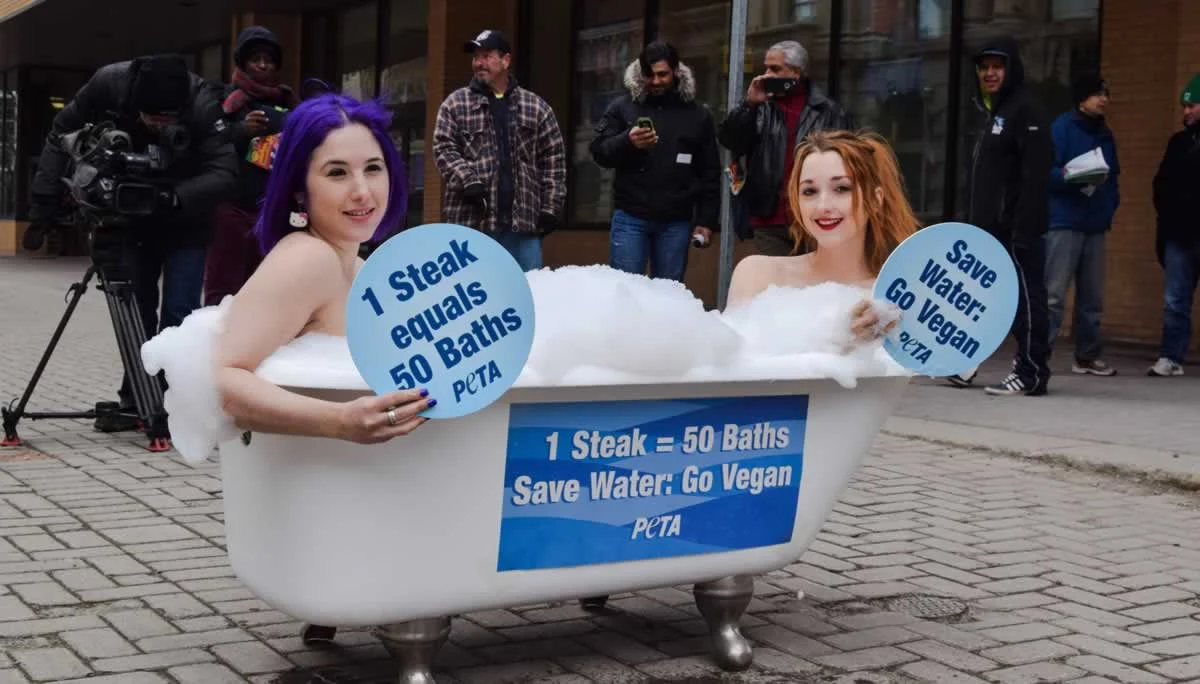
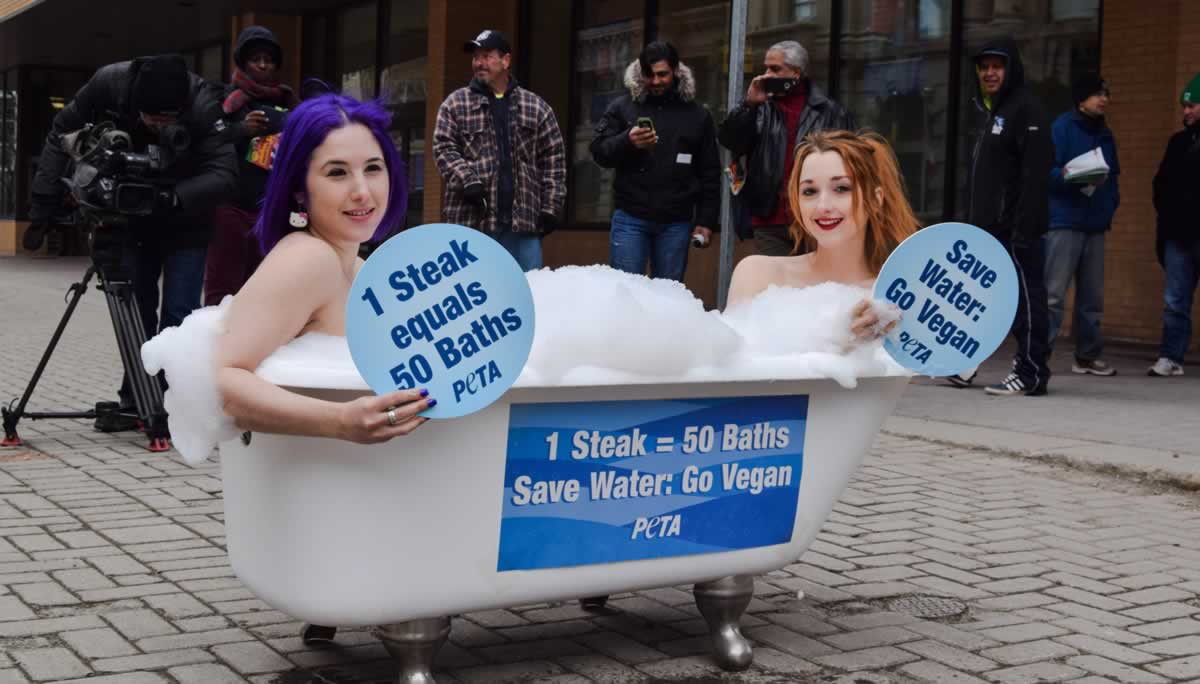
The concept of "virtual water"—the volume of freshwater used to produce a product, measured at the place where the product was actually made—reveals the staggering scale of industrial livestock production. In the United States, data suggests that 55% of the total freshwater supply is diverted to the raising of animals for food. This consumption is not merely a result of animals drinking water; rather, the vast majority of this footprint stems from the irrigation of feed crops, such as corn and soy, and the intensive cleaning processes required in concentrated animal feeding operations (CAFOs) and slaughterhouses.
The disparity between animal-based and plant-based nutrition is stark when viewed through a hydrologic lens. To produce a single pound of beef, estimates from the Water Footprint Network suggest a requirement of approximately 1,800 to 2,500 gallons of water. In contrast, a pound of wheat requires about 25 gallons, and a pound of potatoes requires approximately 34 gallons. Even when comparing processed alternatives, the data remains consistent: a standard beef burger requires significantly more water—often cited as 75% to 80% more—than a plant-based or "veggie" burger of the same weight.
Environmental Degradation and the Marine Ecosystem
The impact of industrial food production extends beyond the depletion of reservoirs into the contamination of existing water bodies. The livestock industry generates massive quantities of waste, which often contains nitrogen, phosphorus, antibiotics, and pathogens. When these substances leach into groundwater or run off into river systems, they contribute to eutrophication—a process that creates "dead zones" in coastal waters where oxygen levels are too low to support marine life. The Gulf of Mexico, for example, experiences a massive annual dead zone largely fueled by agricultural runoff from the American Midwest.
Furthermore, the commercial fishing and aquaculture industries pose unique threats to aquatic health. While often perceived as a "water-neutral" source of protein, industrial fish farming (aquaculture) can be highly polluting. Coastal farms often release concentrated waste, parasites, and non-native species into sensitive marine environments. The use of antibiotics in these crowded pens can lead to the development of resistant bacteria, further compromising the integrity of the surrounding ecosystem.
A Chronology of Resource Management and Policy Shifts
The recognition of diet as a primary lever for water conservation has developed over several decades of environmental research.
- 1990s: Early "virtual water" research by Professor Tony Allan begins to quantify the hidden water costs of global trade commodities, including meat.
- 2006: The Food and Agriculture Organization (FAO) of the United Nations releases "Livestock’s Long Shadow," a seminal report detailing the industry’s role in land degradation, climate change, and water depletion.
- 2015: The UN adopts the 2030 Agenda for Sustainable Development, placing water management at the center of global stability.
- 2020-Present: Increasing frequency of "megadroughts" in regions like the American West and Southern Europe forces a re-evaluation of water allocations for water-thirsty crops like alfalfa, which is primarily grown as cattle feed.
In response to these trends, several nations have begun integrating sustainability metrics into their national dietary guidelines. For instance, the Netherlands and Nordic countries have updated their nutritional recommendations to encourage a reduction in meat consumption, citing both public health benefits and the necessity of reducing the national environmental footprint.
Institutional Responses and Expert Analysis
Environmental advocacy groups and intergovernmental organizations have intensified their calls for a systemic shift toward plant-forward diets. Organizations such as the World Resources Institute (WRI) have argued that without a significant reduction in meat consumption among high-income nations, it will be impossible to feed a global population of 10 billion by 2050 without exhausting the planet’s freshwater reserves.
"The math of water conservation is simple but the implementation is complex," notes a senior analyst in environmental resource management. "We are seeing a scenario where we use thousands of gallons of water to produce a few grams of protein through a cow, when we could produce that same protein with a fraction of the water through legumes or grains. As climate change makes rainfall less predictable, this inefficiency becomes a matter of national security."
Conversely, industry representatives from the meat and dairy sectors often emphasize improvements in efficiency and the role of livestock in utilizing marginal lands that cannot support crops. However, critics argue that the sheer scale of modern industrial production far exceeds the capacity of regenerative or marginal-land grazing to meet current global demand without catastrophic water loss.
The Broader Implications: Health, Climate, and Ethics
The transition toward a plant-based diet is increasingly viewed as a "triple-win" strategy for global sustainability. Beyond the preservation of trillions of gallons of water annually, a shift away from animal agriculture significantly reduces greenhouse gas emissions—specifically methane and nitrous oxide—which are more potent than carbon dioxide in the short term.
From a public health perspective, diets rich in whole, plant-based foods are associated with lower risks of cardiovascular disease, type 2 diabetes, and certain types of cancer. When individuals choose to adopt a vegan lifestyle, they are not only contributing to a more sustainable hydrologic cycle but are also opting out of a system that processes billions of animals annually. Estimates suggest that one individual transitioning to a vegan diet can save approximately 219,000 gallons of water and spare the lives of roughly 200 animals each year.
Conclusion: The Path Forward on World Water Day
As the world reflects on the value of water this March 22, the evidence suggests that the most impactful conservation tool is not found in the plumbing of a home, but on the plate of the consumer. The integration of water-efficient dietary choices into broader climate and resource management strategies is no longer a fringe environmental suggestion; it is a mathematical necessity for a water-scarce future.
The "3-week vegan challenge" and similar initiatives serve as entry points for the public to experience the feasibility of these changes. However, long-term security will likely require a combination of individual behavioral shifts and institutional policy changes, such as the redirection of agricultural subsidies away from water-intensive livestock feed and toward sustainable crop production. In a world where every drop is increasingly precious, the choice to move toward a plant-based food system represents one of the most effective ways to ensure that clean, accessible water remains available for generations to come.
