


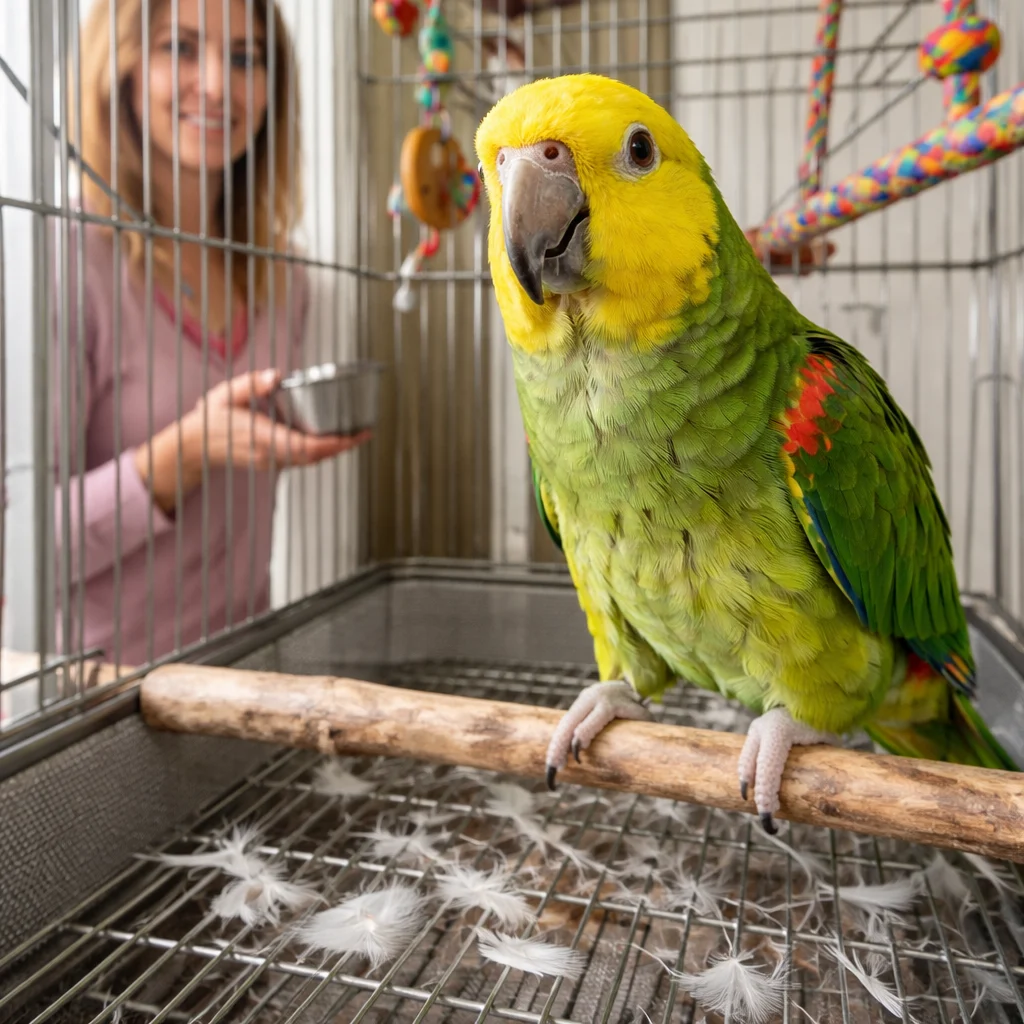
The sudden discovery of a floor covered in feathers is a common and often alarming experience for bird owners. While an immediate reaction might be concern for the bird’s health or well-being, distinguishing between a natural biological process and a behavioral or medical issue is paramount. Expert avian behaviorists and veterinarians emphasize that understanding the nuances of feather loss is crucial for appropriate intervention, ensuring the long-term health and welfare of companion birds. The key to mitigating owner anxiety and providing timely care often lies in simple, systematic observation.
The Biological Imperative: Understanding the Avian Molt Cycle
Molting is a fundamental biological process for birds, essential for maintaining feather quality, flight efficiency, insulation, and camouflage. Feathers are non-living structures once fully grown, similar to human hair, and naturally degrade over time due to wear and tear, exposure to sunlight, and preening. To counteract this deterioration, birds regularly replace their old, worn feathers with new ones in a cyclical process known as molting.
The frequency and duration of molts vary significantly by species, age, and environmental factors. Most birds undergo at least one complete molt annually, often triggered by seasonal changes in daylight hours, temperature, and food availability. Smaller passerine birds, for instance, may molt more frequently, sometimes twice a year, while larger psittacines (parrots) might have a more extended, less frequent molt cycle that can last several months. During a complete molt, a bird will systematically shed and replace nearly all its feathers, a process that is highly energy-intensive. Partial molts, which involve replacing only a subset of feathers, are also common.
The physiological demands of molting are considerable. The bird’s body diverts significant protein and energy resources towards growing new feathers, which are primarily composed of keratin. This increased metabolic load can sometimes make birds appear lethargic, irritable, or less active. Owners may also observe "bird dander" – fine, white, powdery flakes – which are remnants of the keratin sheaths that protect new pin feathers as they emerge. This dander is a normal byproduct of healthy feather growth, indicating that old, waxy coatings are being shed to reveal mature feathers.
Deciphering Feather Forensics: The 10-Second "Shaft Test"
When confronted with a sudden influx of fallen feathers, a quick, empirical assessment can often differentiate between a healthy molt and a more concerning issue. The "Shaft Test," a simple visual examination of a fallen feather, provides immediate diagnostic clues.
-
Indicative of Molting: A feather shed naturally during a molt will typically have a smooth, clear, and slightly pointed quill (the calamus), which is the hollow, basal portion that was embedded in the skin. Its appearance suggests a clean, natural detachment from the follicle. The presence of white dander on the feather or in the cage further supports a molting diagnosis. The distribution of shed feathers during a molt is also often relatively even across the cage floor, reflecting the systematic replacement process.
-
Indicative of Plucking: In contrast, a feather that has been plucked or excessively preened will show signs of damage at the quill end. It may appear "chewed," jagged, broken, or snapped off. If the quill remains in the skin but the feather vane is gone, or if the tip of the quill is bloody and ragged, this strongly suggests the bird has forcibly removed the feather or damaged it through over-preening. Such feathers are typically found in concentrated areas rather than uniformly distributed.
Understanding Feather Plucking: A Multifaceted Behavioral and Medical Challenge
Feather plucking, or pterotillomania, is a complex and distressing condition where a bird damages or removes its own feathers, often to the point of creating bare patches. Unlike molting, which is a natural physiological process, plucking is a symptom of an underlying problem—either medical, environmental, or psychological. It is critical to recognize plucking as a sign of distress or discomfort rather than a mere "bad habit."
Chronology and Progression: Plucking often begins subtly, with a bird perhaps over-preening certain areas or exhibiting increased grooming behavior. Over time, if the underlying cause is not addressed, this can escalate to feather destruction, self-mutilation, and even damage to the skin. The progression can be gradual, making early detection challenging but vital.
Underlying Causes of Feather Plucking:
-
Medical Conditions: Avian veterinarians consistently highlight that medical issues are a primary cause of plucking. These can include:
- Dermatological problems: Skin infections (bacterial, fungal), parasites (mites, giardia), allergies, or dry skin.
- Internal diseases: Liver disease, kidney disease, endocrine disorders (e.g., thyroid imbalance), or PBFD (Psittacine Beak and Feather Disease).
- Nutritional deficiencies: Lack of essential fatty acids (Omega-3s), Vitamin A, B-vitamins, or specific minerals can compromise feather and skin health, leading to irritation.
- Toxicity: Exposure to heavy metals (e.g., zinc, lead) or other environmental toxins.
- Pain: Arthritis, internal tumors, or injury can cause a bird to focus on and pluck feathers around the painful area.
-
Environmental Factors: The bird’s immediate surroundings play a significant role:
- Inadequate Humidity: Dry indoor air, especially in heated homes, can lead to dry, itchy skin, prompting plucking.
- Lack of Bathing Opportunities: Regular bathing or misting is essential for feather health and skin hydration.
- Poor Cage Environment: Cages that are too small, lack appropriate perches, or are located in high-traffic or stressful areas can contribute to anxiety.
- Inadequate Lighting: Lack of access to full-spectrum UVA/UVB lighting can disrupt a bird’s natural circadian rhythms and vitamin D synthesis, impacting overall health and behavior.
- Environmental Irritants: Exposure to cigarette smoke, aerosols, harsh cleaning chemicals, or strong scents can irritate a bird’s respiratory system and skin.
-
Psychological and Behavioral Issues: Avian behaviorists emphasize that many cases of plucking stem from mental or emotional distress:
- Boredom and Lack of Enrichment: Highly intelligent and social birds, particularly parrots, require constant mental stimulation. A lack of toys, foraging opportunities, or social interaction can lead to boredom, which is often channeled into self-destructive behaviors like plucking.
- Anxiety and Stress: Changes in routine, new pets, loud noises, perceived threats, or separation anxiety can induce stress.
- Hormonal Imbalance: Breeding season or chronic hormonal stimulation can lead to excessive preening, nest-building behaviors (even in the absence of a nest), and aggression, sometimes escalating to plucking.
- Lack of Socialization: Birds are flock animals. Insufficient interaction with their human companions or other birds can lead to loneliness and a need for attention, which plucking can sometimes elicit.
- Displacement Behavior: When a bird cannot express a natural behavior (e.g., flying, foraging), it may displace that energy into plucking.
The Safety Check: Blood Feathers
During either a molt or the emergence of new feathers after plucking, a critical observation involves "blood feathers" or "pin feathers." A newly emerging feather has a live blood supply running through its shaft, which nourishes the growing feather. These "pin feathers" are encased in a keratin sheath. If a blood feather is broken or damaged, it can bleed profusely, creating a veterinary emergency. Owners should be prepared to apply pressure to stem bleeding or seek immediate veterinary care if bleeding is severe or persistent.
The 2-Step "Peace of Mind" Diagnostic Protocol
Beyond the initial feather shaft test, two further steps can help owners gain clarity and peace of mind regarding their bird’s feather loss.
-
The "Mist & Part" Test: Dry feathers can obscure the condition of the skin beneath. Lightly misting the bird with plain water or an avian-safe Aloe Vera spray (which can also soothe irritated skin) allows the feathers to separate. Gently parting the damp feathers then reveals the underlying skin.
- Indicative of Molting: The presence of numerous small "spikes" or "pins" (new pin feathers) pushing through the skin is a definitive sign of molting. The skin itself should appear healthy, without significant redness, irritation, or lesions.
- Indicative of Plucking: Bare, raw, red, or inflamed skin, often accompanied by scabs or abrasions, strongly suggests plucking. The absence of new pin feathers in bare areas, especially those the bird can easily reach, is a red flag.
-
The "Hot Spot" Species Check: Behavioral plucking often follows a predictable pattern depending on the species and the bird’s ability to reach certain areas with its beak or feet. While any area can be affected, some "hot spots" are particularly common:
- African Greys: Frequently pluck under the wings or the inner thighs. These are areas that are easily accessible and can be sites of early irritation.
- Cockatiels: Often target the shoulders or the center of the chest. These areas are prone to preening and can become focal points for anxiety-induced plucking.
- Cockatoos: Are notorious for plucking the chest, belly, and even the head. Cockatoos are highly intelligent and adept at using their feet to reach areas their beak cannot, making them capable of extensive self-mutilation.
The Rule of Thumb: In a normal, healthy molt, head feathers usually appear as visible "spikes" (pin feathers) as they emerge. Totally bare, raw, or scratched skin on the head or any other part of the body, particularly in conjunction with other signs of distress, should prompt concern.
Avian Veterinary Perspectives and Intervention
Leading avian veterinarians recommend early intervention for any suspected case of plucking. A comprehensive veterinary examination is crucial to rule out underlying medical conditions. This typically includes:
- Thorough Physical Examination: Assessing the bird’s overall condition, weight, feather quality, and skin integrity.
- Diagnostic Tests: Blood work (CBC, biochemistry panel) to check for organ function, nutritional deficiencies, or infections; skin scrapings or biopsies to identify parasites, fungal infections, or dermatitis; and sometimes radiographs or endoscopy for internal issues.
- Dietary Review: A detailed discussion of the bird’s diet to identify potential nutritional imbalances.
- Environmental Assessment: Evaluating the bird’s cage setup, daily routine, and interaction patterns.
Veterinarians like Diane Burroughs, founder of UnRuffledRx® and a specialist in avian feather plucking, emphasize a "behavior-first" protocol once medical causes are ruled out. This holistic approach combines nutritional support with targeted behavioral and environmental modifications.
Comprehensive Management Strategies for Feather Health
Whether a bird is navigating a demanding molt or struggling with the skin irritation and underlying issues of plucking, a multi-pronged approach is often necessary for recovery.
-
Nutritional Optimization: A balanced diet is foundational. This includes a high-quality pelleted diet supplemented with fresh fruits, vegetables, and sprouted seeds. Specific supplements, such as Omega-3 fatty acids (for skin and feather quality), B-vitamins (for nerve function and stress reduction), and Vitamin A (for skin health), can be crucial, particularly when deficiencies are suspected or confirmed.
-
Environmental Enrichment: A stimulating environment is vital for preventing boredom and stress. This involves:
- Appropriate Cage Size: Allowing for full wing extension and movement.
- Variety of Toys: Regularly rotating foraging toys, shreddable toys, and puzzle toys.
- Bathing Opportunities: Daily misting or access to a bird bath.
- Full-Spectrum Lighting: Providing adequate UV-A and UV-B light, which is essential for psychological well-being and vitamin D synthesis.
- Consistent Routine: Predictable feeding times, interaction, and sleep cycles.
-
Behavioral Modification: Addressing psychological triggers requires patience and consistency. This may include:
- Increased Social Interaction: Regular, positive interaction with owners.
- Foraging Opportunities: Encouraging natural foraging behaviors to keep the bird mentally engaged.
- Stress Reduction: Identifying and minimizing stressors in the environment.
- Positive Reinforcement: Rewarding desired behaviors to redirect attention away from plucking.
-
Topical Relief and Skin Support: Products like Aloe Vera spray, as mentioned by specialists, can provide topical relief for irritated skin during a heavy molt or in cases of mild plucking, helping to soothe dryness and reduce itching. However, these are supportive measures and not a substitute for addressing the root cause.
Broader Impact and Implications
The issue of feather plucking underscores the evolving understanding of avian welfare. As companion bird ownership becomes more prevalent, the need for specialized knowledge regarding their complex physiological and psychological needs has grown. The work of experts like Diane Burroughs, who bridges psychotherapy and avian behavior, highlights the importance of a holistic approach that recognizes the intricate link between a bird’s environment, nutrition, and mental state. Untreated plucking can lead to chronic skin infections, permanent feather follicle damage, and a diminished quality of life for the bird, as well as significant emotional and financial strain for owners.
The ongoing research and development in avian medicine and behavior provide a growing toolkit for diagnosing and managing these conditions. The emphasis on prevention through optimal husbandry, diet, and enrichment is a testament to the proactive measures that can significantly reduce the incidence of feather plucking and promote overall avian health.
In conclusion, distinguishing between a normal molt and problematic plucking is a fundamental skill for any bird owner. Through careful observation, simple diagnostic tests, and, when necessary, professional veterinary and behavioral consultation, owners can ensure their feathered companions receive the appropriate care, fostering a healthy and thriving life. The peace of mind derived from understanding these distinctions is invaluable for both bird and owner.
