


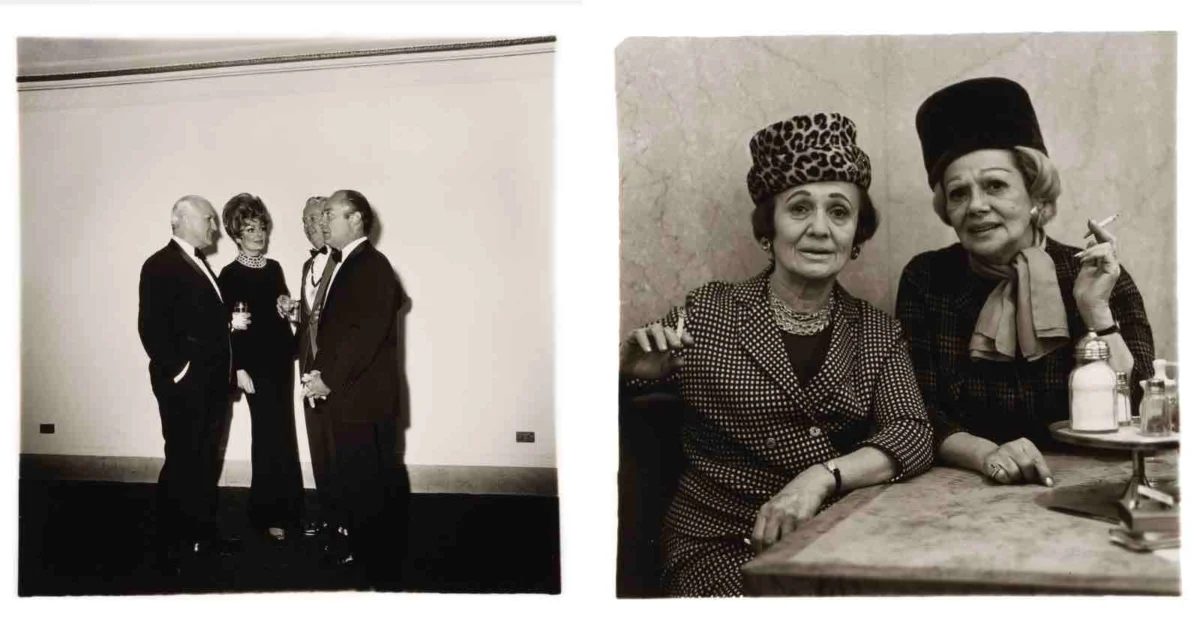
The upcoming sale at Bonhams in New York represents a significant milestone for both the fine art photography market and the cultural history of American entertainment. Titled Lily Tomlin & Jane Wagner: Wit, Women & The Art of Collecting, the auction features a meticulously curated selection of 33 lots in the live session, supplemented by an extensive online offering. This collection, assembled over the course of a five-decade partnership between the legendary comedian Lily Tomlin and the acclaimed writer-director Jane Wagner, offers a rare glimpse into the private aesthetic world of two women who have profoundly shaped American comedy and theater. The sale is headlined by a series of powerful works by Diane Arbus, an artist whose unflinching gaze into the human condition mirrors the sharp, observational wit that has defined Tomlin and Wagner’s professional output.
The Arbus Masterworks: A Study in Mid-Century Realism
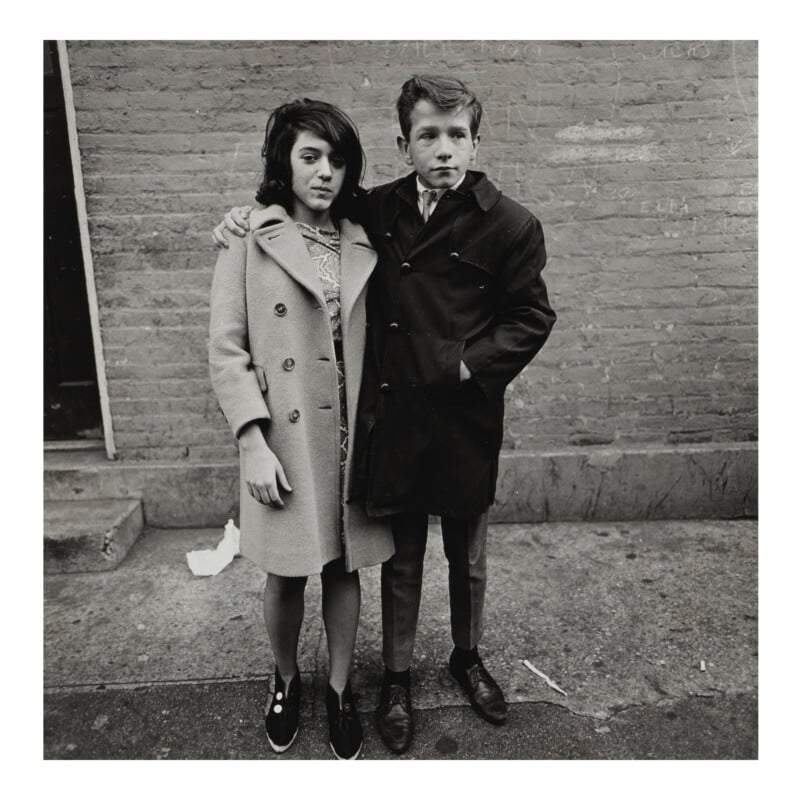
At the heart of the collection are several pivotal works by Diane Arbus (1923–1971), a photographer whose career transformed the medium by documenting individuals on the margins of society and finding the extraordinary within the mundane. The leading lot is Arbus’s 1963 silver gelatin print, Courtship, Teenage Couple, Hudson St., which carries a pre-sale estimate of $60,000 to $90,000. This image is a quintessential example of Arbus’s ability to capture the psychological complexity of her subjects. The young couple, dressed in formal coats and standing against a stark brick wall, project a sense of gravity and maturity that belies their age. Their expressions—serious, direct, and somewhat weary—suggest a performance of adulthood that was a recurring theme in Arbus’s explorations of identity and social roles.
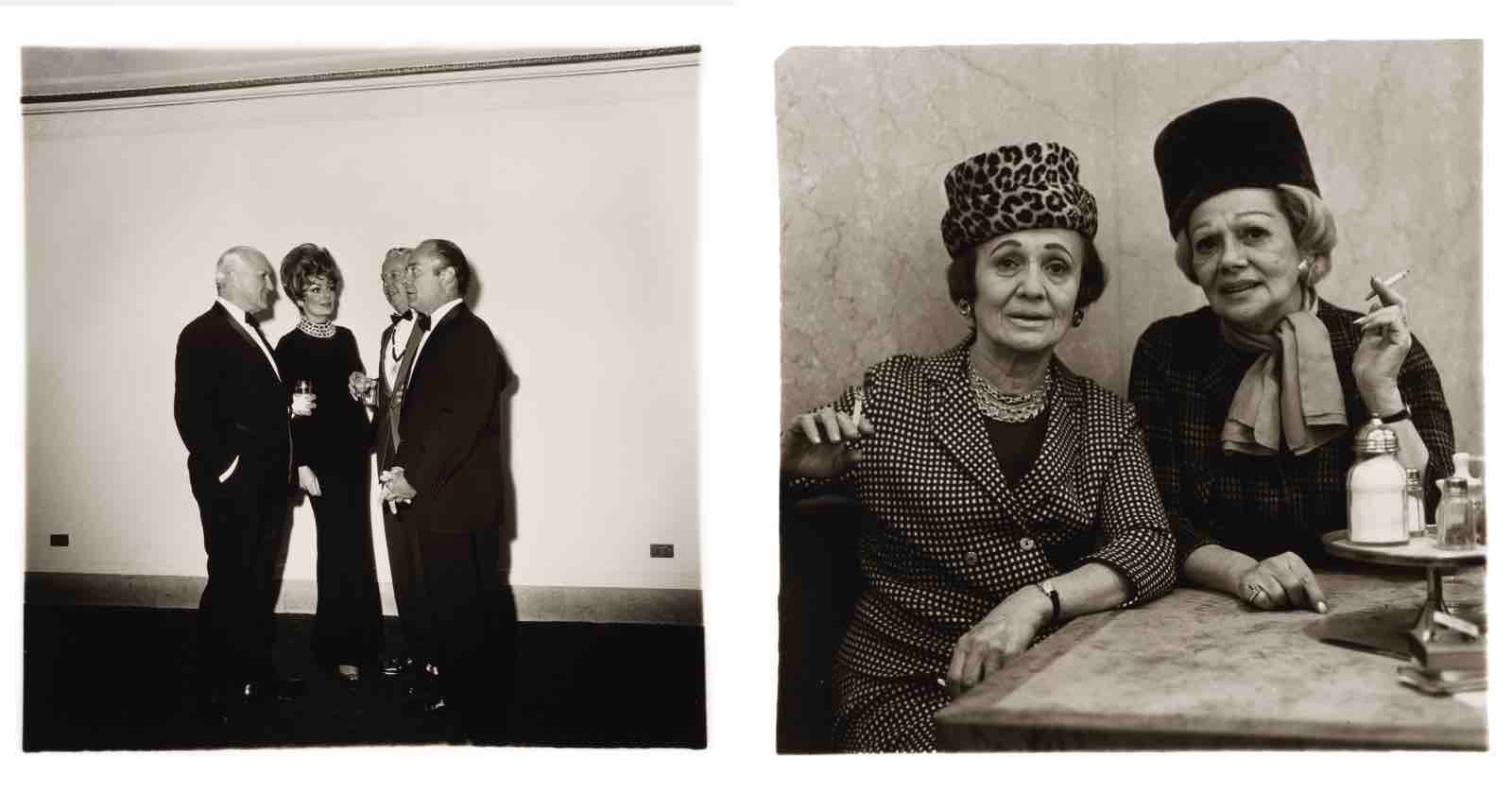
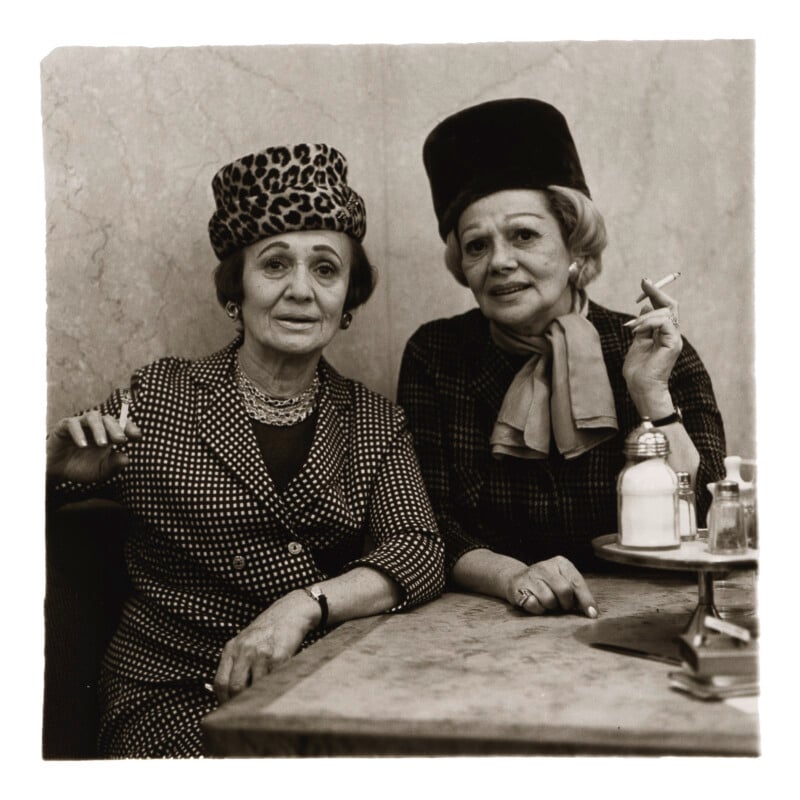
Another significant Arbus work included in the sale is Two Ladies at the Automat, NYC (1966), also estimated at $20,000 to $90,000. This photograph captures a vanishing slice of New York City life. The Automat, a fast-food concept where meals were dispensed from coin-operated glass compartments, was a staple of Manhattan social life for decades but was already in decline by the mid-1960s. Arbus’s subjects, two older women seated at a marble table with cigarettes in hand, stare directly into the lens. The composition is characteristic of Arbus’s square-format style, which forces a confrontational but intimate encounter between the viewer and the subject. For collectors, the provenance of these prints—coming directly from the Tomlin-Wagner residence—adds a layer of historical value that often drives final hammer prices above their initial estimates.
A Legacy of Fifty Years: The Tomlin-Wagner Partnership
The collection is more than a mere assembly of valuable prints; it is a visual diary of the intellectual and emotional lives of Lily Tomlin and Jane Wagner. The two met in 1971 when Tomlin invited Wagner to collaborate on her comedy album And That’s the Truth. This meeting sparked one of the most enduring and creative partnerships in show business, leading to groundbreaking works such as the Tony Award-winning play The Search for Signs of Intelligent Life in the Universe.
Throughout their lives together, Tomlin and Wagner sought out art that reflected their interest in the human experience, feminism, and the subtle ironies of modern life. The auction title, Wit, Women & The Art of Collecting, underscores these themes. The photography they chose to live with—ranging from the architectural precision of Julius Shulman to the high-fashion portraiture of Richard Avedon—suggests a sophisticated understanding of visual narrative. The inclusion of works by Annie Leibovitz, specifically two portraits of Tomlin herself (estimated at $3,000 to $5,000), highlights the intersection of their private lives and their public personas as icons of the American stage and screen.
Architectural and Celebrity Portrayals: Beyond Arbus
While the Arbus works are the primary draw for many high-level collectors, the auction also features significant contributions from other masters of the 20th-century lens. A notable inclusion is Julius Shulman’s iconic Case Study House #22 (Stahl House), which depicts the Pierre Koenig-designed architectural marvel overlooking the glowing grid of Los Angeles at night. Estimated at $6,000 to $9,000, Shulman’s work is credited with defining the "California Cool" aesthetic and the Mid-Century Modern movement. For Tomlin and Wagner, who have long been residents of Los Angeles, this piece serves as a tribute to the city’s design history.
The sale also features works by Richard Avedon and Irving Penn, two giants of fashion and portrait photography. Avedon’s work often focused on the theatricality of his subjects, a trait that clearly resonated with Tomlin’s own career as a character actress. Penn’s meticulous attention to form and texture provides a formalist counterpoint to the more documentary-style works in the collection. By housing these disparate styles under one roof, Tomlin and Wagner created a dialogue between different eras and philosophies of photography.
Chronology of the Auction and Market Context
The sale is structured into two distinct parts to accommodate a wide range of collectors and price points. The schedule is as follows:
- March 31 – April 9: The online-only sale opens, featuring over 50 lots of photography. This segment includes accessible works by pioneering photographers and is designed to engage a global audience of emerging collectors.
- April 8: The live auction takes place at Bonhams in New York. This event will feature the high-value lots, including the Arbus prints and the Leibovitz portraits.
- Pre-Auction Viewings: Bonhams will host public viewings in New York, allowing enthusiasts to see the prints in person—a crucial step for photography collectors who wish to inspect the tonal quality and condition of silver gelatin prints.
The timing of this auction coincides with a period of renewed interest in "celebrity provenance" sales. In recent years, auctions featuring the personal effects and art collections of figures like Joan Didion, Freddie Mercury, and Elton John have seen unprecedented participation. Collectors are often willing to pay a premium for items that were once owned by cultural icons, viewing the purchase as a way to own a piece of history. Given Tomlin and Wagner’s status as beloved figures in the LGBTQ+ community and the entertainment industry, market analysts expect strong competition for these lots.
Official Responses and Curatorial Analysis
Anna Hicks, Bonhams’ Head of Private & Iconic Collections in the United States, emphasized the personal nature of the collection in her official statement. She noted that the assembly of works is a "deeply personal reflection of two visionary women whose influence and creative output span generations." According to Hicks, the collection is not just about the value of individual artists, but about the "extraordinary partnership" that the art represents.
From a curatorial perspective, the collection demonstrates a preference for "straight photography"—images that avoid darkroom manipulation in favor of sharp focus and realistic rendering. This aesthetic choice aligns with the honesty and vulnerability found in Tomlin’s performances and Wagner’s writing. The Arbus works, in particular, serve as a bridge between the world of fine art and the world of social commentary, a space that Tomlin and Wagner have inhabited throughout their careers.

Broader Impact and Implications for the Art Market
The sale of the Tomlin-Wagner collection has broader implications for the photography market, particularly for the valuation of Diane Arbus’s work. Arbus has long been a blue-chip artist, but the appearance of fresh-to-market prints with impeccable provenance can recalibrate current price ceilings. Furthermore, the sale highlights the growing trend of major auction houses leveraging the personal brands of celebrities to bring attention to specialized categories like fine art photography.
As the digital age continues to transform how we consume images, the physical presence of these 20th-century prints serves as a reminder of the power of the printed photograph. For the buyers who will eventually take these works home, the appeal lies in the dual legacy they represent: the genius of the photographers who captured the images, and the discerning eyes of the two women who chose to keep them.
The auction at Bonhams is poised to be more than a commercial transaction; it is a celebration of a lifetime spent in the pursuit of artistic truth. Whether through a comedic monologue or a silver gelatin print, the common thread in the Tomlin-Wagner collection is an unwavering commitment to seeing the world as it is—complex, strange, and deeply human.
