


Bringing home a new pet is always an exciting endeavor, and for those embarking on the journey of rat ownership, the anticipation can be palpable. This comprehensive guide aims to demystify the initial stages of welcoming rats into your home, addressing common concerns, and providing a roadmap for establishing a strong, trusting bond from day one. Drawing on established best practices in small animal care and the expertise of experienced rat enthusiasts, this article will navigate you through the crucial first days, weeks, and months of cohabitation with these intelligent and social creatures.
The Initial Homecoming: First Steps for New Ratties
The moment you arrive home with your new rat companions marks the beginning of a significant relationship. It is crucial to approach this transition with patience and a deep understanding of your new pets’ perspective. Rats, much like any animal, undergo a period of adjustment when moved to a new environment. They are being removed from a familiar space, potentially separated from littermates or companions, and are now in an environment filled with novel sights, sounds, and smells, all under the watchful eye of a new caregiver.
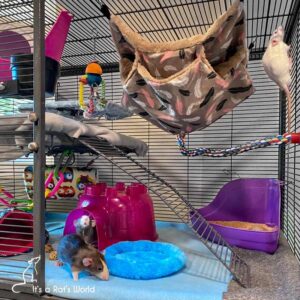
The first destination upon entering your home should be their meticulously prepared enclosure. This cage, ideally a multi-level design with ample space for exploration and enrichment, should already be equipped with necessities such as food and water dispensers, bedding, hiding places (like igloos or hammocks), and a litter box. This initial introduction to their safe haven allows them to acclimate at their own pace, fostering a sense of security.
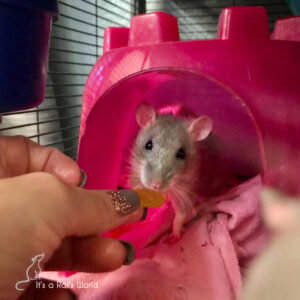
While the urge to immediately interact and cuddle is strong, it is vital to temper this enthusiasm. Overstimulation can be counterproductive, potentially increasing anxiety. Instead, allow your rats to explore their new surroundings independently. Offering a small, high-value treat during this initial period can serve as a positive reinforcement, associating your presence with pleasant experiences. Gentle, soft vocalizations can also help them become accustomed to your voice. This passive introduction, while seemingly less engaging, is a cornerstone of building trust. It acknowledges their need for autonomy and allows them to establish a baseline comfort level within their new home before engaging in more direct interaction.

Navigating the First Week: Building Trust and Understanding Behavior
The period immediately following the initial cage introduction is critical for shaping your rats’ perception of their new home and their owner. The duration of their acclimation to their new environment is highly individual. Factors such as their prior experiences, the length and stressfulness of their journey to your home, and their innate personality will influence their initial behavior.
If your rats were acquired from a local breeder or rescue and experienced minimal travel stress, they may be more inclined to explore and interact sooner. However, if they have undergone a significant journey, providing them with a decompression period of 30 to 60 minutes within their cage before attempting further interaction is often beneficial. This allows them to settle and regain a sense of calm.
Regardless of their initial boldness or timidity, consistent, positive interactions are paramount. It is a common misconception that scared rats will eventually overcome their fear on their own. In reality, their instinct for self-preservation dictates that hiding and avoidance are the safest strategies. It is the owner’s responsibility to actively demonstrate that their presence is not a threat. This involves consistent, gentle handling and positive reinforcement, starting from day one.
Understanding Rat Behavior: Expectations for the First Month
The first month with your new rats is a dynamic period of observation and adaptation. Each rat possesses a unique personality. Some may exhibit a bold and curious nature from the outset, readily seeking out human interaction. Others may display a more cautious demeanor, taking longer to warm up. A balanced approach, acknowledging their individual temperaments, is key.
For rats that are naturally timid or fearful, it is crucial to avoid a hands-off approach, as this can exacerbate their anxieties. Instead, daily, positive engagement is essential. This includes gentle handling, offering treats, and allowing them to explore outside their cage in a safe, supervised environment. The goal is to gradually shift their perception from one of fear to one of trust and affection. This process requires patience and consistency, as building trust with a fearful animal is a marathon, not a sprint.
A common concern among new owners is the potential for rats to bite. While rats are not inherently aggressive, their actions are often a reaction to fear or misinterpretation. Understanding their communication cues and providing a secure environment can significantly mitigate the risk of bites. For instance, some rats may exhibit a peculiar habit of nipping socked feet. This is typically not an aggressive act but rather a curious exploration of texture. Similarly, strong scents like nail polish remover can be disorienting and trigger defensive responses. Awareness of these behaviors and appropriate preventative measures are crucial for a harmonious cohabitation.
Essential Care Practices: Maintaining Health and Well-being
Beyond behavioral considerations, establishing a consistent routine for essential care is fundamental to your rats’ health and happiness. This includes maintaining a clean living environment, providing a balanced diet, and ensuring access to veterinary care when necessary.
Cage Maintenance: A Foundation for Health
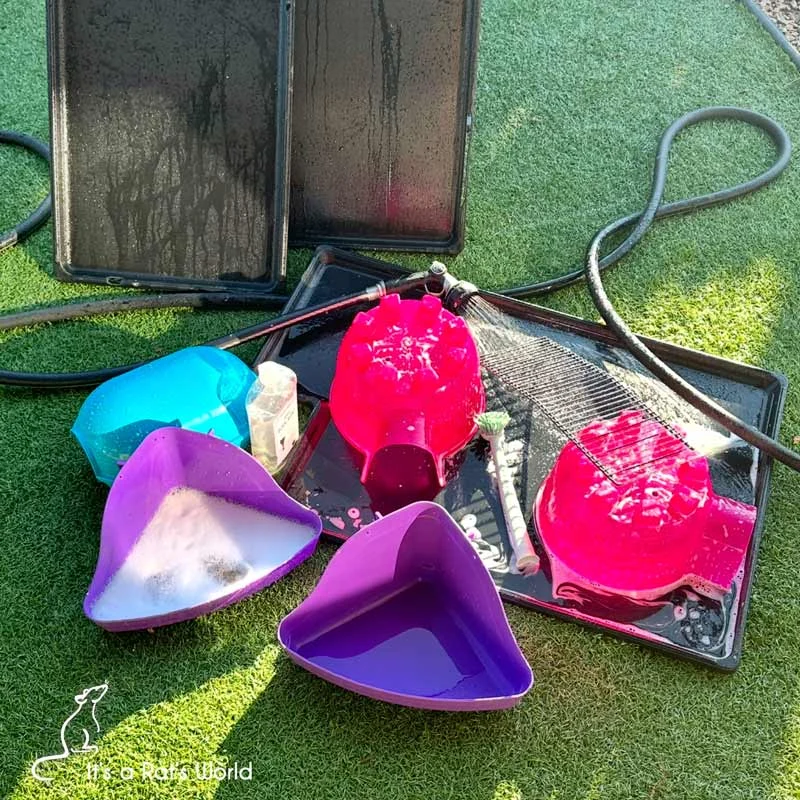
The frequency of cage cleaning is often a point of inquiry for new owners. While the prospect of daily cleaning might seem daunting, it is a critical component of responsible rat ownership. Regular spot cleaning, which involves removing soiled bedding and waste from the litter box and high-traffic areas, is essential for minimizing odors and preventing the buildup of harmful bacteria. Aim to conduct spot cleaning daily or at least several times a week.
A complete cage overhaul, including washing all accessories and replacing bedding, will depend on several factors. These include the number of rats in the enclosure, their litter training proficiency, their general activity level, and even their sex, as male rats are sometimes more prone to marking their territory with urine. Consulting detailed guides on rat habitat maintenance can provide a more specific schedule tailored to your unique situation.
Nutritional Guidance: Fueling a Healthy Life
Rats possess rapid metabolisms and are often inclined to graze throughout the day. A balanced diet is therefore crucial. It is recommended to divide their daily staple food allotment into two meals, typically breakfast and dinner. This approach helps to regulate their intake and prevent overeating, a common issue for some rats.
The inclusion of fresh fruits and vegetables can be incorporated into these meals or offered as small, portioned snacks throughout the day. Examples of suitable treats include small amounts of yogurt, berries, cooked carrots, or grapes. For more specific dietary recommendations and examples of daily menus, consulting comprehensive resources co-authored by veterinary professionals is advised. These resources often provide detailed nutritional breakdowns and guidance on safe and appropriate food choices.
Veterinary Care: Proactive Health Management
The necessity of veterinary care depends largely on the source of your rats. Rats acquired from reputable rescues or breeders who adhere to stringent quarantine protocols and provide pre-adoption medical care may not require immediate veterinary attention. However, rats obtained from pet stores, informal breeders, or situations where their prior health status is uncertain, warrant a more cautious approach.
Stress can significantly impact a rat’s immune system, potentially leading to respiratory issues. Symptoms such as sneezing, rapid or labored breathing, wheezing, or crackling sounds should be promptly addressed by a veterinarian. If your rats exhibit these signs within the initial weeks of adoption, seeking professional medical advice is imperative. It is also prudent to establish a savings fund for potential future veterinary expenses, as rats can be prone to certain health conditions that may require ongoing treatment.
Deepening the Bond: From First Interactions to Lasting Companionship
As your rats become more accustomed to their environment and your presence, the opportunity for deeper bonding arises. This stage involves engaging them in activities outside their cage, fostering mutual understanding, and strengthening your relationship.
Gentle Handling and Interaction
The initial moments of holding your new rat can feel daunting. Their small size, energetic movements, and sharp nails can evoke a sense of fragility. However, with practice and patience, handling them will become more comfortable. Learning how to properly pet and hold your rats is essential for building their trust and ensuring their comfort. Gentle strokes along their back and sides, offering treats from your hand, and allowing them to explore your arms can all contribute to positive interactions.

Creating Play Opportunities
Supervised playtime outside the cage is vital for your rats’ physical and mental well-being. This can involve creating dedicated "rat playgrounds" with various toys, tunnels, and climbing structures. Many owners find success in establishing safe play areas within their homes, such as designated sections of a couch or a secure room. These environments allow for extended periods of interaction, providing ample opportunities for bonding and enrichment. Observing their natural behaviors during playtime can also offer insights into their personalities and preferences.
Understanding Rat Communication
Rats communicate through a variety of vocalizations, body language, and behaviors. Learning to interpret these cues is fundamental to understanding their needs and emotional state. While some forms of communication, like specific vocalizations, may take time to decipher, observing their general demeanor, such as grooming habits, social interactions with cage mates, and responses to your presence, can provide valuable insights. As your bond deepens, you will become more attuned to their individual ways of expressing contentment, fear, or curiosity.
Conclusion: Embracing the Rat Ownership Adventure
Welcoming rats into your home is a rewarding experience that offers the opportunity for a unique and fulfilling pet-owner relationship. By approaching their integration with patience, understanding, and a commitment to consistent, positive care, you can foster a deep and lasting bond with these intelligent and affectionate creatures. Remember that every rat is an individual, and the journey of getting to know them is as unique as they are. With consistent effort, an open mind, and a touch of playful curiosity, you will undoubtedly become a confident and cherished companion to your new rat family. The adventure of rat ownership, filled with their charming quirks and unwavering loyalty, promises to be a truly remarkable one.
