


The arrival of new pets, particularly smaller animals like rats, often sparks a mix of excitement and a flurry of questions for their new owners. This guide aims to provide a comprehensive overview of what to expect during the initial period of welcoming rats into your home, from their first moments in a new environment to establishing a healthy and trusting relationship. Drawing on established principles of animal behavior and care, this article will address common concerns and offer practical advice for new rat enthusiasts.
Initial Acclimation: Navigating the First Hours
Upon arriving home with your new rat companions, the immediate priority is to allow them a safe and controlled introduction to their new surroundings. This initial phase is critical for minimizing stress and fostering a positive first impression. It is paramount to remember that rats, like many prey animals, can experience significant anxiety when removed from familiar environments and introduced to novel stimuli.
The process begins with presenting them with their pre-prepared cage. This habitat should be a sanctuary, equipped with appropriate bedding, food and water sources, hiding places, and enrichment items. Allowing the rats to explore this space at their own pace is crucial. This is not a moment for immediate handling or intense interaction. Instead, the focus should be on providing a sense of security.
Expert Insight: Dr. Sarah Miller, a veterinarian specializing in exotic pets, emphasizes the importance of a slow introduction. "Rats are highly social and intelligent, but they are also sensitive to change. Overwhelming them with too much interaction too soon can set back the bonding process. Their cage should be their safe haven, and they need to feel that it’s secure before they are ready to explore beyond it."
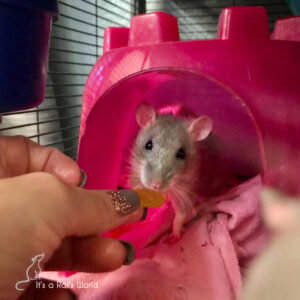
Offering a small, high-value treat can be a gentle way to encourage exploration and associate your presence with positive experiences. However, it is essential to understand that some rats may be too stressed to eat immediately, and this should not be a cause for concern. Soft vocalizations and a calm demeanor from the owner can also contribute to a more relaxed atmosphere.
The duration of this initial cage introduction can vary. For rats that have experienced minimal travel stress, a shorter period might suffice. However, for those who have undergone lengthy transport, allowing them 30 to 60 minutes to decompress within their cage before any attempts at further interaction is advisable. Observing their behavior is key; if they appear calm and are exploring, you can proceed with cautious interaction. If they are huddled together or hiding, more time is likely needed.

Understanding Rat Behavior: First Days, Weeks, and Months
The behavioral patterns of rats in their new homes are as diverse as the individual animals themselves. While some rats may exhibit boldness and curiosity from the outset, it is more common for new rats to display apprehension, nervousness, or even outright fear. This initial timidity is a survival instinct, and it is the owner’s role to gradually help them overcome these anxieties.
Timeline of Adaptation:
- Day 1: The primary goal is a peaceful introduction to the cage. Minimal, gentle interaction is recommended, focusing on observation and providing a sense of calm.
- First Week: Begin short, supervised out-of-cage sessions in a safe, enclosed area. This is an opportunity for them to explore and for you to build trust through positive reinforcement. Continue offering treats and speaking in a soft voice. Avoid forcing interaction; let them approach you.
- First Month: With consistent positive interaction, rats typically begin to show more confidence. They may start to actively seek out attention, respond to their names, and participate more enthusiastically in play. The bond between rat and owner will become more evident through their willingness to be handled and their general demeanor.
It is a common misconception that frightened rats will eventually overcome their fear on their own. This is rarely the case. Rats learn to trust through consistent, positive reinforcement and predictable interactions. A hands-off approach, while seemingly gentle, can inadvertently reinforce their fear, leading to a prolonged period of apprehension and potentially hindering the development of a strong bond.
Data Point: Studies on rodent behavior indicate that positive reinforcement training, even for simple behaviors, significantly reduces stress hormones and increases social bonding in animals. This principle directly applies to the human-rat relationship, where consistent positive interactions are key to building trust.
Addressing Common Concerns and Misconceptions
New rat owners often grapple with a range of anxieties, many of which stem from a lack of familiarity with rat behavior. Addressing these concerns proactively can prevent misunderstandings and ensure the well-being of both the pets and their owners.
The Fear of Biting
One of the most prevalent fears among new rat owners is the possibility of being bitten. While rats do possess teeth and can bite, it is not a common or inherent trait, especially when they are well-socialized and handled appropriately. Bites are typically a defensive response to fear, pain, or being startled.
Analysis of Implications: The fear of biting can lead to a detrimental cycle of neglect. If an owner avoids interacting with a fearful rat due to this concern, the rat’s fear is likely to escalate, potentially increasing the likelihood of a defensive bite. This underscores the importance of understanding rat communication and employing gentle, consistent handling techniques.
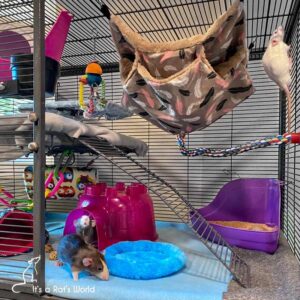
Expert Recommendation: "It’s crucial for owners to understand that a rat’s primary motivation for biting is fear," states Dr. Anya Sharma, an animal behaviorist. "By creating a safe environment and using positive reinforcement, we can significantly reduce the chances of any aggressive behavior. Educating owners about recognizing signs of stress in rats, such as freezing, flattened ears, or a hunched posture, is paramount."
Quirky Rat Behaviors: Sock-Nipping and Other Oddities
Rats exhibit a variety of unique behaviors that can sometimes be misinterpreted. One such quirk is the tendency for some rats to nip at socked feet. This behavior, while startling, is generally not an act of aggression. It is believed to be a form of exploratory behavior, akin to investigating a new object, or perhaps an instinctive response to the texture or movement of socks.
Similarly, rats may exhibit unusual reactions to certain household products. The fumes from nail polish remover, for instance, can be irritating and may cause them to react defensively by nipping at fingers or toes. It is advisable to avoid using such products in the immediate vicinity of your rats.
Essential Care Practices: Diet, Hygiene, and Health
Beyond the initial bonding period, consistent and appropriate care is fundamental to a rat’s long-term health and happiness. This includes a balanced diet, a clean living environment, and proactive health management.
Nutrition: Fueling a Healthy Lifestyle
Rats are omnivores with fast metabolisms, requiring a balanced diet to thrive. A staple diet consisting of high-quality rat pellets should form the foundation of their nutrition. This should be supplemented with a variety of fresh fruits, vegetables, and occasional protein sources.
Feeding Schedule: It is generally recommended to divide the daily food allotment into two main meals, breakfast and dinner. This helps prevent overeating in some rats and ensures a consistent intake of nutrients. Small, healthy snacks can be offered throughout the day.
- Example Daily Menu:
- Breakfast: Rat pellets, a small portion of plain yogurt, and a few pieces of fruit like berries or melon.
- Mid-day Snack: Sliced carrots, a small cluster of grapes, or a tiny piece of cooked pasta.
- Dinner: Rat pellets, a serving of cooked vegetables such as broccoli or sweet potato, and perhaps a small amount of scrambled egg or cooked chicken.
Resource: For detailed nutritional information, the Rat Guide website (ratguide.com) offers comprehensive resources, including diet articles and sample daily menus co-authored by experienced rat care professionals.
Hygiene: Maintaining a Clean Habitat
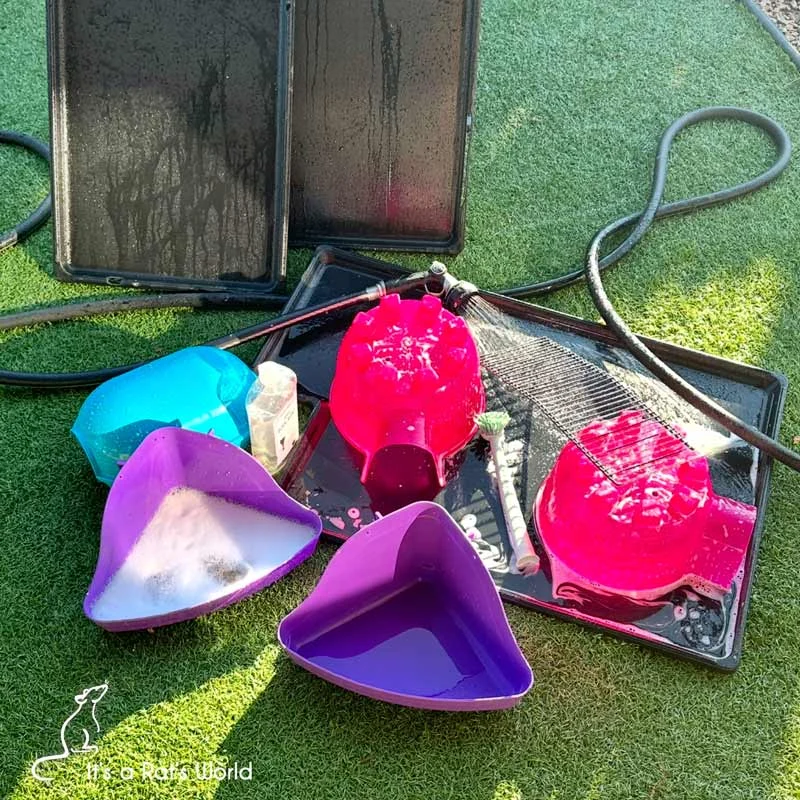
A clean living environment is essential for preventing disease and minimizing odors. Regular cleaning of the rat cage is a non-negotiable aspect of responsible ownership.
Spot Cleaning: Daily or at least several times a week, spot cleaning should be performed. This involves removing soiled bedding, old food, and waste from the cage. This practice significantly reduces ammonia build-up and prevents the accumulation of bacteria.
Deep Cleaning: The frequency of complete cage cleanings varies depending on factors such as the number of rats, their litter box habits, and their sex. Male rats, for instance, tend to be more prone to urinating on cage bars and in hammocks. A comprehensive deep clean typically involves washing the cage, all accessories, and replacing all bedding.
Home Environment Considerations: The placement of the cage also plays a role in maintaining a healthy environment. Factors such as ambient temperature, air quality, and proximity to drafts should be considered. Resources on "Rats And Home Ambience" and "Rats And The Air" can provide further guidance on optimal cage placement.
Veterinary Care: Proactive Health Management
The need for veterinary care is an important consideration for all pet owners. For rats, understanding when to seek professional medical attention is crucial.
Initial Vet Visit: If rats are acquired from a reputable rescue organization that adheres to strict quarantine and veterinary protocols, an immediate vet visit may not be necessary. However, if rats originate from less reliable sources, such as pet stores, unknown breeders, or situations where their previous care was suboptimal, an initial veterinary check-up is highly recommended. Stress can weaken a rat’s immune system, making them susceptible to health issues, particularly respiratory infections.
Recognizing Symptoms: Early detection of illness is key. Symptoms such as sneezing, labored breathing, wheezing, or crackling sounds within the respiratory tract warrant prompt veterinary attention.

Financial Planning: It is prudent for owners to begin setting aside funds for potential future veterinary expenses. Rat health issues can sometimes be costly to treat, and being prepared can alleviate financial strain during times of need.
Building Lasting Bonds: Interaction and Play
The journey of getting to know your rats extends beyond basic care to building a strong and affectionate bond. This involves consistent interaction, understanding their communication, and providing opportunities for enriching play.
Gentle Handling and Affection
As rats become more comfortable, the desire to hold and interact with them will naturally grow. It is important to approach this with gentleness and respect for their size and fragility.
Petting Techniques: Learning how to appropriately pet your rats can enhance their comfort and your connection. This typically involves gentle strokes along their back, avoiding sudden movements or forceful handling.
Creating Play Areas: Beyond the cage, dedicated playtime in a safe, rat-proofed environment is highly beneficial. This can include supervised time on a couch with protective coverings or in specially designed "rat playgrounds." These areas allow rats to explore, exercise, and interact with their owners in a less confined space, fostering a deeper bond.
Understanding Rat Communication: Rats communicate in various ways, including vocalizations, body language, and scent marking. Learning to interpret these signals, such as bruxing (teeth grinding) for contentment or a puffed-up posture indicating fear, will significantly improve your understanding and responsiveness to your rats’ needs.
The Long-Term Perspective
The initial weeks and months of rat ownership are a period of adjustment and learning for both the rats and their human companions. Patience, consistency, and a commitment to understanding their unique needs are paramount. By providing a safe and stimulating environment, a nutritious diet, and regular, positive interaction, owners can cultivate a deep and rewarding relationship with their intelligent and affectionate rat pets. As owners become more familiar with their rats’ personalities and communication styles, they will undoubtedly feel more confident and adept in their care, transforming the initial apprehension into a joyous and fulfilling experience.
