

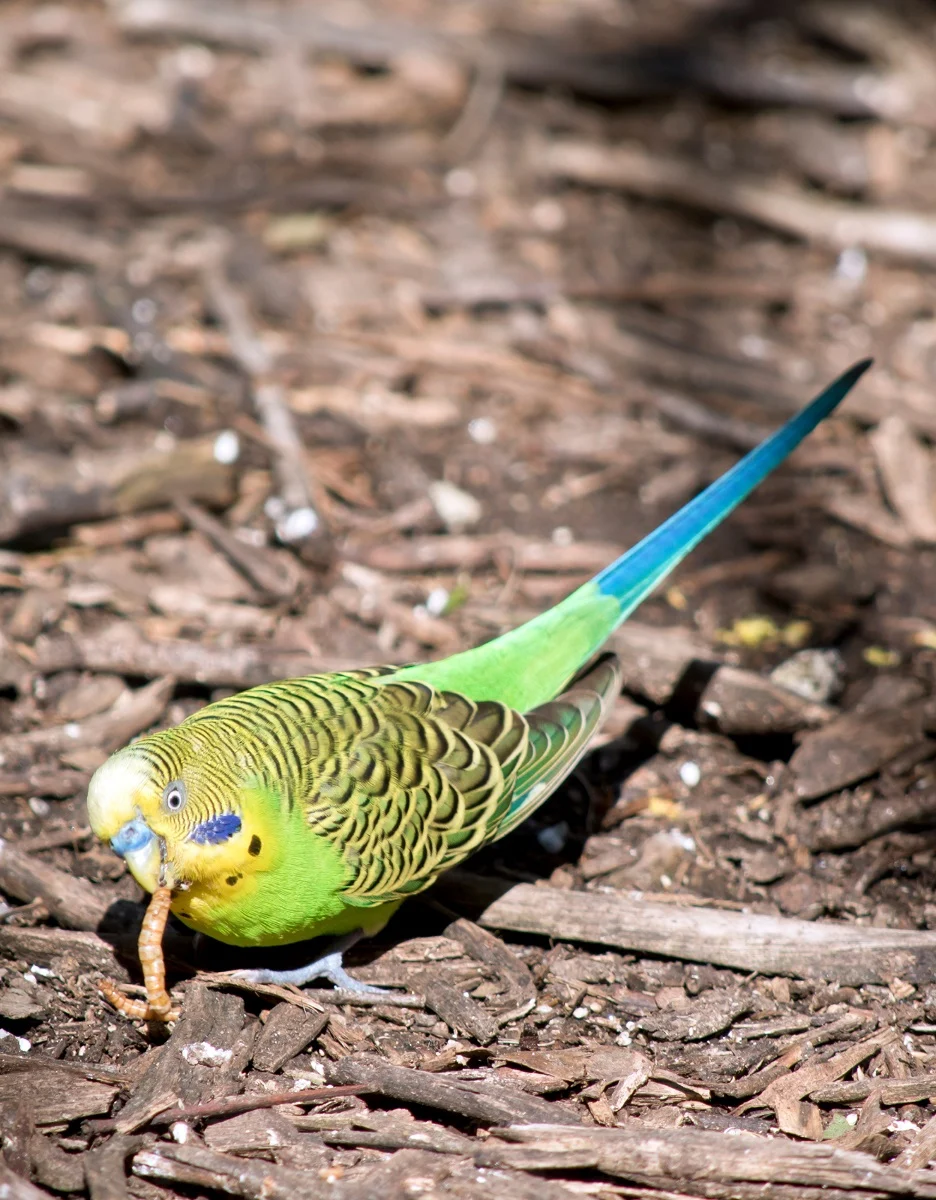
Ensuring a diverse and nutritious diet is paramount for the health and longevity of budgie parakeets (Melopsittacus undulatus). While commercial seed mixes and pellets form the foundation, incorporating a variety of human-grade foods can significantly enhance their well-being, providing essential vitamins, minerals, and mental stimulation. However, discerning which items are beneficial versus those that pose a health risk is critical for responsible pet ownership. This guide explores a comprehensive list of household foods, distinguishing between safe dietary additions and dangerous substances, supported by expert avian nutritional insights.
The Foundation of Budgie Nutrition: Beyond the Seed Mix
Historically, captive budgies were often fed diets consisting almost exclusively of seeds. While wild budgies in their native Australia primarily consume the seeds of various grasses, their natural environment also provides a rich array of native vegetation, including leaves, stems, and occasional insects, particularly during breeding seasons. This natural foraging behavior provides a diverse nutrient intake that is often lacking in a purely seed-based captive diet. Avian veterinarians and nutritionists now universally advocate for a varied diet for pet budgies, typically comprising high-quality formulated pellets (around 60-70% of the diet), complemented by a wide array of fresh vegetables (20-25%), a small amount of fruit (5-10%), and limited seeds or nuts as treats.
A diet heavily reliant on seeds alone is often deficient in critical nutrients such as calcium, vitamins A and D, and certain amino acids, while being excessively high in fat. This nutritional imbalance can lead to a host of health issues, including obesity, liver disease (hepatic lipidosis), kidney problems, respiratory complications, and even behavioral problems. Therefore, integrating safe human foods is not merely about providing treats but about enriching their overall nutritional profile and promoting natural foraging behaviors.
Expanding the Budgie Menu: 19 Safe Household Foods
Many common household items, when prepared correctly and offered in moderation, can be excellent additions to a budgie’s diet. The key principle is to always offer natural, single-ingredient foods free from added salt, sugar, fats, or artificial preservatives.
1. Bread: While not a primary dietary component, plain whole-wheat bread, free from added sugars, excessive salt, or fats (like brioche), can be offered in small, infrequent pieces. It provides minimal nutritional value but can be an occasional treat. Any seeds on top, such as sesame or poppy seeds, are generally safe.
2. Sunflower Seeds: A perennial budgie favorite due to their palatability. However, they are high in fat and should be offered sparingly as a treat, not a daily staple. Unsalted, raw, or roasted sunflower seeds are appropriate. Avoid any seed mixes that list sunflower seeds as a primary ingredient due to their high fat content.
3. Natural Peanut Butter: Unsweetened, natural peanut butter, containing only peanuts and possibly a touch of salt, can be used as a very occasional high-value treat. Its sticky texture makes it an excellent tool for behavioral enrichment, such as luring a cautious budgie to new toys or perches. Due to its high fat content, it should be given in minuscule amounts, perhaps a tiny dollop once a week.
4. Boiled Eggs: A highly nutritious protein source, especially beneficial for laying hens who require additional calcium and protein. Plain, hard-boiled eggs, either mashed or chopped, can be offered. Other preparations like scrambled eggs are also acceptable, provided they are cooked without oil, butter, or salt. Eggs provide essential amino acids and vitamins.
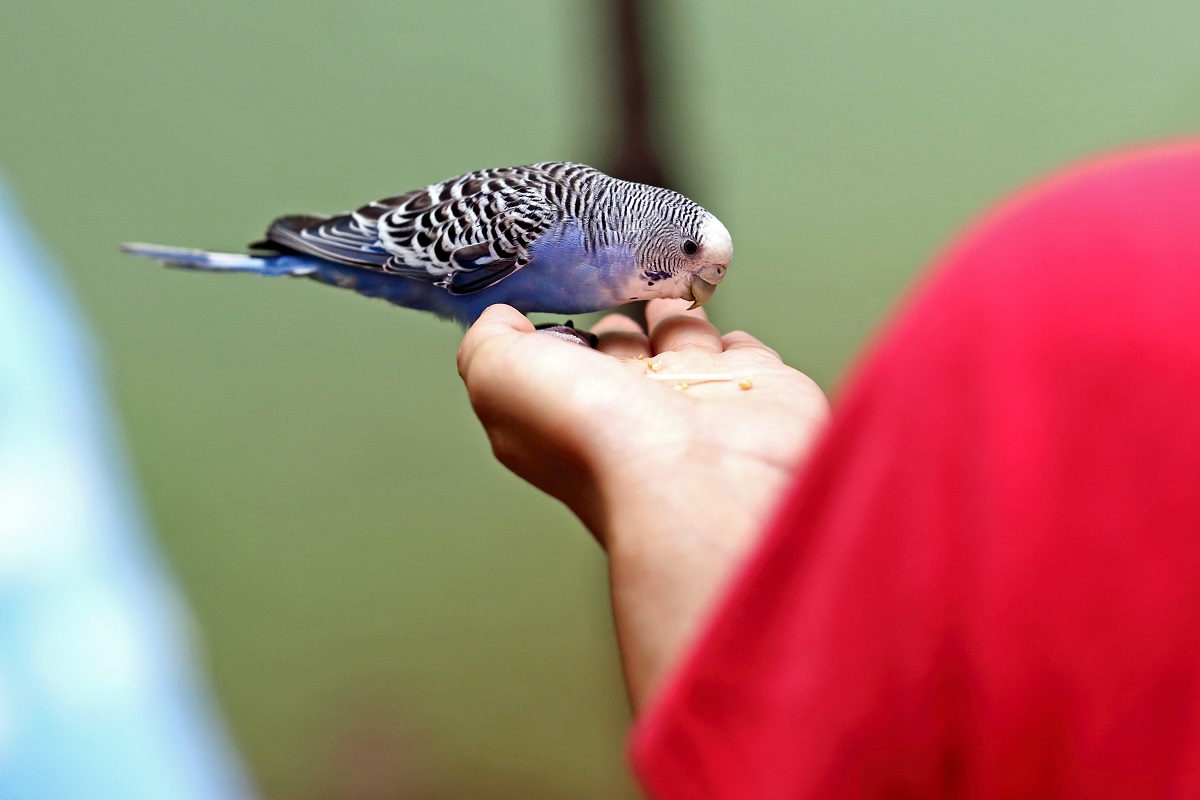
5. Chia Seeds: These tiny seeds are packed with Omega-3 fatty acids, fiber, and antioxidants. Budgies, being natural seed-eaters, can readily consume chia seeds. They can be sprinkled dry (approximately 1/4 teaspoon) into their food bowl or offered as a water-soaked "pudding."
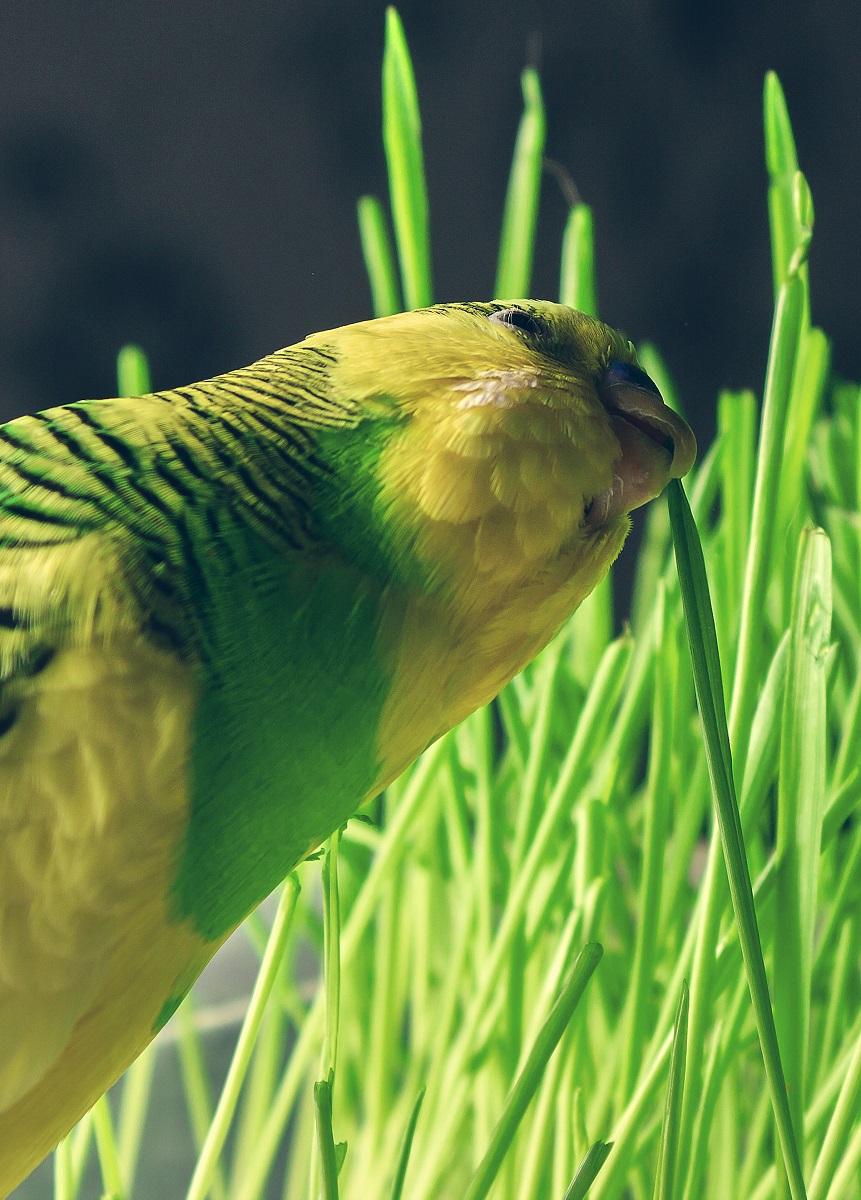
6. Wheatgrass: An excellent source of vitamins, minerals, and chlorophyll, wheatgrass is a highly beneficial green food. Both wheatgrass seeds and sprouted wheatgrass are suitable. Sprouting wheatgrass through a mesh provides both nutrition and enrichment, preventing the budgie from ingesting potentially harmful soil.
7. Cashews: Like all nuts, cashews are high in fat and should be offered in very small quantities (e.g., 1/4 of a crushed nut) as an occasional treat. Only unsalted, raw, or roasted cashews are safe.
8. Cheerios (Plain): Plain, unsweetened, whole-grain oat and corn starch Cheerios can be given in very small amounts (half a cheerio) as an infrequent treat. While relatively low in sugar compared to other cereals, they still contain some, so moderation is key.
9. Pumpkin Seeds: Similar to sunflower seeds, pumpkin seeds are high in fat and should be given as an occasional treat. Unsalted, raw, or roasted seeds are preferred. Due to their size, budgies may need assistance shelling them, or they can be offered pre-shelled and chopped.
10. Almonds: Unsalted, raw, or roasted almonds are safe in small, chopped portions (e.g., 1/4 of an almond). Sprouting raw almonds can enhance their nutritional value and digestibility.
11. Chicken: Plain, cooked chicken breast or thigh, free from seasoning or oil, can be offered in tiny pieces as an infrequent protein boost, particularly for breeding or recovering birds.
12. Dried Fruit (Unsweetened): If free of added sugars, sulfites, or other preservatives, unsweetened dried fruit can be given in moderation. However, the natural sugars become concentrated during drying, so portion control is crucial. Dehydrating fruits at home is the safest method.
13. Hemp Seeds: Commonly found in commercial bird seed mixes, hemp seeds are rich in Omega-3 fatty acids and protein. Ensure they are human or bird-grade and free of psychoactive components.
14. Pasta: Plain, cooked, unsalted pasta (whole-wheat is preferable) can be offered in small pieces. Dry pasta can also be used for edible foraging toys, providing both nutrition and mental stimulation. Lentil, corn, or pea-based pastas are also acceptable.
15. Pine Nuts: Unsalted pine nuts, offered in very small quantities, are safe for budgies. Adhere to the same principles as other nuts: moderation and no added salt.
16. Peanuts: While historically a point of concern due to potential Aspergillus mold contamination, high-quality, human-grade, unsalted peanuts (in or out of the shell) are safe in small amounts. Offering them in the shell can encourage natural foraging behavior.
17. Popcorn: Plain, air-popped popcorn, without butter, salt, or sugar, is a safe and enjoyable treat for budgies. Its texture provides enrichment, and it can be incorporated into homemade bird toys.
18. Quinoa: This pseudocereal from the Amaranth family is a complete protein and rich in various micronutrients. It can be offered cooked or uncooked, with white, red, and black varieties all being suitable.
19. Rolled Oats: Plain rolled or steel-cut oats are a nutritious addition to a budgie’s diet. They can be offered dry, soaked in water, or even mixed with unsweetened nut milk (like almond milk). Be mindful that wet oats can be sticky and difficult to clean from their beaks.
Crisis Management: When Regular Food Runs Out
In an emergency where regular budgie pellets and seeds are unavailable, a temporary diet can be improvised from safe household foods. A balanced emergency meal could consist of a mix of suitable chopped vegetables, a small amount of fruit, grains like cooked quinoa, oats, or pasta, and a sprinkle of hemp or chia seeds. A tiny amount of chopped plain nuts or boiled egg can provide essential fats and proteins. This emphasizes the importance of understanding safe food options for unforeseen circumstances.
Foods to Avoid: Protecting Your Pet Budgie
Just as crucial as knowing what to feed is knowing what to withhold. Certain human foods are explicitly toxic or otherwise detrimental to budgie health.
1. Avocado: Highly Toxic. Avocado contains persin, a fungicidal toxin that is particularly dangerous to birds, especially small ones like budgies. Ingestion can lead to respiratory distress, weakness, heart damage, and even sudden death. Any suspected consumption warrants immediate veterinary attention.
2. Chocolate: Highly Toxic. Chocolate contains theobromine and caffeine, both of which are toxic to birds. Even small amounts can cause hyperactivity, tremors, seizures, heart problems, and be fatal. Keep all chocolate products far away from your budgie.
3. Honey: While seemingly natural, honey can contain Clostridium botulinum bacteria, which produce toxins that cause botulism, a potentially fatal condition for birds. Furthermore, honey’s high sugar content is entirely unnecessary and unhealthy for budgies.
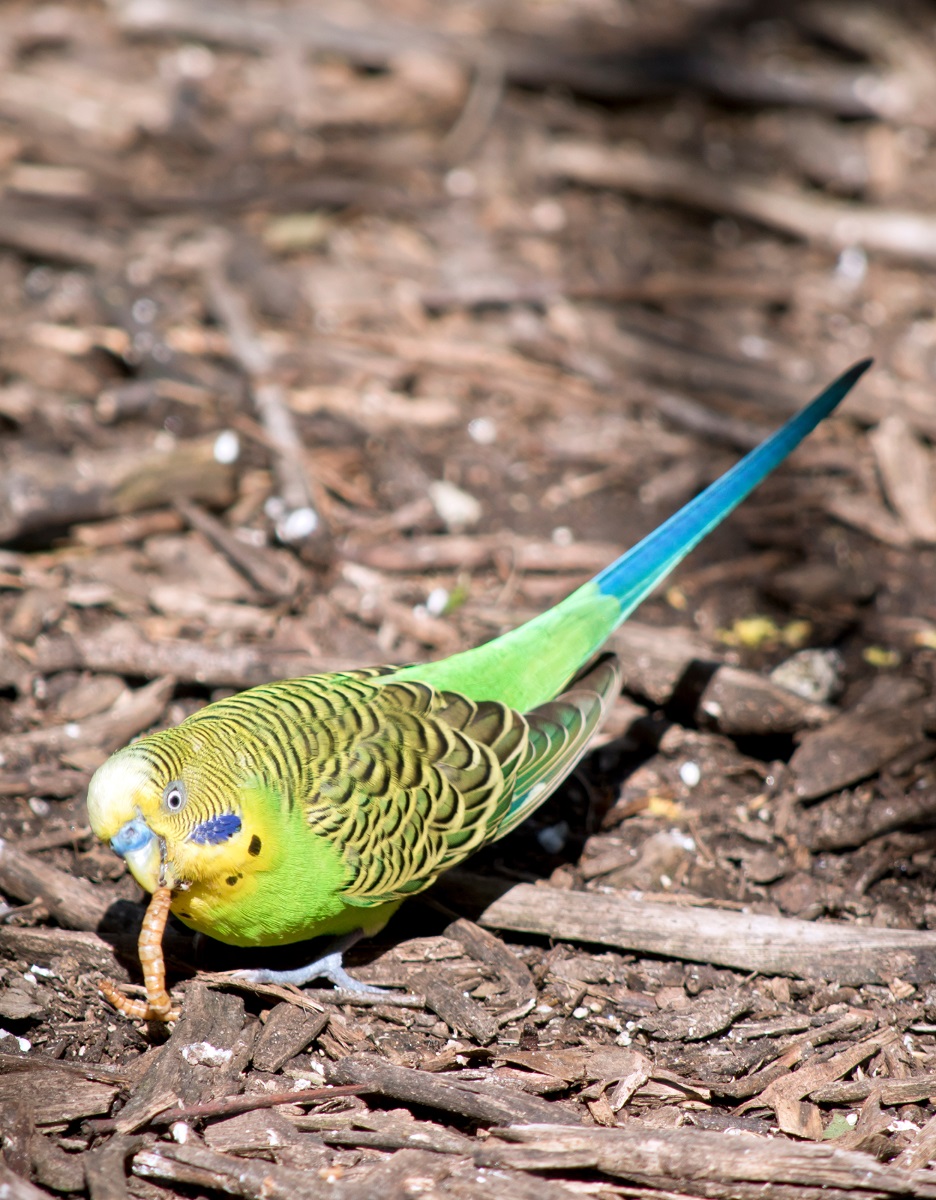
4. Processed Snack Foods (Chips, Fries, Pizza, Cookies, etc.): These items are laden with excessive salt, unhealthy fats, sugars, artificial flavorings, and preservatives. None of these ingredients are suitable for a budgie’s delicate system and can lead to obesity, kidney disease, and other serious health problems.
5. Aloe Vera (Leaves): Although the clear gel inside Aloe vera leaves is generally considered safe and sometimes used medicinally, the yellow layer called aloin, found in the leaf’s outer layer, is a potent laxative and can cause severe gastrointestinal upset in birds. It’s best to avoid offering any part of the plant.
6. Dairy Products (Ice Cream, Soft Cheeses): Budgies are lactose intolerant, meaning they lack the enzyme to digest lactose found in milk products. Ingesting dairy can cause digestive upset, diarrhea, and discomfort. While hard cheeses have lower lactose levels, they are still high in fat and salt, making them unsuitable.
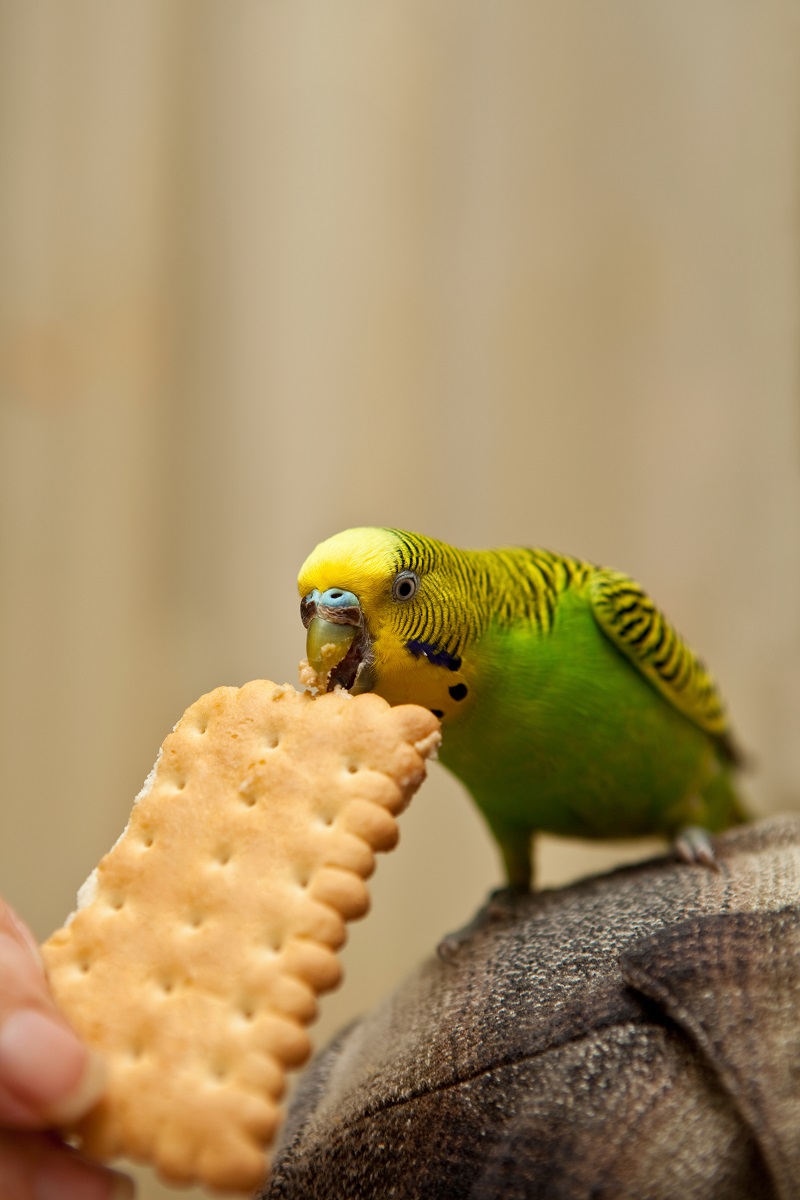
7. Crackers and Biscuits: Most commercial crackers and biscuits (cookies) contain high levels of salt, unhealthy oils, sugar, and preservatives. These offer no nutritional benefit and contribute to an unhealthy diet. Even a few crumbs should be a rare exception, not a regular occurrence.
8. Alcohol, Coffee, Tea: Any alcoholic beverage is highly toxic to birds. Coffee and tea contain caffeine, which is dangerous. Herbal teas (tisanes) made from safe herbs like chamomile, however, are generally acceptable.
9. Onions and Garlic: These allium vegetables contain sulfur compounds that can cause hemolytic anemia in birds, leading to the destruction of red blood cells. All forms (raw, cooked, powdered) should be avoided.
10. Apple Seeds: Apple seeds contain cyanide compounds and should never be given to budgies. The flesh of an apple, however, is safe and can be offered after removing seeds and core.
11. Xylitol: This artificial sweetener, found in many sugar-free products, is extremely toxic to birds and can cause liver failure and hypoglycemia. Always check ingredient labels on human foods before offering them to your budgie.
Expert Insights and Veterinary Recommendations
Avian veterinarians consistently emphasize that diet is a cornerstone of budgie health. Dr. Greg J. Harrison and Dr. Teresa L. Lightfoot, authors of "Clinical Avian Medicine," highlight the unique metabolic requirements of psittacine birds and the devastating impact of inappropriate diets. They advocate for a balanced diet rich in fresh produce to prevent common ailments. Regular veterinary check-ups, including dietary assessments, are crucial for identifying and correcting nutritional deficiencies before they manifest as severe health problems. Owners are encouraged to consult their avian vet before introducing significant new foods or if their budgie shows any signs of dietary-related illness.
Broader Implications of Dietary Choices for Budgie Well-being
Beyond mere sustenance, a varied and appropriate diet has profound implications for a budgie’s overall well-being. Nutritional deficiencies or toxic ingestions can lead to a shortened lifespan, chronic illnesses, and a diminished quality of life. Conversely, a well-balanced diet contributes to vibrant feathering, strong bones, a robust immune system, and consistent energy levels. Furthermore, the act of foraging for different food items provides essential mental stimulation and behavioral enrichment, mimicking their natural behaviors and preventing boredom-related stress or destructive habits. Responsible dietary management is a fundamental aspect of providing a thriving environment for these intelligent and sensitive birds.
Frequently Asked Questions
Why is my budgie eating paper?
Budgies are naturally playful and inquisitive, often engaging in shredding behaviors as a form of enrichment. If your budgie is shredding paper, it is likely a natural instinct. Ensure the paper is bird-safe (non-toxic inks, no glossy finishes). If the bird is actually ingesting significant amounts, it could indicate a nutritional deficiency or boredom, warranting a review of its diet and enrichment toys.
Why is my budgie eating its own poop?
Coprophagy (eating feces) in budgies can stem from several causes. A common reason is malnutrition, particularly if the bird is on an all-seed diet lacking essential nutrients. In such cases, the budgie may be attempting to re-ingest undigested nutrients. It can also be a behavioral quirk, boredom, or a way to keep the cage clean. Consult an avian vet to rule out underlying health issues or dietary deficiencies.
Can budgies eat cockatiel food?
Yes, budgies can generally eat cockatiel food. The dietary needs of budgies and cockatiels are quite similar, and many commercial pellet and seed mixes are formulated for "parakeets and cockatiels." However, always prioritize a high-quality formulated pellet diet for both species, supplementing with fresh vegetables and fruits, rather than relying solely on seed mixes.
Conclusion
The world of human foods offers a vast potential for enriching a budgie’s diet, transforming their meals from monotonous to dynamic and nutritious. By carefully selecting natural, unprocessed items and strictly avoiding toxic or unhealthy substances, owners can significantly contribute to their budgie’s health, happiness, and longevity. A proactive approach to dietary diversity, guided by avian veterinary advice, is the cornerstone of responsible budgie care.
