

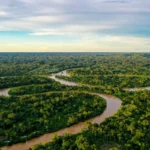
The vast and mist-shrouded Annamite Mountains, a rugged range stretching approximately 683 miles across Laos, Vietnam, and northeastern Cambodia, have long been regarded by biologists as one of the world’s most significant yet least understood biodiversity hotspots. Often referred to as the "Amazon of Asia" due to its dense rainforests and high levels of endemism, the region has recently yielded a treasure trove of ecological data. A comprehensive camera trap survey conducted throughout 2025 has provided unprecedented insight into the hidden lives of some of the planet’s most elusive and endangered species, offering both hope and a sobering reminder of the conservation challenges facing Southeast Asia.
The survey was led by the Cambodia program of Fauna & Flora, an international conservation organization, in a high-level partnership with the Ministry of Environment of Cambodia and the provincial environment department in Ratanakiri. This collaborative effort was significantly bolstered by the participation of local Indigenous communities, whose ancestral knowledge of the terrain proved indispensable to the success of the mission. By deploying remote-sensor cameras in some of the most inaccessible reaches of the protected landscape, researchers have successfully documented a vibrant tapestry of wildlife that many feared was disappearing under the pressure of human activity.
The Annamite Mountains: A Biological Frontier
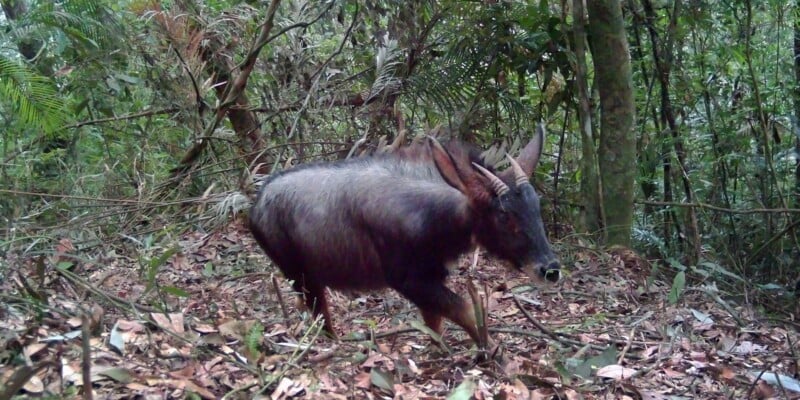
The Annamite Range is unique in the global ecological landscape. Unlike many other tropical forests, the Annamites remained relatively isolated for millennia, allowing for the evolution of species found nowhere else on Earth. The region gained international scientific fame in the 1990s following the discovery of the saola—a forest-dwelling bovine so rare it is often called the "Asian unicorn"—and several other large mammals previously unknown to modern science.
Despite this prestige, the region faces immense pressure. The 2025 survey was designed to assess the current state of biodiversity in the wake of increasing infrastructure development and illegal wildlife trade. The results confirm that while the "Amazon of Asia" remains a stronghold for rare species, its inhabitants exist in a precarious balance. The imagery captured by the camera traps provides a rare window into this world, showing animals engaged in natural behaviors—play, hunting, and migration—undisturbed by human presence.
Collaborative Methodology and Indigenous Integration
The logistical execution of the survey represented a triumph of community-led conservation. Identifying optimal locations for camera traps in a 683-mile mountain range requires more than just satellite data; it requires an intimate understanding of animal corridors, water sources, and seasonal movements. To achieve this, Fauna & Flora worked closely with Indigenous residents of the Ratanakiri province.
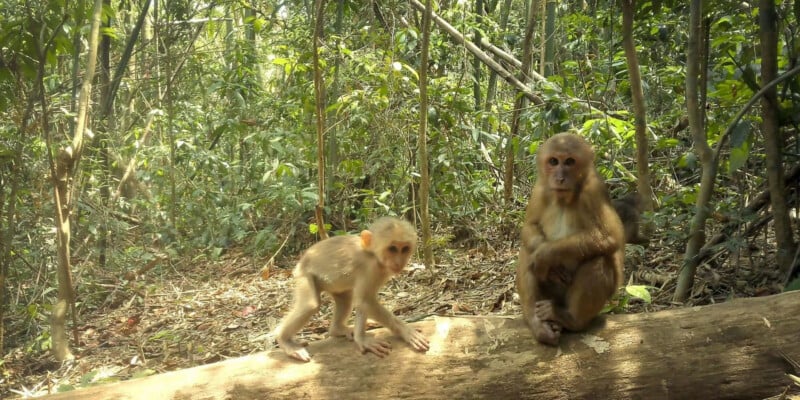
Local teams were responsible for transporting heavy equipment through steep, densely forested terrain, often trekking for days to reach remote survey blocks. These community members also took the lead in retrieving memory cards and maintaining the equipment, ensuring that the cameras remained functional despite the high humidity and heavy rainfall characteristic of the Annamite climate. This model of conservation not only improves data collection but also fosters a sense of stewardship among those who live alongside these endangered habitats.
A Gallery of the Elusive: Rare Species Documented
The data retrieved from the 2025 survey includes a diverse array of mammals and birds, many of which are listed as Threatened or Critically Endangered on the IUCN Red List.
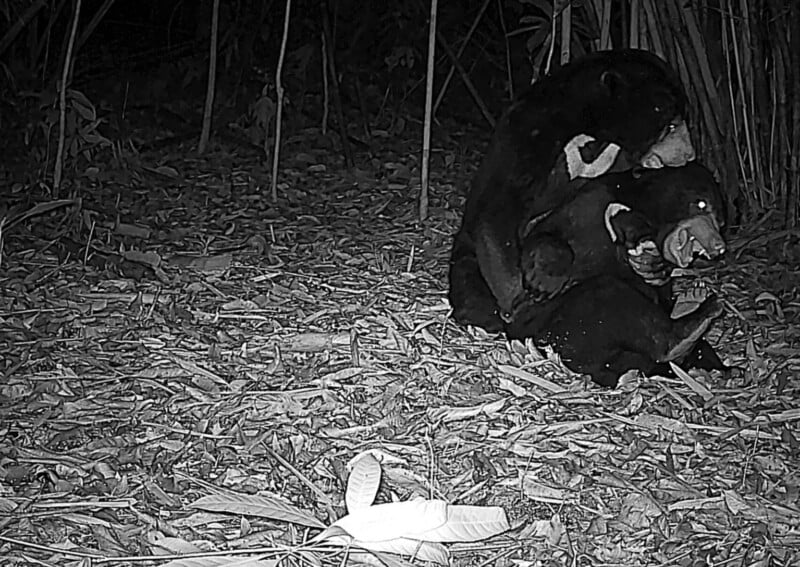
The Sun Bear and the Marbled Cat
Among the most striking images captured were those of sun bears. Named for the distinctive orange-yellow crescent on their chests, these bears are the smallest of the bear species. The footage showed two sun bears interacting playfully, a rare sight that provides researchers with data on social behavior. Despite their powerful claws, which can tear through concrete-hard termite mounds, sun bears are increasingly threatened by habitat loss and the illegal trade in bear bile.
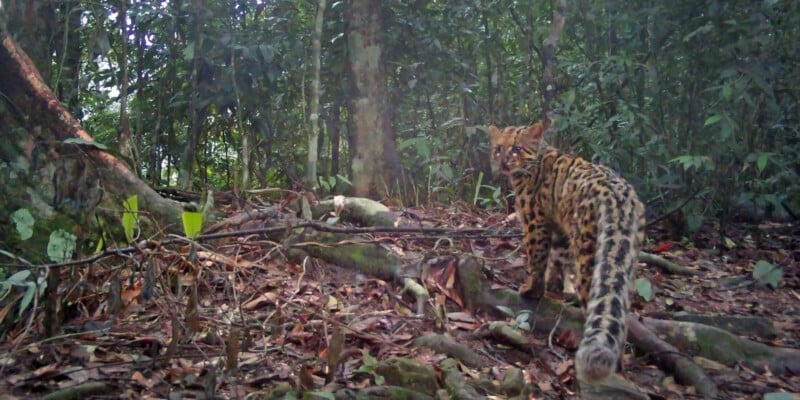
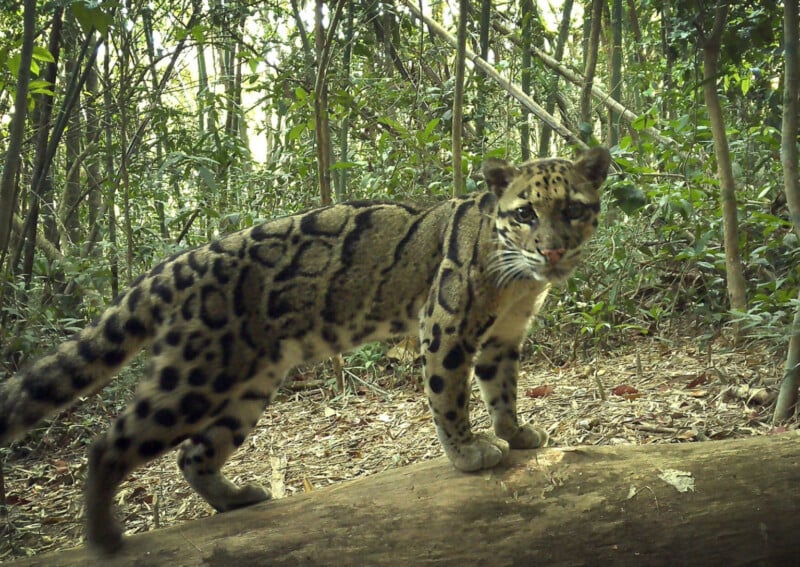
Equally elusive is the marbled cat, a small wild cat with an exquisitely patterned coat that mimics the forest floor’s light and shadow. Expert tree climbers, marbled cats are rarely seen by humans, and the camera trap images help scientists map their range and density within the Annamite corridor.
The Annamite Striped Rabbit
One of the most significant findings of the survey was the presence of the Annamite striped rabbit. This species is a testament to the region’s mystery; it was entirely unknown to the scientific community until 1996. With its dark stripes and short ears, the rabbit is a prime example of the endemism of the range. Because it has been photographed so infrequently, every new image provides vital information regarding its preferred topography and population health.
Apex Predators and Megaherbivores
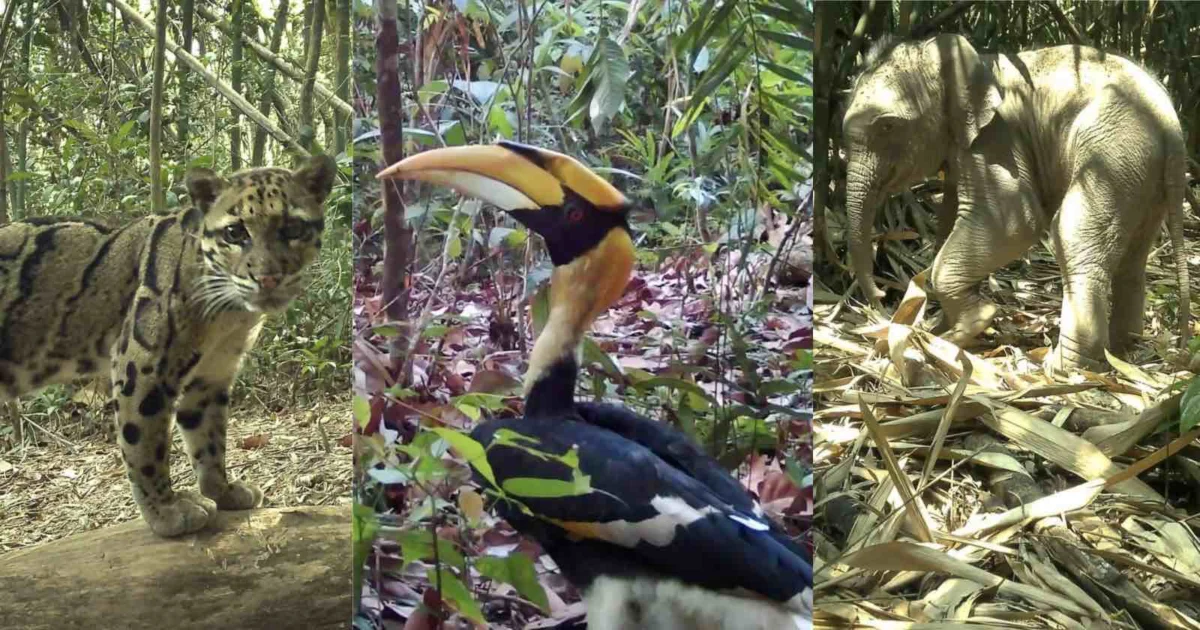
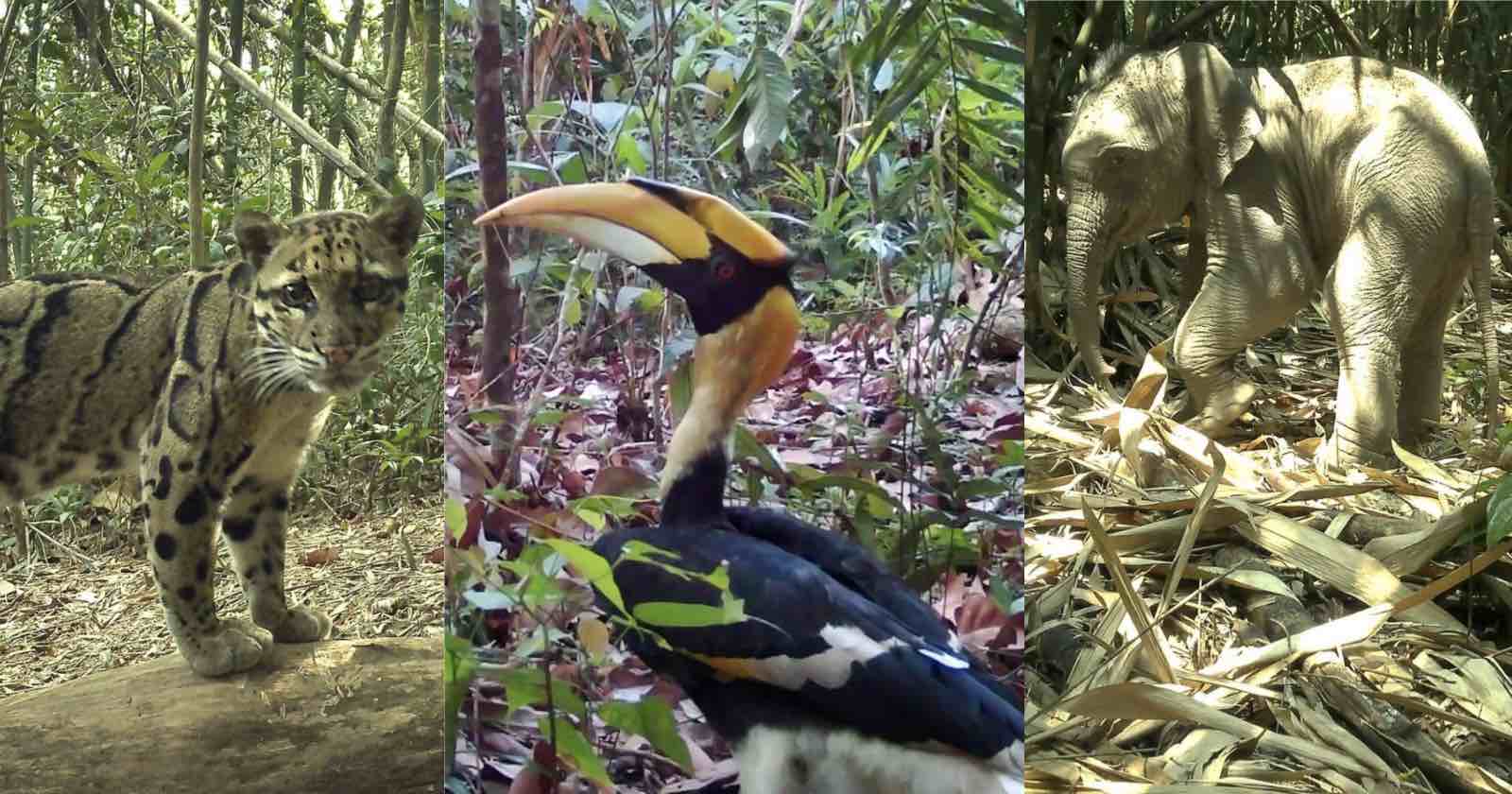
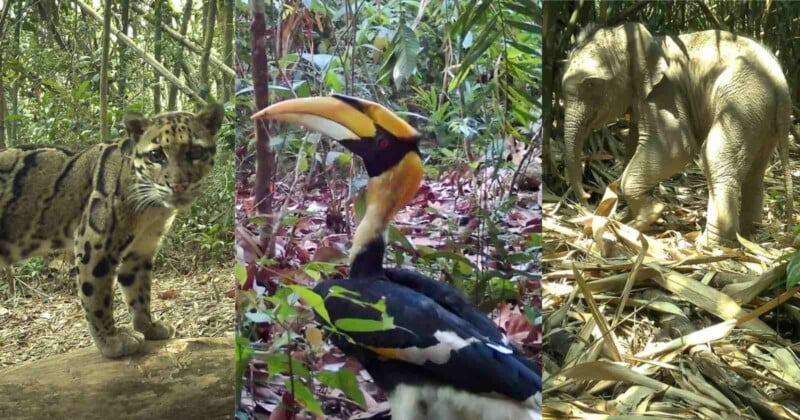
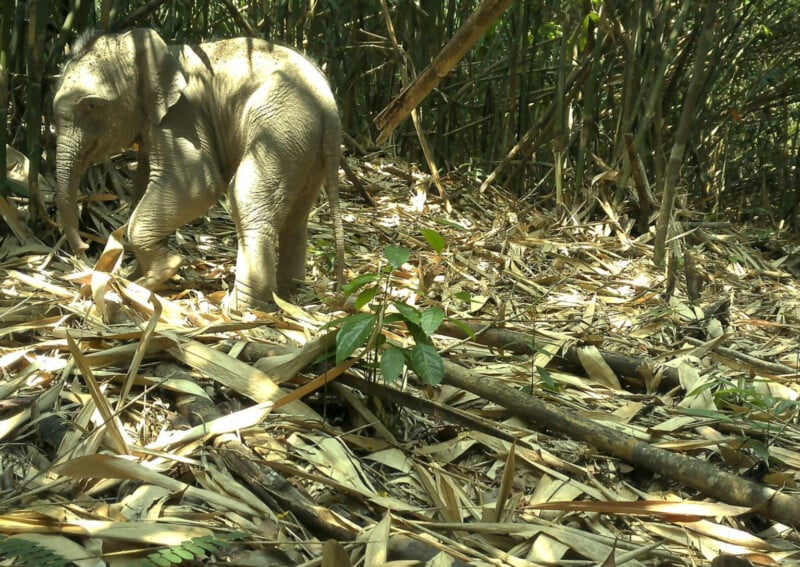
The survey also confirmed the continued presence of larger mammals, including Asian elephants and clouded leopards. The clouded leopard, with its large, cloud-like spots, is a high-value target for the illegal wildlife trade, making its documented presence in these protected areas a significant victory for local rangers. Additionally, the cameras captured images of dholes (Asiatic wild dogs), which are critical apex predators that help maintain the balance of the ecosystem by controlling herbivore populations.
Avian Indicators of Forest Health
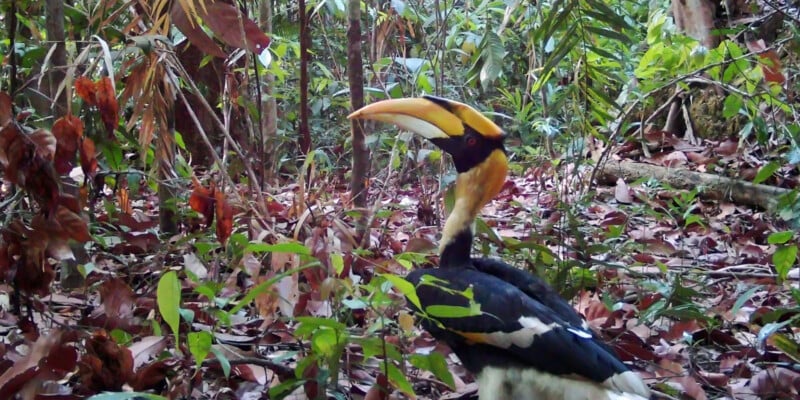
The great hornbill, a large bird with a magnificent yellow and orange casque on its beak, was also recorded. Ornithologists view the presence of the great hornbill as a primary indicator of a healthy, "old-growth" forest. Because these birds require large, ancient trees for nesting and a wide variety of fruit-bearing plants for food, their survival is inextricably linked to the preservation of large, unfragmented forest blocks.
Chronology of Conservation and Historical Context
Fauna & Flora’s involvement in the Annamite Mountains dates back to the mid-1990s, a period defined by a "golden age" of biological discovery in the region. Since then, the organization’s strategy has evolved from purely exploratory missions to long-term habitat management and anti-poaching initiatives.
Between 2000 and 2020, the region saw a dramatic increase in "empty forest syndrome," a condition where forests remain structurally intact but are devoid of large and medium-sized mammals due to intensive hunting. The 2025 survey serves as a critical benchmark in a new era of conservation, where advanced technology like high-definition camera traps and AI-assisted image recognition are used to monitor recovery efforts.
Analysis of Threats: The Snaring Crisis
Despite the encouraging images, the survey data highlights a persistent and lethal threat: widespread snaring. Snares are simple, inexpensive wire traps that are set in massive quantities to catch animals for the bushmeat trade or the traditional medicine market. They are indiscriminate, often killing or maiming non-target species, including the very elephants and leopards the survey sought to document.
Gareth Goldthorpe, Senior Technical Adviser for Asia-Pacific at Fauna & Flora, emphasized the dual nature of these findings. "The Annamite mountain range is alive with a host of incredible creatures, each playing a critical role in maintaining the forest ecosystems that are vital to the health of our planet," Goldthorpe stated. "However, this camera-trap data also allows us to understand more about their interactions with human settlements and the pressures they face."
The survey indicates that habitat fragmentation—caused by road construction and agricultural expansion—is pushing wildlife into smaller, isolated pockets. This fragmentation makes it easier for poachers to access deep-forest species and reduces the genetic diversity of animal populations by preventing migration.
Broader Implications and Future Outlook
The results of the 2025 Annamite survey have implications that extend far beyond the borders of Cambodia, Laos, and Vietnam. As the global community strives to meet biodiversity targets, such as the "30 by 30" initiative (protecting 30% of the planet’s land and oceans by 2030), data from the Annamite Mountains provides a blueprint for how to manage complex, transboundary landscapes.
The success of the partnership between international NGOs, national governments, and Indigenous communities suggests that the future of conservation lies in integrated management. By combining high-tech monitoring with traditional ecological knowledge, there is a path forward to ensure that the "Amazon of Asia" does not become a silent forest.
The next phase of the project will involve using the 2025 data to designate "strictly protected zones" within the mountains, where human entry is limited to scientific research and essential patrolling. Furthermore, the provincial environment department in Ratanakiri has expressed interest in expanding the camera trap program to include real-time satellite transmission, which would allow rangers to respond immediately to human incursions in sensitive areas.
As the world faces an accelerating biodiversity crisis, the rare images from the Annamite Mountains serve as a powerful reminder of what is at stake. The survival of the Annamite striped rabbit, the sun bear, and the clouded leopard depends not just on the absence of hunters, but on the active, well-funded, and community-supported preservation of the ancient forests they call home. The 2025 survey is more than a collection of photographs; it is a call to action to protect one of the Earth’s final frontiers.
