


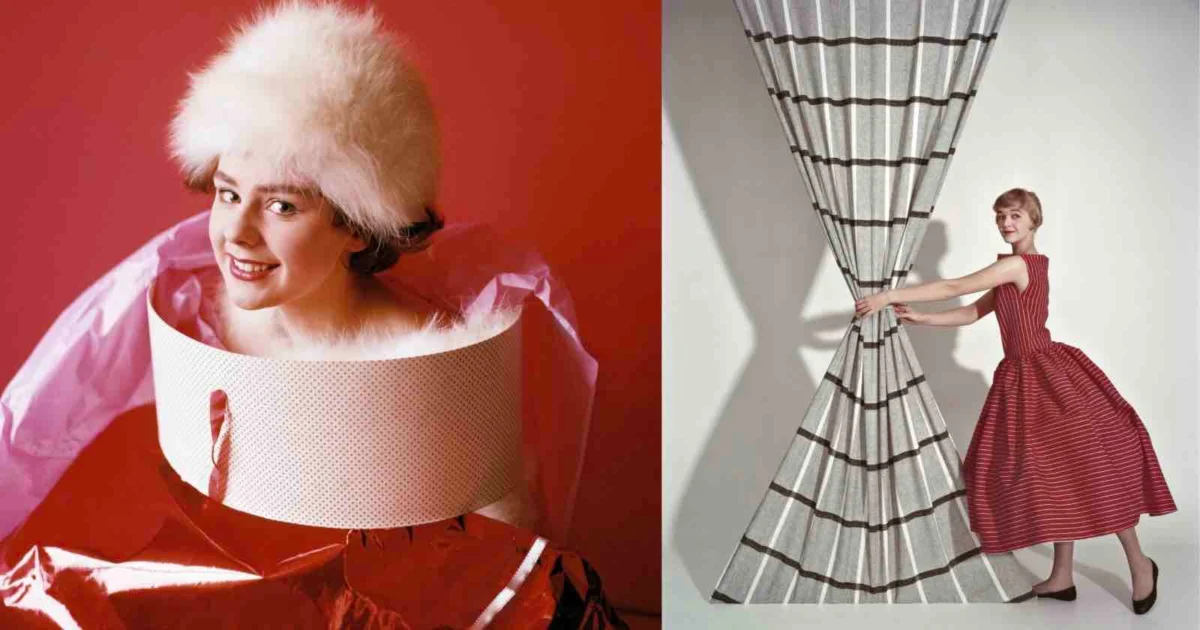
The exhibition Colour Me Modern: Claire Aho and the New Woman, currently hosted by the United Kingdom-based charity Hundred Heroines, serves as a comprehensive retrospective of one of the most influential figures in Nordic visual culture. Running until May 31, this free public showcase highlights the transformative career of Claire Aho (1925–2015), a photographer whose work became synonymous with the vibrant, optimistic spirit of postwar Finland. Often referred to as the "Grand Old Lady of Finnish Photography," Aho is credited with breaking the monochrome tradition of her era, introducing a sophisticated use of color, cinematic composition, and a modern portrayal of femininity that challenged contemporary social norms.
Hundred Heroines, the sole U.K. charity dedicated exclusively to celebrating women in photography, has curated this exhibition to place Aho within a broader global context of female pioneers. By focusing on her output from the 1950s and 1960s, the exhibition illustrates how Aho’s lens helped construct a new national identity for Finland—one defined by elegance, industrial progress, and the emergence of the "New Woman."
The Legacy of a Creative Dynasty
To understand the impact of Claire Aho, one must look at the rich artistic lineage from which she emerged. Born in 1925, she was the daughter of Heikki Aho and the granddaughter of the celebrated Finnish national author Juhani Aho. Her father, alongside Björn Soldan, founded the legendary production company Aho & Soldan, which played a pivotal role in documenting the birth of the Finnish republic through film and photography.
Aho began her career within this family enterprise, initially training as a documentary filmmaker. This background in motion pictures profoundly influenced her still photography, instilling a sense of narrative timing and "staged reality" that would become her trademark. During the late 1940s and early 1950s, Finland was a nation in recovery, grappling with the aftermath of World War II and the burden of war reparations to the Soviet Union. In this austere climate, the visual arts were largely functional and somber.
Aho, however, sought a different path. Encouraged by her father’s critiques of the poor-quality color processes available in Finland at the time, she dedicated herself to mastering the technical complexities of color film. She opened her own commercial studio in Helsinki in the early 1950s, a period that coincided with the "Golden Age" of Finnish design. This era saw the rise of iconic brands like Marimekko and Artek, and Aho became the primary visual architect for this burgeoning aesthetic.
Chronology of a Career in Motion
The trajectory of Claire Aho’s career mirrors the modernization of Finland itself. A timeline of her most significant contributions reveals a woman who was consistently ahead of her time:
- 1950s: Aho establishes her independent studio in Helsinki, pivoting from documentary film to commercial and fashion photography. She becomes a pioneer in the use of Agfacolor and Kodachrome in the Nordic region.
- 1952: The Helsinki Summer Olympics mark a turning point for Finnish international relations. Aho is the only female photographer granted the credentials to film the event. Her footage of the opening ceremonies and the vibrant flags of the participating nations provides a rare color record of the games.
- 1957: Aho publishes Helsinki, tytär Itämeren (Helsinki, Daughter of the Baltic Sea). This work is recognized as the first color photobook in postwar Finland, capturing the city’s architecture and daily life with a brightness that signaled an end to wartime austerity.
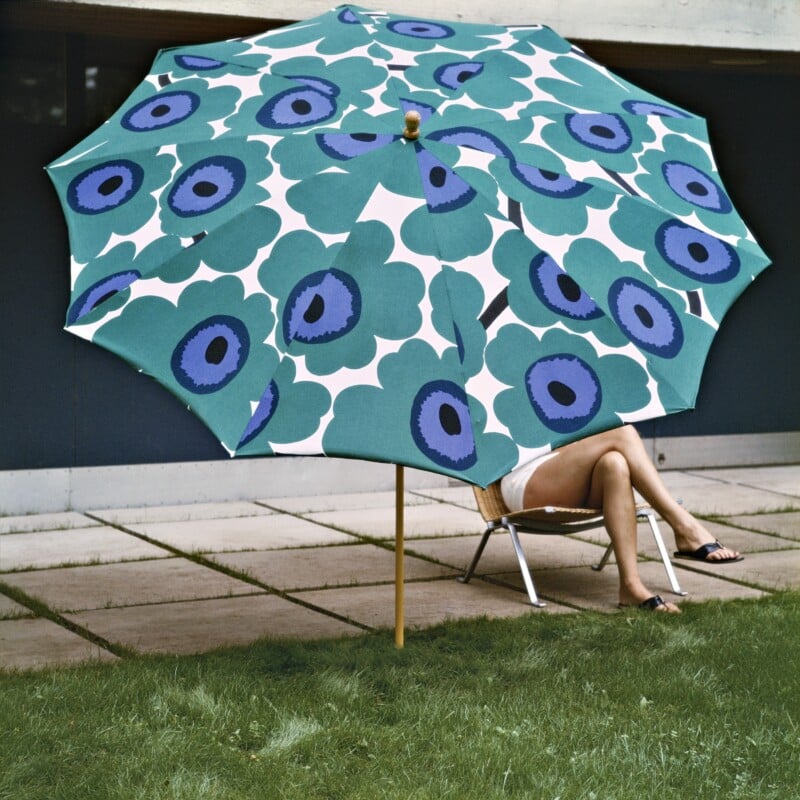
- 1960s: Her work expands into high-fashion editorial and advertising. She collaborates extensively with Marimekko, capturing the bold, geometric patterns of Armi Ratia’s designs.
- 1970s–2000s: Aho moves to Stockholm, Sweden, where she continues to work in editorial photography and maintains the extensive archives of the Aho & Soldan Foundation.
- 2017: Following her death in 2015, a major exhibition of her work is organized by the United Nations to mark the centenary of Finnish independence, showcasing her images in New York, Geneva, and Nairobi.
Defining the "New Woman" through the Lens
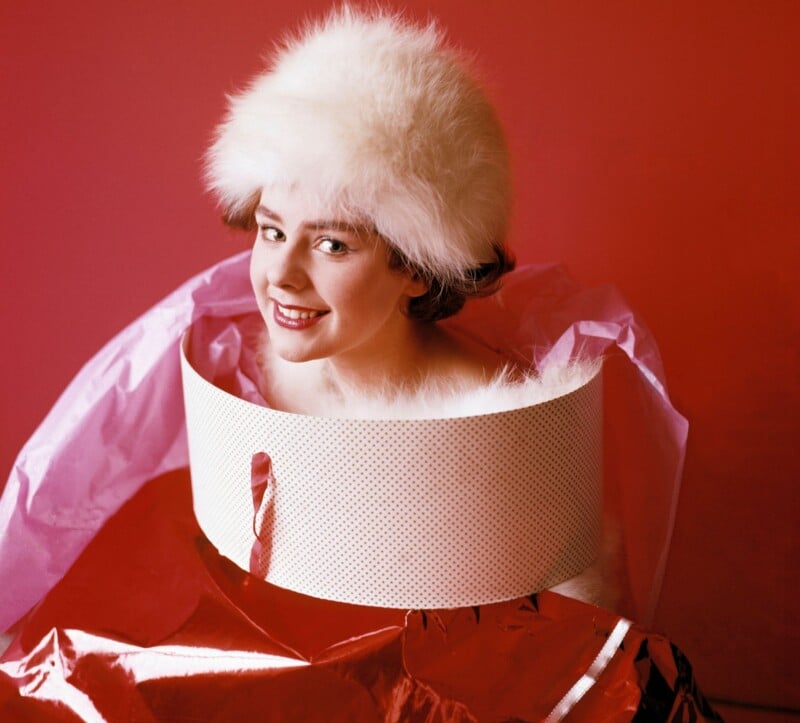
The central theme of the current exhibition, "The New Woman," refers to the shift in how women were depicted in media during the mid-20th century. Aho’s subjects were rarely passive; they were depicted as confident, independent, and engaged with the modern world. Whether photographing Miss Finland 1958, Pirkko Mannola, or fashion models like Carita Järvinen, Aho utilized bold palettes—vivid reds, deep blues, and striking yellows—to emphasize the vitality of her subjects.
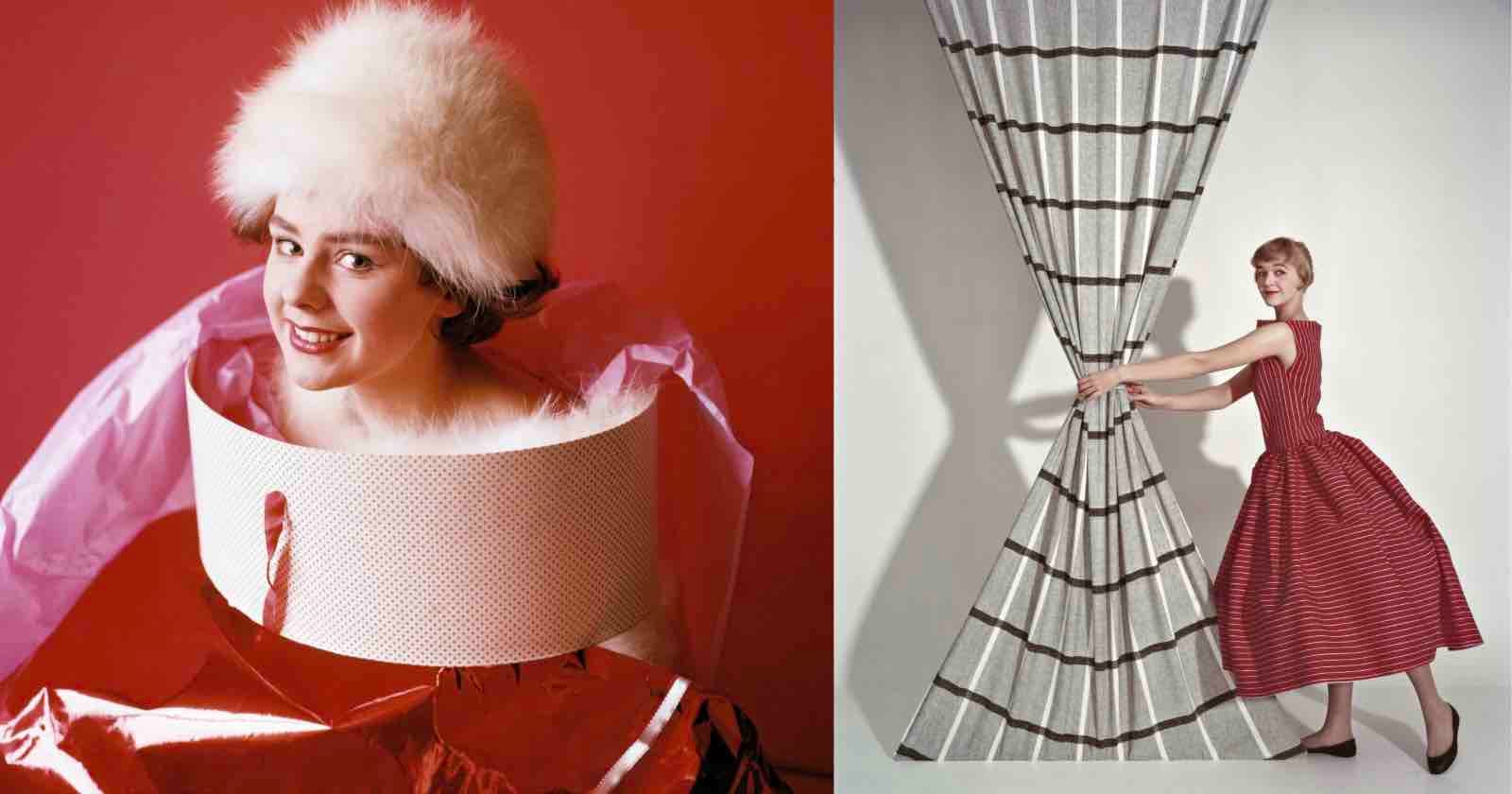
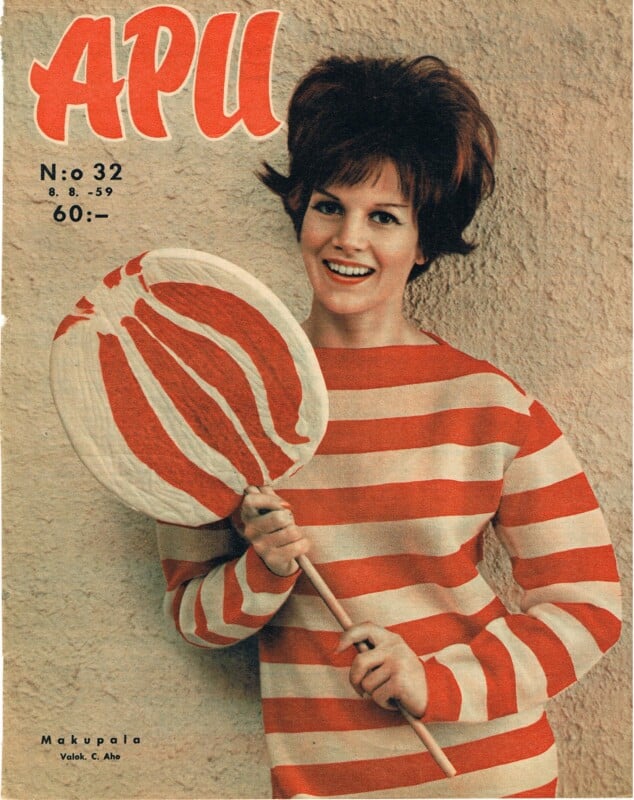
Her 1958 work, Cotton Rhapsody, featuring model Elina Salo, exemplifies this approach. The image uses a minimalist set and a bold, striped dress to create a sense of movement and graphic power. Unlike the soft-focus glamour typical of the era’s Hollywood portraits, Aho’s fashion photography was sharp, architectural, and witty. She often placed models in unconventional settings or used props to create a sense of playful surrealism.

This wit extended to her commercial commissions. For brands such as Fazer (confectionery) and Paulig (coffee), Aho moved away from traditional product shots. She famously used invisible threads to make chocolates appear as if they were levitating and staged elaborate scenes involving miniature penguins to sell ice cream. These techniques not only showcased her technical ingenuity but also reflected the growing consumer optimism of the 1950s.
Technical Innovation and Artistic Rigor
Aho’s mastery of color was not merely an aesthetic choice but a technical feat. In the 1950s, color photography required precise lighting and temperature control, and the film had a narrow latitude for error. Aho’s ability to produce consistent, vibrant results made her the preferred photographer for the Finnish printing industry, which was then transitioning to high-quality offset color reproduction.
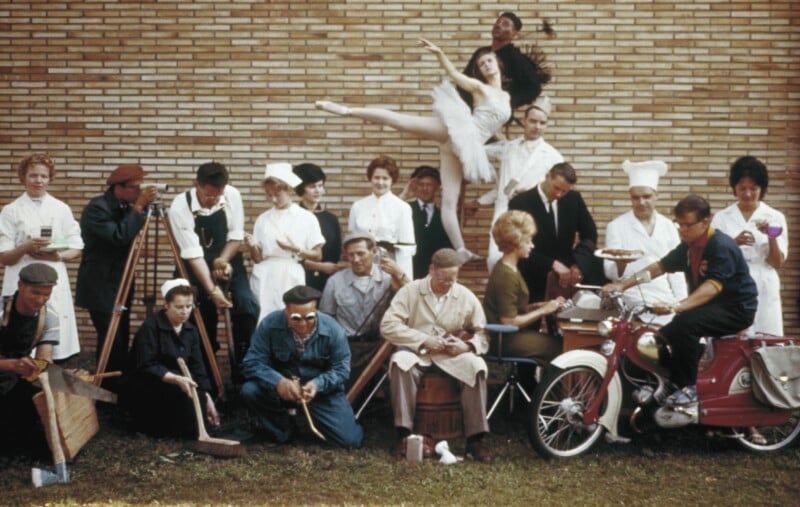
Her work also reflected a cinematic understanding of lighting. Coming from a filmmaking background, she treated the studio as a stage. She was known for her meticulous attention to detail, often spending hours arranging a single composition to ensure that the colors interacted harmoniously. This "staged" quality did not detract from the realism of her work; rather, it elevated everyday Finnish life into a form of high art.
Institutional and Curator Perspectives
The curation of Colour Me Modern by Hundred Heroines aims to provide an emotional reprieve for contemporary audiences while highlighting historical excellence. Del Barrett, the curator and founder of Hundred Heroines, emphasized the intentionality behind the exhibition’s cheerful tone.
"There is so much bad news around at the moment, we wanted to show something cheerful," Barrett stated. "In the same way that Claire used color and a modern style to project confidence and optimism about the future, we hope this exhibition leaves visitors feeling uplifted, energized, and more hopeful about what lies ahead."
This sentiment is echoed by art historians who view Aho’s work as a crucial bridge between documentary realism and modern commercialism. By documenting the 1952 Olympics and the subsequent rise of Finnish design, Aho provided the visual evidence of a nation’s successful transition from a rural, war-torn society to an urban, industrial democracy.
Broader Impact and Implications in Art History
The significance of Claire Aho extends beyond the borders of Finland. Her career offers a case study in how women photographers navigated the male-dominated landscapes of journalism and commercial advertising in the mid-20th century. Her appointment by Pathé News in New York—where she was the only woman among 400 male reporters covering Finland—underscores her exceptional status in the field.
Furthermore, Aho’s work remains a vital resource for the study of Finnish design history. Her long-standing collaboration with Marimekko helped define the brand’s visual language, which remains influential in global fashion today. Her photographs did more than sell clothes; they sold a lifestyle of Nordic modernism characterized by simplicity, functionality, and a connection to light.
As the "Grand Old Lady of Finnish Photography," Aho’s legacy is preserved by the Aho & Soldan Photo and Film Foundation. The current exhibition in the U.K. ensures that her contributions are recognized not just as regional artifacts, but as essential components of the global history of photography.
Conclusion
Colour Me Modern: Claire Aho and the New Woman is more than a display of vintage photography; it is an exploration of how a single artist can influence the visual consciousness of a nation. Through her bold use of color and her progressive portrayal of women, Claire Aho did not just document the modernization of Finland—she helped invent it. As viewers engage with her work through May 31, they are invited to witness a pivotal moment in 20th-century art where optimism, technical skill, and a new vision of womanhood converged to create something enduring.
