

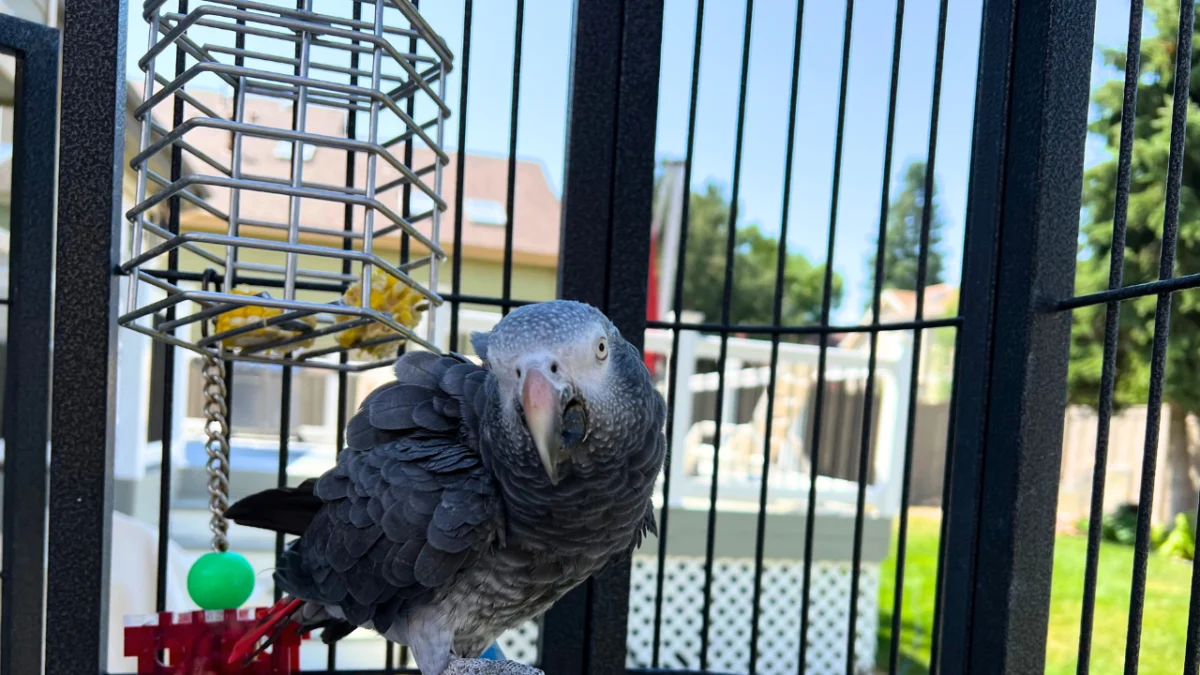
African Grey parrots, celebrated for their exceptional intelligence and sophisticated vocalizations, demand a comprehensive and dynamic enrichment program to thrive in captivity. These highly cognitive birds, often likened to a four-year-old human child in their problem-solving capabilities, are susceptible to a range of debilitating behavioral issues if their innate intellectual and physical needs are not consistently met. This article delves into the critical importance of mental and physical stimulation, outlining evidence-based strategies for owners to cultivate an environment that supports the holistic well-being of their African Grey companion.
The Intellectual Prowess of African Greys and the Peril of Neglect
African Greys (Psittacus erithacus) are not merely pets; they are sentient, intelligent beings originating from the dense rainforests and savannas of Central and West Africa. In their natural habitat, these social birds spend the vast majority of their waking hours engaged in complex activities: extensive foraging for a diverse diet of seeds, nuts, fruits, and vegetation, intricate social interactions within large flocks, exploring vast territories, and constantly adapting to environmental challenges. This wild existence hones their problem-solving skills, sensory awareness, and cognitive flexibility, shaping them into the highly adaptable and intelligent creatures we observe today.
The transition to a captive environment, no matter how well-intentioned, often drastically simplifies their daily lives. Without deliberate intervention, the stimulating challenges of the wild are replaced by static conditions, leading to chronic boredom and frustration. This cognitive deprivation is a primary driver of adverse behaviors, a phenomenon extensively documented in avian veterinary medicine. Common manifestations include incessant screaming, destructive biting, and psychogenic feather plucking—a self-mutilating behavior that can escalate into severe physical harm and profound psychological distress. Furthermore, a lack of appropriate outlets can foster unhealthy attachments, sometimes leading to unpredictable hormonal aggression when relationships or routines shift, causing confusion for both bird and owner. Research published in Applied Animal Behaviour Science by Meehan, Millam, & Mench (2003) highlights that providing foraging opportunities and increased environmental complexity can significantly prevent and reduce psychogenic feather picking in young Amazon parrots, a principle equally applicable to African Greys. This scientific finding underscores the imperative for proactive enrichment to mitigate such welfare concerns.
Scientific Foundations of Avian Cognition
The scientific understanding of African Grey intelligence underwent a profound transformation largely due to the pioneering work of Dr. Irene Pepperberg and her renowned subject, Alex. For over three decades, Dr. Pepperberg’s research demonstrated that Alex was capable of far more than mere mimicry. He could identify objects by color, shape, and material, count up to six, understand concepts of "same" and "different," and even grasp the concept of "none." Alex’s ability to use contextually appropriate language to request items or comment on his environment shattered previous assumptions about avian cognitive limits, placing his intellectual capacity on par with that of a human preschooler.
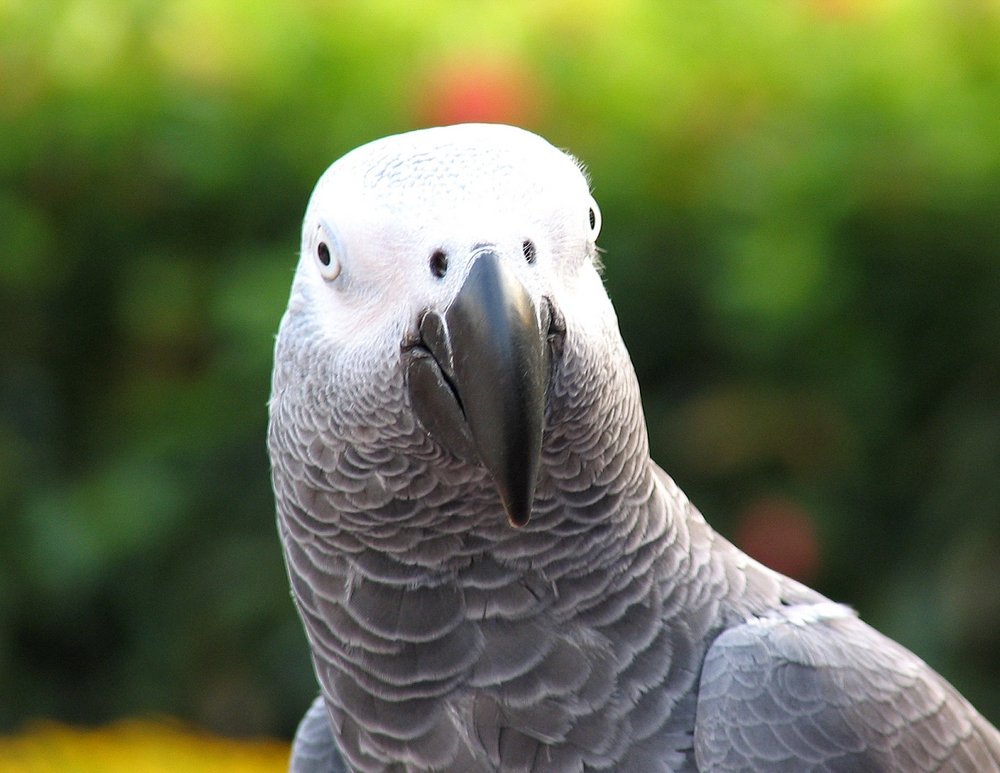
This groundbreaking research, detailed in The Alex Studies (Pepperberg, 1999), underscores a fundamental truth: African Greys are hardwired for learning, exploration, and adaptation. Their brains require constant engagement, much like their bodies require nutrition. Neglecting their mental well-being is akin to nutritional deficiency, leading to irritability, withdrawal, and destructive tendencies. Modern avian care paradigms, informed by these scientific insights, increasingly recognize mental stimulation as a non-negotiable component of daily husbandry, as crucial as a balanced diet and clean water. The absence of such stimulation is not just an inconvenience; it is a welfare issue with serious implications for the bird’s long-term health and happiness, often contributing to birds being surrendered to rescue organizations due to behavioral challenges.
Designing a Dynamic Enrichment Program
A robust enrichment program for African Greys extends far beyond a few hanging toys. It necessitates a multi-faceted approach that addresses their foraging instincts, chewing drives, problem-solving abilities, and social needs. Leading avian veterinarians and animal welfare organizations consistently advocate for a diverse and regularly updated enrichment schedule.
Foraging: Recreating the Wild Hunt
Foraging is perhaps the single most important enrichment activity for African Greys. In the wild, they dedicate up to 75% of their day to searching for food, a mentally and physically demanding task. Replicating this in captivity transforms mealtime from a passive act into an engaging challenge.
- Ground Foraging: African Greys naturally forage on the forest floor. Owners can simulate this by scattering treats (pellets, seeds, dried fruits) in a shallow box filled with bird-safe shredded paper, clean leaves, cardboard pieces, or even non-toxic wood shavings. This encourages natural scratching, digging, and exploration, reducing sedentary behavior.
- Arboreal Foraging: In addition to ground foraging, Greys strip bark and extract food from branches. Commercial foraging toys, such as those made by reputable brands like Caitec or Busy Bird, often feature compartments, screws, slides, or flips that birds must manipulate to access hidden treats. Starting with simpler designs and gradually increasing complexity is key to building the bird’s confidence and preventing frustration.
- DIY Solutions: Budget-friendly and highly effective foraging toys can be crafted from everyday household items. Empty paper towel rolls stuffed with treats and folded ends, paper muffin cups holding a single nut, or cardboard egg cartons filled with various safe materials and hidden snacks offer endless possibilities. These homemade options are particularly valuable for frequent rotation, ensuring novelty.
Chew Toys: Satisfying Instincts and Maintaining Health
African Greys possess powerful beaks designed for cracking tough nuts and manipulating objects. Providing a continuous supply of appropriate chew toys is vital for stress relief, satisfying natural nesting instincts, and maintaining optimal beak health. Unmanaged beak overgrowth can lead to feeding difficulties and require veterinary intervention.
- Material Variety: While Greys can chew through almost anything, they often exhibit preferences for softer, shreddable woods like balsa, yucca, and vine, which offer immediate gratification and are quickly destroyed, providing a sense of accomplishment. However, harder woods provide more extended challenges. A mix of textures—cardboard, palm leaf, seagrass, bird-safe natural fibers, untreated sisal rope—ensures sustained interest and addresses different chewing styles.
- Placement and Rotation: Chew toys should be available in all zones of the cage and on play stands. Rotating them weekly prevents habituation and encourages exploration of new textures and challenges. Regularly inspect toys for damage and replace them when they become too small or pose a choking hazard, as ingesting small pieces can be dangerous.
Puzzle and Noise-Making Toys: Engaging the Intellect and Senses
Puzzle toys directly tap into the African Grey’s problem-solving intelligence, offering mental workouts that prevent boredom and foster confidence. These toys challenge birds to flip, twist, slide, or unscrew components to earn a reward, often a favorite treat.

- Cognitive Benefits: Engaging with puzzle toys enhances focus, reduces attention-seeking behaviors like screaming, and provides a sense of accomplishment. Start with straightforward puzzles and gradually introduce more complex designs as the bird’s proficiency grows, mimicking the progression of learning in a human child.
- Auditory Stimulation: Many Greys are also captivated by toys that produce sound. Bells (ensure they are bird-safe, non-toxic, and too large to swallow), clackers, or toys with rattling components can provide self-directed entertainment, allowing the bird to invent their own games and communication signals. The ability to create sound can be a powerful form of self-expression for these vocal birds.
Optimizing the Environment: Cage and Beyond
The physical environment plays a crucial role in delivering consistent enrichment. A well-designed living space maximizes opportunities for exploration, movement, and mental engagement. This includes both the primary enclosure and supplementary areas.
Strategic Cage Setup: Utilizing All Zones
Many owners inadvertently concentrate toys in the upper portion of the cage. However, African Greys benefit from enrichment distributed across all levels, encouraging a full range of physical movement and cognitive engagement.
- Multi-Level Engagement: Install different types of toys at high, mid-level, and lower zones. This encourages climbing, stretching, and varied postures, promoting physical fitness and reducing musculoskeletal strain. Foot toys, such as small chew blocks, plastic links, or rattles, are ideal for the cage floor or designated trays on play stands, encouraging manipulation and ground-level exploration.
- Safety and Security: Ensure all toys are securely fastened with bird-safe hardware. Regular inspection for wear and tear is critical to prevent injury. Materials should be non-toxic and free from sharp edges or small parts that could be ingested.
The Power of Rotation: Novelty is Key
African Greys are quick learners. Once they master a toy or exhaust its novelties, interest wanes, leading to disengagement and potential boredom. A consistent rotation schedule is therefore essential to maintain sustained interest.
- Weekly Swaps: Aim to rotate 2-3 toys every 7-10 days. Maintain a "toy bin" of cleaned, safe toys ready for reintroduction. An "old" toy often feels new again after a few weeks out of sight, maximizing the value of your toy collection. This strategy prevents habituation and continuously provides fresh challenges.
- Observational Learning: Pay attention to your bird’s preferences. Which textures do they prefer? Which puzzles do they solve most readily? Tailor your rotations to their evolving interests while still introducing new challenges to broaden their experience.
Creating Enrichment Stations: Expanding Horizons
Cage space is finite, but enrichment opportunities are not. Designating specific "enrichment stations" outside the main cage provides variety and encourages exploration in different environments, preventing cage-related lethargy.
- Play Gyms and Tree Stands: A dedicated play gym or natural tree stand in a bird-safe room offers a secondary habitat for climbing, chewing, and foraging. Equip these with natural wood perches, hanging toys, and small foraging cups. Varying perches (diameter, texture) promotes foot health.
- Window and Shower Perches: Window perches offer invaluable visual stimulation, allowing birds to observe the outside world, which can be immensely enriching. Care must be taken to ensure no direct drafts or excessive sun exposure. Shower perches provide an opportunity for gentle mist baths, which many Greys enjoy, especially in humid environments, supporting feather health and respiratory function.
- Outdoor Aviaries: For owners with secure, predator-proof outdoor aviaries, this offers unparalleled enrichment. Access to fresh air, natural sunlight (essential for Vitamin D synthesis), and a broader sensory environment significantly contributes to a bird’s physical and mental health. Strict safety protocols, including appropriate shading, escape-proofing, and protection from extreme weather, are paramount. The aviary structure should be robust to deter predators and prevent escapes, a crucial consideration for any outdoor setup.
Social Interaction and Physical Activity: The Holistic Approach
Beyond toys and environmental setup, daily social interaction and structured physical activity are indispensable for a balanced African Grey. These elements are fundamental to their social and physical well-being.

Dedicated Playtime: Building Bonds and Sharpening Minds
African Greys are flock animals, and in a captive setting, their human companions become their flock. Daily, positive interaction is crucial for emotional security and mental stimulation, reinforcing their position within the social unit.
- Structured Sessions: Aim for short, focused play and training sessions, ideally 5-10 minutes at a time, to match their attention span. These sessions are powerful bonding opportunities, fostering trust and communication.
- Clicker Training: This positive reinforcement technique is highly effective for teaching new behaviors, from basic step-up commands to complex tricks. Pairing the distinct sound of a clicker with a high-value treat precisely marks the desired behavior, fostering confidence and a willingness to learn. This method, supported by behavioral science, strengthens the human-animal bond through clear communication and positive association, and can also be used to redirect unwanted behaviors.
Out-of-Cage Exploration: Movement and Discovery
Restricting an African Grey solely to its cage, even a large one, severely limits its natural inclination for movement and exploration. Out-of-cage time is not a luxury but a fundamental requirement for both physical and mental health. Studies like Rozek, Millam, & Roudybush (2010) on Amazon parrots suggest that environmental enrichment and pair housing positively impact learning tasks, underscoring the benefits of an enriched environment beyond the cage.
- Minimum Daily Excursions: Ideally, provide at least 1-2 hours of supervised out-of-cage time daily. This allows for stretching, flying (if safe to do so), climbing, and interacting with their environment on a larger scale, preventing muscle atrophy and promoting cardiovascular health.
- Safety Protocols: Prioritize safety in any out-of-cage area. This includes securing windows and doors, turning off ceiling fans, removing toxic plants, covering electrical cords, and supervising interactions with other pets or children. A bird-safe room, free from hazards, is a prerequisite for any unsupervised exploration.
Avoiding Common Pitfalls in Enrichment
Even with the best intentions, owners can inadvertently make mistakes that compromise their enrichment efforts, leading to suboptimal welfare outcomes for their African Grey.
- Stagnant Toy Selection: The most common error is failing to rotate toys. What was once novel and engaging quickly becomes ignored, leading to a diminished impact on the bird’s mental state. A dynamic rotation schedule is key to sustained interest.
- Underestimating Social Needs: Toys, however sophisticated, cannot replace genuine human interaction. African Greys require daily social engagement, training, and bonding with their primary caregivers to feel secure and connected. Isolation can lead to severe emotional distress.
- Neglecting Physical Activity: While mental stimulation is vital, physical exercise is equally important. Birds are not meant to be sedentary. A lack of movement contributes to obesity, muscle atrophy, and behavioral lethargy, impacting their overall health and longevity. Encourage climbing, wing flapping, and foraging that requires physical effort.
- Inadequate Foraging Provision: Simply providing food in a bowl is a missed opportunity for significant enrichment. Integrating foraging into every meal reduces food-related boredom and promotes natural behaviors, channeling their innate drive to search for sustenance.
Conclusion: A Holistic Commitment to African Grey Welfare
Providing comprehensive enrichment for an African Grey parrot is an ongoing commitment to their complex physical and psychological needs. It involves a thoughtful integration of diverse foraging challenges, stimulating chew and puzzle toys, a dynamically structured environment, consistent social interaction, and ample opportunities for physical exercise. By understanding their natural history, acknowledging their profound intelligence as evidenced by scientific research, and implementing a multi-faceted enrichment program, owners do more than just prevent problematic behaviors
