


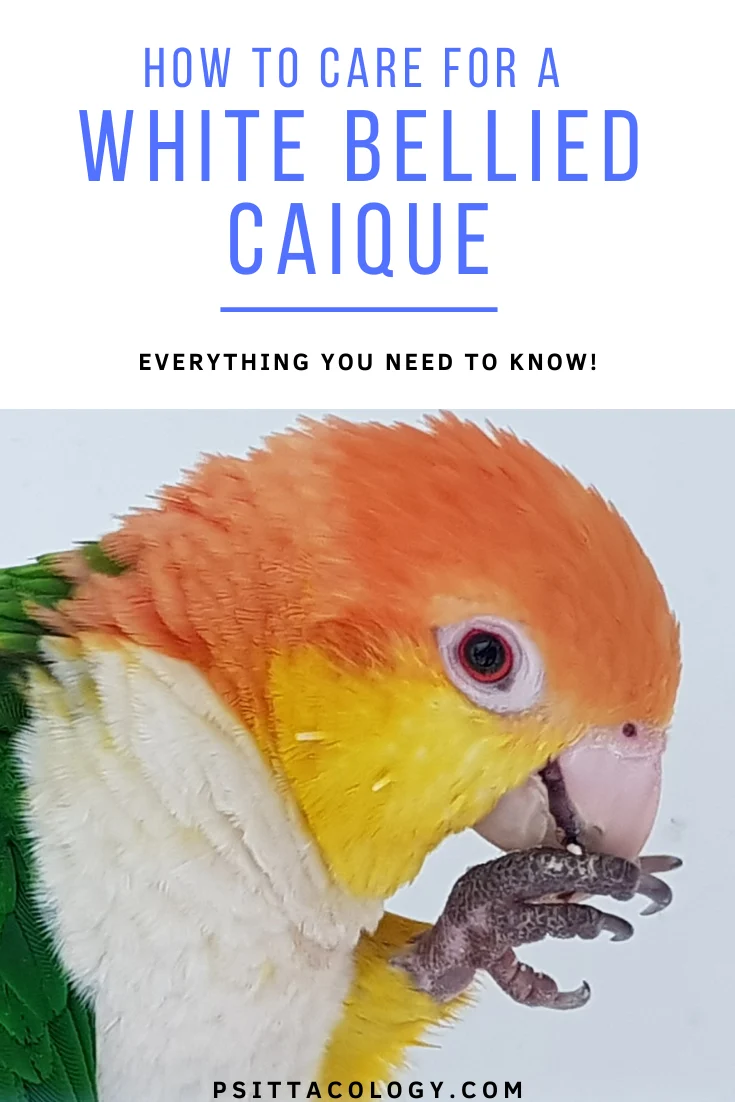
The white-bellied caique, a vibrant and charismatic South American parrot, is an increasingly popular choice for avian enthusiasts due to its engaging personality and playful antics. However, prospective owners must embark on a comprehensive educational journey to understand the significant commitment and specialized care required for these intelligent birds. Known for their "clown-like" behavior and spirited temperament, caiques demand an owner prepared for a dynamic and often challenging companionship that can span over four decades. This guide delves into the essential aspects of white-bellied caique care, diet, personality, and environmental needs, providing a factual and informative overview for responsible ownership.
The White-Bellied Caique: A Detailed Profile
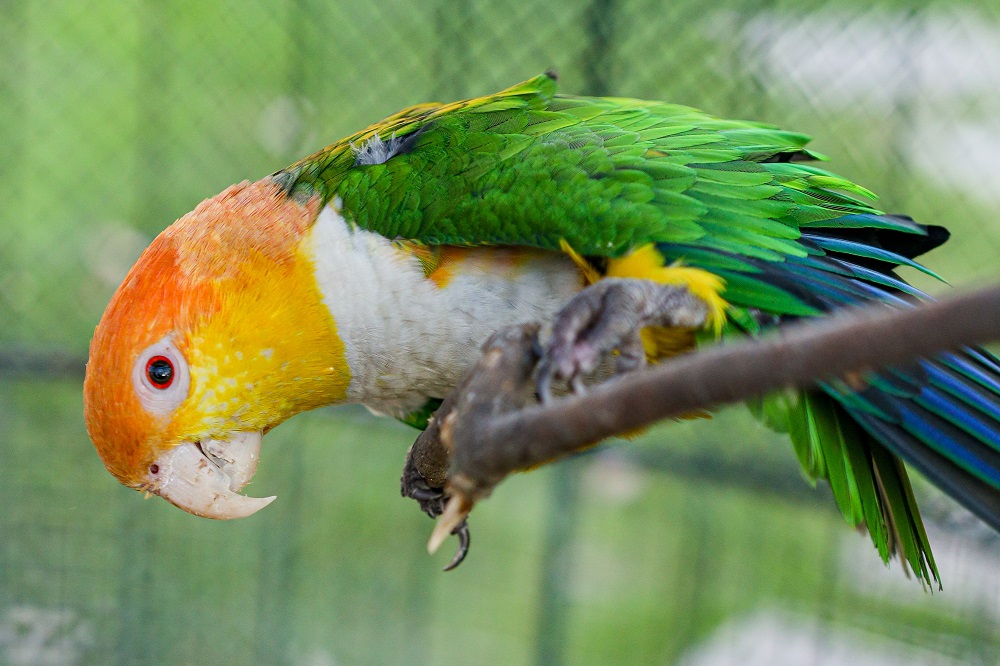
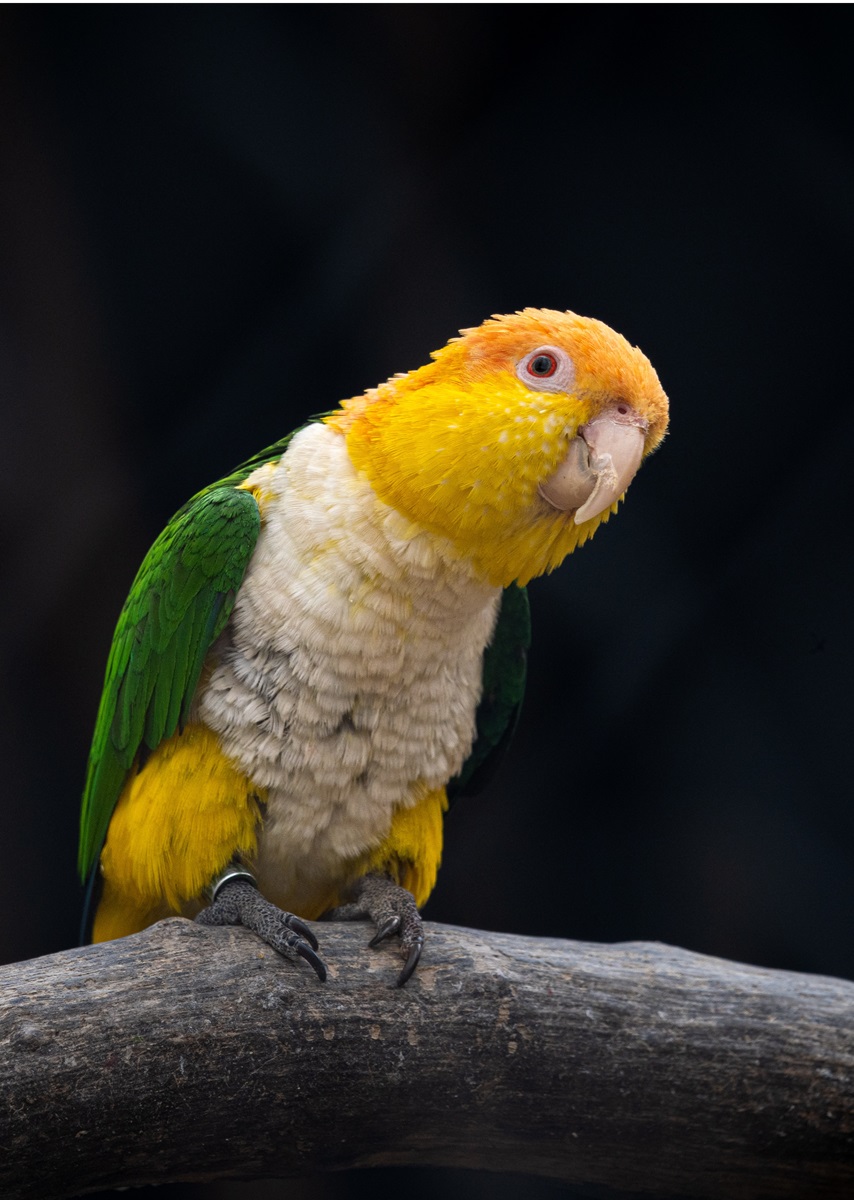
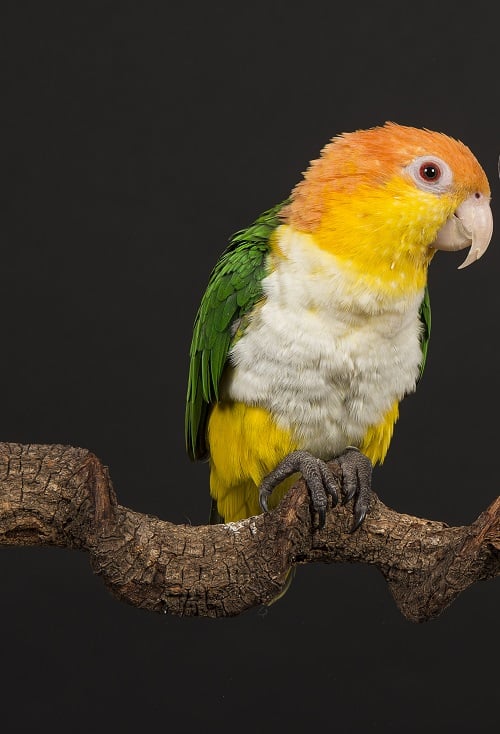
White-bellied caiques, scientifically classified within the genus Pionites, are distinguished by their striking coloration and compact, stocky build. Reaching an adult size of approximately 23 centimeters (9 inches) and weighing up to 170 grams, these parrots possess a characteristically short and somewhat stumpy tail. Their plumage presents a vivid palette: the chest and belly are entirely white to cream-colored, contrasting with bright yellow cheeks and an orange head. The wings and back are a rich green, complemented by a beige-colored beak. A particularly unusual feature is their reddish eyes, encircled by a distinctive bare eye-ring. While these visual markers are consistent, it is impossible to differentiate between male and female white-bellied caiques visually; a definitive determination requires a DNA test.
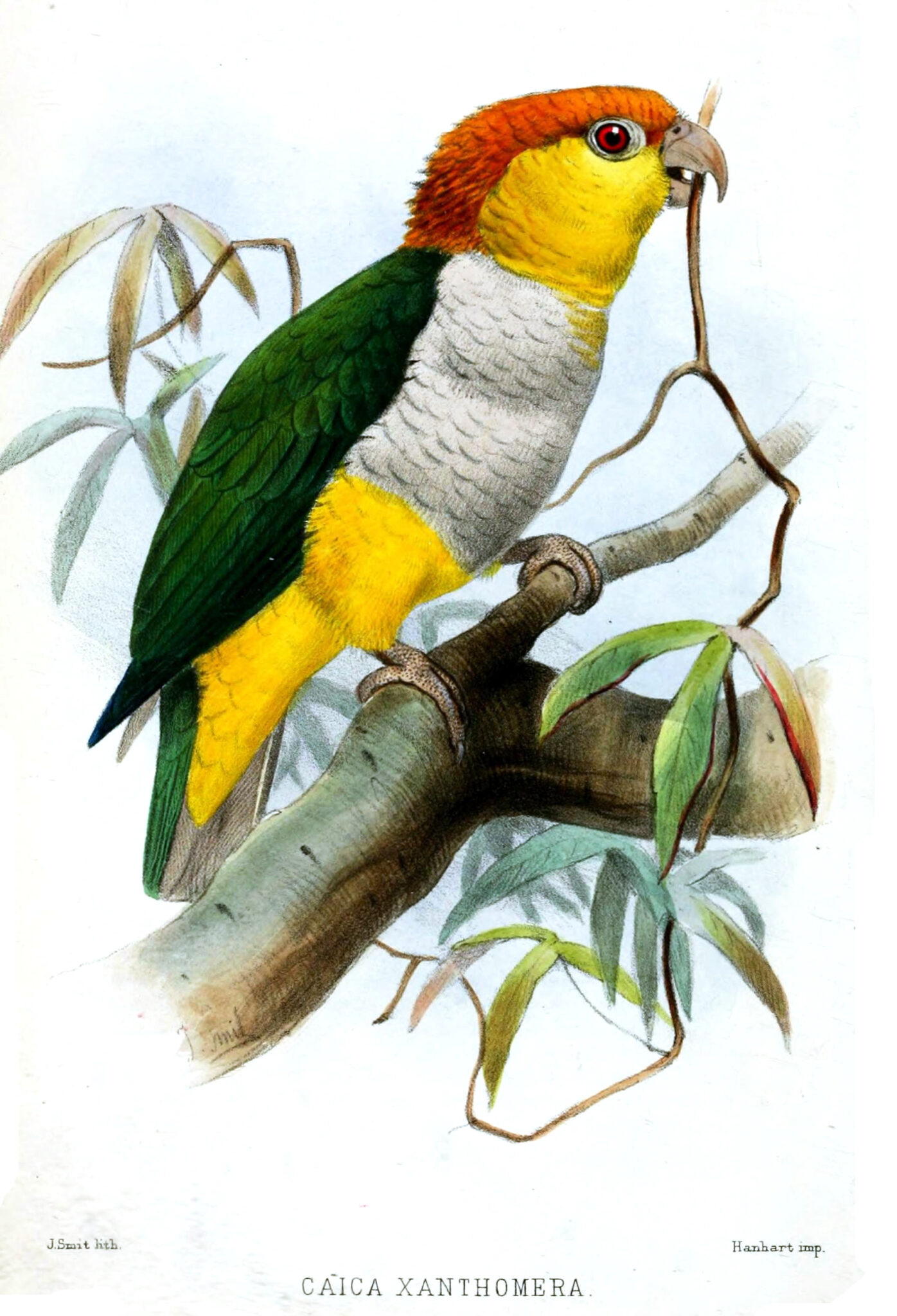
The taxonomy of the Pionites genus has been a subject of ongoing scientific discussion. Traditionally, the genus was understood to comprise two distinct species: the white-bellied caique (P. leucogaster) and the black-capped caique (P. melanocephalus). Within the P. leucogaster complex, three subspecies were historically recognized: P. l. leucogaster (the green-thighed parrot), P. l. xanthomerius (the yellow-thighed parrot), and P. l. xanthurus (the yellow-tailed parrot). However, contemporary ornithological sources, such as the authoritative Birds of the World, increasingly advocate for the elevation of P. l. xanthomerius and P. l. xanthurus to full species status. This reclassification is primarily based on discernible color differences in their tail and leg plumage. The scientific community continues to seek definitive genetic studies to conclusively resolve these taxonomic debates, underscoring the dynamic nature of avian classification.
Natural Habitat and Conservation Imperatives
White-bellied caiques are indigenous to the lush rainforest canopies of South America, with the majority of their populations concentrated within the Brazilian Amazon basin. Their natural range extends into various other South American nations, including Bolivia, Peru, and Ecuador. In their native environment, these social parrots typically inhabit tropical forest canopies, utilizing hollow trees for nesting. Observations indicate that they generally forage and travel in groups of up to 10 individuals, a behavioral trait that highlights their inherent social complexity.
Unfortunately, the conservation status of white-bellied caiques is a significant concern. The International Union for Conservation of Nature (IUCN) classifies the Pionites leucogaster (sensu stricto) population as endangered. The primary driver of this decline is the relentless habitat loss resulting from the extensive deforestation of the Amazon rainforest. Agricultural expansion, logging activities, and mining operations contribute substantially to the destruction of their critical arboreal ecosystems. While the illegal pet trade also poses a threat, habitat destruction remains the most pressing issue. The ethical implications of pet ownership, therefore, underscore the importance of acquiring captive-bred birds from reputable sources, ensuring no contribution to the pressures on wild populations. These birds play a vital ecological role as pollinators and seed dispersers within their ecosystem, making their decline a broader environmental concern.

Dietary Requirements for Optimal Health and Longevity
Understanding the white-bellied caique’s natural diet is crucial for formulating an appropriate domestic feeding regimen. A 2014 study by Lee et al. observed 190 wild white-bellied caiques, documenting their consumption of no fewer than 44 different plant species. This research revealed a highly varied diet that shifted seasonally, predominantly consisting of seeds (including those from various fruits), numerous fruits (often unripe), and a substantial quantity of flowers and flower buds. Further studies have indicated their consumption of pollen and nectar, highlighting their role as important pollinators for certain tree species. Occasionally, wild caiques also consume miscellaneous items such as leaves, bark, and even ants. A notable behavior is their visitation to clay licks, where they ingest soil, presumably to obtain essential micronutrients lacking in other food sources.
Translating this diverse wild diet into a domestic setting requires careful consideration to avoid common pitfalls. A seed-only diet, unfortunately still prevalent among inexperienced parrot owners, is wholly inadequate. Seeds are excessively fatty and deficient in the necessary macro and micronutrients for a caique’s long-term health. Similarly, a diet overly reliant on cultivated fruits is problematic. Domestic fruits are typically much higher in sugars than the varieties found in the wild, which caiques often consume unripe, thereby reducing sugar intake.
A balanced domestic diet should primarily consist of high-quality pelleted food, which should make up approximately 60-70% of their daily intake. This provides a foundational base of essential nutrients. The remaining portion should be comprised of a wide variety of fresh vegetables, including dark leafy greens (kale, spinach), bell peppers, carrots, broccoli, and various squashes. Fruits should be offered in limited quantities, prioritizing lower-sugar options such as berries, melon, and small pieces of apple. Occasional additions can include cooked whole grains, legumes, and very small amounts of lean cooked protein like chicken or egg. Fatty or sugary items such as nuts and dried fruits should be reserved as training treats or offered very sparingly due to their caloric density. Constant access to fresh water from multiple sources is imperative, as is the provision of a calcium block to support bone health and other physiological functions. Owners must also be aware of and strictly avoid foods toxic to parrots, including avocado, chocolate, caffeine, alcohol, fruit pits, onions, and garlic.

Temperament and Behavior: The Dynamic Personality of Caiques
The temperament of white-bellied caiques is arguably their most defining characteristic, setting them apart within the parrot world. While all parrots exhibit intelligence and playfulness, caiques elevate these traits to an exceptional level, earning them the moniker "clowns of the parrot world." This title, while apt, only scratches the surface of their complex personalities.
Caiques are capable of forming incredibly strong bonds with their human companions. However, as they mature through puberty, their behavior can become more challenging. Like many parrot species, they often develop a strong preference for one individual, and during certain periods, they can exhibit behaviors described as "nippy" or even "attacking" their beloved owner. This intensity necessitates an owner who is knowledgeable in parrot behavior and prepared to manage such phases with patience and appropriate training.
A well-socialized caique thrives on interaction and requires substantial daily engagement with its owner. For individuals unable to commit significant time, acquiring a pair of caiques might be a consideration, though careful introduction and monitoring are essential. It is critical to note that caiques are highly territorial and generally cannot be housed with other bird species due to a significant risk of aggression over cage space or food resources.
Living with a caique demands immense patience. Their energy levels appear boundless, manifesting in constant dancing, playing, and vocalizing. They possess a remarkable propensity for throwing objects and chewing on virtually anything within reach, leading to what many owners affectionately describe as a "trail of mayhem." Proper, consistent training using positive reinforcement methods is indispensable for mitigating unwanted behaviors and fostering a harmonious relationship. Even with diligent training, owners must accept that a caique will inevitably engage in destructive behaviors; it is a matter of "when," not "if," they will chew or dismantle something. For those who appreciate a spirited, intelligent, and occasionally chaotic companion, a caique can be an incredibly rewarding pet.
Housing and Environmental Enrichment: Creating a Stimulating Home
Given their explosive energy and inquisitive nature, white-bellied caiques require a substantial and stimulating living environment. Even with ample out-of-cage time, a spacious enclosure is paramount for their physical and psychological well-being. The cage must be robust, constructed from durable, non-toxic materials such as powder-coated steel, to withstand their powerful beaks and prevent escapes. Effective locking mechanisms are essential, as their intelligence often allows them to quickly decipher and bypass simpler latches. Minimum cage dimensions for a single caique should be no less than 24x24x30 inches, with larger enclosures always preferred, especially for pairs. Bar spacing should be appropriate for their size, typically between 3/4 to 1 inch, to prevent injury or escape.
The interior of the cage should be thoughtfully furnished. Multiple natural perches of varying diameters and textures are crucial for promoting foot health and preventing pressure sores; a variety of branch types (e.g., java wood, manzanita) should be provided. Simple dowel perches should be avoided as the sole option. Stainless steel food and water bowls are recommended for hygiene and durability, requiring daily cleaning. A bird bath or a dedicated area for bathing is also vital for their feather health and enjoyment.

Beyond the cage, daily out-of-cage time is non-negotiable, ideally for several hours. A dedicated "playground" or activity center outside the cage, constructed from natural wood and laden with a rotating selection of toys, provides essential mental and physical stimulation. This area encourages chewing, climbing, and exploration in a safe environment.
Crucially, any room a caique has access to must be thoroughly parrot-proofed. Their intense curiosity and destructive tendencies can lead to significant hazards for both the bird and the household. This includes securing electrical cords, removing toxic plants, storing chemicals out of reach, ensuring windows and doors are closed, and safeguarding fragile or valuable items. Furthermore, owners must be acutely aware of environmental toxins: scented products, aerosols, candles, and fumes from non-stick cookware (PTFE) are highly dangerous and potentially fatal to birds due to their sensitive respiratory systems.
Sensory World: Sounds and Vocalizations
Relative to many other parrot species, white-bellied caiques are considered to have a moderate noise level. This does not, however, equate to silence. Parrots, by nature, are capable of producing loud vocalizations, and caiques are no exception. For much of the day, their vocalizations consist of pleasant whistling, beeping, and softer squawking. Yet, they are fully capable of emitting very shrill screams, a behavior that serves a vital function in their natural habitat, allowing them to locate flock members across vast distances in dense forest canopies.
For individuals residing in apartments or shared living spaces, caiques generally represent a more manageable choice than larger, louder parrot species. Nonetheless, prospective owners must temper expectations regarding household quietude; the addition of any parrot to a family invariably signals the end of absolute silence.
Regarding their talking ability, caiques are not renowned as prolific or talented talkers. While some individuals may mimic a few words or phrases, they cannot compete with the champion talking parrot species such as African Greys or Amazon parrots. However, caiques are excellent candidates for vocalization training focused on whistles and tunes. Teaching a caique a short tune, such as a wolf whistle, through consistent repetition and positive reinforcement with treats, can be a rewarding way to interact and expand their repertoire of sounds.
Health and Medical Considerations: A Lifelong Commitment
Adopting a white-bellied caique represents a commitment that can easily span over 40 years, highlighting the necessity for a proactive approach to their health and well-being. Understanding potential medical emergencies and common ailments is paramount for responsible ownership.
Caiques are particularly susceptible to polyomavirus, a serious viral disease that causes severe organ issues, especially in young birds under four weeks of age, often with fatal outcomes. Vaccination against polyomavirus is highly recommended and should be discussed with an avian veterinarian. Other common health concerns in parrots, which caiques can also contract, include psittacosis (chlamydiosis), a zoonotic bacterial disease that can affect respiratory and digestive systems; psittacine beak and feather disease (PBFD), a viral infection causing feather and beak abnormalities; and aspergillosis, a fungal infection often linked to poor ventilation or hygiene. Nutritional deficiencies are also prevalent, primarily stemming from imbalanced diets, particularly those over-reliant on seeds. Behavioral issues such as feather plucking or self-mutilation can also have underlying medical causes, in addition to psychological stress or boredom.
Preventative care is the cornerstone of a caique’s long and healthy life. Annual check-ups with an avian veterinarian are essential for early detection and intervention. Owners should familiarize themselves with common signs of illness, which include fluffed feathers, lethargy, changes in droppings, nasal or ocular discharge, and a loss of appetite. Being prepared for medical emergencies means having the contact information for an avian veterinarian readily accessible and understanding basic first aid for birds. Furthermore, ensuring the bird is sourced from a reputable breeder who prioritizes health and ethical breeding practices is crucial for starting with a healthy companion and avoiding perpetuating the illegal wildlife trade.
In conclusion, the white-bellied caique offers an unparalleled companionship experience for the dedicated and well-informed owner. Their vibrant personalities, intelligence, and playful nature bring immense joy, but they equally demand significant investment in time, resources, and emotional commitment. Prospective owners must thoroughly research their needs, prepare their environment, and commit to lifelong care, ensuring these "clowns of the parrot world" thrive under responsible guardianship.
