

The American Federation of Aviculture (AFA), a leading non-profit organization dedicated to the preservation and stewardship of avian species, has formally announced its conservation agenda for the 2024-2025 cycle. Central to this year’s initiative is a reinforced partnership with Harrison’s Bird Foods, which has contributed a $25,000 grant to bolster wild parrot conservation projects within their native habitats. This funding, presented to AFA Chief Financial Officer Janice Lang, underscores a long-term commitment to bridging the gap between captive avian husbandry and in-situ field biology. As the AFA enters its fifth decade of operation, the organization continues to refine its grant-making processes, focusing on high-impact research and field interventions designed to mitigate the effects of poaching, habitat loss, and invasive species.
Strategic Alliances and the 2024-2025 Funding Cycle
The collaboration between the AFA and Harrison’s Bird Foods serves as a cornerstone for the organization’s small-grant program. By targeting specific, manageable projects, the AFA provides critical "seed" funding that often enables researchers to secure larger institutional grants. For the upcoming 2024-2025 period, the AFA is actively soliciting proposals for projects that align with its core mission: the advancement of aviculture through education, improved breeding practices, and the conservation of exotic birds.
While the AFA typically awards modest grants of $500 or less to a variety of applicants, it maintains the flexibility to approve larger submissions under exceptional circumstances. The organization’s Conservation Committee reviews these applications annually, ensuring that every dollar is directed toward projects with a high probability of success and the potential to provide significant scientific data. This data is not only vital for field biologists but also for the global community of avian veterinarians and captive breeders who rely on physiological baselines to improve bird health.
Field Interventions: Protecting the Scarlet Macaw and Native Ecosystems
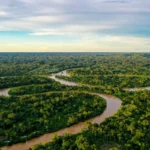
A primary focus of the 2024 fundraising season is the Chajul Biology Station, operated by Natura Mexicana in Chajul, Mexico. This project represents a critical intervention for the wild Scarlet Macaw (Ara macao) population in the Lacandon rainforest of southern Mexico. Historically, this region has faced near-zero percent fledgling rates due to aggressive poaching for the illegal wildlife trade. The Chajul station utilizes a multi-pronged approach to reverse this trend, involving the monitoring of wild nests, the hand-rearing of hatchlings when necessary, and the subsequent release of wild-hatched macaws back into the canopy.
The program’s success is notable; to date, over 150 Scarlet Macaws have been successfully fledged and returned to the wild. For 2024, the project has established a fundraising goal of $5,000 to procure essential medical and husbandry equipment, including brooders, incubators, and gram scales. Similarly, in Guatemala, the Selva Maya Living Landscape Program, managed by the Wildlife Conservation Society (WCS), is conducting intensive research into chick survivability within the Maya Biosphere Reserve. These projects highlight the AFA’s commitment to the "Selva Maya" region, one of the most biodiverse corridors in the Western Hemisphere.
Scientific Advancements: Bee Mitigation and Physiological Research
Beyond direct population management, the AFA is sponsoring innovative scientific research aimed at resolving ecological conflicts. One such project, led by Principal Investigator Caroline A. Efstathion, addresses the colonization of parrot nest boxes by Africanized honey bees. This conflict often results in the death of nestlings and the abandonment of nesting sites by adult parrots. The research has led to the development of a "push-pull" protocol, which utilizes bird-safe insecticides to repel bees from nest boxes while simultaneously using pheromone-baited traps to draw them to alternative locations. This method represents a significant step forward in non-lethal pest management within sensitive ecosystems.
In the Tambopata region of Peru, another AFA-supported project is establishing physiological baselines for wild parrots. Led by Dr. J. Jill Heatley, Lizzie Ortiz-cam, and Donald Brightsmith, the study utilizes i-STAT analyzers to determine electrolytes, venous blood gases, and lactate levels in the field. This research provides invaluable data on the health of growing nestlings and free-flighted adults, offering insights that are directly applicable to avian veterinary practices worldwide. Furthermore, the study investigates the theoretical reasons behind "clay lick" use, a behavior common among South American psittacines, which may be linked to the need for specific electrolytes during the reproductive cycle.

A Legacy of Advocacy: The 1974 Catalyst and Historical Context
The AFA’s comprehensive approach to conservation is rooted in its historical origin as an advocacy group. The organization was founded in March 1974 in response to a catastrophic outbreak of Exotic Newcastle Disease (END) in Southern California. During this period, the United States Department of Agriculture (USDA) euthanized thousands of healthy exotic birds in private collections to contain the virus. Simultaneously, the State of California proposed legislation that would have severely restricted or banned the private ownership of exotic birds.
In response, bird owners and clubs formed the AFA as an "avicultural umbrella" to represent their interests and provide an educational counterpoint to restrictive legislation. Over the last 50 years, the AFA has evolved from a defensive legal entity into a proactive scientific and educational organization. It now represents the avicultural community at international forums, including the Convention on the International Trade in Endangered Species (CITES), and monitors federal and state regulations to ensure that the rights of bird keepers are balanced with the needs of conservation.
Navigating the Regulatory Landscape: CITES, WBCA, and the ESA
A significant portion of the AFA’s mission involves navigating and educating the public on the complex web of wildlife laws. This includes the Wild Bird Conservation Act (WBCA) of 1992, which effectively banned the mass importation of wild-caught birds into the United States. While the WBCA was intended to curb the illegal trade, it also presented challenges for aviculturists seeking to maintain genetic diversity in captive populations.
The AFA provides guidance on three primary legal frameworks:

- CITES: An international treaty that governs the trade of endangered flora and fauna across borders. The AFA holds official Non-Governmental Observer (NGO) status at CITES meetings, providing a voice for the avicultural community on the international stage.
- The Endangered Species Act (ESA): A domestic U.S. law that protects species at risk of extinction. The AFA monitors the ESA list closely, as the inclusion of a species can restrict its movement and sale across state lines, requiring specialized Interstate Commerce Permits.
- The WBCA: This act restricts imports but allows for exceptions through "Cooperative Breeding Programs" (CBPs) and a "Clean List" of captive-bred species that are exempt from certain prohibitions.
Cooperative Breeding: A Mechanism for Sustainable Populations
To ensure the long-term survival of species that are underrepresented in U.S. aviculture, the AFA oversees several Cooperative Breeding Programs. These programs allow for the limited, legal importation of specific species for the purpose of establishing sustainable captive populations with diverse genetic backgrounds. Under the oversight of the U.S. Fish and Wildlife Service (USFWS), these programs require participants to adhere to strict breeding and reporting protocols.
Past successes include the Red Siskin and Pyrrhura Conure programs, the latter of which was instrumental in populating the United States with the species. Currently, the AFA is focused on the Blue-eyed Cockatoo (Cacatua ophthalmica) CBP, which was recently extended to include several species of black cockatoos, such as the Gang-gang and the Red-tailed Black Cockatoo. These initiatives represent a proactive approach to conservation, ensuring that if wild populations continue to decline, a genetically viable "safety net" exists within the managed care of expert aviculturists.
Broader Impact and Future Outlook
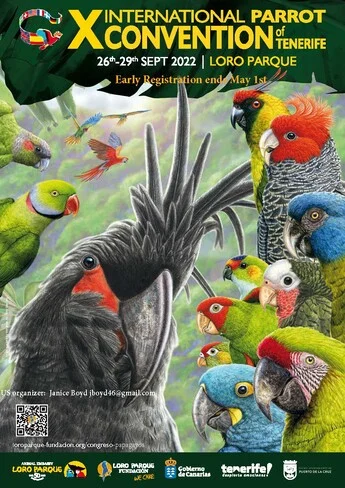
The AFA’s work culminates in a global exchange of knowledge, exemplified by its support for the International Parrot Conference in the Canary Islands. By connecting field biologists in the Amazon and Mexico with captive breeding experts in the U.S. and Europe, the AFA fosters a holistic approach to avian preservation.
The implications of the AFA’s 2024-2025 agenda extend beyond the immediate protection of individual birds. By funding research into physiological baselines and pest mitigation, the organization is contributing to the broader field of conservation biology. The data collected in Peru and Mexico provides a roadmap for how human intervention can successfully stabilize populations in the face of anthropogenic threats. As the AFA continues to monitor legislative changes—such as the recent additions of the Military Macaw and various cockatoo species to the ESA—it remains a vital intermediary between the scientific community, the government, and the private citizen.
With the September 15 deadline for the next round of grant submissions approaching, the AFA is poised to continue its role as a primary funder for "grassroots" avian science. Through its partnership with Harrison’s Bird Foods and its network of dedicated members, the organization ensures that the "mission and purpose" of promoting aviculture and conservation remains a dynamic and effective force for the protection of the world’s avian wildlife.
