

In a concerted effort to safeguard the intricate pathways of migratory birds, conservationists are working tirelessly to protect critical habitats along the African-Eurasian Flyway. This ambitious initiative, spearheaded by the Royal Society for the Protection of Birds (RSPB) in the UK, with crucial support from the Ecological Restoration Fund (ERF), focuses on preserving the vital stopover and wintering grounds that sustain thousands of avian travelers each year. The program highlights the interconnectedness of ecosystems across continents and underscores the importance of local engagement in global conservation efforts.
The African-Eurasian Flyway: A Lifeline for Avian Travelers
Migratory birds are nature’s ultimate long-distance travelers, traversing vast landscapes, crossing national borders, and connecting entire continents through their annual journeys. These remarkable feats of endurance are facilitated by established routes known as flyways. The African-Eurasian Flyway, one of the world’s most significant migratory corridors, stretches an impressive distance from the Arctic regions to the southern reaches of Africa. This extensive network provides essential resting and feeding grounds for countless species as they navigate the challenging transitions between breeding and non-breeding seasons.
Ghana’s Wooded Savannahs: A Crucial Haven
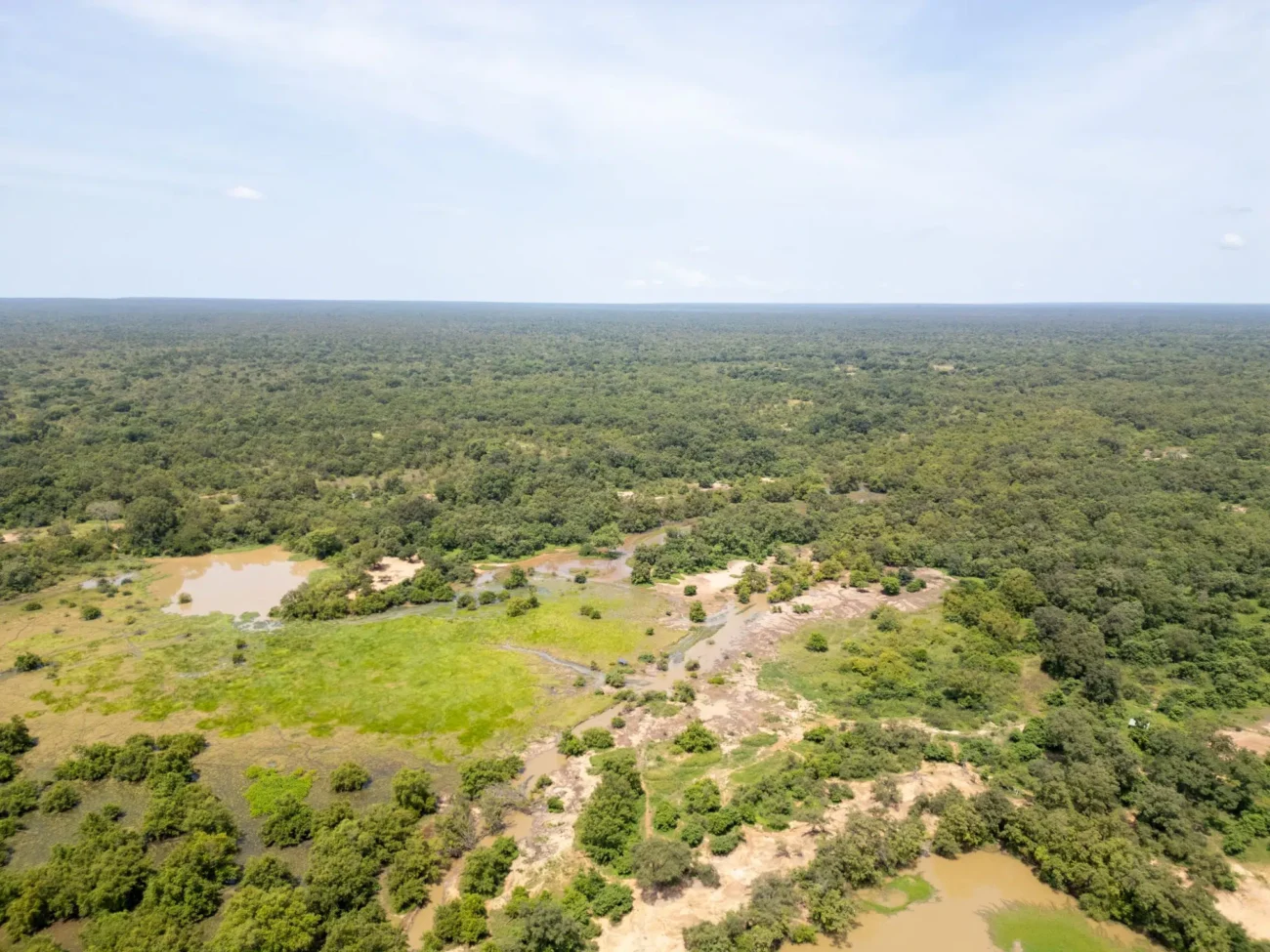
At the heart of this conservation narrative lies the Mole Ecological Landscape in north-western Ghana. This region, characterized by its diverse habitats including savannah woodland, grassland, riverine areas, and close canopy forests, is particularly vital. Mole National Park, situated within this landscape, serves as an indispensable sanctuary for a wide array of migratory birds. Species such as the European Pied Flycatcher, Willow Warblers, and Tree Pipits rely on these grounds to replenish their energy reserves after arduous flights across the Sahara Desert. Migratory raptors, including Ospreys, European Honey-buzzards, and Montagu’s Harriers, also frequent the area, alongside critically endangered vulture populations.

Kwame Boafo, Programme Manager for the Research & Conservation Unit at the Ghana Wildlife Society, the BirdLife Partner in Ghana, elaborates on the significance of this habitat. "The Mole Ecological Landscape is in north-western Ghana and within this landscape you have savannah woodland and grassland as well as riverine and close canopy forest," Boafo explains. "At the heart of the landscape is the Mole National Park. Every year, the park welcomes a wider variety of migratory birds, including European Pied Flycatcher, Willow Warblers, and Tree Pipits. You also see migratory raptors, including Osprey, European Honey-buzzard and Montagu’s Harrier, while the park is also a stronghold for some of Ghana’s Critically Endangered vultures. It is important both as a stopover and over-wintering site for migratory landbirds, providing an important lifeline for birds arriving here after crossing the Sahara. Mole is like a place of refreshment during these strenuous annual journeys."
Boafo further describes the dynamic nature of the landscape: "One of the striking characteristics of the landscape is the transformation that it undergoes annually. The dry season is followed by extensive burning, both accidental and deliberate, which is done both by livestock grazers as well as those trying to mitigate wider fire damage. It is a landscape that tells a story of resilience and transformation. Resilience on the part of the biodiversity and also on the part of the people that have to navigate these extreme changes and with whom we are working to help manage the land sustainably for the benefit of both communities and wildlife."
Bridging the Gap: Community Engagement and Habitat Restoration
A cornerstone of the ERF-supported project is the active involvement of local communities. With approximately 40,000 people living within a 5km radius of Mole National Park, establishing collaborative conservation frameworks is paramount. The project has focused on establishing Community Resource Management Areas (CREMAs), empowering local populations to participate in the sustainable management of landscape resources and mitigate human-wildlife conflict.
"There are around 40,000 people living within a 5km radius of the national park. Most of these communities have buffer areas established, called Community Resource Management Areas or ‘CREMAs’," Boafo states. "In the south, however, we identified a gap around the communities of Kananto and Kabampe. Due to the strategic location of these communities, sandwiched between two protected areas, we have been working with them to establish a CREMA to assist them to sustainably participate in the management of the landscape and its resources as well as reduce human-wildlife conflict. And, in brilliant news for the project, the new CREMA has now been officially inscribed. A CREMA gives a community more power over their own resources and supports them to more fully participate in decision-making and benefit-sharing."

Habitat restoration is another critical component of the project. This involves the propagation and planting of native tree species in degraded areas, not only to restore ecological functions but also to support community livelihoods. Species like shea and dawadawa, which are ecologically and economically significant, are being prioritized.
"One of the other main activities we are carrying out is restoration of degraded areas with native tree species. This not only provides cover for wildlife and restores ecosystem services but, in addition, the trees we are planting also support the livelihoods of communities. For example, 90% of the women in the Kananto-Kabampe CREMA collect shea nuts which is one of the major sources of income for them," Boafo explains. "So we collect seeds of shea, dawadawa and other ecologically and economically important species. We then nurse the seedlings for propagation within a nursery that has been established by the ERF project. We have already planted 5,000 seedlings thanks to the help of local communities and now we are monitoring germination ready to plant more during the upcoming rainy season. We aim to have planted at least 10,000 young trees by the end of the project. Of course we are not just planting, we are also replacing those that die. Planting is easy, keeping them alive is harder. So planting at the right time and making sure you tend to the seedlings is very essential for survival."
Addressing Challenges and Fostering Optimism
The conservation efforts in Ghana face significant challenges, primarily related to land use practices and environmental conditions. Slash-and-burn agriculture, while a traditional practice, poses a constant threat of uncontrolled fires that can spread into protected areas. The harsh, dry environment with a limited rainy season also demands strategic planning and meticulous care for newly planted seedlings.
"There is a lot of slash-and-burn agriculture practised in the landscape. Often, people try to confine the burning to the cleared area, but sometimes it spills over into other people’s farms or into reserves," Boafo notes. "When it comes to our restoration work, it’s not just fire that is a challenge. You have a harsh environment that is dry and has a relatively limited rainfall season. So you have to be very strategic in how you are planting, and you must be very mindful of the science and understand the ecology and the phenology of the trees."

Furthermore, gaining community buy-in requires addressing immediate livelihood concerns. Crop-raiding by wildlife, human-wildlife conflict, and limited resources for compensation can create tensions. However, the project aims to alleviate these pressures through initiatives like agroforestry training, yield enhancement programs, and market access support. A bee-keeping initiative is also underway, recognizing the crucial role of pollinators in ecosystem health and the importance of sustainable income generation.
"One of the other difficulties we’ve faced is getting communities to buy into what we are doing when there is often concern for their livelihoods. It’s about trying to find a balance that accommodates both their livelihoods and the conservation of migratory birds and other wildlife while knowing that they face issues of crop-raiding, human-wildlife conflict, and limited resources to compensate and manage this. So it’s challenging but not impossible," Boafo acknowledges.
Despite these hurdles, a strong sense of optimism prevails, rooted in the growing trust and collaboration with local communities. "We’ve seen how these communities, despite the challenges they face and sometimes varying appreciation for wildlife, are willing to come together and work with us. The trust is building, but it has been a process," Boafo shares. "When we first started speaking with them about the CREMA, they thought it was about grabbing their land. But as time went on and they saw researchers in the forest looking for birds, they realised ‘no, these people are just here for the birds’. And they are beginning to appreciate the importance of wildlife beyond seeing it as food or as a nuisance on their farms."
Citizen Science and Unexpected Discoveries
The project also incorporates citizen science initiatives, empowering local communities to contribute to data collection. Passive acoustic monitoring devices have been deployed to compare bird activity across different habitat types, providing valuable insights into the effectiveness of restoration efforts.

Boafo recounts a peculiar incident during fieldwork: "Recently, some of our acoustic monitoring devices got burned – and this was at a time when we were not expecting any fire. But the funny thing was that, even after the devices were burned, they were still recording! That was very interesting, and we were very happy to retrieve the data from those recorders."
The European Pied Flycatcher: An Emblem of Resilience
When asked to represent the flyway with a single species, Boafo points to the European Pied Flycatcher. "I spent a lot of time working on the Wood Warbler, so I really love that bird. But beyond my own passion, the bird that I would say best represents the landscape because of its ability to navigate all its challenges and still continues to thrive throughout the migratory season is the European Pied Flycatcher," he states. "You’ll be able to record European Pied Flycatcher, even singing, as early as October. With most of the migratory birds, you would hear them singing, maybe in March, when they are about to make their journey back."
The work in Ghana, supported by the ERF, exemplifies a holistic approach to conservation, recognizing that the protection of migratory birds is intrinsically linked to the well-being of both people and the environment. By fostering community engagement, restoring degraded landscapes, and building a deeper understanding of the interconnectedness of life, these efforts are laying the groundwork for a more sustainable future for the African-Eurasian Flyway and the remarkable species that depend on it. The project’s success hinges on its ability to weave together ecological restoration with socio-economic development, ensuring that conservation efforts are not only effective but also enduring.
