

Migratory birds, silent navigators of our planet, forge vital connections across landscapes, nations, and continents. Their epic journeys, undertaken between breeding and non-breeding grounds, trace invisible highways in the sky known as flyways. These aerial corridors are not merely pathways for birds; they are intricate ecological systems that support biodiversity and influence ecosystems across vast distances. This article delves into the critical conservation efforts underway along the African-Eurasian Flyway, a monumental route stretching from the Arctic to the southern reaches of Africa, with a particular focus on the invaluable work being conducted in the Jordan Rift Valley.
The African-Eurasian Flyway is one of the planet’s most significant migratory bird routes, hosting an estimated 700 million birds annually, encompassing over 300 species. This immense avian traffic includes iconic species such as the White Stork, various raptors, and numerous shorebirds and waterfowl. The health of this flyway is intrinsically linked to the well-being of countless ecosystems, from the Arctic tundra where many species breed, to the wetlands and savannas of Africa where they spend their winters, and the numerous stopover sites in between.
A Collaborative Effort for Global Conservation

The Royal Society for the Protection of Birds (RSPB), a leading conservation organization in the UK, in partnership with BirdLife International, is spearheading an ambitious project to safeguard migratory birds along the African-Eurasian Flyway. This initiative, bolstered by the support of the Ecological Restoration Fund (ERF), underscores a global commitment to protecting these vital natural corridors. The ERF, dedicated to conserving biodiverse hotspots, rejuvenating degraded landscapes, and empowering local environmental activism, plays a crucial role in facilitating such large-scale, cross-border conservation endeavors.
The importance of international collaboration in flyway conservation cannot be overstated. As Tareq Qaneer, Head of the Birds’ Projects Management Unit at The Royal Society for the Conservation of Nature (RSCN) in Jordan, emphasizes, "Protecting flyways means countries must work together; nature doesn’t recognise political boundaries." This sentiment highlights the interconnectedness of conservation efforts and the necessity of a unified approach to address the challenges faced by migratory species.
The Jordan Rift Valley: A Crucial Oasis
Within the vast expanse of the African-Eurasian Flyway, the Jordan Rift Valley emerges as a critical hub for avian migration. This geologically significant region serves as an essential stopover site, offering vital resources for birds undertaking their arduous journeys. Among the most significant locations within this valley is the Azraq Wetland Reserve, a designated Important Bird and Biodiversity Area (IBA).

Tareq Qaneer, a seasoned conservationist working with the RSCN, the BirdLife Partner in Jordan, elaborates on the significance of his work. His efforts are concentrated in areas that offer critical habitats for migratory birds, with a particular fondness for wetland ecosystems. "My work focuses on different attractive habitats, but I like wetland ecosystems, especially Azraq Wetland Reserve, which is a key Important Bird and Biodiversity Area (IBA) along the African-Eurasian Flyway," Qaneer states.
The Azraq Wetland Reserve is more than just a resting point; it is a lifeline. It provides essential opportunities for birds to rest, refuel, and recuperate during their long flights. Some species utilize the reserve for overwintering, while others breed within its boundaries. The area boasts an impressive biodiversity, with approximately 350 bird species recorded. What makes Azraq particularly remarkable is its unique status as the only self-replenishing oasis in the Arabian Desert, allowing it to sustain life amidst an otherwise arid environment. This natural resilience is a testament to its ecological importance.
Conservation Initiatives and Challenges
The ERF-supported project has enabled the RSCN to undertake significant conservation actions within Jordan. This includes the identification of 11 priority sites for migratory bird protection and the development of comprehensive site profiles for Key Biodiversity Areas (KBAs) such as the Yarmouk-Al Shuleh Area and the Highlands of Sakib and Dibeen. These standardized profiles are instrumental in attracting funding and engaging potential donors, thereby accelerating conservation efforts.

However, the work in the Jordan Rift Valley, as in many critical stopover sites, is fraught with challenges. Jordan is one of the most water-scarce countries globally, making water management a paramount concern for wetland conservation. The Azraq Wetland, in particular, has faced severe environmental degradation due to the unsustainable extraction of groundwater from the Azraq Basin.
The over-extraction of water to meet the demands of large urban populations, coupled with the illegal drilling of artesian wells for agricultural purposes, has led to a drastic decline in water levels. This has resulted in significant habitat loss and ecosystem stress, threatening the very existence of the wetland and the species it supports. Addressing water governance and finding a sustainable balance between human needs and ecological preservation remains a formidable challenge for Qaneer and his team.
Electrocution: A Silent Threat to Avian Life
Beyond water scarcity, migratory birds face other serious threats. Electrocution from power lines is a significant cause of mortality, particularly for larger bird species. Jordan’s strategic location along a major bird migration corridor means that millions of birds pass through the country annually, often encountering power infrastructure.

Recognizing this pervasive threat, the RSCN has been actively engaged in implementing pilot environmental protection measures to mitigate the risk of bird electrocution. This proactive approach involves insulating hazardous electricity poles, a crucial step in safeguarding migratory birds, including several endangered species. To date, the RSCN has insulated over 750 of the most dangerous electricity poles across Jordan. This initiative represents a critical effort to reconcile economic development, which is often reliant on power infrastructure, with the imperative of nature conservation. It also reinforces Jordan’s role in protecting a vital global flyway.
A Humorous Encounter in the Field
The demanding nature of fieldwork often leads to unexpected and memorable experiences. Qaneer shares a lighthearted anecdote from Azraq: "During a field survey at Azraq, we once spent a long time carefully tracking what we thought was a very rare and unusual bird call – only to realize it was coming from a goat with a bell, perfectly hidden in the reeds. It was a good reminder that fieldwork always keeps you humble, and that nature can surprise you in unexpected ways." Such moments serve as a testament to the unpredictability and wonder of the natural world.
The Power of Connectivity: A Message for the World

Qaneer’s most profound wish is for a greater public understanding of the interconnectedness of migratory birds and their habitats. "I wish people understood that migratory birds don’t belong to one country," he asserts. "A bird you see in Jordan today may have flown from Siberia or Africa and will continue its journey across many borders. If one key site along the flyway is lost, the impact can be felt across continents." This statement underscores the global responsibility inherent in conservation efforts.
The White Stork: An Icon of the Flyway
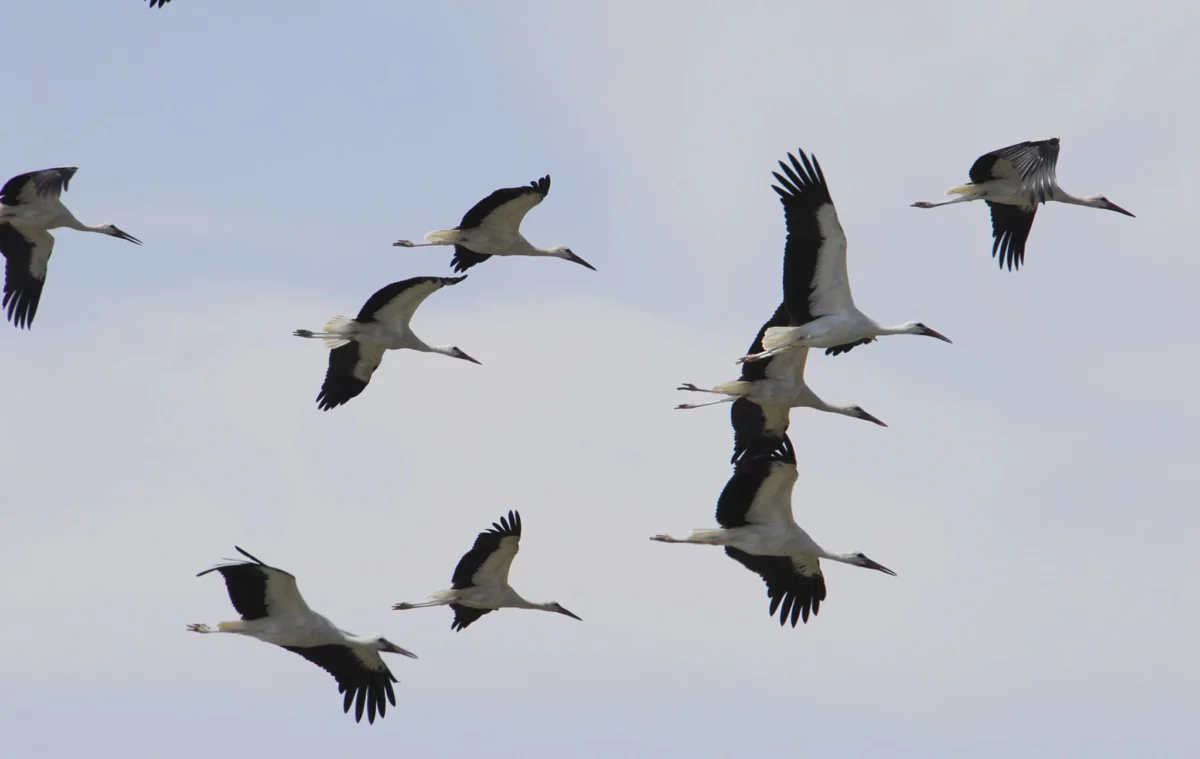
When asked to choose a single species that represents the flyway, Qaneer selects the White Stork (Ciconia ciconia). This majestic bird is not only an iconic species of the Jordan Rift Valley, familiar to local communities, but also a powerful symbol of migration. The sight of large flocks of White Storks passing through Jordan annually serves as a potent reminder of avian connectivity and the shared duty to protect birds throughout their extensive journeys. Their presence connects the breeding grounds of Europe with the wintering grounds of Africa, traversing the very heart of the African-Eurasian Flyway.
A Future Filled with Hope

Despite the formidable challenges, Qaneer expresses optimism about the future of conservation work. He points to the increasing collaboration among conservation organizations, governmental bodies, and local communities as a significant driver of progress. "Despite all the challenges, we are seeing increased awareness of the importance of wetlands and flyways," he notes. The inherent resilience of nature, when given the opportunity to recover, and the unwavering passion of individuals dedicated to protecting these vital routes, fuel his hope for a sustainable future for migratory birds.
The impact of this work extends far beyond the immediate conservation of bird populations. Protecting flyways contributes to the health of ecosystems, the preservation of biodiversity, and the maintenance of ecological services that benefit humanity. The ERF’s commitment to re-establishing nature’s interconnections while fostering socio-economic opportunities for local communities further amplifies the positive ripple effects of these conservation endeavors. The ongoing efforts along the African-Eurasian Flyway, exemplified by the dedication of individuals like Tareq Qaneer, are crucial investments in the health of our planet and the preservation of its remarkable natural heritage for generations to come.
