


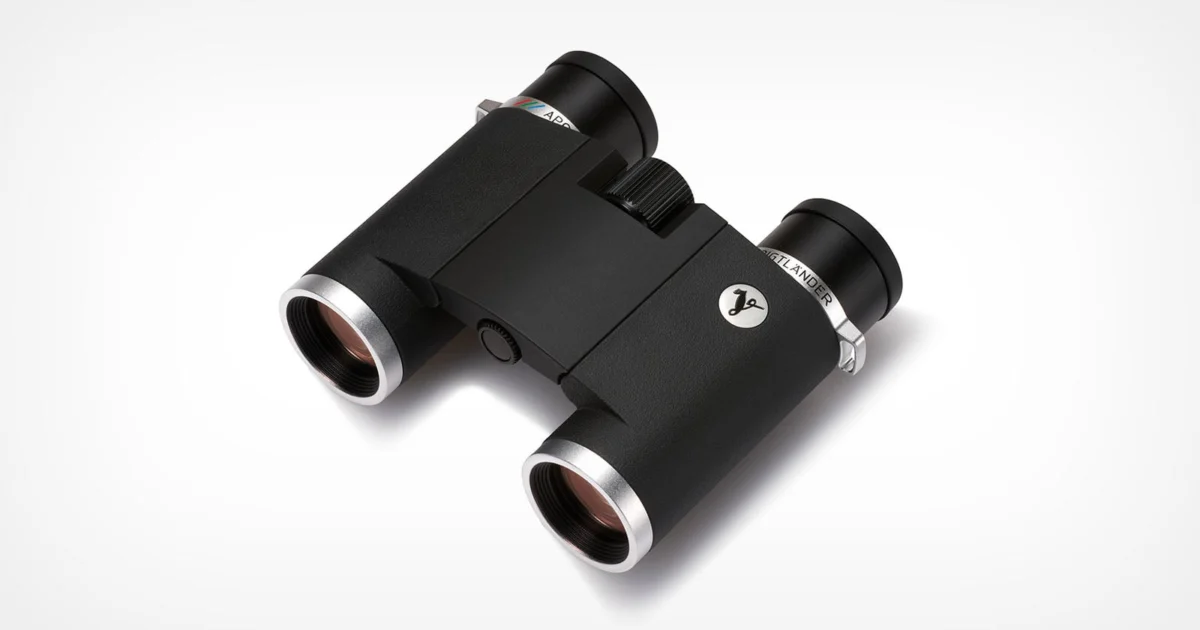
The global optical market has witnessed a significant expansion of the storied Voigtländer brand as Cosina officially begins the international rollout of its new Mod. Vienna binocular series. Originally unveiled to the public during the CP+ 2026 trade show in Yokohama, Japan, the Mod. Vienna series represents a strategic pivot for Cosina, blending the manufacturer’s modern Japanese engineering precision with the deep historical prestige of the Voigtländer name. While the binoculars initially shared the spotlight with a suite of compact M-mount and mirrorless lenses, they have since garnered independent acclaim for their distinctive "retro-modern" aesthetic and high-performance optical specifications. This launch marks a significant milestone for Cosina, which has held the licensing rights for Voigtländer since 1999, as it seeks to capture a larger share of the premium observation market—a sector traditionally dominated by European giants like Leica, Zeiss, and Swarovski, alongside Japanese stalwarts such as Nikon and Fujifilm.
A Heritage Spanning Three Centuries of Optical Innovation
The Voigtländer name is one of the oldest and most respected in the history of optics, predating the invention of practical photography by nearly a century. To understand the significance of the Mod. Vienna series, one must look back to the company’s origins in 1756. Founded in Vienna, Austria, by Johann Christoph Voigtländer, the firm initially specialized in the production of mathematical and mechanical instruments. Over the decades, the company evolved into a pioneer of optical technology. In 1840, Voigtländer produced the world’s first mathematically calculated lens, the Petzval objective, which revolutionized portrait photography by offering a significantly faster aperture than existing technology.
The 20th century saw Voigtländer transition through various ownership structures, including a period under Zeiss Ikon, before the brand’s photographic division was eventually acquired by the Japanese manufacturer Cosina in the late 1990s. Under Cosina’s stewardship, Voigtländer has been revitalized as a boutique brand known for manual-focus lenses that offer exceptional build quality and unique "rendering" characteristics. The introduction of the Mod. Vienna binoculars is a deliberate homage to these Austrian roots, signaling a return to the "Vienna" nomenclature and a commitment to the classic European design philosophy that first made the brand a household name among scientists and explorers in the 18th and 19th centuries.
Technical Specifications and the Mod. Vienna Lineup
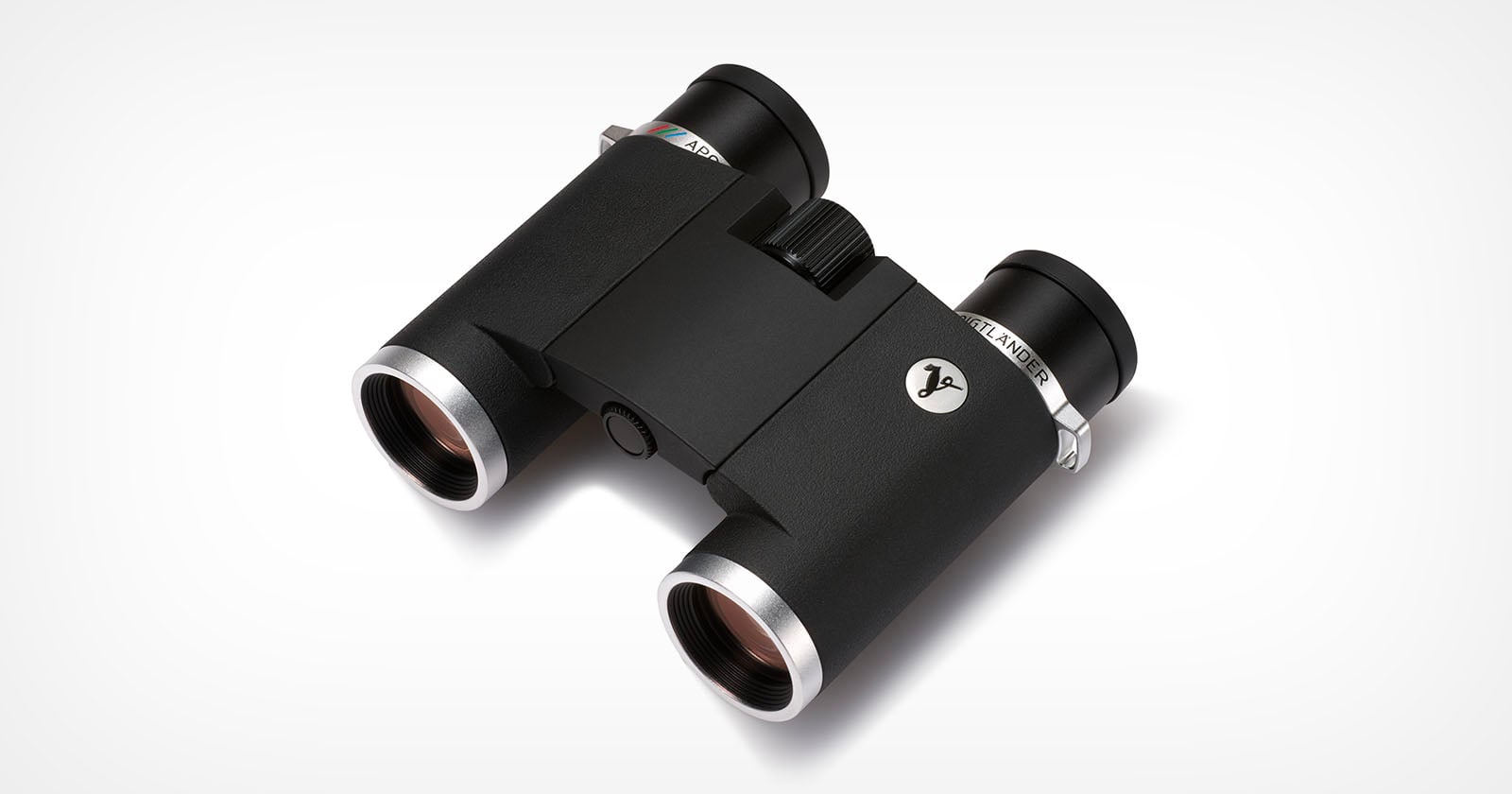
The Mod. Vienna series is comprised of six distinct models, designed to cater to a wide range of observation needs, from casual travel and theater-going to professional birdwatching and maritime use. The lineup is structured as follows:
- Compact Series: 8×25 and 10×25 models, designed for portability and everyday carry.
- Mid-Range Series: 8×32 and 10×32 models, balancing light-gathering capability with a manageable weight.
- Full-Size Series: 8×42 and 10×42 models, optimized for low-light performance and maximum field of view.
A defining technical characteristic across all six models is the integration of an apochromatic (APO) design. In optical engineering, an apochromatic lens is significantly more advanced than standard achromatic lenses. While achromatic lenses are corrected to bring two wavelengths of light (typically red and blue) into focus on the same plane, an APO design is corrected for three wavelengths (red, green, and blue). This virtually eliminates chromatic aberration, also known as color fringing, resulting in images that are exceptionally sharp with high contrast and true-to-life color reproduction.
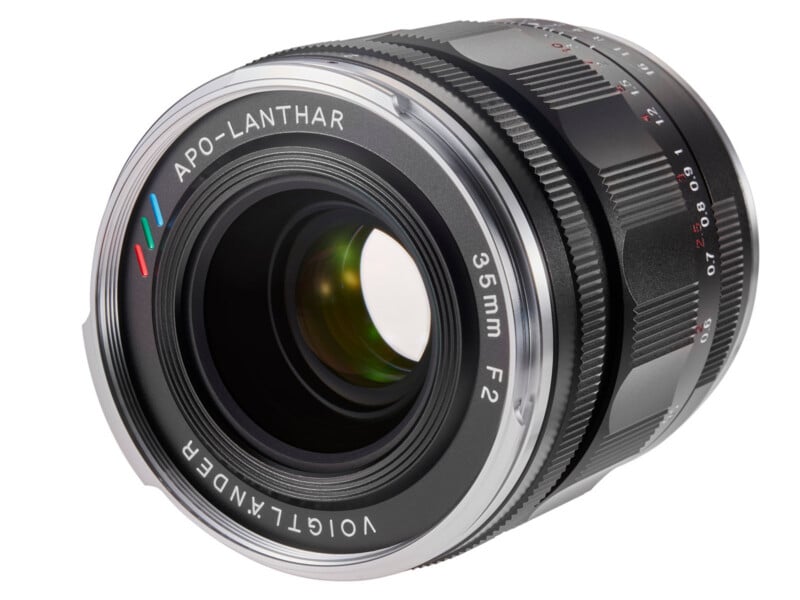
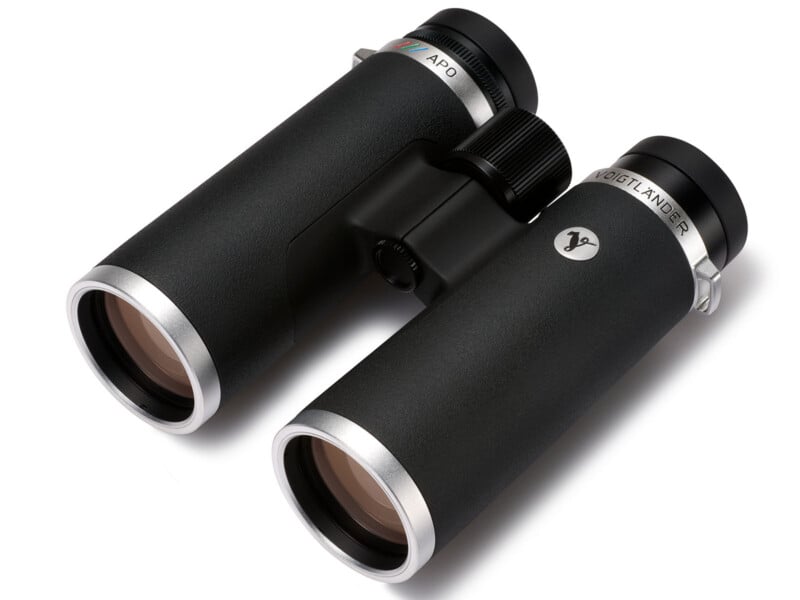
To emphasize this high-end optical construction, Cosina has adorned each binocular with the iconic Voigtländer APO logo—a series of three stripes in red, green, and blue. This branding is a direct nod to the company’s most prestigious photographic lenses, such as the APO-Lanthar series, which are frequently cited by reviewers as some of the highest-resolving lenses available for modern high-megapixel digital cameras.
Design Philosophy: Merging Form and Function
Beyond their internal optics, the Mod. Vienna binoculars are characterized by a striking physical design that sets them apart from the utilitarian rubber-armored aesthetics common in the modern binocular market. Cosina has opted for a "heritage" look that mirrors the design language of Voigtländer’s VM (Leica M-mount) lenses. The binoculars feature a textured black grip complemented by prominent silver-finished metal accents on the bridge, focus wheel, and objective barrels.
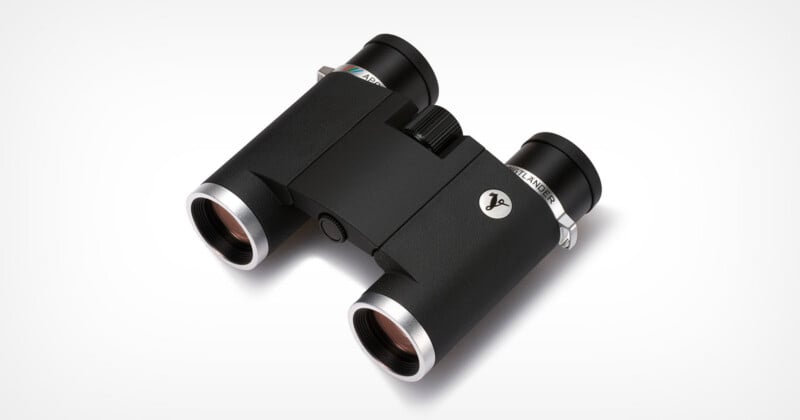
The use of metal components over plastic suggests a focus on tactile feedback and long-term durability. The focus wheel, in particular, is designed with a knurled texture reminiscent of the focus rings on manual lenses, providing a precise and dampened feel that allows for micro-adjustments. This aesthetic choice is not merely cosmetic; it is a strategic branding move intended to appeal to the "prosumer" photographer who already owns Voigtländer lenses and appreciates a cohesive look across their optical kit.
The Competitive Landscape in the Premium Binocular Market
The release of the Mod. Vienna series places Cosina in direct competition with other major camera manufacturers who have long maintained robust binocular divisions. The premium optics market is currently undergoing a period of diversification, with different brands focusing on specific technological advantages:
- Leica: The German manufacturer remains the benchmark for luxury and optical purity. Recent releases like the Ultravid "White Ocean" edition cater to a high-net-worth demographic, with prices often exceeding $2,500. Leica’s binoculars are prized for their compact size and "Leica look" contrast.
- Nikon and Fujifilm: These Japanese giants have recently focused on technological integration, specifically image stabilization (IS). Nikon’s Stabilized series and Fujifilm’s high-magnification IS binoculars utilize electronic sensors and gimbal mechanisms to provide a steady view at 16x or 20x magnification, which would otherwise be impossible to hand-hold.
- Voigtländer (Cosina): Cosina is carving out a niche that sits between the ultra-luxury European brands and the tech-heavy stabilized Japanese models. By focusing on mechanical precision and apochromatic purity without the added weight or complexity of electronics, the Mod. Vienna series appeals to "purists" who value optical excellence and classic industrial design.
Strategic Implications and Market Analysis
Industry analysts suggest that Cosina’s decision to re-enter the binocular market under the Voigtländer brand is a move to capitalize on the growing "analog revival" and the increasing demand for high-quality mechanical goods. As digital interfaces become more prevalent, there is a measurable segment of the market—often referred to as the "heritage" or "lifestyle" segment—that seeks out products with physical dials, metal construction, and historical pedigree.
Furthermore, the launch of the Mod. Vienna series serves to strengthen the Voigtländer brand identity globally. While the brand is well-known among niche photography enthusiasts, expanding into binoculars introduces the name to birdwatchers, hikers, and maritime professionals who may not be active in the photography world. This cross-pollination of brand awareness can lead to increased sales across all of Cosina’s product lines.
From a manufacturing standpoint, the production of high-end binoculars allows Cosina to utilize its existing glass-grinding and coating facilities in Japan. The sophisticated coatings required for APO binoculars are similar to those used in the company’s high-end camera lenses, allowing for economies of scale in research and development and material procurement.
Pricing and Global Availability
The Voigtländer Mod. Vienna series has been positioned with a tiered pricing structure to reflect the varying sizes of the objective lenses and the complexity of the optical assemblies. In European markets, the series begins at approximately 399 euros (roughly $462 USD) for the 8×25 compact model. The price scales upward to 899 euros (approximately $1,040 USD) for the flagship 10×42 model.
While these prices place the Mod. Vienna series above entry-level binoculars from brands like Bushnell or Vortex, they are significantly more accessible than the top-tier "alpha" glass from European manufacturers, which often starts at $2,000. This mid-to-high-tier positioning is a classic Cosina strategy: offering "90% of the performance of the world’s best optics at 40% of the price."
As of the current quarter, the binoculars have begun appearing at specialty retailers across Europe and Asia. While a formal United States launch date has not been finalized, North American distributors are expected to list the products in the coming months. Early reports from Japanese consumers suggest that the 8×32 model is currently the most popular in the lineup, praised for its balance of brightness and portability.
Conclusion: A New Chapter for an Ancient Brand
The introduction of the Mod. Vienna binoculars is more than just a product launch; it is a reaffirmation of Voigtländer’s place in the modern optical hierarchy. By looking back to its 1756 origins and its 1840 breakthroughs, and combining that history with Cosina’s modern manufacturing prowess, the Mod. Vienna series offers a unique proposition in a crowded market.
Whether these binoculars will achieve the cult status of the company’s Nokton or APO-Lanthar lenses remains to be seen. However, for those who value the intersection of history, mechanical precision, and apochromatic clarity, the Mod. Vienna series represents a compelling new chapter in the long and storied history of Voigtländer. As the global rollout continues, the industry will be watching closely to see if Cosina can successfully translate its success in the camera lens market into a dominant position in the world of premium observation optics.
