


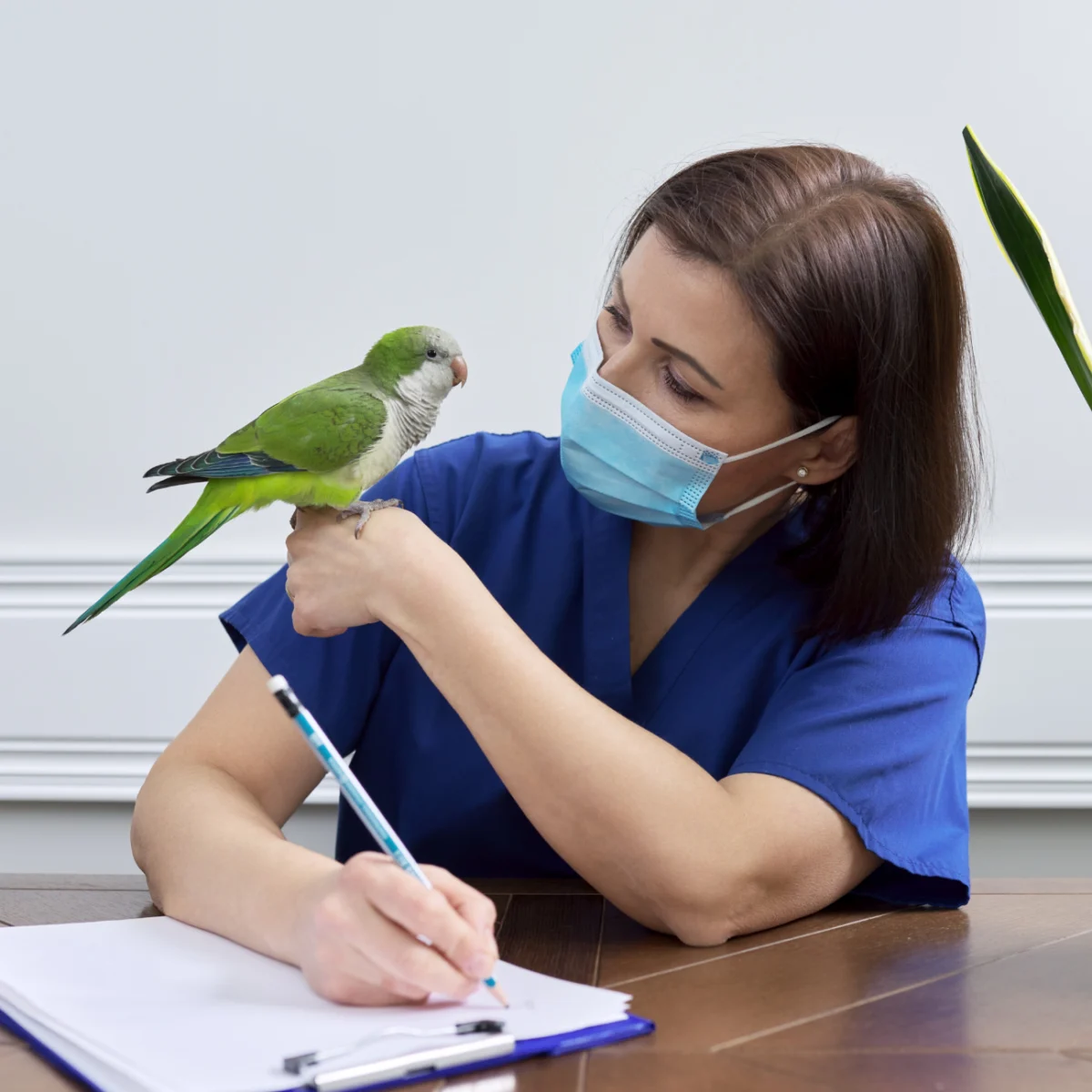
Understanding Normal Avian Aromas vs. Problematic Odors
Contrary to popular belief, a healthy bird’s natural scent is usually faint and, to many, quite agreeable—often described as earthy, musky, or reminiscent of sunshine on feathers. This subtle aroma is primarily derived from the preen gland (uropygial gland) secretions, which birds spread over their feathers to maintain their structure, waterproofing, and microbial balance. These secretions contain lipids, waxes, and fatty acids that contribute to the bird’s overall well-being. Therefore, a sudden or persistent foul odor emanating from a bird is a significant indicator that something is amiss, demanding prompt investigation. Avian health experts consistently emphasize that birds are fastidiously clean animals by nature, engaging in regular preening and bathing rituals in their natural habitats. A deviation from this inherent cleanliness, manifesting as an offensive smell, should be interpreted as a clear distress signal.
The Role of Diet in Avian Odor Production
A bird’s diet is a primary determinant of its overall health and, consequently, its scent. Suboptimal nutrition, particularly diets dominated by seeds or high-sugar treats, can severely disrupt a bird’s digestive system. Seeds, while a natural food source, often lack a balanced nutritional profile when forming the majority of a captive bird’s diet, leading to deficiencies and an imbalanced gut microbiome. This imbalance can result in inefficient digestion, fermentation of undigested food particles in the gut, and the production of volatile organic compounds (VOCs) that are excreted through droppings or even emitted through the bird’s breath or skin.
Leftover fresh foods, if allowed to spoil within the cage, transform into potent odor sources and dangerous breeding grounds for pathogenic bacteria like Pseudomonas aeruginosa. Pseudomonas infections can manifest in various forms, from skin lesions to systemic illness, and are often accompanied by a distinct, unpleasant smell. A balanced diet—comprising high-quality pellets as a staple, supplemented with a diverse array of fresh vegetables, fruits, and appropriate proteins—promotes a healthy gut flora, efficient nutrient absorption, and significantly reduces the likelihood of offensive odors.
Furthermore, the quality and freshness of drinking water are critical. Stagnant water, especially in warm environments, can quickly become contaminated with bacteria, yeast, and algae, contributing to both unpleasant smells and potential health risks. Daily replacement of water and thorough cleaning of water dishes with bird-safe detergents are fundamental practices for preventing microbial growth and maintaining a clean environment.
Environmental Hygiene and Its Impact on Avian Scent
The immediate environment of a bird, primarily its cage, plays an indispensable role in its olfactory profile. Birds are inherently messy creatures; they scatter food, splash water, and excrete waste throughout their living space. This accumulation of organic matter—comprising droppings, discarded food particles, and damp bedding—creates an ideal substrate for the proliferation of bacteria, fungi, and potentially dangerous molds, particularly in warm and humid conditions.
One of the most concerning contaminants is Aspergillus mold. Spores of Aspergillus fumigatus, commonly found in stale food, damp litter, or even dusty environments, can cause aspergillosis, a severe respiratory disease in birds that can also pose a risk to humans. The musty, earthy odor associated with mold growth is a clear warning sign. Even seemingly clean cages can harbor microbial buildup in crevices, beneath grates, and around feeding stations, leading to persistent, subtle odors that can escalate over time.
A rigorous, multi-tiered cleaning routine is paramount for odor control and disease prevention:
- Daily Maintenance: Remove uneaten fresh foods, replace water, spot-clean soiled areas, and change cage liners. This prevents the immediate buildup of decaying organic matter.
- Weekly Deep Clean: Thoroughly wash all cage surfaces, perches, toys, and food/water dishes with bird-safe disinfectants. Allow everything to dry completely before reassembling. This targets accumulated grime and prevents biofilm formation.
- Monthly Sanitization: Disassemble the cage for a comprehensive scrub and disinfection, ensuring no hidden corners harbor pathogens. This is particularly crucial during warmer months when microbial growth accelerates.
Infrequent Bathing Habits and Feather Health
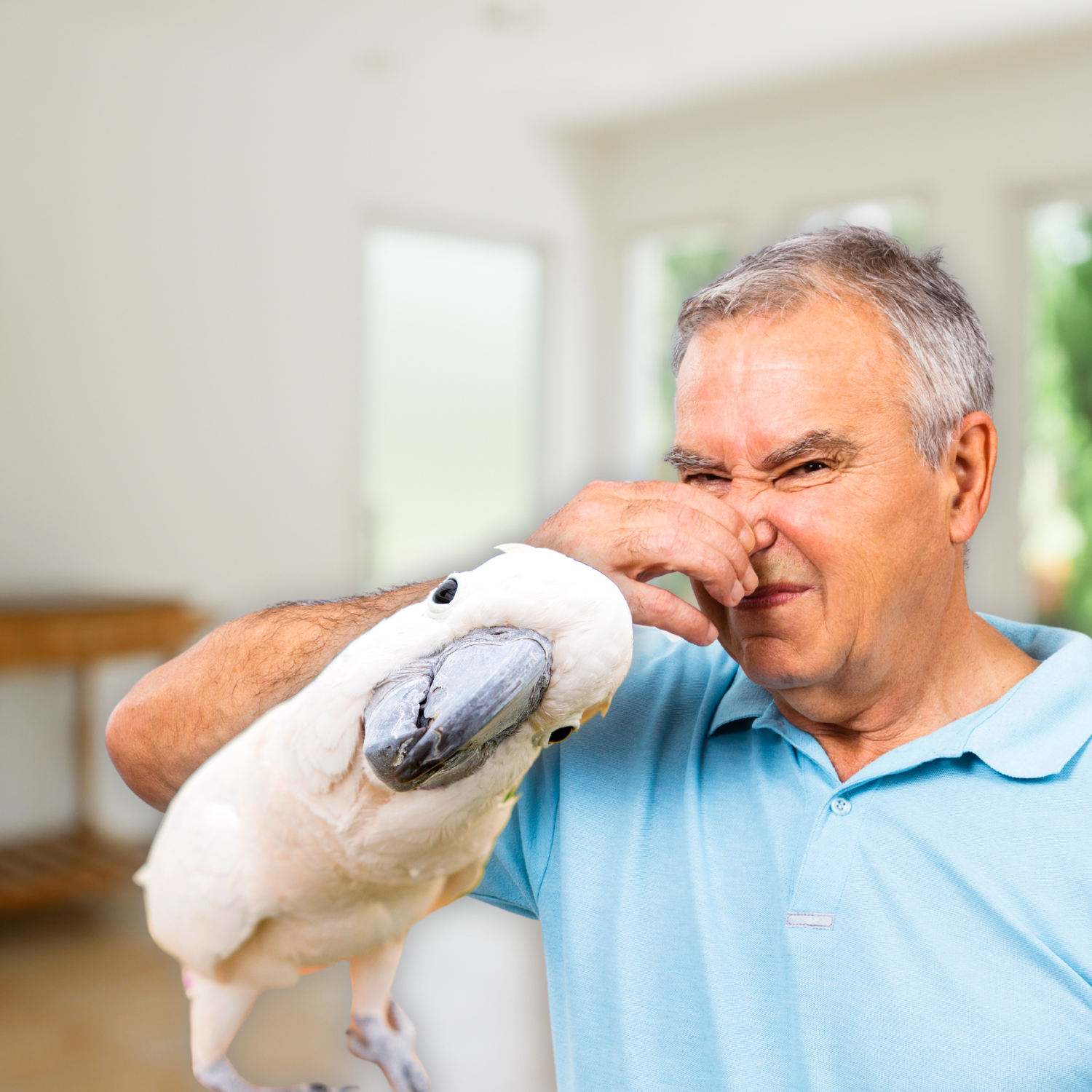
Bathing is not merely an aesthetic ritual for birds; it is a vital component of feather health, skin hydration, and natural odor management. In the wild, birds regularly bathe in rain, dew, or puddles to remove dirt, dander, and excess preen gland oils. In captivity, birds require similar opportunities. When bathing is neglected, natural oils, dirt, and environmental pollutants accumulate on feathers, creating a breeding ground for bacteria and fungi. This buildup can lead to a musty, oily, or even sour smell that permeates the bird’s plumage.
Encouraging regular bathing can be achieved through various bird-safe methods:
- Fine Mist Spray Bottle: Mimics natural rainfall and is often well-tolerated by birds, especially if introduced gently.
- Shallow Bath Bowl: Allows birds to splash and bathe at their own pace, offering mental enrichment.
- Shower Perch: For birds that enjoy showering with their owners, under a gentle stream of water.
- Bird-Safe Sprays: Products like Aloe Vera Bird Spray can offer additional benefits for skin and feather health, promoting cleanliness and a pleasant scent.
Underlying Health Conditions as a Source of Odor
When environmental and dietary factors have been addressed, and a persistent or unusual odor remains, it is imperative to consider underlying health issues. Birds are masters at concealing illness, making subtle signs like changes in body odor critical diagnostic clues. Certain smells—ranging from sour or fishy to rotten or overtly sweet—can be significant indicators of various health problems.
- Bacterial Infections: These can produce foul-smelling discharge from the eyes, nares, vent, or skin lesions. Anaerobic bacteria, in particular, are known for generating highly offensive odors.
- Yeast Infections (e.g., Candida): Candida albicans can overgrow in the crop, gastrointestinal tract, or on the skin, often imparting a distinctively sweetish, yeasty, or slightly sour smell. This is common in birds with compromised immune systems or those on imbalanced diets.
- Liver Disease: Hepatic dysfunction can lead to metabolic imbalances, affecting the bird’s ability to process toxins, which can manifest as a subtle, persistent body odor or changes in droppings.
- Kidney Disease: Similar to liver issues, renal impairment can alter metabolism and waste excretion, potentially leading to noticeable odors.
- Skin and Feather Follicle Problems: Infections, inflammation, or parasitic infestations of the skin and feather follicles can cause localized odors, crusting, or discharge. These conditions might also lead to feather plucking or irritation, further exacerbating the problem.
Any new, strong, or unusual odor, especially when accompanied by other symptoms such as lethargy, fluffed-up appearance, changes in appetite or droppings, difficulty breathing, or behavioral alterations, warrants an immediate consultation with an avian veterinarian. Early detection and intervention are crucial for positive outcomes in avian health.
Spotlight on Aloe Vera Spray: A Natural Aid for Avian Freshness
Among the tools available for promoting avian hygiene and freshness, bird-safe Aloe Vera Spray stands out for its natural properties and multiple benefits. Aloe vera, renowned for its therapeutic qualities, can be a valuable addition to a bird’s grooming routine.
Benefits of Aloe Vera Spray:
- Soothing and Hydrating: Aloe vera is well-known for its moisturizing properties, which can be particularly beneficial for birds with dry, flaky, or itchy skin, especially in arid indoor environments.
- Anti-inflammatory: It contains compounds that can reduce inflammation, offering relief for minor skin irritations or feather follicle issues.
- Antimicrobial: Aloe vera possesses natural antibacterial and antifungal properties, which can help inhibit the growth of odor-causing microbes on the feathers and skin.
- Feather Health: Regular application can help soften old buildup on feathers, make preening easier, and impart a healthy sheen to the plumage.
- Safety: When formulated specifically for birds, it is safe if ingested during preening, making it a gentle and non-toxic option.
How to Safely Use Aloe Vera Spray:
- Select Bird-Safe Products: Always ensure the product is specifically formulated for birds, free from alcohol, perfumes, artificial colors, and other harmful additives.
- Patch Test: Before full application, spray a small amount on a discrete area to ensure no adverse reaction.
- Gentle Application: Hold the bottle a safe distance from the bird (e.g., 6-12 inches) and use a fine mist. Avoid spraying directly into the bird’s face.
- Frequency: Use sparingly, typically a few times a week or as needed, not as a replacement for regular bathing but as a supplement.
- Observe Reaction: Monitor your bird’s response. Some birds may initially be startled by the spray sensation, so introduce it gradually and positively.
Broader Implications and Responsible Avian Care
The presence of an unpleasant odor in a pet bird extends beyond mere olfactory discomfort; it often serves as a critical indicator of compromised welfare. Neglecting these signals can lead to severe health consequences for the bird, ranging from chronic infections and nutritional deficiencies to life-threatening systemic diseases. For owners, the implications can include the emotional distress of a sick pet, significant veterinary expenses for preventable conditions, and potential zoonotic disease risks, particularly from mold spores or bacterial infections.
Responsible avian ownership encompasses proactive care, including:
- Education: Understanding the specific dietary, environmental, and behavioral needs of the bird species.
- Preventative Healthcare: Regular veterinary check-ups, even when the bird appears healthy, to catch subtle issues early.
- Environmental Enrichment: Providing a stimulating and clean environment that promotes natural behaviors like bathing and foraging.
- Nutritional Vigilance: Ensuring a balanced diet tailored to the bird’s species and life stage.
Leading avian veterinarians and ornithologists consistently advocate for these holistic approaches. They stress that a fresh-smelling bird is almost invariably a healthy bird, reflecting a well-maintained environment and a balanced internal system. The small daily efforts in cleaning, diet, and grooming contribute significantly to a bird’s quality of life and longevity.
Expert Insights and FAQs
Avian health professionals frequently encounter questions regarding bird odors. Here are some common inquiries and expert consensus:
- Do healthy birds have a smell? Yes, but it is typically a very mild, natural, earthy, or musky scent. A strong, sour, or fishy smell is generally indicative of a problem.
- Why does my bird smell worse in the summer? Warm temperatures and increased humidity accelerate bacterial and mold growth in food and cage litter. Humidity also makes odors more potent and likely to cling to feathers.
- When should I call the vet about bird odor? Any sudden, intense, or persistent change in your bird’s smell, especially when accompanied by other symptoms like lethargy, fluffed feathers, labored breathing, or discharge, warrants an immediate veterinary consultation. Odor can be an early warning sign of serious infections or organ issues.
- Can probiotics help with bird odor? In cases where the odor stems from digestive upset or loose droppings, certain avian-specific probiotics may help restore gut bacterial balance. However, always consult an avian vet before administering any supplements to ensure appropriate dosage and strain selection.
- How can I reduce bird odor at home? Implement a strict daily cage cleaning routine, offer regular bathing opportunities, provide a balanced diet rich in pellets and fresh produce, and ensure good air circulation in the bird’s living area.
In conclusion, understanding and addressing avian odors is a crucial aspect of responsible pet bird ownership. Most bird odors have a straightforward solution: a clean living space, a healthy diet, and regular grooming. When these foundational elements are consistently maintained, birds remain comfortable, and homes remain fresh. The judicious use of bird-safe products, such as Aloe Vera Spray, can offer gentle support between baths, enhancing skin health and feather quality. Ultimately, a proactive and informed approach to avian care ensures the feathered companions lead their healthiest, freshest lives possible.
