

The Avian Olfactory Landscape: Distinguishing Normal from Alarming Scents
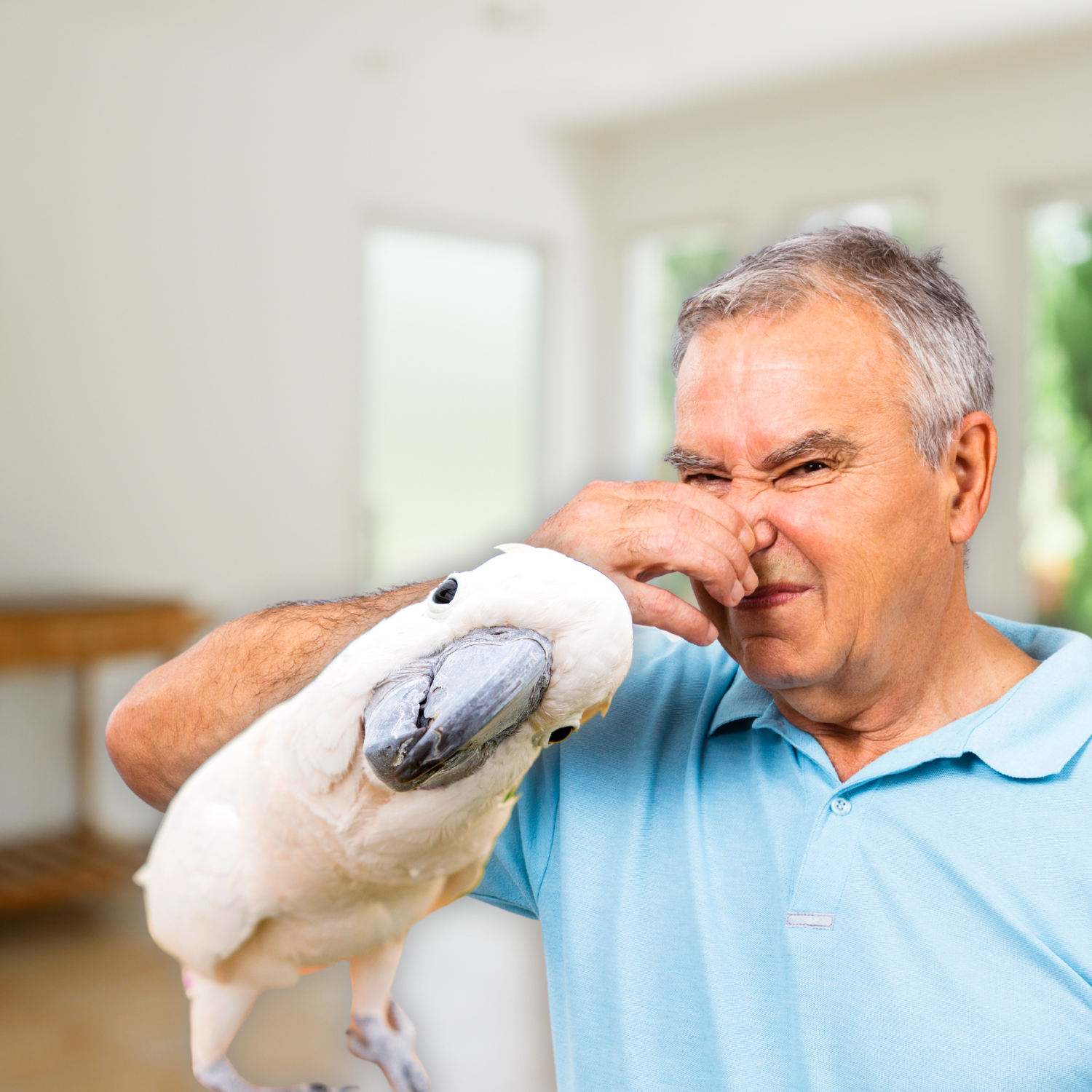
The natural world is replete with creatures employing a myriad of olfactory cues, but birds are not generally known for strong body odors. In their natural habitats, birds meticulously preen their feathers, bathe in water sources, or engage in dust bathing to maintain pristine hygiene. This innate drive for cleanliness is crucial not only for feather integrity and insulation but also as a defense mechanism against parasites and pathogens. Therefore, when a pet bird begins to emit an off-putting smell, it signals a deviation from its natural state of health and cleanliness. Owners must learn to differentiate the subtle, species-specific natural scents from problematic odors, which can range from sour, musty, or fishy to overtly rotten, signaling distress or disease. This discernment is the first critical step in addressing the issue.
Root Causes of Avian Malodor: A Comprehensive Analysis
Understanding the specific factors contributing to a bird’s unpleasant smell is paramount for effective intervention. These factors often intertwine, creating a complex web of environmental, dietary, and physiological challenges.
1. Dietary Deficiencies and Digestive Imbalance:
The adage "you are what you eat" holds profound truth for birds. A bird’s diet directly impacts its metabolic processes, gut microbiome, and, consequently, its scent. Diets heavily reliant on seeds, often lacking essential nutrients and high in fat, can lead to digestive upset, slow metabolism, and an overgrowth of harmful gut bacteria or yeast. This imbalance can manifest as malodorous droppings, sour-smelling breath, or a general body odor.
- Impact of Poor Nutrition: Seed-only diets are notorious for causing deficiencies in vitamins (especially A and D3), minerals (calcium), and amino acids, while being excessively high in fat. This can lead to liver disease, obesity, and compromised immune function, all of which can contribute to abnormal body chemistry and odor.
- Contaminated Food and Water: Leftover fresh foods, particularly fruits and vegetables, can quickly spoil in a cage, especially in warm environments. These decaying organic materials become breeding grounds for dangerous bacteria such as Pseudomonas, E. coli, and various molds. If ingested, these pathogens can cause severe gastrointestinal infections, leading to foul-smelling diarrhea and systemic illness. Similarly, stale drinking water, left uncleaned for extended periods, can harbor bacterial biofilms that contribute to odor and health risks. Avian veterinary guidelines, supported by organizations like the Association of Avian Veterinarians (AAV), emphasize daily cleaning of food and water dishes with hot, soapy water to mitigate these risks.
2. Environmental Hygiene: The Cage as a Microcosm of Health:
A bird’s enclosure is its entire world, and its cleanliness directly reflects on the bird’s health and scent. Birds are naturally messy, scattering food, splashing water, and producing droppings throughout the day. This accumulation of organic matter, combined with warmth and humidity, creates an ideal environment for the proliferation of bacteria, fungi, and potentially toxic black mold.
- Pathogenic Proliferation: Old droppings, damp bedding, and food debris can rapidly develop into reservoirs for pathogens. For instance, the fungus Aspergillus fumigatus thrives in such conditions. Inhaling its spores can lead to aspergillosis, a severe respiratory disease that can affect birds and, in rare cases, humans (a zoonotic concern). This infection often imparts a distinct musty or earthy odor, even before visible symptoms appear.
- Importance of Routine Cleaning: A consistent cleaning regimen is not merely about aesthetics; it’s a critical component of preventative healthcare. Daily spot cleaning, weekly deep cleaning of the cage, and regular sanitization of accessories are essential. In warmer, more humid climates, the frequency of cleaning should be increased as bacterial and fungal growth accelerates under these conditions.
3. Infrequent Bathing Habits and Feather Integrity:
Bathing is a vital component of avian health. It helps to remove dirt, dander, and loose feathers, distribute natural oils for waterproofing and feather conditioning, and hydrate the skin. Birds that do not bathe regularly can develop a buildup of preen oils, dirt, and environmental pollutants on their feathers, leading to a dull, greasy appearance and a musty or rancid odor.
- Preen Gland Function: The uropygial (preen) gland produces an oily secretion that birds spread over their feathers. While essential, an excess or imbalance can contribute to odor if not regularly washed away.
- Encouraging Bathing: Not all pet birds readily take to bathing. Owners may need to experiment with various methods, including fine-mist spray bottles (mimicking rain), shallow bath bowls, or even shower perches. The goal is to make bathing a positive and regular experience, crucial for both hygiene and feather health.
4. Skin or Feather Problems:
While feathers themselves, being composed of keratin, do not typically "stink," the underlying skin and feather follicles can be sources of odor when compromised. Bacterial, fungal, or yeast infections of the skin can lead to inflammation, crusting, discharge, and a noticeable foul smell. Conditions like feather cysts, folliculitis, or self-mutilation due to stress can also create open wounds susceptible to infection and odor. Close inspection of the bird’s skin, particularly in areas of feather loss or irritation, may reveal the source.
5. Underlying Health Conditions: Beyond the Surface:
Perhaps the most concerning cause of avian malodor is an undiagnosed underlying health condition. Birds are masters at masking illness, often presenting with subtle symptoms until the disease is advanced. A sudden, strong, or unusual smell can be one of the earliest indicators of a serious internal issue.
- Yeast Infections (Candida): Candida albicans is a common yeast found in birds, but an overgrowth, often triggered by stress, antibiotics, or a compromised immune system, can lead to candidiasis. This infection can affect the crop, gastrointestinal tract, or skin, producing a distinctively sweetish, yeasty, or sour smell.
- Bacterial Infections: Systemic bacterial infections, impacting organs like the liver, kidneys, or respiratory system, can alter the bird’s metabolism and lead to a general foul body odor or specific odorous discharges from the eyes, nares, or vent. Liver disease, for instance, can cause metabolic byproducts to accumulate, resulting in a persistent, sometimes metallic or fishy, smell.
- Metabolic Disorders: Imbalances in metabolism, often linked to nutritional deficiencies or organ dysfunction, can also manifest as changes in body odor.
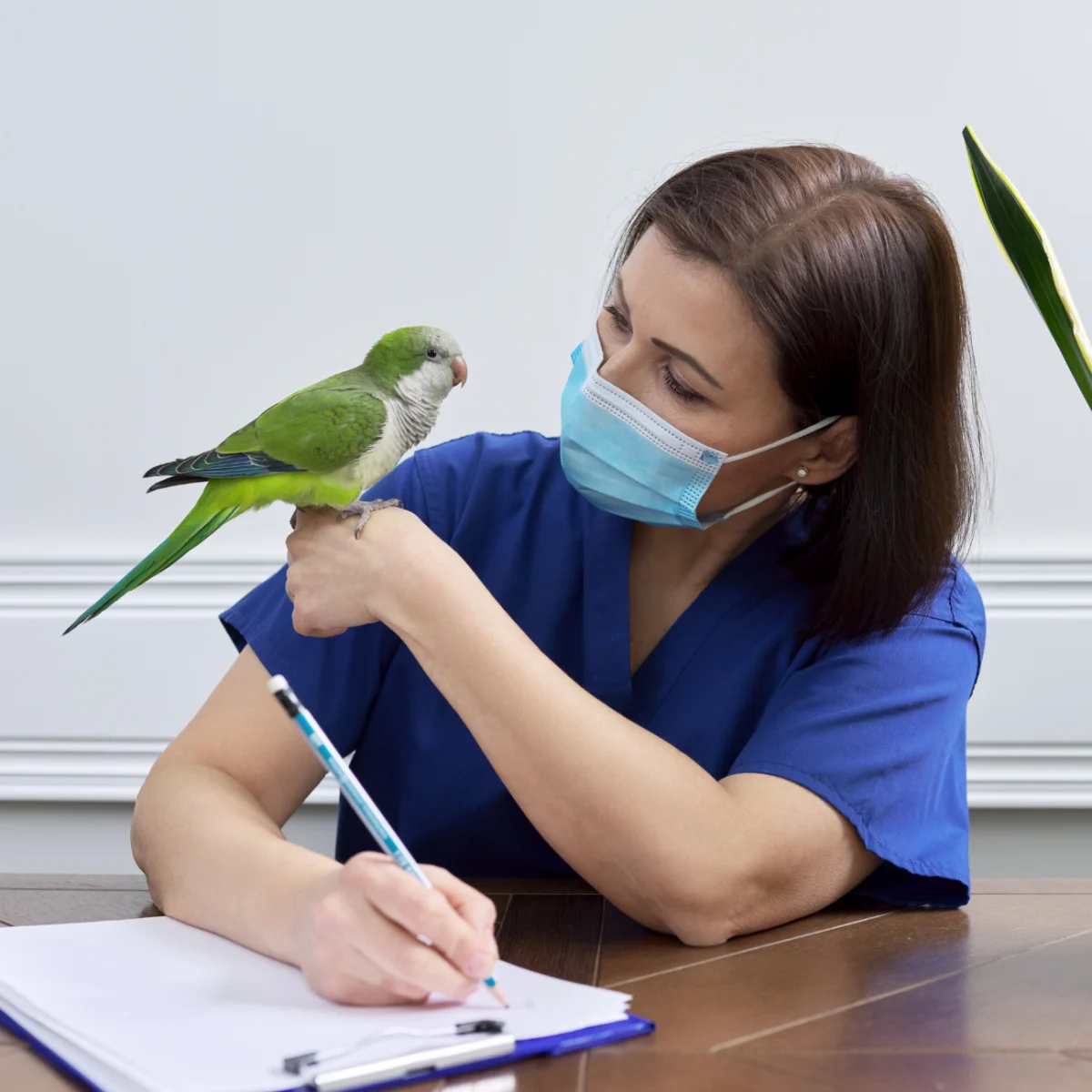
- Avian Vet Consultation: If the odor persists despite rigorous cleaning and dietary improvements, or if it is accompanied by other symptoms such as lethargy, fluffed feathers, changes in appetite or droppings, difficulty breathing, or behavioral alterations, immediate consultation with an avian veterinarian is crucial. As Diane Burroughs, LCSW, an expert in avian care and behavior, emphasizes, "Trust your nose—odors are often the first sign something deeper is going on." Early veterinary intervention can be life-saving.
Expert Perspectives on Prevention and Intervention
Addressing avian malodor requires a multi-faceted approach, combining meticulous hygiene, optimal nutrition, and, when necessary, targeted therapeutic interventions.
1. Establishing a Robust Hygiene Protocol:
- Daily Maintenance: Remove uneaten fresh foods within a few hours. Replace drinking water with fresh water daily, cleaning the bowls. Spot clean soiled cage areas.
- Weekly Deep Clean: Thoroughly clean and disinfect the entire cage, perches, and toys. Use bird-safe disinfectants and ensure complete rinsing to remove chemical residues. Replace cage liners.
- Monthly Overhaul: Disassemble the cage for a comprehensive scrubbing, including all nooks and crannies where bacteria and mold can hide. Inspect all accessories for wear and tear.
2. Optimizing Avian Nutrition:
- Pelleted Diet Foundation: Transitioning birds from a seed-heavy diet to a high-quality, veterinarian-recommended pelleted diet should be the cornerstone of their nutrition. Pellets provide balanced nutrition and reduce the selective eating common with seed mixes.
- Fresh Produce: Supplement pellets with a wide variety of fresh, bird-safe vegetables and a smaller quantity of fruits. These provide essential vitamins, minerals, and fiber, supporting digestive health.
- Limit Treats: Offer sugary or fatty treats sparingly.
- Probiotics: In some cases, under veterinary guidance, probiotics can help restore a healthy gut microbiome, particularly after antibiotic treatment or during digestive upset, potentially reducing odor related to gut imbalance.
3. Promoting Regular Bathing:
- Variety of Methods: Offer a range of bathing options to discover what your bird prefers. This could include a shallow dish of fresh water, a gentle misting with a fine-spray bottle, or even a shower with you (ensuring safe water temperature and pressure).
- The Role of Aloe Vera Spray: Bird-safe Aloe Vera sprays have gained popularity for their beneficial properties. Aloe Vera contains compounds like polysaccharides, vitamins, and minerals known for their anti-inflammatory, antibacterial, and moisturizing effects. When applied as a fine mist, it can help soothe dry or irritated skin, soften dander and dirt buildup on feathers, and impart a clean, fresh scent. Its natural properties make it safe even if ingested during preening. Products like those offered by BirdSupplies.com are specifically formulated to be gentle and effective, enhancing feather sheen and promoting skin health.
4. Vigilance and Veterinary Care:
Owners should maintain a keen awareness of their bird’s normal behaviors, appearance, and scent. Any sudden or persistent change in odor, especially when accompanied by other signs of illness, warrants immediate veterinary attention. Avian veterinarians possess specialized knowledge to diagnose and treat the unique health challenges of birds, differentiating between benign issues and life-threatening conditions. Diagnostic tools may include fecal analysis, blood tests, and imaging to pinpoint the cause of the odor.
The Broader Impact: Bird Welfare and Public Health
The implications of persistent avian malodor extend beyond immediate discomfort. A stinky bird is often a stressed or unhealthy bird. Chronic illness, poor hygiene, and an inadequate environment can significantly diminish a bird’s quality of life, leading to behavioral problems, increased susceptibility to disease, and a shortened lifespan.
Furthermore, the presence of certain pathogens, particularly those thriving in dirty cage environments like Aspergillus fumigatus, poses a zoonotic risk. While avian-to-human transmission of most bird diseases is rare, individuals with compromised immune systems, young children, or the elderly may be more vulnerable to respiratory infections or other illnesses linked to poor pet hygiene. Thus, maintaining a clean environment and a healthy bird contributes not only to the bird’s welfare but also to the health and safety of the human household.
Conclusion
The question "Do birds stink?" is met with a nuanced answer: healthy birds generally do not, but a noticeable odor is a critical alarm bell signaling a need for intervention. From dietary adjustments and rigorous cage hygiene to encouraging regular bathing and seeking prompt veterinary care for underlying health issues, proactive and informed pet bird ownership is paramount. Products like bird-safe Aloe Vera spray offer a natural, supportive tool in maintaining avian hygiene and freshness. By understanding the causes of avian malodor and implementing comprehensive care strategies, owners can ensure their feathered companions live healthier, happier, and decidedly fresher lives, strengthening the bond between human and bird.
