


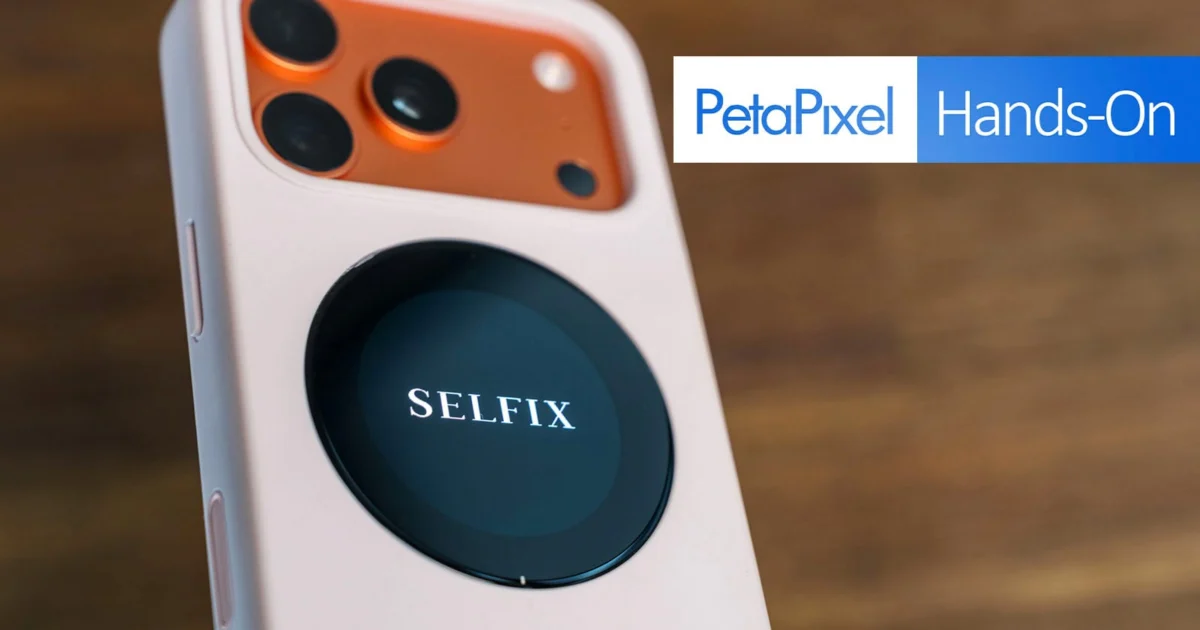
The landscape of mobile photography has long been defined by a significant hardware disparity between front-facing and rear-facing camera systems. While manufacturers have poured billions of dollars into developing sophisticated multi-lens arrays for the primary cameras of flagship devices, the "selfie" camera—often restricted by the thin bezels and the necessity of notch or "island" cutouts—frequently lags behind in sensor size, optical clarity, and low-light performance. Addressing this specific technological gap, Dockcase has unveiled the Selfix, a specialized smartphone case designed to bypass the limitations of front-facing optics by enabling users to utilize the superior rear camera arrays for self-portraiture and vlogging through an integrated secondary display.
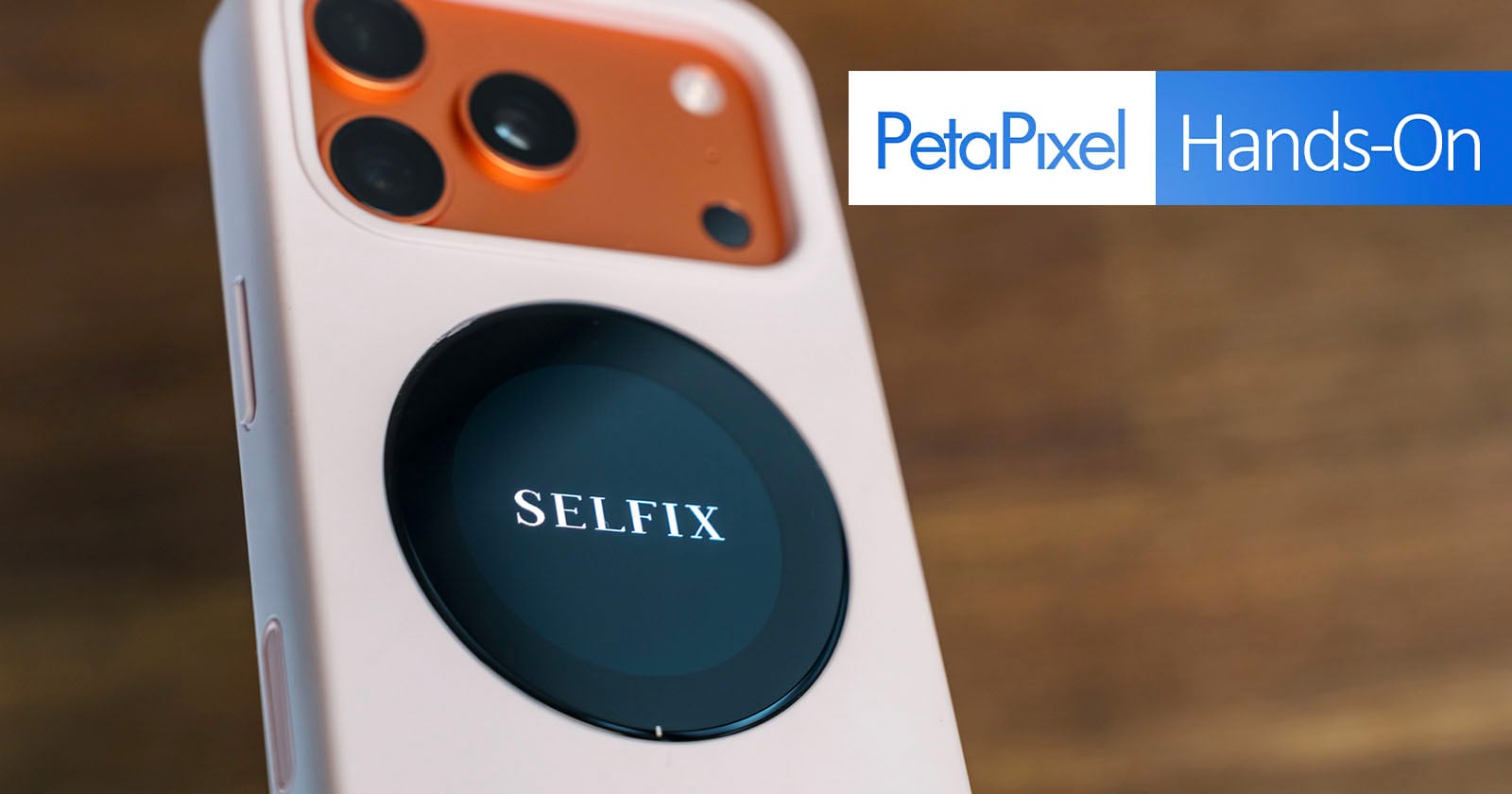
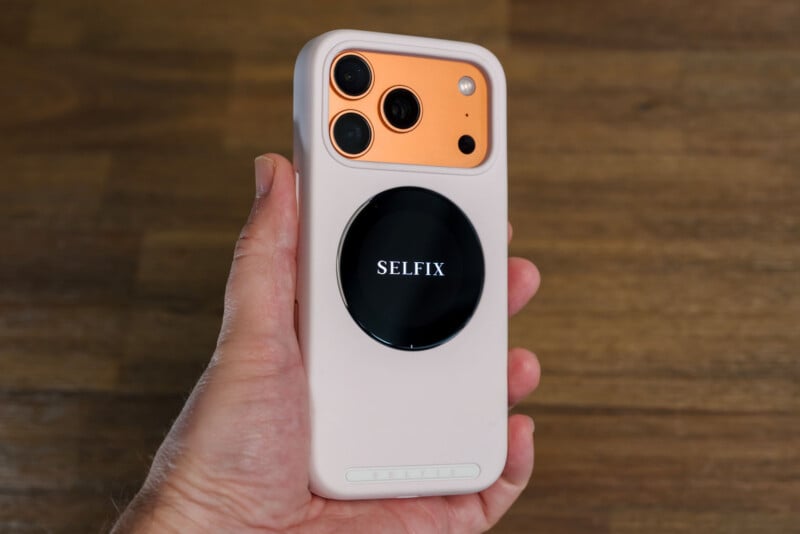
The Selfix is currently positioned as a crowdfunding endeavor, representing a significant pivot for Dockcase, a company primarily known for its "smart" USB hubs and external SSD enclosures that feature diagnostic displays. This new venture integrates a 1.6-inch circular AMOLED touchscreen directly into the rear of a protective chassis, effectively turning the back of the phone into a functional viewfinder. By mirroring the primary display, the device allows for precise framing and control while utilizing the high-resolution sensors and advanced image processing of the iPhone 17 Pro and Pro Max.
Technical Specifications and Hardware Integration
The Selfix distinguishes itself from existing market solutions by adopting a permanent "case" form factor rather than a detachable accessory. The core of the unit is a 1.6-inch AMOLED display with a resolution of 480 x 480 pixels. This high-density screen is positioned centrally on the back of the case, directly over the MagSafe induction coils of the host iPhone.
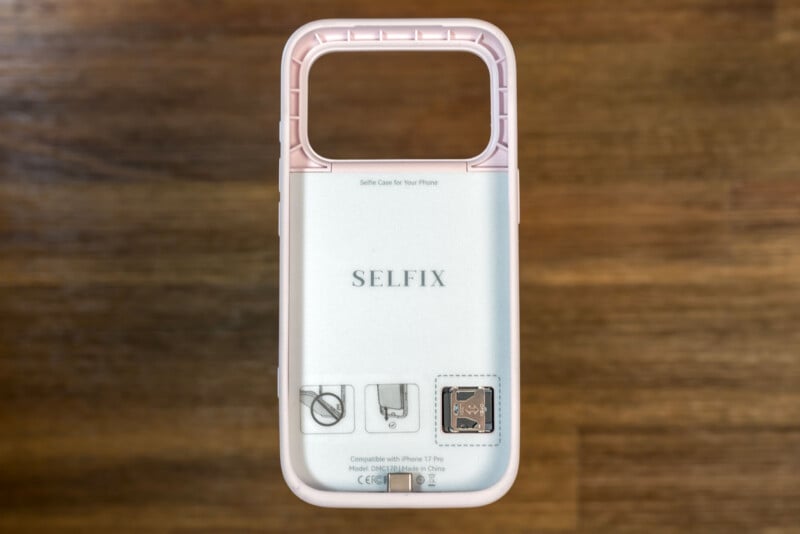
Unlike many external monitors that rely on internal batteries or Bluetooth connectivity, the Selfix utilizes a direct physical connection. The iPhone slides into the case and connects via an integrated USB-C plug. This design choice allows the case to draw power directly from the smartphone’s battery, eliminating the need for a separate charging cycle for the accessory. To ensure that the phone remains functional for long-term use, the Selfix includes a USB-C passthrough port at the base, supporting Power Delivery (PD) 3.0 and up to 45W charging. This ensures that the device can be charged at high speeds without removing the case.
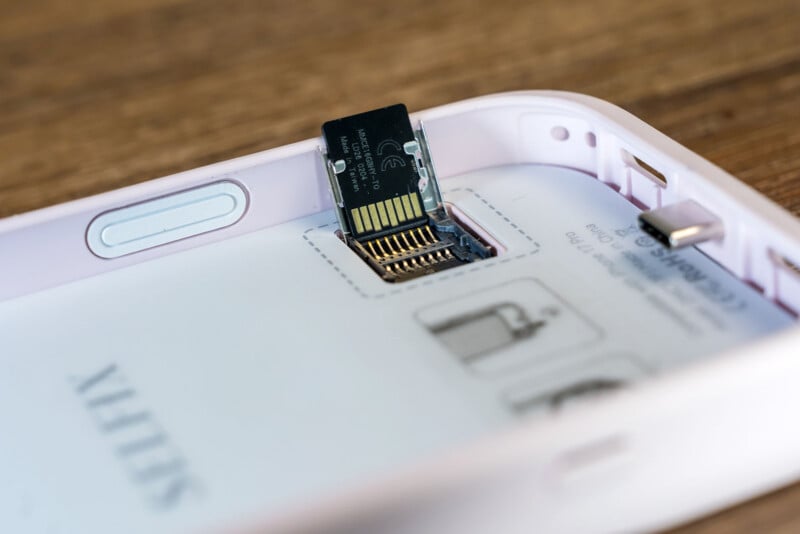
Beyond its monitoring capabilities, the Selfix serves as a storage expansion solution. It features an integrated microSD card slot capable of supporting UHS-I cards (including Class 10, U3, and V30 specifications) with capacities up to 2TB. This feature is particularly aimed at videographers who utilize high-bitrate formats such as Apple ProRes, which demand significant storage overhead.
Operational Workflow and Software Requirements
The integration of a secondary display into the iOS ecosystem requires specific software configurations, as Apple does not natively support external secondary viewfinders for its system camera app. To facilitate the "mirroring" effect and enable touch controls on the rear screen, users must navigate through the iOS accessibility settings.
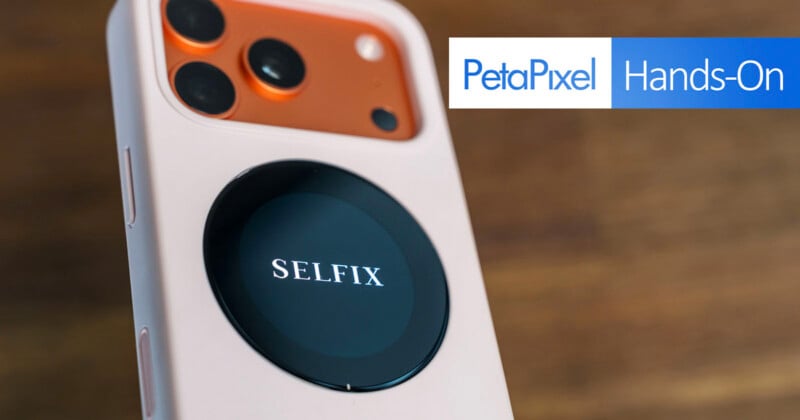
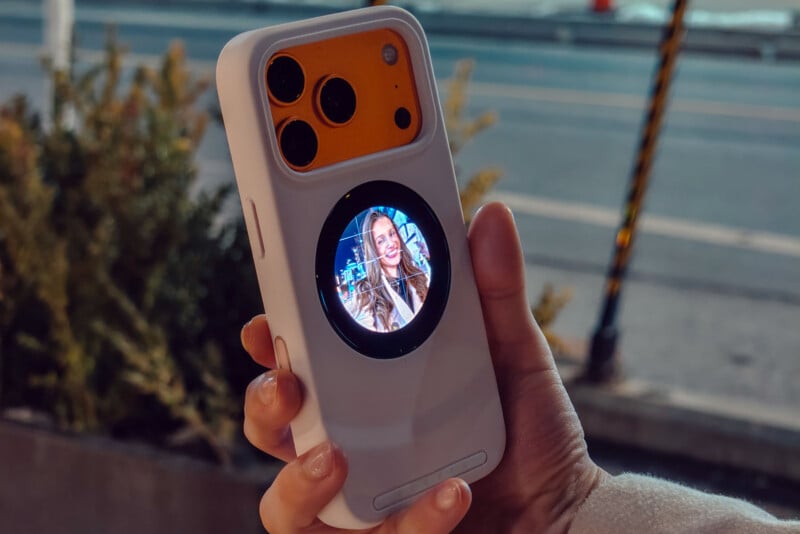
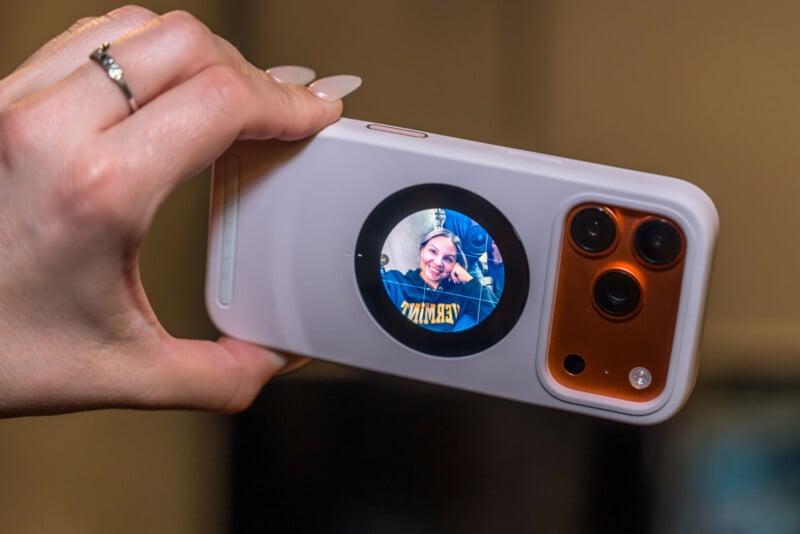
Specifically, the setup involves enabling "AssistiveTouch" under the Accessibility menu and adding the feature to the iOS Control Center. Once configured, the rear AMOLED screen mirrors the iPhone’s primary display. The touchscreen interface allows users to tap to focus and navigate basic camera functions. The Selfix includes a dedicated power button located near the iPhone’s volume rockers, which, when pressed, toggles the orientation of the rear display to match the user’s framing needs.
Control of the camera app from the rear is largely achieved through the volume buttons, which act as a physical shutter release. While the touchscreen allows for some interaction, such as switching between the three rear lenses (0.5x, 1x, and 5x) by tapping small numerical icons, more complex adjustments often require the user to flip the phone back to the main screen.
The Storage Expansion Dilemma
A critical component of the Selfix value proposition is its ability to act as an external drive. However, this functionality is governed by the strictures of the iOS file management system. Under current Apple protocols, external storage connected via USB-C is primarily optimized for ProRes video recording. Users can set the iPhone to record ProRes footage directly to the microSD card inserted in the Selfix, bypassing internal storage limitations.
For standard photography and non-ProRes video, the workflow is more restricted. iOS does not currently allow the Camera app to save standard HEIF, JPEG, or MP4 files directly to external media. Consequently, users must first capture media to the internal storage and then manually transfer files to the microSD card using the "Files" app. This limitation is a characteristic of the operating system rather than the hardware, but it remains a significant consideration for those hoping for a seamless "dual-drive" experience.
Comparative Market Analysis
The Selfix enters a niche market that has seen increasing activity from brands like SmallRig and Insta360. However, the Selfix occupies a unique position due to its design philosophy.
- SmallRig Wireless Video Monitor: This device utilizes MagSafe to attach to the back of a phone and connects wirelessly. While it offers a larger rectangular screen, it requires its own internal battery and can be prone to signal latency.
- Insta360 Snap Selfie: A MagSafe-compatible flip-up screen that offers a more traditional "vlogging" experience. Like the SmallRig, it is an attachment rather than a permanent protective case.
The Selfix’s primary advantage is its "all-in-one" nature. By serving as a protective case, it reduces the friction of having to carry and mount external accessories. Conversely, its greatest disadvantage is its exclusivity; while competitors are generally device-agnostic (working with both Android and various iPhone models), the first iteration of the Selfix is built specifically for the dimensions and port placement of the iPhone 17 Pro and Pro Max.
Development Timeline and Crowdfunding Details
Dockcase has initiated a Kickstarter campaign to fund the initial production run of the Selfix. This strategy allows the company to gauge demand and secure capital for specialized tooling required for the iPhone 17 Pro chassis.
- Campaign Launch: Q1 2026
- Early Bird Pricing: $79.00 USD
- Projected Retail Price: $129.00 USD
- Estimated Shipping Date: May 2026
The company has produced three color variants for the launch: Onyx Black, Satin White, and Morganite Pink. As with all crowdfunding projects, Dockcase has included caveats regarding potential manufacturing delays, though the company’s history with successful hub and SSD enclosure campaigns provides a level of established credibility in the hardware space.
Known Challenges and Technical Nuances
Early hands-on evaluations of the Selfix prototypes have identified several areas where the device faces operational hurdles. One notable issue involves landscape mode optimization. Currently, the rear display is primarily optimized for portrait orientation. When rotating the device to landscape, the software can occasionally struggle with orientation locking, sometimes resulting in an upside-down image. Dockcase has acknowledged this, recommending that users enable the iOS rotation lock before switching to landscape mode as a temporary workaround.
Furthermore, thermal management has emerged as a consideration. Because the case draws power from the phone and operates a high-brightness AMOLED screen while the camera sensors and processors are active, the unit can generate significant heat during extended use. Dockcase has implemented battery-saving features to mitigate this, including a dimming function after one minute of inactivity and an automatic power-off after ten minutes of idle time.
Compatibility with third-party charging hardware is another reported nuance. Dockcase has noted that certain multi-port chargers and specific models from brands like Anker may experience "compatibility issues" due to adaptive power protocol switching. The company recommends using single-port chargers to ensure consistent passthrough power to the iPhone.
Broader Implications for Mobile Content Creation
The introduction of the Selfix reflects a broader trend in the consumer electronics industry: the "prosumer-ization" of the smartphone. As platforms like TikTok, Instagram, and YouTube continue to drive the demand for high-quality vertical and horizontal video, users are increasingly seeking ways to extract professional-grade performance from their mobile devices.
By facilitating the use of the rear camera for self-recorded content, the Selfix effectively upgrades the user’s "front" camera to the level of a primary 48-megapixel sensor with advanced optical image stabilization and superior low-light capabilities. While the circular screen is smaller than a standard viewfinder, it provides enough visual data for framing, which is often the primary concern for solo creators.
The inclusion of the microSD slot also addresses a growing pain point for mobile creators. As video resolutions climb to 4K and 8K, internal storage on smartphones—which is often non-upgradable and carries a high price premium at the time of purchase—becomes a bottleneck. The ability to offload hundreds of gigabytes of footage to an inexpensive microSD card without removing the phone from its case represents a significant workflow improvement for field reporters and travel vloggers.
As the May 2026 shipping date approaches, the success of the Selfix will likely depend on how well Dockcase can refine the software experience and whether Apple introduces any changes to iOS that could either assist or further restrict the functionality of external monitors and storage. For now, the Selfix stands as a bold attempt to consolidate the mobile creator’s toolkit into a single, permanent piece of hardware.
