

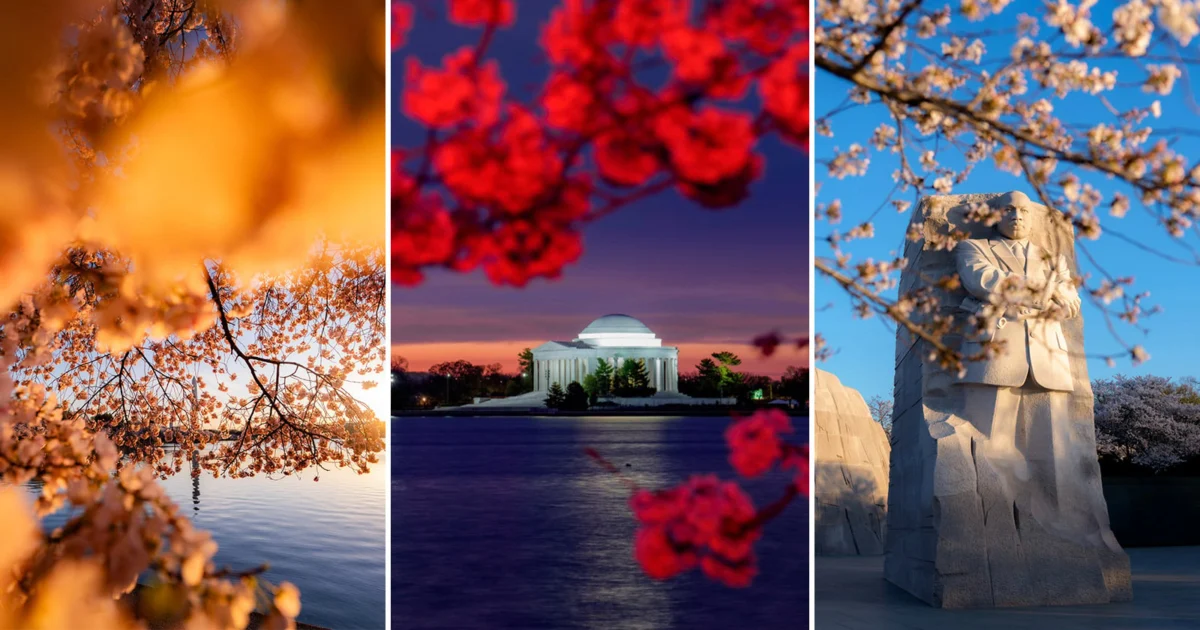
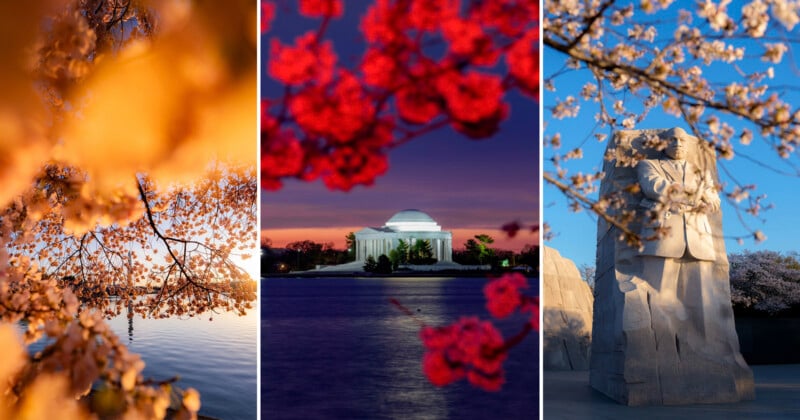
The annual arrival of cherry blossoms in Washington, D.C., represents one of the most significant seasonal transitions in the United States, drawing millions of visitors to the Tidal Basin to witness a spectacle that lasts only a few days. For Drew Geraci, an award-winning photographer, cinematographer, and Sony Artisan of Imagery, this event has served as a primary creative focus for nearly two decades. Having documented the bloom for 17 consecutive years, Geraci has transitioned from a technical observer of the landscape to a visual historian, capturing the intersection of natural beauty, urban evolution, and environmental change. His long-term project offers a unique perspective on the challenges of photographing a subject defined by its impermanence and the shifting realities of the capital city’s most famous natural event.
The Evolution of a Visual Archive
When Drew Geraci first began documenting the cherry blossoms 17 years ago, his primary objective was rooted in the technical mastery of the medium. As a photographer and cinematographer refining his craft, the early years of the project were characterized by a rigorous focus on image quality, dynamic range, and sharpness. Using techniques such as High Dynamic Range (HDR) bracketing, Geraci sought to capture the high-contrast scenes of the Tidal Basin with clinical precision. However, as the project entered its second decade, the objective shifted from mere documentation to narrative storytelling.
Geraci describes this transition as a move from "capturing everything" to "capturing meaning." While the technical foundation remains essential—utilizing the high-resolution capabilities of modern Sony Alpha systems—the intent is now focused on conveying the mood and energy of the city. This evolution reflects a broader trend in professional landscape photography, where the ubiquity of high-quality digital imagery has pushed leading artists to find deeper emotional resonance in their work. For Geraci, the blossoms have become a "time capsule," recording not just the flowers, but the changing atmosphere of Washington, D.C., the people who visit it, and the subtle shifts in the city’s light and rhythm.
Historical Context and the Significance of the Bloom
The cherry blossoms of Washington, D.C., carry a historical weight that adds depth to any long-term photographic study. The trees were originally a gift from the People of Japan to the People of the United States in 1912, symbolizing the growing friendship between the two nations. The initial shipment of 3,020 trees included several varieties, with the Yoshino and Kwanzan varieties remaining the most prominent today.
Documenting these trees requires an understanding of their lifecycle, which is managed with scientific precision by the National Park Service (NPS). The "Peak Bloom" date is defined as the day when 70% of the Yoshino Cherry blossoms are open. Predicting this date is a complex task involving the monitoring of five distinct stages of bud development: green color, florets visible, extension of florets, peduncle elongation, and puffy white. Geraci’s work often begins well before the puffy white stage, as he prepares for a window of opportunity that typically lasts only seven to ten days, with the true peak often spanning only 48 to 72 hours.
Climate Change and the Shifting Phenology of the Tidal Basin
One of the most significant findings of Geraci’s 17-year observation is the noticeable shift in the timing of the bloom, a phenomenon supported by decades of environmental data. Geraci notes that ten years ago, he was frequently filming peak blossoms toward the end of April. In recent years, however, the peak has consistently moved into mid-to-late March.
According to data from the Environmental Protection Agency (EPA) and the National Park Service, peak bloom dates have shifted earlier by approximately five days since 1921. This trend is attributed to rising average spring temperatures in the Mid-Atlantic region. Geraci’s visual record serves as anecdotal evidence of these broader climate trends, documenting not only the earlier arrival of the blossoms but also an increase in the frequency of spring storms that can strip the trees of their petals prematurely.
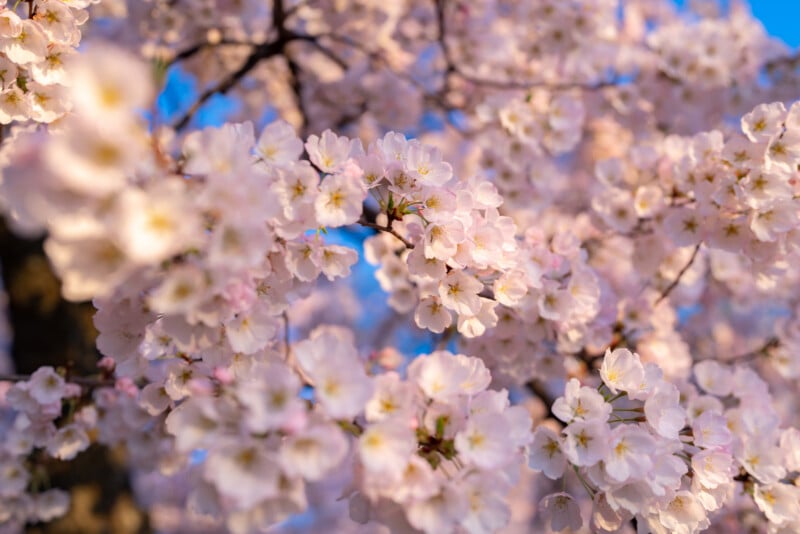
The environmental challenges facing the Tidal Basin extend beyond temperature. Sea-level rise and land subsidence have led to increased flooding around the Jefferson Memorial, often submerging the roots of the cherry trees in brackish water. This has led to the recent announcement of a multi-year, $113 million rehabilitation project by the National Park Service to rebuild the sea walls. Geraci’s photography has captured the decline of certain iconic trees, most notably "Stumpy," a resilient but weathered tree that became a social media sensation before being scheduled for removal as part of the sea wall reconstruction.
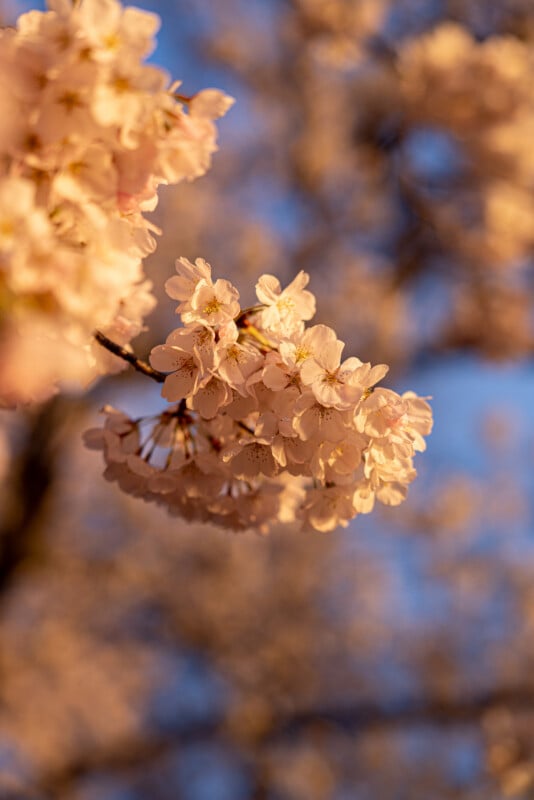
Technical Precision and the Art of Motion Design
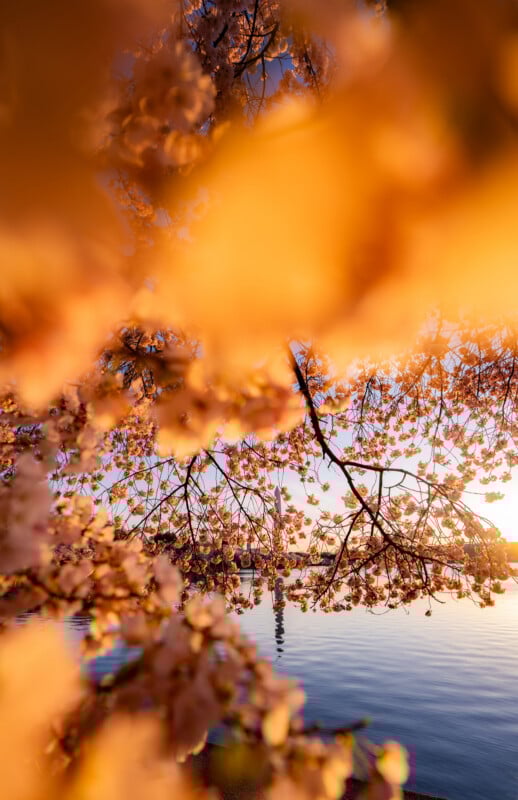
As a cinematographer, Geraci has applied advanced motion techniques to the cherry blossom season, moving beyond static photography to immersive time-lapse and video content. His approach to time-lapse is particularly sophisticated, adhering to a "three-element rule" of motion design. To give a scene life and continuity, he looks for compositions where at least three distinct elements are moving simultaneously—typically clouds, water reflections, and human activity or shifting light.
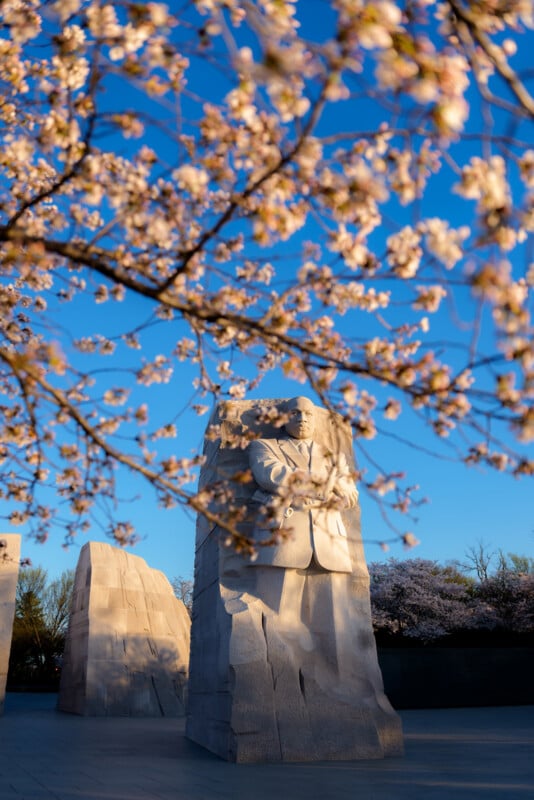
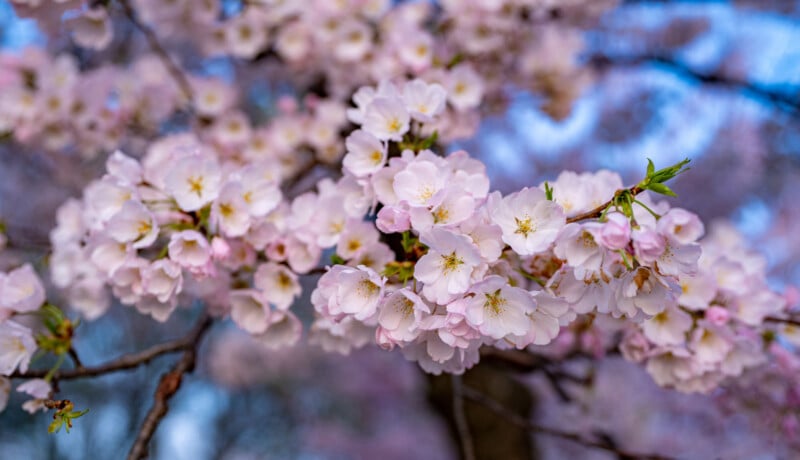
Geraci has also refined his use of HDR techniques to move away from the "over-processed" look common in early digital photography. By extending the tonal range naturally, he is able to showcase the delicate textures of the petals alongside the granite of the monuments without losing detail in the shadows or highlights. This technical balance is crucial for professional distribution, as his work is often utilized in high-definition broadcasts and commercial productions where visual authenticity is paramount.
The Sociological Shift in Public Engagement
Beyond the trees themselves, Geraci has observed a change in how the public interacts with the cherry blossom season. The National Cherry Blossom Festival now attracts an estimated 1.5 million visitors annually, contributing over $100 million to the local economy. However, the nature of these crowds has evolved.
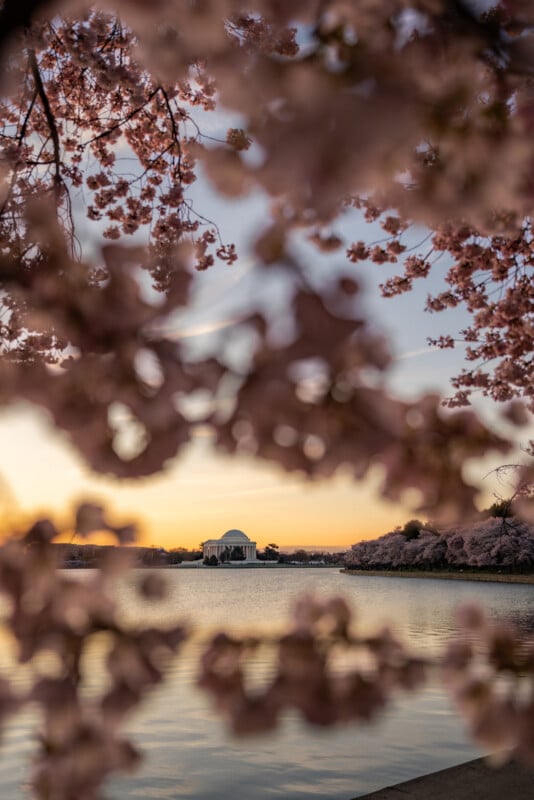
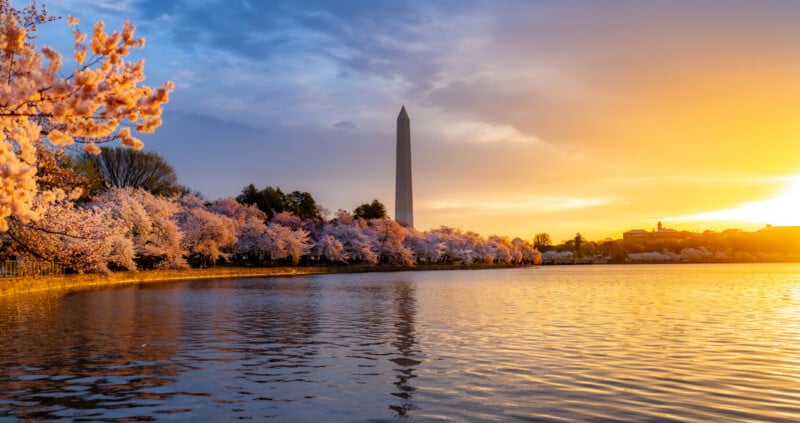
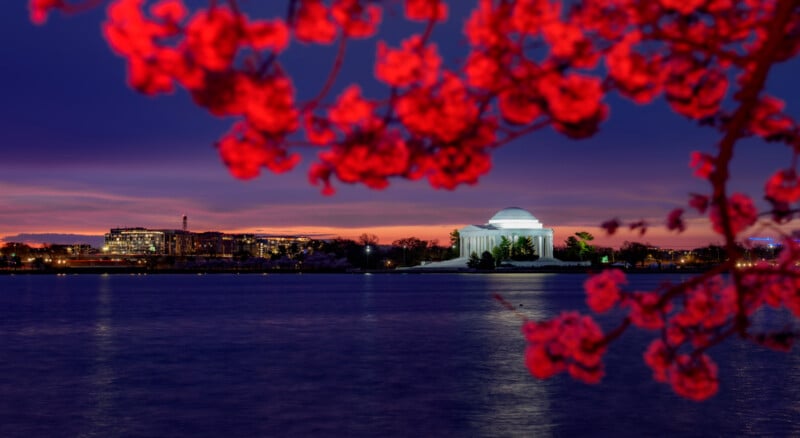
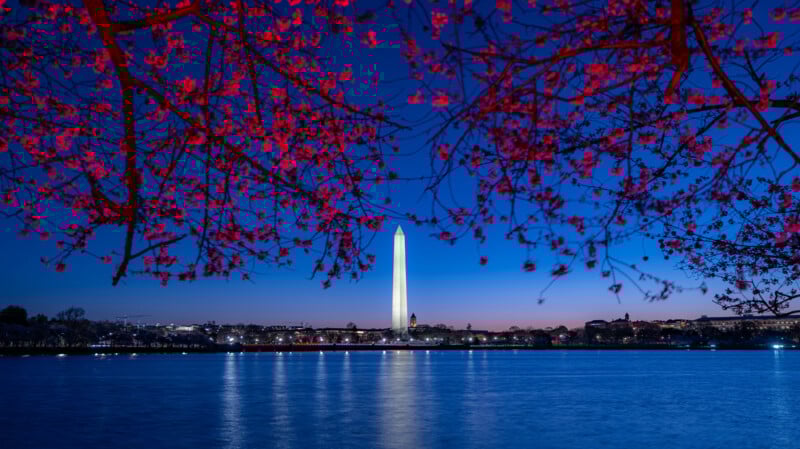
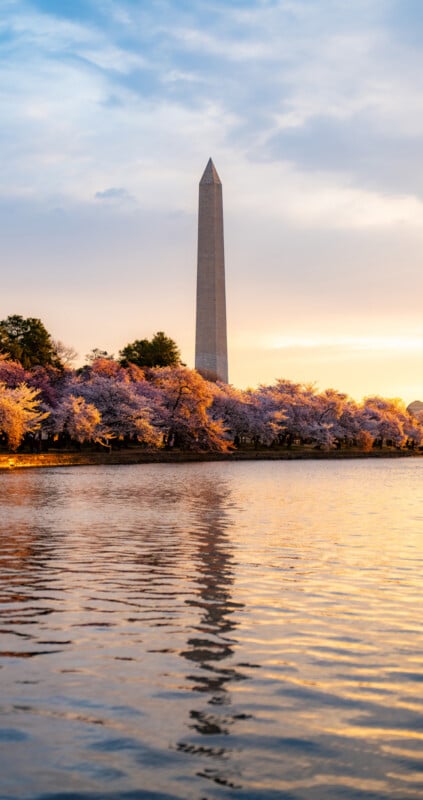
Geraci notes a peculiar shift in the rhythm of the city. While sunrise was once a period of intense activity for photographers and enthusiasts, he observed that in recent cycles, the crowds have begun arriving later in the morning. This change has created a temporary window of solitude at dawn, allowing for cleaner shots of the Tidal Basin, but Geraci suggests it also reflects a change in the "energy" and "buzz" of the event. The rise of social media has also influenced the geography of the bloom, with certain "Instagrammable" spots becoming congested while other equally beautiful vantage points remain overlooked. Geraci’s strategy involves returning to "classic" locations—such as the framing of the Washington Monument or the Jefferson Memorial—while intentionally seeking out unconventional angles to ensure his work remains distinct from the millions of amateur images produced each year.
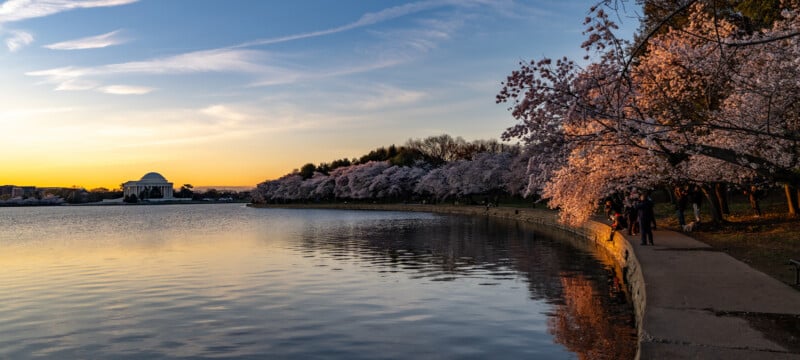
Logistics and the Demands of Professional Documentation
The professional documentation of a fleeting natural event requires a level of logistical preparation that mirrors a military operation. Because the bloom period is so short, Geraci operates on a schedule where "sleep becomes optional." The workflow involves stacking sequences across sunrise, mid-morning, and sunset, often rotating through multiple locations to account for the changing angle of the sun.
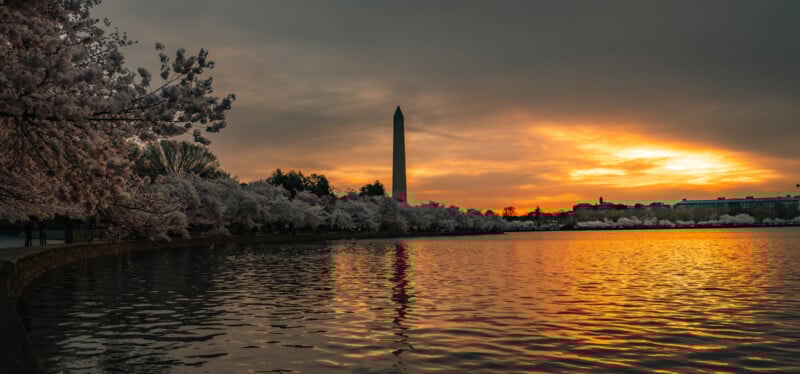
The unpredictability of the weather remains the greatest challenge. A single heavy rainstorm or a period of high winds can end the season in a matter of hours. Geraci emphasizes the need for adaptability, noting that some of his most dramatic footage has come from "ruined" setups where rain or wind added an unexpected layer of movement and grit to the scene. This embrace of "chaos" marks a final stage in his evolution as a photographer—recognizing that perfection is often less interesting than the true, unvarnished story of the environment.
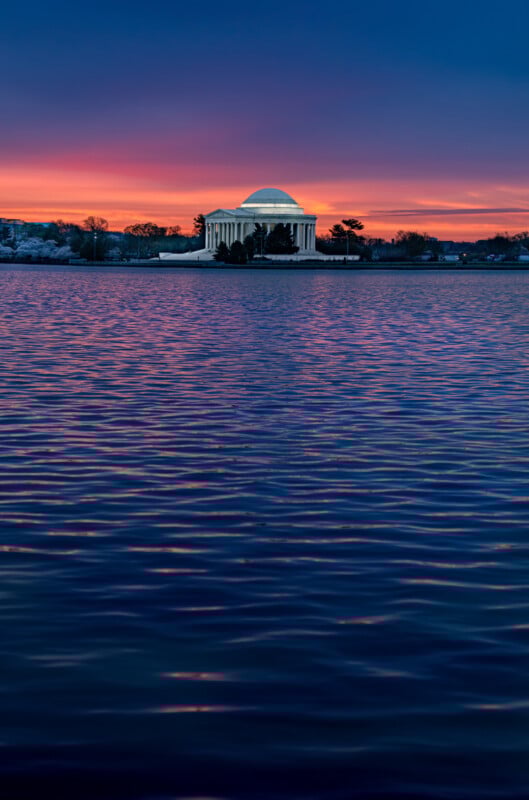
Broader Impact and the Importance of Long-Term Projects
The work of Drew Geraci over the past 17 years highlights the importance of long-term artistic and documentary projects. In a media landscape dominated by ephemeral content and rapid consumption, a nearly two-decade commitment to a single subject provides a depth of perspective that cannot be replicated. Geraci’s archive functions as both art and data, reflecting the intersection of botany, urban planning, climate science, and photography.
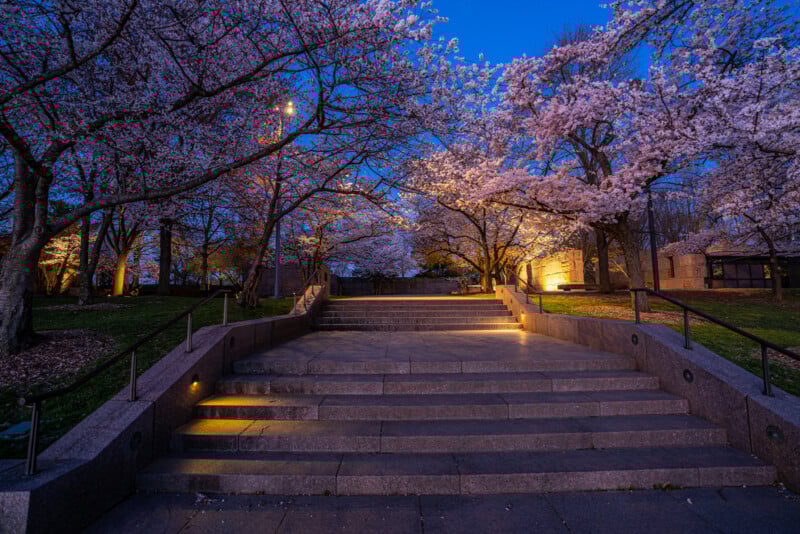
His project serves as a reminder of the fragility of nature in an urban setting. As the National Park Service begins its massive infrastructure project to save the Tidal Basin from rising tides, Geraci’s images will stand as the definitive record of the landscape as it existed before these necessary changes. For the viewer, his work offers an opportunity to experience the peak bloom not just as a static image, but as a living, breathing event that captures the essence of spring in the nation’s capital.
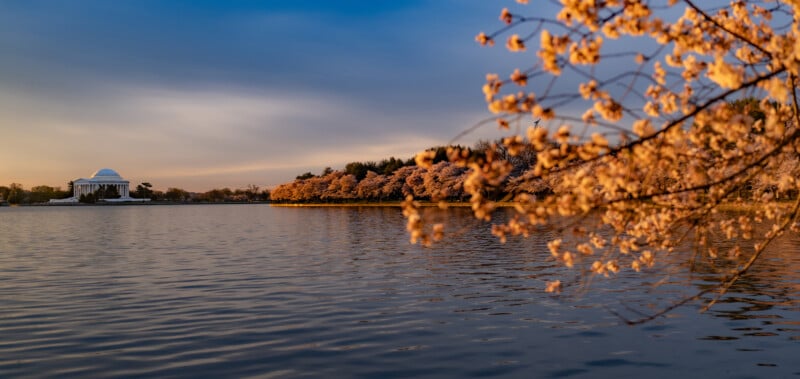
Ultimately, Geraci’s 17-year journey suggests that the most meaningful subjects are those that require patience and persistence. By returning to the same trees year after year, he has documented a world that is constantly changing, proving that even the most familiar sights can reveal new truths when viewed through a lens of long-term dedication. Success, in this context, is not measured by a single "perfect" photo, but by the ability to transport the viewer into the heart of a fleeting moment, making the impermanent feel permanent through the power of visual storytelling.
