

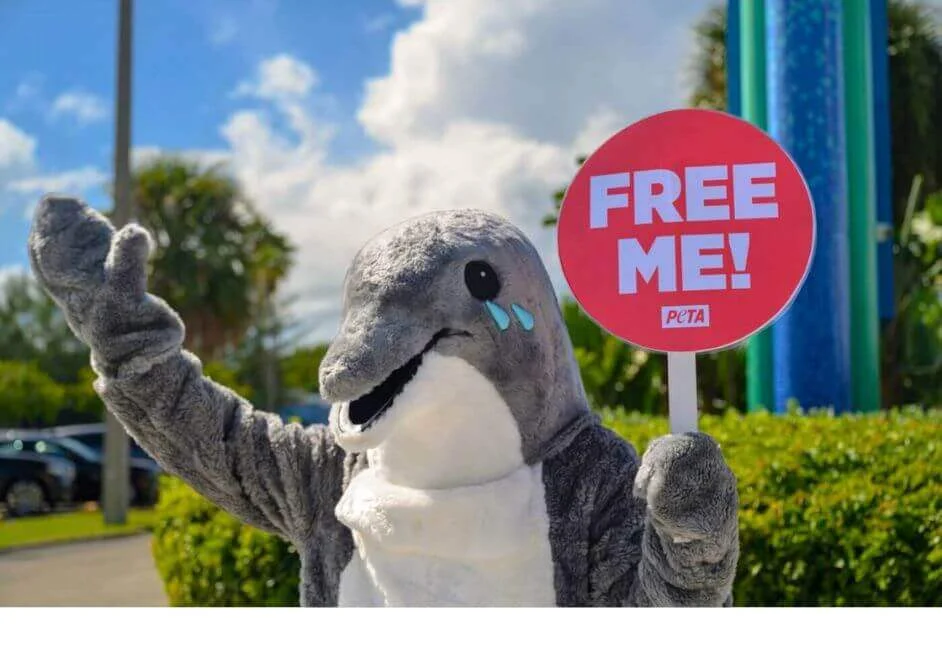
The ethical debate surrounding the captivity of marine mammals has reached a critical turning point as marine biologists, animal welfare advocates, and the general public scrutinize the operations of major marine parks. At facilities such as SeaWorld and various regional aquariums, dolphins are subjected to a lifetime of confinement, rigorous control, and commercial exploitation. While these institutions often frame their operations as educational or conservation-oriented, critics argue that the physiological and psychological reality for these intelligent cetaceans is one of "abusement" rather than amusement.
In their natural habitat, the ocean represents a vast, ever-changing environment. It offers dolphins near-infinite opportunities to explore, engage in complex social play, and maintain deep bonds within their family groups, known as pods. Conversely, in the restricted environments of marine parks and smaller, often substandard aquariums, dolphins are stripped of their autonomy. Every aspect of their existence—including dietary schedules, social companions, and daily activities—is dictated by human management. This management is frequently driven by the profit motives of entities that benefit from forcing these animals to perform choreographed routines, interact with tourists, and participate in intensive breeding programs.
The Biological Disconnect: Nature vs. Concrete Enclosures
The disparity between a dolphin’s natural life and its life in captivity is stark. In the wild, bottlenose dolphins are highly active "sea" animals, capable of swimming up to 60 miles in a single day. They are deep-diving mammals that explore vast territories and utilize sophisticated echolocation to navigate complex underwater topography. When these animals are confined to "makeshift lagoons" or concrete tanks, their world shrinks to a fraction of a percent of their natural range.
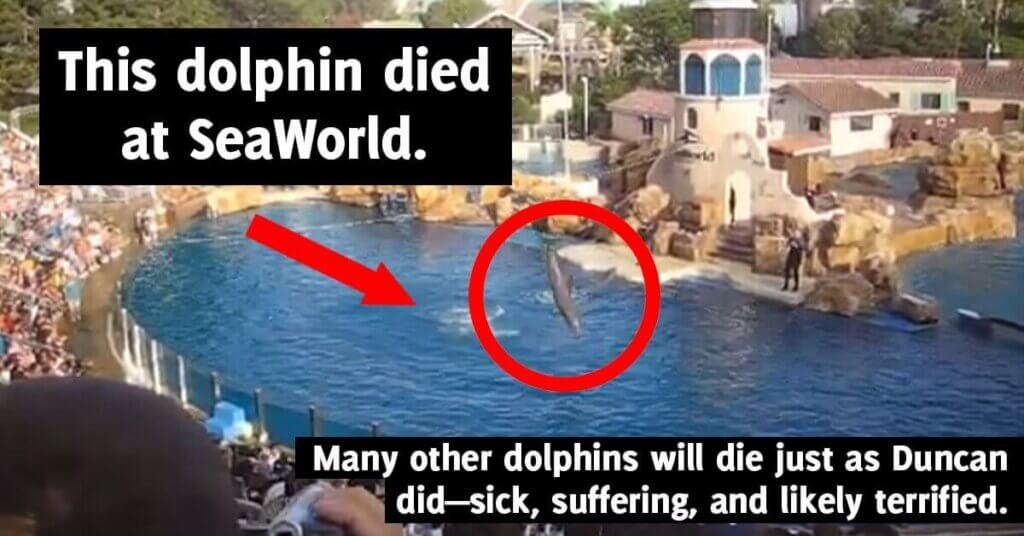
Imprisoned dolphins often spend their lives swimming in repetitive, circular patterns. This lack of horizontal and vertical space leads to significant physical degradation. Furthermore, captive environments frequently force dolphins into social groupings that would never occur in the wild. Because they are unable to escape from aggressive or incompatible tank mates in such cramped conditions, these animals often suffer from chronic stress, social tension, and physical injuries resulting from confinement-induced aggression.
A comprehensive review of cetacean captivity, published in peer-reviewed journals, confirms that keeping highly intelligent, social animals in restricted tanks is inherently detrimental to their well-being. Despite decades of industry claims regarding "habitat improvements" and "environmental enrichment," the data indicates that marine parks consistently fail to meet the basic physical and psychological requirements of dolphins and whales. The evidence suggests that a concrete pool can never replicate the sensory richness or the spatial requirements of the open ocean.
A Chronology of the Captivity Debate and Policy Shifts
The movement against marine mammal captivity has gained significant momentum over the last decade, marked by several key milestones:
- 1972: The United States passes the Marine Mammal Protection Act (MMPA), establishing a framework for the protection of whales and dolphins, though it allowed for "public display" permits.
- 2013: The release of the documentary Blackfish brings global attention to the psychological toll of captivity on orcas, leading to the "Blackfish Effect"—a period of declining attendance and stock prices for major marine parks.
- 2016: Under intense public and legislative pressure, SeaWorld announces the end of its orca-breeding program. This move followed a realization that the public no longer viewed the breeding of large cetaceans for entertainment as socially acceptable.
- 2019: Canada passes the "Free Willy" bill (Bill S-203), which bans the keeping, breeding, and trade of cetaceans for entertainment purposes, setting a legal precedent for other nations.
- 2020-Present: Multiple European and Asian nations begin exploring bans on dolphinaria, while the first seaside sanctuaries are established to receive retired captive animals.
Despite the cessation of orca breeding at SeaWorld, the company and other similar institutions continue to breed other species, including beluga whales, bottlenose dolphins, and Pacific white-sided dolphins. These breeding programs ensure a continuous supply of animals for "theatrical" performances, perpetuating a cycle of captive suffering.
The Ethics of Captive Breeding Programs
The methods used to maintain captive populations are among the most controversial aspects of the marine park industry. In the wild, dolphins choose their own mates and engage in complex courtship rituals within their social structures. In marine parks, breeding is a clinical and often forcible process.
To facilitate reproduction, male dolphins are frequently trained to undergo manual masturbation by staff to collect semen. Female dolphins are then subjected to artificial insemination. Reports from animal welfare organizations indicate that females may be restrained or even administered sedatives to prevent them from resisting as staff members insert insemination tubes into their reproductive tracts. These procedures are highly invasive and are conducted in environments where the animals have no ability to give consent or retreat.
The psychological trauma associated with these procedures is significant. Forcing highly sentient animals to undergo reproductive manipulation serves no legitimate conservation purpose for species like the common bottlenose dolphin, which is not endangered. Instead, these programs are designed to maintain the inventory of "performers" for the parks’ commercial interests.
Public Safety and the "Swim with Dolphins" Industry
Beyond the ethical concerns regarding the animals, "swim-with-dolphins" programs present documented risks to human participants. These interactive activities are often marketed as educational or therapeutic, but critics argue they are neither safe nor ethical. No credible scientific facility would permit the level of physical contact seen in commercial dolphin encounters.
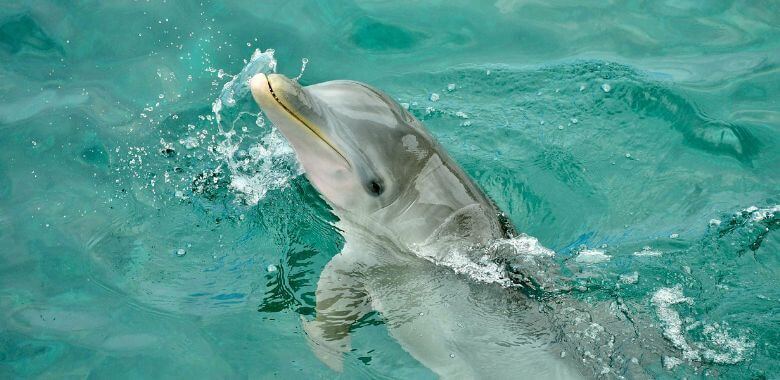
Dolphins are powerful apex predators. When forced into repetitive, unwanted interactions with humans, they may exhibit signs of frustration or redirected aggression. There have been numerous documented instances of dolphins biting, ramming, or pulling tourists underwater during these encounters. Furthermore, the risk of zoonotic disease transmission is a serious public health concern. Dolphins can carry viral, fungal, and bacterial infections—including Salmonella and various respiratory pathogens—that can be transmitted to humans through direct contact or shared water.
The following facilities in the United States continue to offer interactive programs or maintain dolphins in captive environments:
- Florida: Gulfarium (Fort Walton Beach), Theater of the Sea (Islamorada), Dolphin Research Center (Grassy Key), Clearwater Marine Aquarium (Clearwater), Dolphins Plus Bayside (Key Largo), Dolphin Life (Key Largo), Island Dolphin Care (Key Largo), and Dolphin Connection (Duck Key).
- Hawaii: Sea Life Park (Waimanalo), Dolphin Quest Hawaii (Waikoloa Village), and Dolphin Quest Oahu (Honolulu).
- Mississippi: Institute For Marine Mammal Studies/Ocean Adventures (Gulfport).
Supporting Data: The Cost of Captivity
Statistical analysis of captive dolphin populations reveals a troubling trend regarding longevity and health. While some captive dolphins live to ages comparable to their wild counterparts, many succumb early to stress-related illnesses, pneumonia, and infections that are exacerbated by the artificial chemical balance (such as heavy chlorination) of tank water.
Furthermore, the "acoustic environment" of a concrete tank is detrimental to cetaceans. Dolphins use echolocation to "see" their world through sound. In a tank, their sonar pulses bounce off flat concrete walls, creating a sensory feedback loop that can be disorienting and stressful. This acoustic confinement is often cited as a primary reason for the development of "stereotypic behaviors," such as repetitive head-butting or gnawing on tank gates.
The Future of Marine Mammals: The Sanctuary Model
The growing consensus among marine experts is that the era of keeping dolphins in tanks for entertainment must end. The proposed solution is the transition of these animals to seaside sanctuaries. Unlike marine parks, true sanctuaries are located in natural coastal bays where dolphins can be enclosed by nets while remaining in the actual ocean.
Seaside sanctuaries offer several key benefits:
- Natural Environment: Animals can feel ocean currents, tides, and interact with natural flora and fauna.
- Increased Space: Sanctuaries provide significantly more room for movement compared to even the largest tanks.
- Dignity and Autonomy: While the animals still receive veterinary care and supplemental feeding (as many cannot be fully released due to a lack of wild survival skills), they are no longer forced to perform or interact with the public.
Global progress is already visible. In Indonesia, dolphins previously held in traveling circuses have been rehabilitated and successfully released. In Iceland, the world’s first open-water sanctuary for beluga whales was established to house whales formerly held in a Chinese marine park. Additionally, the Whale Sanctuary Project is currently developing a site in Nova Scotia, Canada, intended to provide a permanent home for orcas and belugas.
Broader Implications and Industry Responsibility
The shift away from captive dolphin displays represents a broader evolution in human-animal relations. As society becomes more informed about the cognitive abilities and emotional lives of non-human animals, the "entertainment value" of captivity is being outweighed by ethical considerations.
For marine parks like SeaWorld, the path forward involves a radical shift in business strategy. This includes transitioning toward non-animal-based entertainment, such as virtual reality experiences and high-tech educational displays, and investing in genuine conservation efforts that protect animals in the wild rather than breeding them in tanks.
The message from advocates is clear: no dolphin is suited for life in a marine park tank. The tide of public opinion is turning, and the move toward emptying the tanks is not just an animal rights goal, but a necessary step toward a more scientifically and ethically sound relationship with the marine world. Supporting this transition involves boycotting facilities that continue to breed and exploit cetaceans and advocating for the legislative changes necessary to protect these "sea" animals from a lifetime of confinement.
