

The global marine entertainment industry is currently facing unprecedented scrutiny as animal welfare organizations, marine biologists, and legislative bodies intensify their calls for an end to cetacean captivity. For decades, dolphins have been the centerpiece of marine parks, resorts, and aquariums, where they are utilized for public performances, interactive "swim-with" programs, and intensive breeding initiatives. However, a growing body of scientific evidence suggests that the physiological and psychological needs of these highly intelligent, social mammals cannot be met in artificial environments, leading to a mounting movement to transition captive dolphins to seaside sanctuaries.
The Stark Contrast Between Natural Habitats and Artificial Confinement
In the wild, dolphins are known for their complex social structures and vast migratory patterns. Research indicates that a typical bottlenose dolphin can travel up to 60 miles in a single day, utilizing the ocean’s depth to forage, play, and engage in social bonding within "pods." These pods are often matrilineal and involve intricate communication systems that are essential to the animal’s cognitive development.
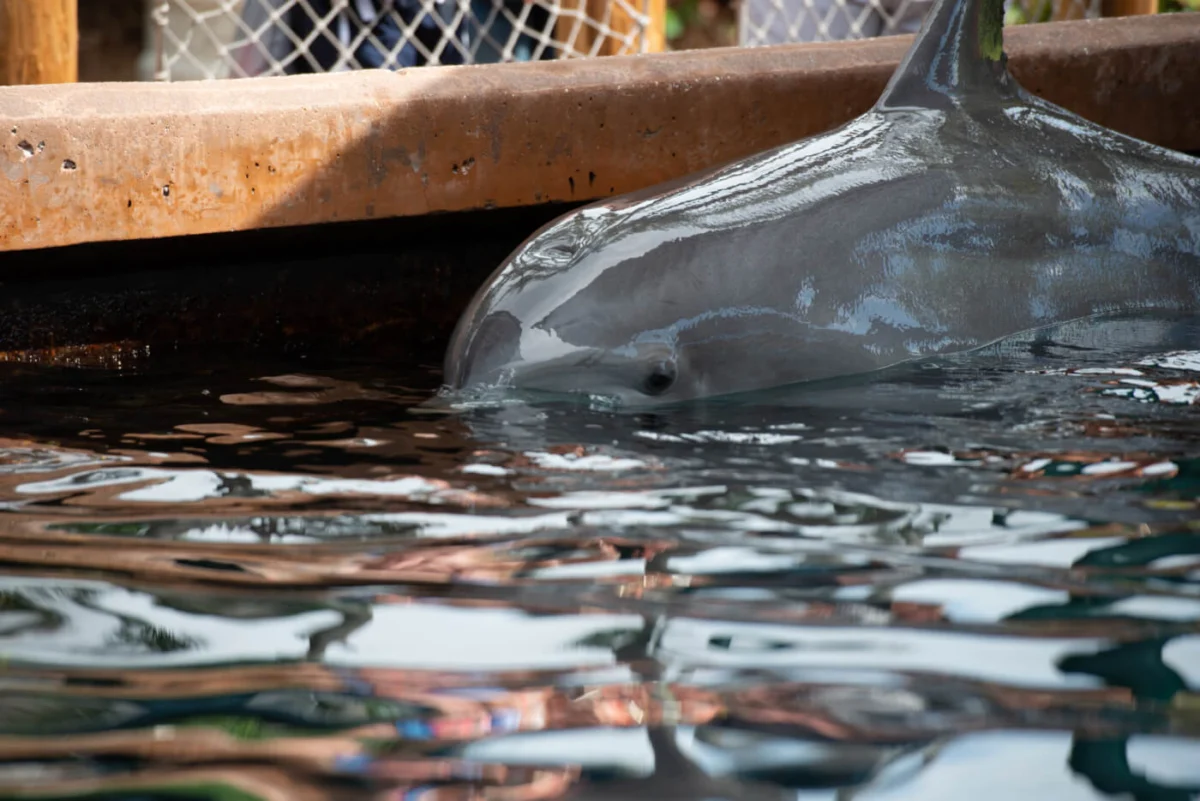
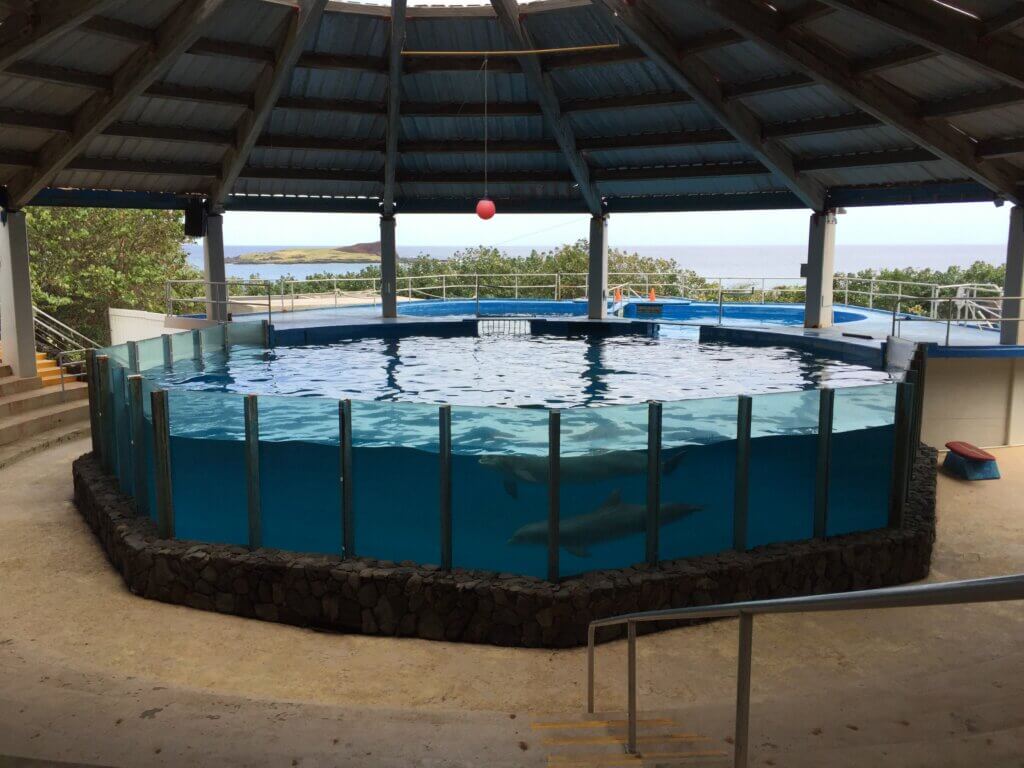
Conversely, dolphins held in facilities such as SeaWorld, Discovery Cove, and Sea Life Park are confined to concrete tanks or makeshift lagoons that represent a fraction of one percent of their natural range. In these environments, the use of echolocation—a biological sonar used for navigation and hunting—is often restricted or distorted as sound waves bounce off flat, concrete walls. This acoustic interference is frequently cited by experts as a source of chronic stress. Furthermore, captive dolphins are often forced into social groups that do not reflect natural pod dynamics, leading to territorial aggression and physical injuries that the animals cannot escape due to the lack of space.
Scientific Evidence and Mortality Rates in Captivity
A comprehensive review of cetacean welfare, published in the journal PeerJ, has highlighted the systemic failures of the marine park industry to provide adequate care for captive whales and dolphins. The study concluded that despite advancements in veterinary medicine, the inherent constraints of captivity—including restricted movement, lack of environmental stimulation, and forced social groupings—lead to immunosuppression and stress-related illnesses.
Data regarding mortality rates further complicates the industry’s narrative of high-quality care. Records show that hundreds of dolphins have died prematurely in marine parks from various ailments, including bacterial pneumonia, sepsis, and intestinal complications. For instance, at Dolphin Quest Hawaii, a calf died on its first day of life due to maternal rejection and aspiration pneumonia. In another instance at the Institute for Marine Mammal Studies (IMMS), a dolphin named Jag reportedly died from drowning, an occurrence that critics argue is symptomatic of the hazards present in artificial enclosures.
The Controversy of Captive Breeding Programs
While SeaWorld ended its orca-breeding program in 2016 following the cultural impact of the documentary Blackfish and subsequent legislative pressure, the breeding of smaller dolphin species continues unabated. Facilities like the Dolphin Research Center and Theater of the Sea maintain active breeding schedules to ensure a steady supply of animals for their attractions.
The methods used in these programs have come under fire from animal rights advocates. Reports indicate that artificial insemination is a standard practice in the industry. This process involves the manual collection of semen from males and the restraint of females for insemination via tubes. Critics argue that these procedures are invasive and traumatic, stripping the animals of their natural mating choices and reproductive autonomy. Furthermore, the calves born into these environments are destined for a life of performance, often being separated from their mothers at ages that would be considered premature in the wild.
A Chronology of the Cetacean Captivity Debate
The shift in public perception regarding dolphin captivity has been shaped by several key events over the last half-century:
- 1960s-1970s: The rise of marine parks like SeaWorld popularizes dolphin and orca shows as family entertainment.
- 1972: The United States passes the Marine Mammal Protection Act (MMPA), establishing a framework for the protection of cetaceans but allowing permits for public display.
- 2013: The release of the documentary Blackfish sparks a global conversation about the ethics of keeping large marine mammals in tanks, leading to the "Blackfish Effect"—a significant drop in attendance and stock prices for major marine parks.
- 2016: SeaWorld announces the end of its orca breeding program and a shift away from theatrical performances.
- 2019: Canada passes the "Free Willy" bill (Bill S-203), which bans the breeding, display, and trade of whales and dolphins for entertainment purposes.
- 2022-2024: Several countries, including France and India, move toward banning or highly restricting cetacean captivity, while the first seaside sanctuaries begin to accept former captive residents.
Public Safety and Zoonotic Risks in Interaction Programs
"Swim with the dolphins" programs are marketed as educational and therapeutic, yet they present significant risks to both humans and animals. Dolphins are powerful apex predators; when placed in stressful, high-interaction environments, they have been known to exhibit aggressive behavior toward tourists, resulting in bites and broken bones.
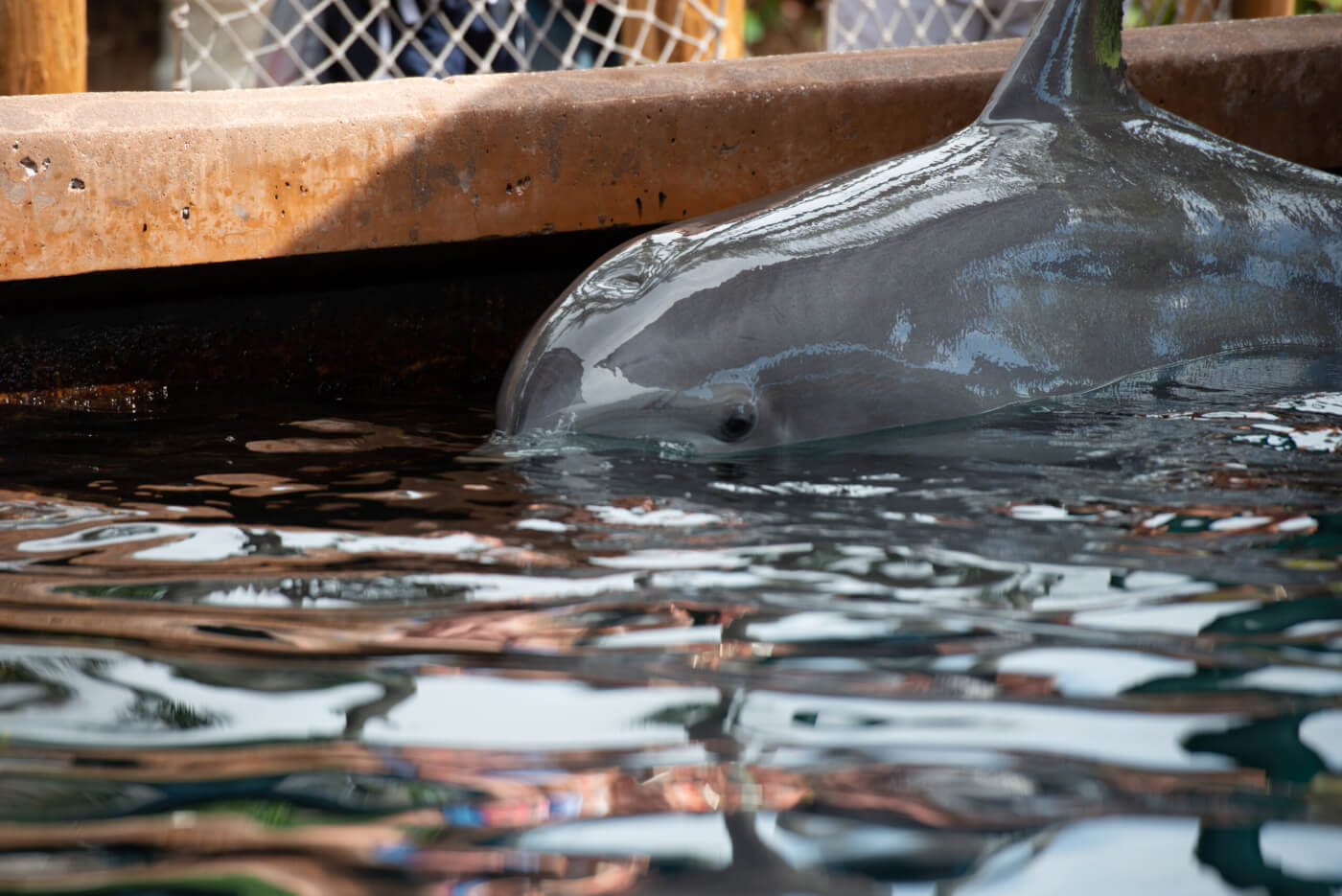
From a public health perspective, the proximity between humans and dolphins in these pools creates a pathway for zoonotic disease transmission. Research has identified several pathogens, including Salmonella, Vibrio, and various fungal infections, that can be passed between the species. Furthermore, the chemicals used to maintain water clarity in these tanks, such as high levels of chlorine, can cause skin and eye irritation for the dolphins, who are submerged in the treated water 24 hours a day.
Industry Response and the Argument for Education
In response to the growing criticism, the Alliance of Marine Mammal Parks and Aquariums (AMMPA) and individual facilities maintain that their operations are vital for conservation and education. They argue that seeing dolphins up close inspires the public to care about ocean conservation in ways that documentaries cannot. Additionally, the industry points to its contributions to marine research, claiming that captive animals allow scientists to study physiology and acoustics in controlled settings that would be impossible in the wild.
However, many marine biologists counter this by stating that data gathered from stressed, captive animals is often biologically inaccurate. Furthermore, surveys of visitors at marine parks have shown that while guests may enjoy the shows, there is little evidence of long-term behavioral changes or increased conservation contributions resulting from these visits.
The Transition to Seaside Sanctuaries
The emerging consensus among welfare experts is that the future of captive dolphins lies in seaside sanctuaries. Unlike concrete tanks, these sanctuaries are located in protected coastal bays or coves, allowing dolphins to experience natural ocean currents, tides, and marine life while still receiving human care and medical monitoring.
Significant progress is already being made in this area:
- The Bali Dolphin Sanctuary: Located in Indonesia, this facility has successfully rehabilitated and released formerly captive dolphins back into the wild.
- The Whale Sanctuary Project: Currently under development in Nova Scotia, this project aims to create a large-scale coastal habitat for orcas and belugas retired from marine parks.
- The Keltsebel Beluga Sanctuary: In Iceland, two belugas formerly held in a Chinese aquarium were relocated to a natural bay, marking a milestone in the "retirement" model for captive cetaceans.
Broader Impact and Global Implications
The movement to "empty the tanks" is part of a broader global trend toward recognizing the sentience of non-human animals. As the legal status of dolphins evolves—with some jurisdictions considering them "non-human persons"—the moral justification for using them as entertainment props continues to erode.
The economic impact on the tourism industry is also significant. Travel giants such as TripAdvisor and Virgin Holidays have stopped selling tickets to facilities that breed or import cetaceans for public display. This shift in the corporate travel sector is forcing marine parks to reconsider their business models, moving away from live animal shows and toward virtual reality experiences or educational exhibits that do not involve live animals.
The ultimate goal for advocates and scientists alike is a world where dolphins are no longer viewed as commodities. By supporting legislation that bans breeding and advocating for the creation of more seaside sanctuaries, the international community can ensure that the current generation of captive dolphins is the last. The transition from "abusement" parks to true sanctuaries represents the next step in our evolving relationship with the natural world, prioritizing the dignity and welfare of these intelligent marine residents over human entertainment.
