

The global debate surrounding the ethics of cetacean captivity has intensified as marine biologists, animal welfare advocates, and the general public scrutinize the conditions of dolphins held in marine parks, resorts, and aquariums. While these facilities often market themselves as centers for education and conservation, a growing body of scientific evidence suggests that the confinement of highly intelligent, social, and wide-ranging marine mammals leads to systemic physical and psychological suffering. From the vast expanses of the open ocean to the restricted confines of concrete tanks, the disparity in the quality of life for these animals has sparked a worldwide movement to end captive breeding and transition to seaside sanctuaries.
The Biological Reality: Ocean Life vs. Captivity
In their natural habitats, dolphins are known to be among the most mobile and socially complex species on Earth. Bottlenose dolphins, the species most commonly found in captivity, can travel up to 60 miles in a single day and dive to depths of several hundred feet. Their lives are defined by the "pod," a sophisticated social structure where individuals engage in cooperative hunting, complex communication, and lifelong familial bonds.
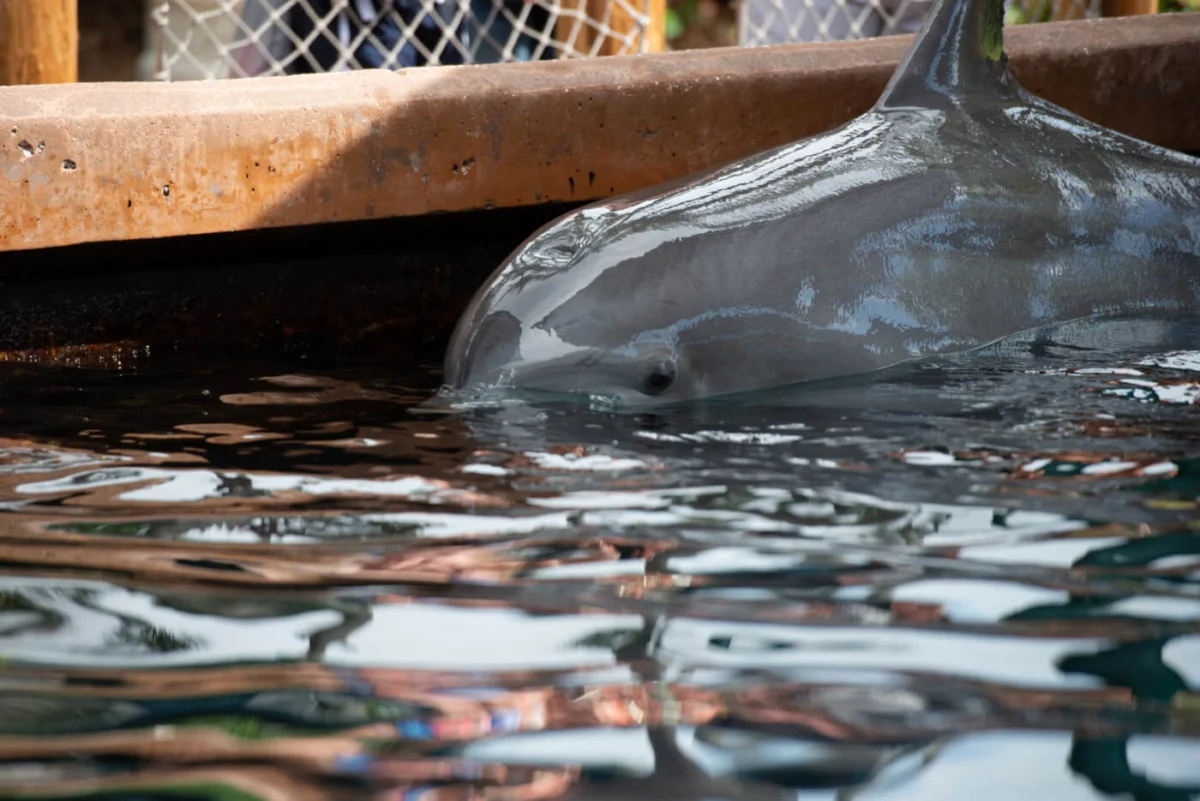
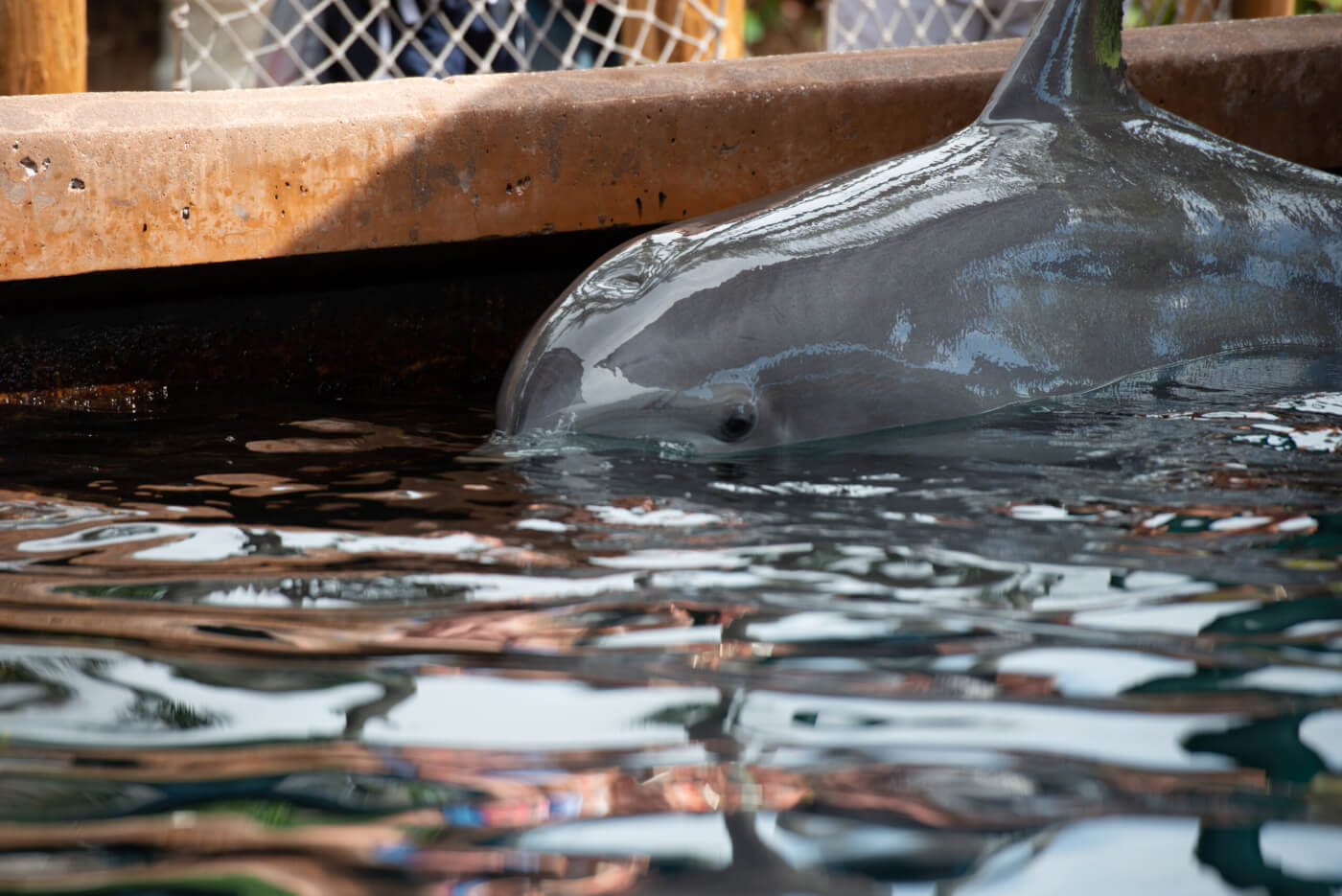
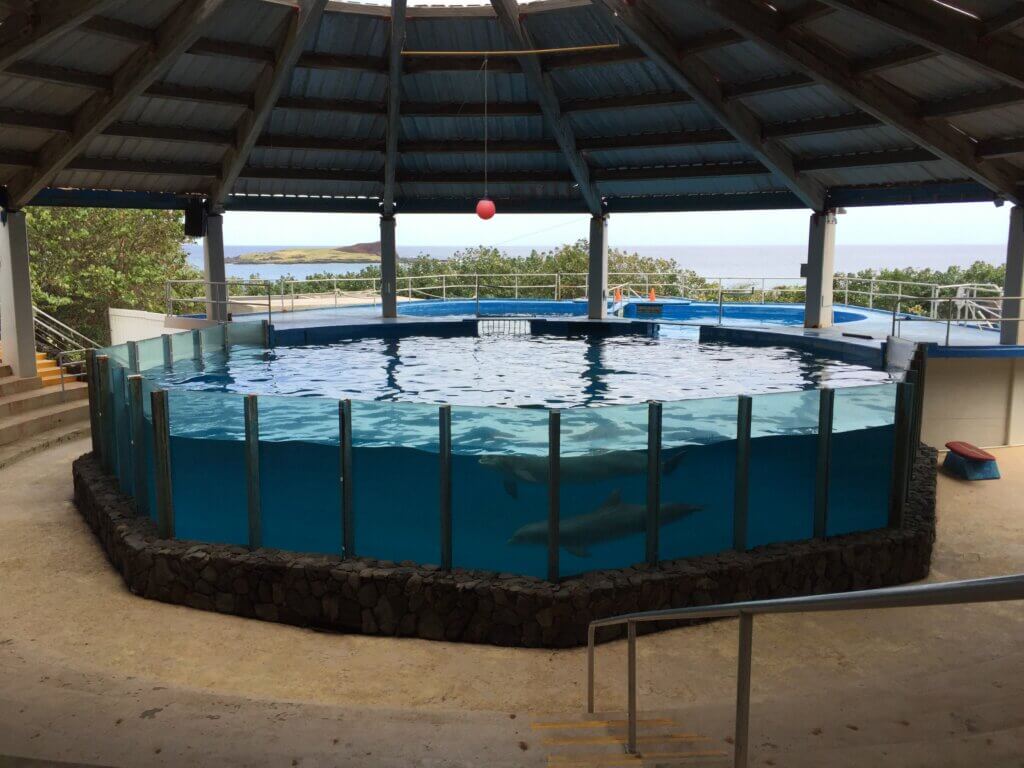
In contrast, dolphins in captive environments—such as those found at SeaWorld, Discovery Cove, and Sea Life Park—are restricted to tanks that represent a mere fraction of one percent of their natural home range. Scientific reviews, including a comprehensive study recently published in the journal PeerJ, highlight that these "makeshift lagoons" and concrete pools fail to meet the basic biological needs of cetaceans. The lack of space prevents natural swimming patterns, leading many dolphins to swim in repetitive circles, a behavior associated with psychological distress known as "zoochosis."
Furthermore, the acoustic environment of a tank is profoundly different from the ocean. Dolphins navigate and perceive their world through echolocation. In a concrete tank, the sonar pulses emitted by dolphins bounce off the flat walls, creating an acoustic feedback loop that many experts compare to living in a room of mirrors. This sensory deprivation and distortion contribute to chronic stress and frustration.
A History of Cetacean Captivity and the Shift in Public Perception
The history of dolphin captivity for entertainment dates back several decades, marked by a trajectory from scientific curiosity to a multi-billion-dollar global industry, and finally to a period of intense legal and ethical reckoning.
- 1938: The opening of Marine Studios in Florida marked the birth of the modern marine park industry, demonstrating the commercial potential of performing dolphins.
- 1964: SeaWorld opened its first park in San Diego, popularizing orca and dolphin shows as mainstream family entertainment.
- 1972: The United States passed the Marine Mammal Protection Act (MMPA), which began to regulate the capture of wild dolphins in U.S. waters, though it did not ban captivity.
- 2013: The release of the documentary Blackfish catalyzed a massive shift in public perception. While the film focused on orcas, it brought global attention to the psychological toll of captivity on all cetaceans.
- 2016: Following years of declining attendance and stock prices, SeaWorld announced the end of its orca breeding program, though it continued to breed other dolphin species.
- 2019: Canada passed Bill S-203, effectively banning the captivity and breeding of whales, dolphins, and porpoises for entertainment purposes across the country.
This timeline illustrates a clear trend: as scientific understanding of dolphin cognition has advanced, public and legislative tolerance for their exploitation has decreased.
The Hidden Costs of Captivity: Health and Mortality
The physical toll of life in a tank is often obscured by the "smiling" appearance of a dolphin’s anatomy. However, mortality records from facilities worldwide paint a grimmer picture. Hundreds of dolphins have died prematurely in captivity from causes rarely seen in the wild in such high frequencies.
Common causes of death include bacterial pneumonia, sepsis, and gastrointestinal issues like intestinal torsions. For example, records from Dolphin Quest Hawaii and the Institute for Marine Mammal Studies (IMMS) show instances of neonatal death and accidental drownings. Stress is a major contributor to a suppressed immune system in captive dolphins, making them more susceptible to infections.
Furthermore, the social dynamics in captivity are often artificial and volatile. In the wild, a dolphin can swim away from a conflict. In a tank, subordinate animals have no means of escape from aggressive tankmates. This forced proximity often results in "raking"—painful scratches caused by the teeth of other dolphins—and chronic social anxiety.
The Controversy of Forced Breeding Programs
One of the most contentious aspects of the marine park industry is the continuation of captive breeding programs. While some facilities argue that breeding is necessary for "species survival," critics point out that the vast majority of dolphins bred in captivity are used for entertainment, not for reintroduction into the wild.
The methods used in these programs have come under fire for being invasive and traumatic. In many instances, dolphins are subjected to artificial insemination. This involves the manual collection of semen from males and the restraint of females, who may be drugged to prevent resistance during the insertion of insemination tubes. Advocates for animal rights argue that these procedures are a violation of the animals’ bodily autonomy and stand in stark contrast to the natural, choice-based mating behaviors observed in the wild.
While SeaWorld ended its orca breeding program in 2016, it and other major players like Discovery Cove and the Dolphin Research Center continue to breed smaller dolphin species. This ensures a constant supply of "performers" for shows and "swim-with" programs, perpetuating the cycle of captivity for future generations.
Public Safety and Zoonotic Risks in Interactive Programs
"Swim with the Dolphins" (SWTD) programs are a major revenue driver for resorts and marine parks, yet they present significant risks to both humans and animals. From a safety perspective, dolphins are powerful apex predators. Frustration or confusion during these interactions has led to incidents where dolphins have bitten or rammed tourists.
Beyond physical injury, there is the risk of zoonotic disease transmission. Research has shown that dolphins can carry pathogens such as Salmonella, Vibrio, and various fungal infections that can be passed to humans through direct contact or respiratory droplets. Conversely, humans can also pass illnesses to dolphins, whose immune systems may already be compromised by the stress of their environment.
The Global Movement Toward Seaside Sanctuaries
As the "tank-based" model of dolphin display faces increasing criticism, the focus has shifted toward the creation of seaside sanctuaries. These are large, netted-off areas of natural coastal waters where formerly captive dolphins can live out their lives in a more natural environment.
- The Bali Dolphin Sanctuary: In Indonesia, dolphins formerly used in traveling circuses have been rehabilitated and, in some cases, successfully released back into the wild.
- The Beluga Whale Sanctuary: Located in Iceland, this facility successfully relocated two beluga whales from a concrete tank in China to a massive open-water sanctuary.
- The Whale Sanctuary Project: Currently under development in Nova Scotia, Canada, this project aims to provide a gold-standard home for retired orcas and belugas.
These sanctuaries offer a "middle ground" for animals that may be too institutionalized to survive entirely on their own in the wild but deserve a life free from performance schedules and concrete walls. In a sanctuary, dolphins can feel the ocean currents, hunt for natural prey, and engage in social behaviors on their own terms, while still receiving necessary veterinary care and supplemental feeding.
Analysis of Implications and the Path Forward
The transition away from dolphin captivity has profound implications for the tourism and entertainment industries. For decades, marine parks have relied on the "educational" defense to justify their operations. However, modern educational tools—such as high-definition documentaries, virtual reality, and responsible wild-watching tours—provide more accurate and ethical ways to learn about marine life.
Economically, the "Blackfish effect" demonstrated that the public is willing to vote with its wallet. The decline in SeaWorld’s market value following the documentary’s release forced the company to pivot its brand toward thrill rides and away from animal-centric shows.
Legislatively, the tide is turning. Countries like France, India, and Costa Rica have implemented various bans on cetacean captivity or performances. In the United States, the proposed "SWIMS Act" (Strengthening Welfare in Marine Mammal Spirit) aims to end the breeding and importation of certain cetaceans.
The evidence is increasingly clear: the era of keeping dolphins in tiny tanks for human amusement is reaching its end. The scientific community and the public are converging on a single conclusion: true conservation and education do not require confinement. The future of human-dolphin interaction lies not in the "abusement" of these animals in concrete pools, but in the protection of their natural ocean homes and the establishment of sanctuaries that respect their complex nature. To help, the public is urged to boycott facilities that continue to breed and exploit dolphins and to support legislation that facilitates the transfer of these animals to seaside refuges.
