


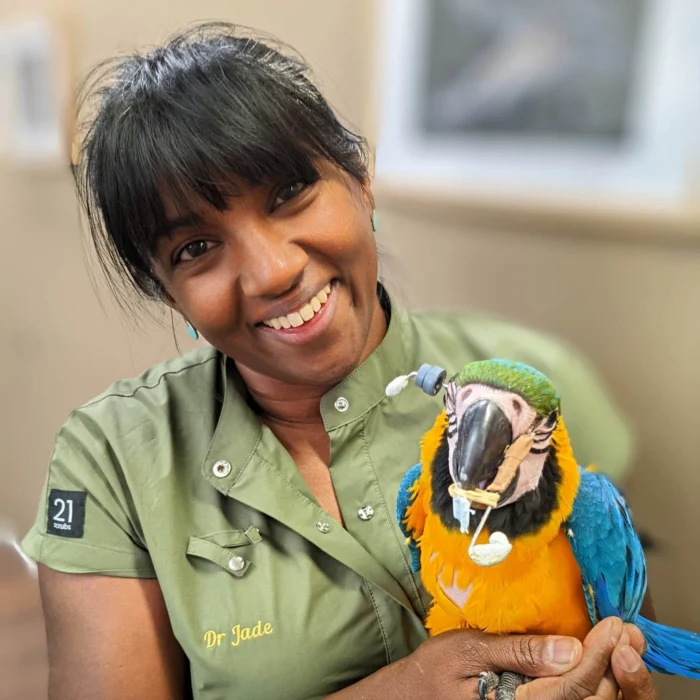
Dr. Jade Kingsley stands at the forefront of a specialized movement within the veterinary profession, focusing on the intricate needs of exotic animals and native wildlife. As a consultant in primary accession and referral exotic animal medicine, her career reflects a broader shift in the veterinary landscape—one where the care of non-traditional pets and the preservation of biodiversity are increasingly prioritized. Graduating from the University of Sydney in 2012, Dr. Kingsley has spent over a decade refining a skillset that bridges the gap between domestic pet care and high-level zoological medicine. Her journey through international internships, emergency medicine, and rigorous specialist certification highlights the growing demand for expert practitioners in fields that were once considered niche but are now essential to the modern veterinary ecosystem.
The Path to Specialization and Academic Foundations
The trajectory of Dr. Kingsley’s career began with a diverse academic foundation, holding BA/BSc and BVSc degrees, followed by a Postgraduate Diploma. Her graduation from the University of Sydney in 2012 marked the beginning of a deliberate pursuit of zoological and wildlife expertise. During her training, she sought out multiple international institutions to complete internships, a move that is increasingly necessary for veterinarians aiming to master the complexities of exotic species. Unlike domestic canine and feline medicine, which benefits from centuries of concentrated research, exotic and wildlife medicine requires an understanding of hundreds of different species, each with unique physiological, anatomical, and pharmacological requirements.
Following her graduation, Dr. Kingsley entered the high-pressure environment of emergency and wildlife hospitals across Australia. This period was critical in establishing her clinical diagnostic skills. Emergency medicine for wildlife often involves treating "presentation of the unknown," where the patient’s history is non-existent and the species may be rare or endangered. This experience provided the groundwork for her later transition into dedicated exotic practice, where the stakes involve not only the health of individual pets but often the conservation of species.
Achieving MANZCVS Certification in Avian Health
A defining milestone in Dr. Kingsley’s professional timeline occurred in 2018, when she attained Membership of the Australian and New Zealand College of Veterinary Scientists (MANZCVS) in Avian Health. This certification is a significant benchmark in the Australasian veterinary community. To achieve this, a veterinarian must demonstrate a high level of competence and experience in their chosen field, passing rigorous examinations that test both theoretical knowledge and clinical application.
The MANZCVS Avian Health chapter is dedicated to the advancement of veterinary knowledge regarding caged, aviary, and wild birds. For Dr. Kingsley, this certification solidified her position as a specialist capable of handling the unique challenges of avian physiology. Birds are notoriously difficult to treat due to their "masking phenomenon," a survival instinct where they hide signs of illness until a disease is advanced. Specialization in this area allows practitioners like Dr. Kingsley to identify subtle clinical signs and implement life-saving interventions that a general practitioner might overlook.
Clinical Focus: Exotic Animal Practice and Sydney Exotics
Following her certification, Dr. Kingsley transitioned into exclusive exotic animal practice, notably working at Sydney Exotics and Rabbit Vets. This facility is recognized for its focus on "pocket pets" and non-traditional species, including rabbits, rodents, reptiles, and birds. The shift toward exclusive exotic practice mirrors a change in pet ownership data in Australia. According to recent industry reports, while dogs and cats remains the most popular pets, approximately 15% to 20% of Australian households now own birds, fish, or reptiles.
Rabbits, in particular, have become a staple of the exotic veterinary clinic. As the third most popular mammal pet in many urban areas, their medical needs—ranging from dental disease to complex gastrointestinal stasis—require specialized knowledge of hindgut fermentation and sensitive anesthesia protocols. Dr. Kingsley’s work in this environment involves not only surgical and medical intervention but also significant client education, as many exotic animal illnesses are rooted in improper husbandry and environment.
Advancing Nutrition and Palliative Care Medicine
Within her clinical practice, Dr. Kingsley has developed a strong interest in two burgeoning areas of veterinary science: nutrition and palliative care. In the realm of exotic animals, nutrition is the cornerstone of preventative medicine. A vast majority of health issues seen in reptiles and birds, such as metabolic bone disease or hypovitaminosis, are directly linked to dietary deficiencies. Dr. Kingsley’s focus on nutrition involves creating species-specific dietary plans that mimic natural foraging behaviors and nutrient profiles, which is essential for the long-term health of captive exotics.
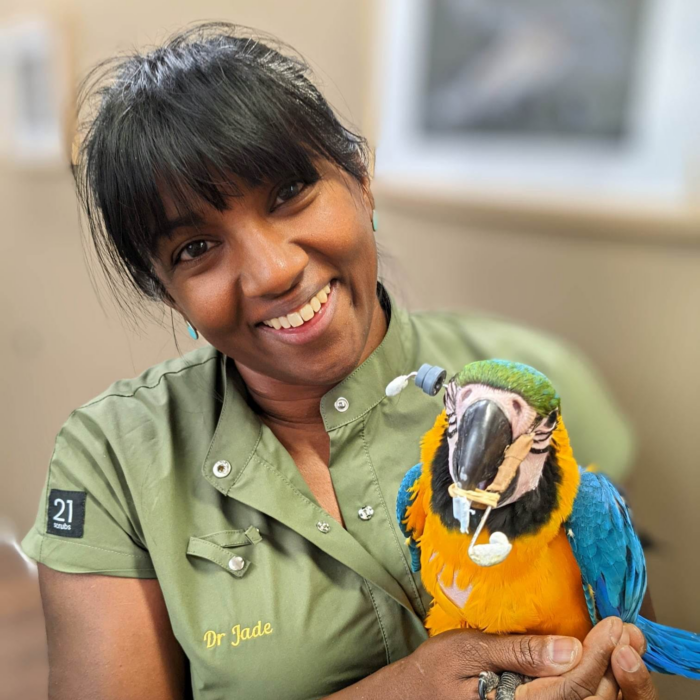
Perhaps more innovative is her dedication to palliative care for exotic species. As veterinary medicine advances, exotic pets are living longer, leading to an increase in age-related chronic conditions such as osteoarthritis and neoplasia. Palliative care in these species is complex, as pain management must be tailored to animals with vastly different metabolic rates. Dr. Kingsley’s work in this area emphasizes quality of life, using multimodal analgesia and environmental modifications to ensure that senior exotic pets can live comfortably. This compassionate approach marks a shift in the industry toward treating exotic pets with the same level of geriatric care traditionally reserved for dogs and cats.
International Collaboration and Wildlife Conservation
Beyond the walls of the clinic, Dr. Kingsley continues to collaborate with wildlife organizations both in Australia and internationally. This aspect of her work is particularly vital given the environmental challenges facing Australian fauna. The 2019-2020 bushfire season, for example, highlighted the desperate need for veterinarians with wildlife expertise to manage mass casualty events and long-term rehabilitation.
Wildlife veterinarians like Dr. Kingsley play a crucial role in "One Health" initiatives—a framework that recognizes the interconnectedness of human, animal, and environmental health. By monitoring wildlife diseases and collaborating with international conservation groups, she contributes to the global database of knowledge regarding emerging infectious diseases. Her work with international organizations also allows for the exchange of medical protocols, ensuring that Australian wildlife medicine benefits from global best practices.
Chronology of Key Professional Milestones
To understand the impact of Dr. Kingsley’s work, it is helpful to view her career through a chronological lens of professional development:
- 2012: Graduated from the University of Sydney with a Bachelor of Veterinary Science (BVSc).
- 2012–2017: Completed multiple international internships in zoological and wildlife medicine; worked in emergency and wildlife hospitals across various Australian states.
- 2018: Formally attained Membership of the Australian and New Zealand College of Veterinary Scientists (MANZCVS) in Avian Health.
- 2018–Present: Focused exclusively on exotic animal practice, consulting on primary and referral cases.
- Current: Active contributor to veterinary education and international wildlife conservation projects, with a focus on nutrition and palliative medicine.
Broader Implications for the Veterinary Industry
The career of Dr. Jade Kingsley is indicative of a broader trend toward hyper-specialization in veterinary medicine. As the public’s perception of exotic pets evolves from "disposable" animals to valued family members, the demand for specialized care continues to rise. This has several implications for the industry:
- Educational Shift: Veterinary universities are under increasing pressure to expand their exotic and wildlife curricula, which have historically been overshadowed by livestock and domestic pet medicine.
- Technological Advancement: The need to treat smaller and more delicate species has driven innovation in diagnostic imaging and surgical tools, such as micro-laparoscopy and specialized anesthesia monitors.
- Conservation Synergy: The skills developed in exotic pet clinics—such as avian surgery or reptile medicine—are directly transferable to the conservation of endangered wild species.
Industry experts suggest that the role of the exotic veterinarian will only become more prominent as urban sprawl increases human-wildlife conflict and as the legal trade of exotic species becomes more strictly regulated. Practitioners like Dr. Kingsley, who balance clinical excellence with a commitment to wildlife health, are essential to navigating these future challenges.
Conclusion and Future Outlook
Dr. Jade Kingsley’s contributions to avian and exotic medicine represent a commitment to the highest standards of veterinary care for species that are often underserved. Her expertise in nutrition and palliative care, combined with her specialist certification in avian health, provides a holistic approach to animal welfare. By bridging the gap between private practice and wildlife conservation, she serves as a vital link in the effort to protect and care for Australia’s unique biological heritage.
As she continues to consult and collaborate internationally, the veterinary community looks to leaders like Dr. Kingsley to set the protocols for the next generation of exotic animal specialists. Her work ensures that whether a patient is a beloved household parrot or a rescued native reptile, they receive medical care informed by the latest scientific research and a deep understanding of their unique biological needs.
