

The initiative serves as a cornerstone for the AFA’s mission to provide education on every aspect of the avian world, from the microscopic details of avian microbiology to the macro-level challenges of global conservation laws. By offering standardized training, the AFA aims to reduce the incidence of preventable illnesses in captive bird populations while simultaneously empowering breeders to contribute effectively to the survival of endangered species through informed husbandry.

The Evolution of Avicultural Education and the Role of the AFA
Since its inception in 1974, the American Federation of Aviculture has functioned as a non-profit organization dedicated to the promotion of aviculture and the conservation of bird wildlife. The development of their current educational suite marks a significant milestone in the organization’s history, reflecting a move away from anecdotal husbandry toward evidence-based practices. This transition was necessitated by the increasing complexity of international trade regulations, such as the Convention on International Trade in Endangered Species (CITES), and a growing understanding of the unique physiological needs of various bird species.
The chronology of these programs reveals a strategic partnership between the private sector, non-profit advocacy groups, and elite academic institutions. The "Fundamentals of Aviculture" (FOA) series, for instance, was made possible through a grant from the Pet Care Trust and significant funding and research support from the Schubot Exotic Bird Health Center at Texas A&M University’s College of Veterinary Medicine. This collaboration ensures that the curriculum is not only practical for the everyday aviculturist but also academically rigorous and aligned with the latest veterinary insights.

Fundamentals of Aviculture Level I: Establishing the Scientific Baseline
The "Fundamentals of Aviculture Level I" serves as the introductory gateway for individuals entering the field. This online course is structured into nine comprehensive chapters, providing a foundational understanding of what the AFA describes as the "emerging science of aviculture." The curriculum begins with the basics of avian anatomy and physiology, which is essential for identifying early signs of distress or illness—a critical skill given that birds naturally mask symptoms of disease as a survival mechanism.
Beyond biological basics, Level I delves into the behavioral psychology of birds, addressing the social and cognitive needs of highly intelligent species such as parrots and corvids. The course also provides a vital overview of the legal landscape, teaching students about the various laws and regulations that govern the possession, transport, and breeding of birds. This includes domestic statutes and international treaties, ensuring that aviculturists operate within the bounds of legal and ethical frameworks. The final modules of Level I focus on the practicalities of housing and preventative medicine, establishing a standard of care that prioritizes the long-term health and safety of birds in human environments.

Fundamentals of Aviculture Level II: Advanced Husbandry and Technical Expertise
For those seeking to specialize further, the "Fundamentals of Aviculture Level II" offers an intermediate-to-advanced curriculum. Admission to this level is strictly contingent upon the successful completion of Level I, ensuring that all participants possess a uniform baseline of knowledge. Level II is an intensive 15-chapter program that shifts the focus toward the technical aspects of breeding and specialized care.
The course content includes:
- Genetics and Breeding: In-depth studies of basic avian genetics, the science of color mutations, and the ethical considerations surrounding hybrids.
- Reproductive Science: Detailed exploration of courtship, nesting behaviors, breeding stimuli, and the technical requirements for successful artificial incubation.
- Clinical Skills: Introduction to basic microbiology, first-aid procedures for avian emergencies, and the identification of common avian illnesses.
- Specialized Care: Modules on hand-rearing neonates, which is one of the most delicate phases of aviculture, and studies on non-parrot species, broadening the scope of the learner’s expertise.
- Enrichment and Conservation: Focus on avian enrichment to improve psychological well-being and a study of the role of aviculture in global research and conservation efforts.
The AFA offers this level at a subsidized rate of $75 for members, a move designed to encourage ongoing professional development within the community. For non-members, the enrollment process often includes a one-year membership, further integrating new students into the AFA’s broader network of experts and resources.
The Avian Biology Classroom: A Resource for Public Outreach
While the "Fundamentals of Aviculture" courses are geared toward serious practitioners, the AFA’s "Avian Biology Classroom" (ABC) is designed for a broader audience. This program is a modular educational tool available to bird clubs, schools, and independent teachers. By providing downloadable presentations in both PowerPoint and PDF formats, the AFA facilitates the dissemination of avian science to the general public and the next generation of scientists.
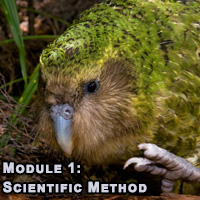
The ABC is divided into five core modules, each addressing a fundamental pillar of biological science through the lens of ornithology:
- Module 1: Scientific Method: Teaching students how to apply empirical observation and experimentation to the study of birds.
- Module 2: Characteristics of Life: Exploring what defines avian life, from metabolic processes to cellular structure.
- Module 3: Populations: Analyzing how bird populations interact with their environments and the factors that lead to population growth or decline.
- Module 4: Mendelian Genetics: Using birds as a primary example to explain the laws of inheritance, dominant and recessive traits, and genetic diversity.
- Module 5: Ecological Terminology: Providing the vocabulary and conceptual framework necessary to understand birds within their broader ecosystems.
This modular approach allows educators to pick and choose the topics most relevant to their specific curriculum, making the ABC a versatile tool for STEM (Science, Technology, Engineering, and Mathematics) education.
Supporting Data and Academic Implications
The involvement of the Schubot Exotic Bird Health Center at Texas A&M University provides these programs with a level of prestige rarely seen in hobbyist organizations. As one of the world’s leading facilities for the study of exotic bird health, the Schubot Center’s contribution ensures that the AFA’s educational tools are grounded in peer-reviewed science. This is particularly important in the context of zoonotic diseases—illnesses that can jump from birds to humans—such as Psittacosis or Avian Influenza. Education on microbiology and preventative care directly impacts public health outcomes by teaching bird owners how to maintain sanitary environments.
Furthermore, data from conservation groups suggest that the primary cause of failure in captive breeding programs for endangered species is a lack of technical knowledge regarding incubation and neonatal care. By standardizing these instructions in FOA Level II, the AFA is effectively creating a "civilian conservation corps" of highly trained individuals capable of supporting official species survival plans (SSPs).
Official Responses and Industry Impact
Industry experts have noted that the AFA’s educational shift is a response to the "information overload" of the internet age, where conflicting and often dangerous advice regarding bird care is prevalent. By providing a centralized, vetted source of truth, the AFA is seen as a stabilizing force in the avian community.
Veterinarians specializing in avian medicine have expressed support for these programs, noting that an educated client is better equipped to follow complex medical protocols and provide accurate histories during consultations. Inferred reactions from the broader zoological community suggest that the AFA’s modules are increasingly viewed as a prerequisite for anyone looking to work professionally in bird sanctuaries or specialized aviaries.
Broader Impact and Future Implications
The long-term implications of the AFA’s educational tools extend far beyond individual bird health. In an era of rapid climate change and habitat loss, the role of "ex-situ" conservation—maintaining healthy populations of animals outside of their natural habitats—has become vital. The AFA’s focus on genetics and population dynamics prepares aviculturists to manage captive populations with the genetic diversity required for potential future reintroduction into the wild.
Moreover, by making these tools accessible online, the AFA is democratizing avian science. Enthusiasts in regions with limited access to specialized veterinary care can now obtain a high-level education that was previously restricted to those in academic or professional zoological circles. This global reach is essential for the protection of migratory species that cross international borders and require a unified, global standard of protection and understanding.
As the AFA continues to update its modules to reflect new genomic research and evolving conservation strategies, these educational tools will remain a living resource. They represent a successful model of how a non-profit organization can leverage academic partnerships and digital technology to elevate an entire field of study, ensuring that the "science of aviculture" continues to evolve in tandem with the needs of the avian species it seeks to protect.
