


The American Federation of Aviculture (AFA), a non-profit organization dedicated to the conservation of avian species and the promotion of excellence in bird care, has expanded its suite of educational tools designed to bridge the gap between casual bird ownership and professional avicultural science. At the heart of this initiative are two primary pillars: the Fundamentals of Aviculture (FOA) online certificate courses and the Avian Biology Classroom (ABC), a modular program aimed at educators and community leaders. These programs represent a concerted effort by the AFA to standardize the knowledge base of bird keepers, breeders, and conservationists globally, ensuring that the complex biological and psychological needs of birds are met through evidence-based practices.

The Evolution of Standardized Avian Education
The field of aviculture—the practice of keeping and breeding birds—has undergone a significant transformation over the last five decades. What was once a hobby governed by anecdotal evidence and "trial and error" has evolved into a sophisticated discipline that incorporates elements of veterinary medicine, behavioral psychology, and conservation biology. Recognizing the need for a structured curriculum, the AFA developed the Fundamentals of Aviculture program. This initiative was made possible through a strategic partnership with the Pet Care Trust and received significant technical and financial backing from the Schubot Exotic Bird Health Center at the College of Veterinary Medicine, Texas A&M University.
The collaboration with Texas A&M is particularly noteworthy, as it lends academic rigor to the curriculum. The Schubot Center is one of the world’s leading institutions for the study of exotic bird health, and its involvement ensures that the information provided to AFA students is consistent with current scientific research. This academic foundation is critical at a time when avian species face unprecedented threats in the wild and when captive populations require specialized care to maintain genetic diversity and physical health.

Fundamentals of Aviculture Level I: Establishing the Core
The Level I course serves as an introductory yet comprehensive foundation for the emerging science of aviculture. Structured across nine detailed chapters, the course is designed to be accessible to beginners while providing enough depth to challenge experienced keepers. The curriculum begins with the basics of avian anatomy and physiology, providing students with the biological context necessary to understand how birds function differently from mammals. This includes a look at the unique avian respiratory system and digestive tract, which are often the first systems affected by poor husbandry.
Beyond biology, Level I delves into the legalities of bird ownership. In an era of complex international treaties like CITES (the Convention on International Trade in Endangered Species of Wild Fauna and Flora) and domestic regulations such as the Wild Bird Conservation Act, understanding the legal framework is essential for any responsible aviculturist. The course also emphasizes preventative medicine, teaching students how to design housing that minimizes stress and how to recognize early signs of illness—a skill that is often life-saving, given that birds instinctively mask symptoms of disease until they are critically ill.

Fundamentals of Aviculture Level II: Advanced Management and Genetics
For those seeking to move beyond basic husbandry into the realms of breeding and conservation management, the AFA offers the Level II Intermediate Aviculture Course. This level is significantly more intensive, consisting of 15 chapters that explore the intricacies of avian reproduction and specialized care. Admission to Level II is strictly contingent upon the successful completion of Level I, ensuring that all students possess a uniform baseline of knowledge.
The Level II curriculum covers advanced topics such as basic avian genetics and color mutations. Understanding genetics is paramount for breeders who aim to maintain healthy captive populations without the risks associated with inbreeding. The course also tackles the controversial and complex subject of hybrids, providing a factual basis for understanding their role—or lack thereof—in conservation. Other critical modules include basic microbiology and first aid, which empower keepers to provide immediate care during emergencies and understand the pathogens that can devastate a flock.
A significant portion of Level II is dedicated to the "art" of aviculture, including hand-rearing techniques, incubation parameters, and breeding stimuli. By teaching these skills through a scientific lens, the AFA helps ensure that captive breeding efforts are both humane and successful, contributing to the long-term sustainability of species that may be dwindling in their natural habitats.
The Avian Biology Classroom: Community Outreach and Youth Education
While the FOA courses are geared toward individual certification, the Avian Biology Classroom (ABC) is designed for broader dissemination. The ABC is a free resource available to bird clubs, school teachers, and youth group leaders. It aims to foster a fascination with avian science in the next generation and among the general public. The program is divided into five distinct modules, each focusing on a core scientific concept through the lens of ornithology.
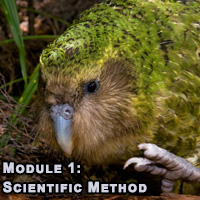
- Module 1: The Scientific Method: This module teaches students how to observe avian behavior and health through an objective, analytical framework.
- Module 2: Characteristics of Life: This section explores what defines a bird as a living organism, focusing on metabolism, growth, and response to stimuli.
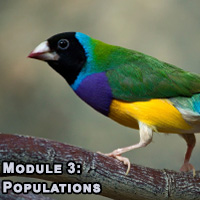
- Module 3: Populations: Students learn about the dynamics of bird populations in the wild, including migration patterns and the impact of environmental changes.
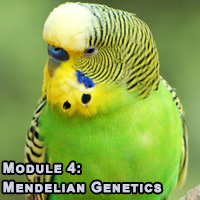
- Module 4: Mendelian Genetics: Using birds as primary examples, this module explains how traits are passed down through generations, making abstract genetic concepts tangible.
- Module 5: Ecological Terminology: This final module introduces students to the role birds play within their ecosystems, emphasizing the importance of biodiversity.
By providing these materials in PowerPoint and PDF formats, the AFA ensures that high-quality educational content is accessible regardless of a group’s budget or location. This "open-source" approach to education reflects the AFA’s mission to be a primary advocate for birds through the empowerment of their caretakers.
Supporting Data and Industry Implications
The importance of these educational tools is underscored by the scale of bird ownership in the United States and abroad. According to the American Pet Products Association (APPA), millions of households own birds, making them the fourth most popular pet category. However, avian veterinarians frequently report that the majority of health issues seen in clinical practice are the result of "husbandry-related" errors—essentially, a lack of owner education regarding diet, environment, and social needs.

The AFA’s educational programs directly address this gap. By professionalizing the role of the bird keeper, the AFA aims to reduce the number of birds surrendered to rescues and improve the overall welfare of captive populations. Furthermore, as wild bird populations face threats from habitat loss and climate change, the role of private aviculturists in maintaining "insurance populations" becomes increasingly vital. Standardized education ensures that these private efforts are conducted with the highest scientific standards.
Chronology of AFA’s Educational Growth
The AFA was founded in 1974, primarily as a response to legislative threats against bird ownership. However, the organization quickly realized that advocacy without education was insufficient. In the late 1990s and early 2000s, the AFA began formalizing its educational outreach, leading to the launch of the first Fundamentals of Aviculture course. The transition to an online campus format allowed the AFA to reach an international audience, breaking down geographical barriers that had previously limited the spread of avicultural knowledge. The introduction of Level II and the ABC modules represents the latest phase in this evolution, moving toward a multi-tiered educational ecosystem that serves everyone from elementary school students to professional zoo curators.
Analysis of Broader Impact
The implications of the AFA’s educational initiatives extend beyond the individual bird and owner. In the broader context of "One Health"—the concept that human, animal, and environmental health are intrinsically linked—proper aviculture plays a defensive role. Educated bird keepers are better equipped to maintain biosecurity, preventing the spread of zoonotic diseases and protecting both domestic poultry industries and wild bird populations from pathogens.
Moreover, the AFA’s emphasis on conservation and research in its Level II course aligns private aviculture with global biodiversity goals. By training individuals to document their breeding results and share data, the AFA is helping to create a global network of "citizen scientists." This data is invaluable for researchers studying avian longevity, reproductive cycles, and nutritional requirements.
As the American Federation of Aviculture continues to update its modules and expand its reach, the organization solidifies its position as a leader in avian welfare. Through the Fundamentals of Aviculture and the Avian Biology Classroom, the AFA is not just teaching people how to keep birds; it is cultivating a global community of informed stewards dedicated to the survival and flourishing of the avian world. The continued support from institutions like Texas A&M and the Pet Care Trust ensures that these tools will remain at the cutting edge of science, providing a roadmap for the future of responsible aviculture.
