

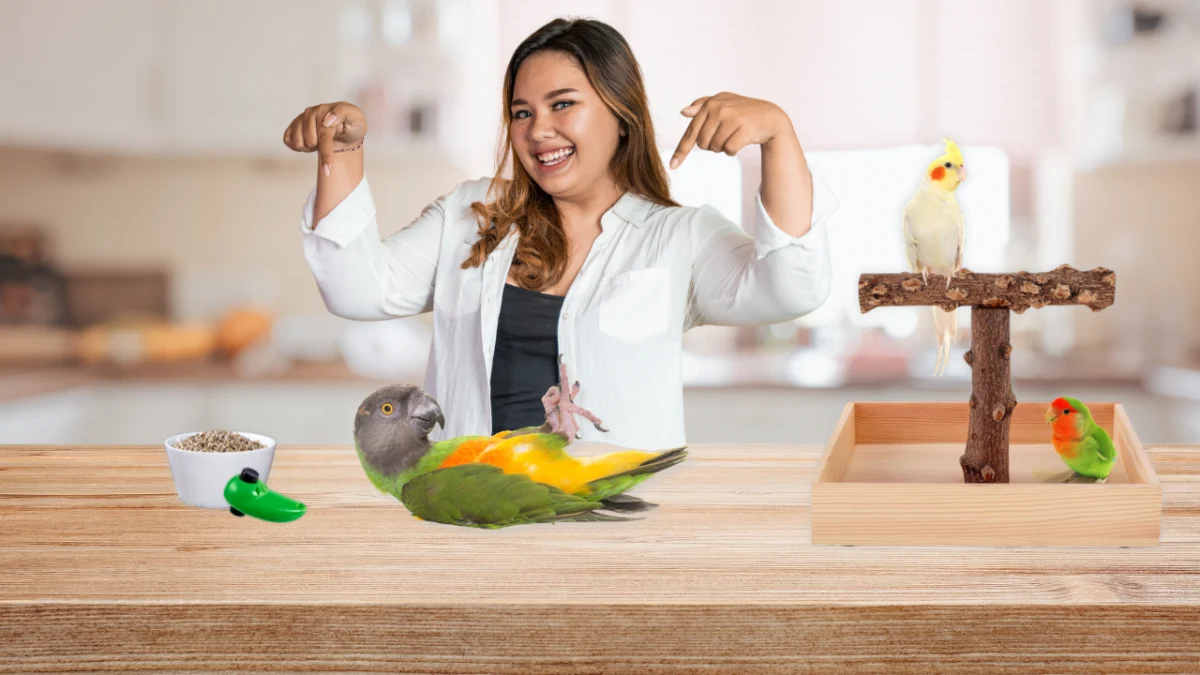
Parrots, long admired for their vibrant plumage and remarkable vocal mimicry, are increasingly recognized by the scientific community as some of the most intelligent avian species on the planet. Their cognitive abilities rival those of many primates, demonstrating complex problem-solving skills, sophisticated learning capacities, and even a nuanced understanding of their environment. However, this inherent intelligence comes with a significant responsibility for their human caregivers: the provision of consistent and varied mental stimulation. Just as with humans, a parrot’s brain requires daily challenges and engagement to maintain optimal health, foster contentment, and prevent the onset of undesirable behaviors. This article delves into the scientific basis of parrot intelligence and outlines research-backed strategies for enhancing their cognitive function through environmental enrichment, specialized training, nutritional support, and structured routines, culminating in a practical four-week brain-boosting plan.
The Scientific Foundation of Parrot Intelligence
Recent scientific discoveries have shed considerable light on the sophisticated neuroanatomy underlying parrot cognition. Researchers have identified a brain structure known as the nidopallium caudolaterale, which serves as the avian analogue to the mammalian prefrontal cortex. This region is critical for executive functions, including decision-making, working memory, and complex problem-solving. Studies, such as those by Gutiérrez-Ibáñez, Iwaniuk, & Wylie (2018), have highlighted the primate-like neural circuitry in parrots, suggesting a convergent evolution of advanced cognitive capabilities. Furthermore, research by Olkowicz et al. (2016) revealed that parrots possess a surprisingly high number of neurons in their forebrain, comparable to or even exceeding those found in some primate brains, despite their smaller overall brain size. This neuronal density contributes significantly to their profound cognitive prowess.
This unique neurobiological architecture explains why parrots exhibit behaviors such as skillfully manipulating objects to access food, accurately mimicking human speech (Benedict et al., 2022), and even engaging in seemingly argumentative interactions. Their capacity for tool use, as explored by Bastos et al. (2023), further underscores their advanced problem-solving abilities, demonstrating that these birds are not merely instinct-driven creatures but rather highly adaptable and intelligent beings. Understanding this biological foundation is crucial for appreciating the profound need for mental engagement in captive parrots.
The Critical Role of Mental Stimulation for Avian Well-being
The implications of parrot intelligence extend directly to their welfare in a domestic setting. Without consistent and appropriate mental challenges, captive parrots are highly susceptible to boredom, which can precipitate a range of serious behavioral issues. These often manifest as destructive tendencies such as feather plucking, excessive screaming, or aggressive chewing of furniture and other household items. Such behaviors are not merely nuisances but clear indicators of underlying psychological distress and a lack of adequate environmental enrichment.
Avian veterinarians and certified animal behaviorists consistently emphasize that mental stimulation is not merely an optional amenity but a fundamental requirement for a parrot’s emotional health and ongoing brain development. Engaging parrots in activities that stimulate their natural instincts, such as foraging, training, or exposure to novel environments, directly supports their cognitive function and emotional resilience. This approach transforms mere pet ownership into a partnership focused on fostering a creature’s innate intelligence and well-being. Enrichment, therefore, acts as a preventative and therapeutic measure, significantly reducing the incidence of stress-induced behaviors and promoting a calmer, more confident demeanor.
Practical Strategies for Enhancing Parrot Intelligence
Implementing a comprehensive enrichment program requires a multi-faceted approach, integrating various elements into a parrot’s daily life. These strategies are designed to activate different cognitive pathways, stimulate natural behaviors, and strengthen the bond between bird and caregiver.
1. Cultivating a Puzzle-Rich Environment
In their natural habitats, parrots dedicate significant portions of their day, often up to six hours, to the intricate task of foraging for food. In contrast, captive birds frequently receive their meals in a static, predictable bowl, devoid of any challenge. This stark difference highlights the necessity of incorporating foraging opportunities into the home environment.
- Foraging Toys: These specialized toys transform mealtime into a cognitive exercise. They require parrots to shred, twist, manipulate, or solve simple puzzles to access their food rewards. Starting with basic puzzles, such as hiding a favorite treat under a paper cup, and gradually progressing to more complex multi-compartment foraging devices, encourages persistence and problem-solving. This practice directly taps into their innate drive to search for sustenance, providing both mental and physical exercise.
- Toy Rotation: Even the most sophisticated toy loses its appeal if it remains in the same position day after day. A systematic rotation of toys, typically swapping out 2-3 items weekly, introduces novelty and prevents habituation. Storing "retired" toys with bird-safe herbs like chamomile or lavender can further refresh their appeal upon reintroduction, offering new sensory experiences.
- Varying Difficulty Levels: To maintain engagement and prevent frustration, it is crucial to offer a range of difficulty levels in enrichment items. Initial success with easily solvable puzzles builds confidence, while progressively challenging items, such as multi-step puzzle toys or those requiring sequential actions, encourage sustained cognitive effort. Incorporating diverse toy styles—shreddable materials, spinners, drawers, and DIY cardboard puzzles—ensures broad cognitive stimulation.
2. Implementing Positive Reinforcement Training
Clicker training stands out as an exceptionally effective method for boosting parrot intelligence and fostering a deeper bond. This positive reinforcement technique leverages a precisely timed "click" sound to mark a desired behavior, immediately followed by a high-value reward. This creates a clear association for the bird, signaling successful execution and motivating repetition.
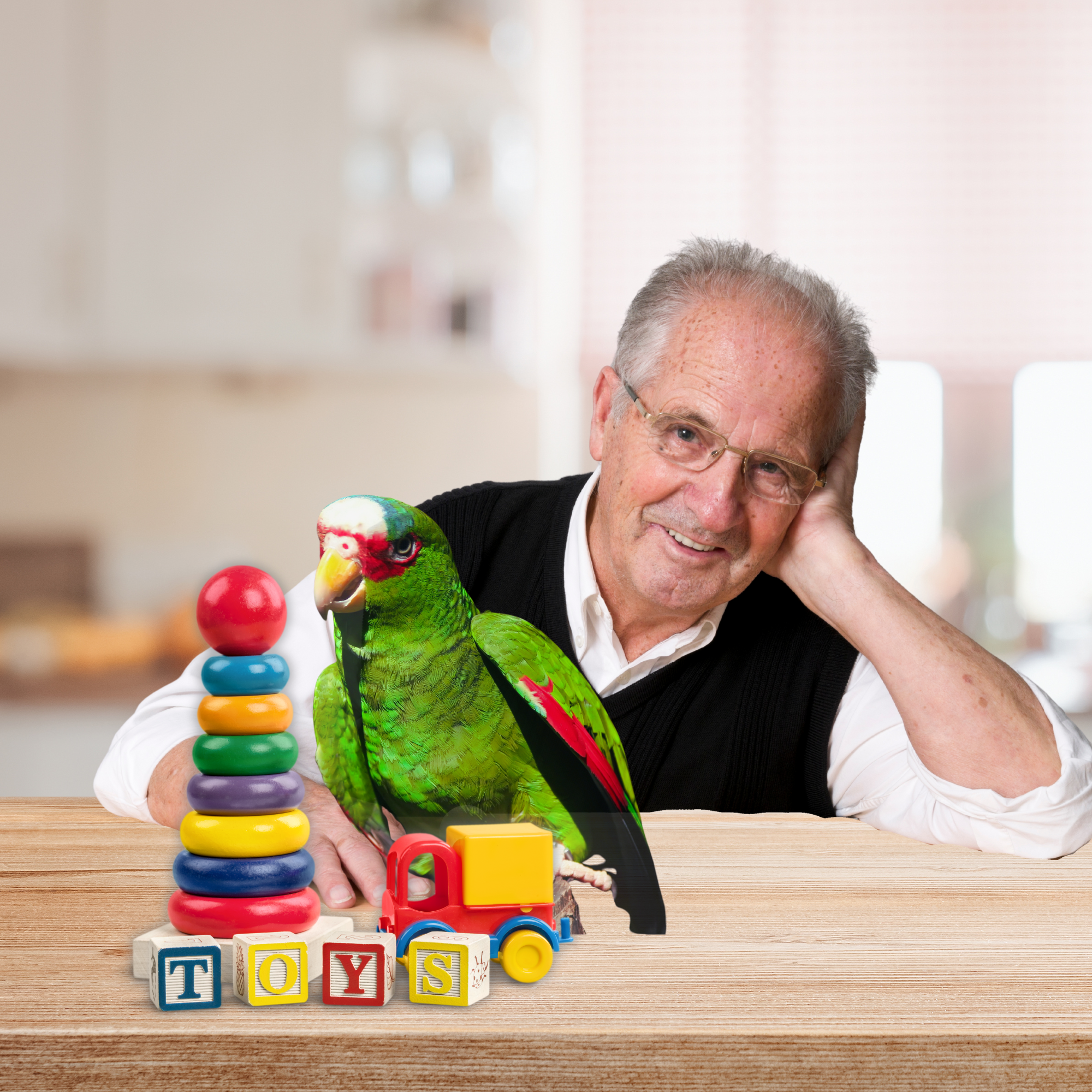
- Mechanism of Action: Clicker training aligns with how birds naturally learn, by associating actions with outcomes. The click acts as a bridge between the behavior and the reward, enhancing the bird’s understanding and accelerating the learning process. This method builds trust and communication, transforming training into a cooperative endeavor rather than a coercive one.
- Accessible Starting Points: Complex tricks are not a prerequisite. Simple, confidence-building behaviors such as targeting (touching a specific object), stepping up onto a hand or perch, or spinning on cue are excellent starting points. Short training sessions (3-5 minutes) are ideal to maintain focus and prevent fatigue. The consistent use of highly desirable treats, such as sunflower seeds or almond slivers, ensures motivation.
- Therapeutic Benefits: Beyond skill acquisition, training significantly contributes to a parrot’s emotional well-being. It provides a sense of purpose, reduces fear, and offers anxious birds a degree of control within their environment. For birds that may be cage-bound or hand-shy, training can gradually reframe their perception of human interaction, fostering trust and reducing reactivity. The ability to engage in choice-based training, where the bird can indicate willingness or refusal, is a cornerstone of force-free training and further empowers the bird, enhancing their overall psychological security.
3. Optimizing Diet for Brain Health
The adage "you are what you eat" applies equally to parrots. A nutritionally robust diet is paramount for optimal brain function, influencing memory, focus, mood, and behavior. Deficiencies in key nutrients can impair cognitive processes and contribute to behavioral issues.
- Key Nutrients: Diets rich in Omega-3 fatty acids (found in hemp, flax, and chia seeds), B vitamins (abundant in leafy greens and whole grains), and antioxidants (present in colorful fruits and vegetables) are crucial for supporting brain tissue, reducing inflammation, and ensuring efficient neural communication.
- Variety Through Chop and Sprouts: Incorporating "chop"—a finely diced mixture of various vegetables, grains, and herbs—and fresh sprouts significantly enhances nutritional intake. Chop offers a versatile way to deliver a broad spectrum of vitamins and minerals, while sprouts provide living enzymes and concentrated vitamins. Regular rotation of ingredients keeps the diet engaging and ensures a wide array of nutrients. Products like OmegaGlow, a plant-based fatty acid supplement, or SereniTea Calming Herbs can further augment the nutritional profile, addressing specific needs for brain health or stress reduction.
- Targeted Supplements: Even with an excellent diet, some parrots may benefit from targeted supplementation, particularly during periods of stress, molting, or aging. A daily multivitamin such as FeatherUp can bridge potential nutritional gaps. For birds requiring joint and mobility support, UnRuffledRx Joint Relief, with its anti-inflammatory ingredients like turmeric, can help maintain physical activity, which indirectly supports cognitive function. Hemp seeds are also valuable for their healthy fats and skin benefits, especially during molting.
4. Facilitating Safe Environmental Exploration
Confinement to a single indoor environment limits a parrot’s sensory input, potentially leading to mental stagnation. Safely introducing new environments offers profound cognitive benefits.
- Outdoor Adventures: Short, controlled outings—whether a walk in a harness, a supervised sit on a porch, or a car ride in a secure carrier—expose parrots to novel sights, sounds, and smells. This sensory richness stimulates their brains and provides new information to process. For birds not yet harness-trained, a secure travel carrier like the Pak O Bird Backpack Carrier offers a safe alternative for outdoor exposure.
- Natural Light and Sound: Direct exposure to natural light supports vitamin D synthesis, essential for calcium absorption and mood regulation. The sounds of nature—chirping wild birds, rustling leaves, ambient neighborhood noises—provide auditory stimulation and opportunities for mimicry. When outdoor access is limited, a window perch, a bird-safe patio setup, or even playing nature soundtracks indoors can partially replicate these beneficial stimuli.
- Safety Protocols: Prioritizing safety is paramount for any outdoor activity. This includes proper harness fitting and indoor practice, maintaining close proximity to the bird, and protecting them from potential threats such as other animals, loud noises, sudden weather changes, or toxic plants. Unattended outdoor time, even in an aviary, carries significant risks.
5. Empowering Parrots Through Choice
Parrots are intelligent, sentient beings that benefit immensely from having agency over their environment and interactions. Providing choices fosters confidence and independent thinking.
- The "Yes Space": Designating a "yes space"—an area where the parrot can safely play, chew, climb, and explore without constant human intervention or correction—is crucial. This could be a play stand, a window perch, or a section of a room equipped with bird-safe shreddable toys, natural branches, and swings. Such spaces promote natural behaviors and reduce anxiety stemming from perceived limitations.
- Fostering Independent Thinking: Allowing parrots to make small decisions, such as selecting a toy, choosing a perch, or indicating willingness to engage in a training session, significantly enhances their critical thinking skills and self-efficacy. This principle is central to force-free training, where respecting a bird’s "no" or "not right now" fosters a collaborative learning environment built on mutual respect rather than coercion.
- Building Trust Through Autonomy: The act of offering choices builds profound trust between a parrot and its caregiver. This is particularly vital for shy or rehomed birds who may have experienced a lack of control in previous environments. Small acts of autonomy—e.g., "Do you want to target or spin?"—communicate that the bird’s preferences are acknowledged and valued, strengthening the bond and fostering a sense of security.
6. Establishing Brain-Boosting Routines
While novelty is important, a predictable daily routine provides a foundational sense of security that allows parrots to feel confident and receptive to learning.
- Predictable Patterns: Consistent routines, such as scheduled mealtimes, midday foraging sessions, and evening wind-down periods, establish a predictable rhythm. This predictability reduces anxiety and creates a stable environment conducive to exploration and learning.
- Weekly Thematic Enrichment: To combat monotony within a routine, implementing weekly themes for enrichment can introduce variety without disrupting overall structure. One week might focus on foraging challenges, the next on introducing new textures, followed by training games or auditory stimulation. This systematic variation ensures different cognitive areas are engaged.
- Morning and Evening Boosts: The beginning and end of the day offer prime opportunities for targeted enrichment. Mornings are ideal for nutrient-rich chop with sprouting toppers or supplements like OmegaGlow. Evenings can be dedicated to calming play, puzzle toys, or low-stress clicker training sessions, preparing the bird for restful sleep, which is crucial for memory consolidation and emotional balance. Consistent dimming of lights and cage covering at the same time further supports healthy sleep cycles.
The Four-Week Brain Boosting Plan: A Structured Approach
To help caregivers systematically implement these strategies, avian experts have developed structured plans, such as the following four-week program, designed to progressively enhance a parrot’s cognitive abilities and overall well-being.
- Week 1: Foraging Fundamentals: The initial week focuses on re-engaging a parrot’s natural foraging instincts. This involves introducing one to two new foraging toys or simple DIY options using materials like paper cups or cardboard tubes. Hiding preferred treats inside these items encourages exploratory behavior and problem-solving. Scattering pellets or sprouted seeds around their play area further promotes a "food treasure hunt," stimulating their wild intelligence.
- Week 2: Introduction to Trick Training: Building upon the engagement fostered through foraging, Week 2 introduces positive reinforcement clicker training. Short, upbeat 5-minute sessions daily are dedicated to teaching foundational behaviors such as targeting, spinning, or stepping up on cue. The clicker and a high-value reward reinforce success, turning learning into an enjoyable game. Resources such as comprehensive clicker training guides are recommended for beginners.
- Week 3: Sensory Immersion: This week is dedicated to stimulating a parrot’s diverse senses. Caregivers are encouraged to introduce novel textures (e.g., vine balls, palm leaf shredders), visual stimuli (e.g., spinning toys), and auditory enrichment (e.g., bell toys, nature sounds, classical music). Hanging a safe, natural branch from outdoors in their play space offers an additional tactile and exploratory experience. Incorporating calming support like SereniTea Calming Herbs or offering a foot-soaking bowl with aloe spray can further enhance sensory wellness.
- Week 4: World Exploration: Having established a foundation of engagement and trust, the final week encourages safe exploration of the wider world. This can involve a short harness walk, supervised time on a front porch, or a car ride in a travel carrier with a view. Exposure to new sights, sounds, and smells in a controlled environment is a powerful cognitive stimulant. At the end of the week, caregivers are advised to review which activities resonated most with their bird and integrate them into ongoing enrichment routines, recognizing that enrichment is a continuous, adaptable process.
Conclusion
The intelligence of parrots is a profound gift that necessitates dedicated and intentional care. By understanding the intricate neurobiology that underpins their cognitive capabilities, caregivers can move beyond basic provision to actively cultivate an environment that stimulates their parrot’s mind and nurtures their emotional health. The integration of puzzle-filled environments, positive reinforcement training, brain-boosting nutrition, safe external exploration, autonomy-promoting choices, and structured routines forms a holistic framework for enhancing avian intelligence. Products such as OmegaGlow, SereniTea Calming Herbs, and Joint Relief, developed with avian veterinary insights, offer practical support in addressing specific needs related to brain function, mood, and physical activity. Ultimately, a commitment to intentional enrichment is not merely about preventing problem behaviors; it is about unlocking the full potential of these remarkable creatures, fostering a deeper bond, and ensuring a lifetime of curiosity, confidence, and well-being for our feathered companions.
References:
Bastos, A. P. M., Mioduszewska, B., Uomini, N., Laland, K. N., & Auersperg, A. M. I. (2023). Crowdsourcing and phylogenetic modelling reveal parrot tool use is not rare [Preprint]. bioRxiv. https://doi.org/10.1101/2023.08.14.553302

Benedict, L., Patel, M., Miles, J., & Furlong, M. (2022). A survey of vocal mimicry in companion parrots. Scientific Reports, 12, 21533. https://doi.org/10.1038/s41598-022-24335-x
Garcia de Jesús, E. (2024, September 19). Parrots may offer clues to how our intelligence evolved. Science News Explores. https://www.snexplores.org/article/parrots-evolved-intelligence-bird-brain
Gutiérrez-Ibáñez, C., Iwaniuk, A. N., & Wylie, D. R. (2018). Parrots have evolved a primate-like telencephalic-midbrain-cerebellar circuit. Scientific Reports, 8, 2207. https://doi.org/10.1038/s41598-018-28301-4
Olkowicz, S., Kocourek, M., Lučan, R. K., Porteš, M., Fitch, W. T., Herculano-Houzel, S., & Němec, P. (2016). Birds have primate-like numbers of neurons in the forebrain. Proceedings of the National Academy of Sciences, 113(26), 7255–7260. https://doi.org/10.1073/pnas.1517131113
Pepperberg, I. M., & Hartsfield, L. A. (2023). A study of executive function in grey parrots (Psittacus erithacus): Experience can affect delay of gratification. Journal of Comparative Psychology. https://doi.org/10.1037/com0000361
Rössler, T., & Auersperg, A. M. I. (2022). Recent developments in parrot cognition: A quadrennial update. Animal Cognition, 26, 9–20. https://doi.org/10.1007/s10071-022-01733-2
Wirthlin, M., Chang, E. F., Guo, J. U., et al. (2018). Parrot genomes and the evolution of heightened longevity and cognition. Current Biology, 28, 4001–4008.e7. https://doi.org/10.1016/j.cub.2018.10.050
Further Reading:
Burroughs, D. (2025, May 26). 7 ways to boost your parrot’s intelligence today. BirdSupplies.com. https://birdsupplies.com/blogs/news/7-ways-to-boost-your-parrot-s-intelligence-today
Insight Into African Grey Parrot Intelligence. https://birdsupplies.com/blogs/news/161918023-insight-into-african-grey-parrot-intelligence
Clicker Training Your Parrot. https://birdsupplies.com/blogs/news/clicker-training-your-parrot
Ultimate Guide to Foraging Toys. https://birdsupplies.com/blogs/news/ultimate-guide-to-foraging-toys
