


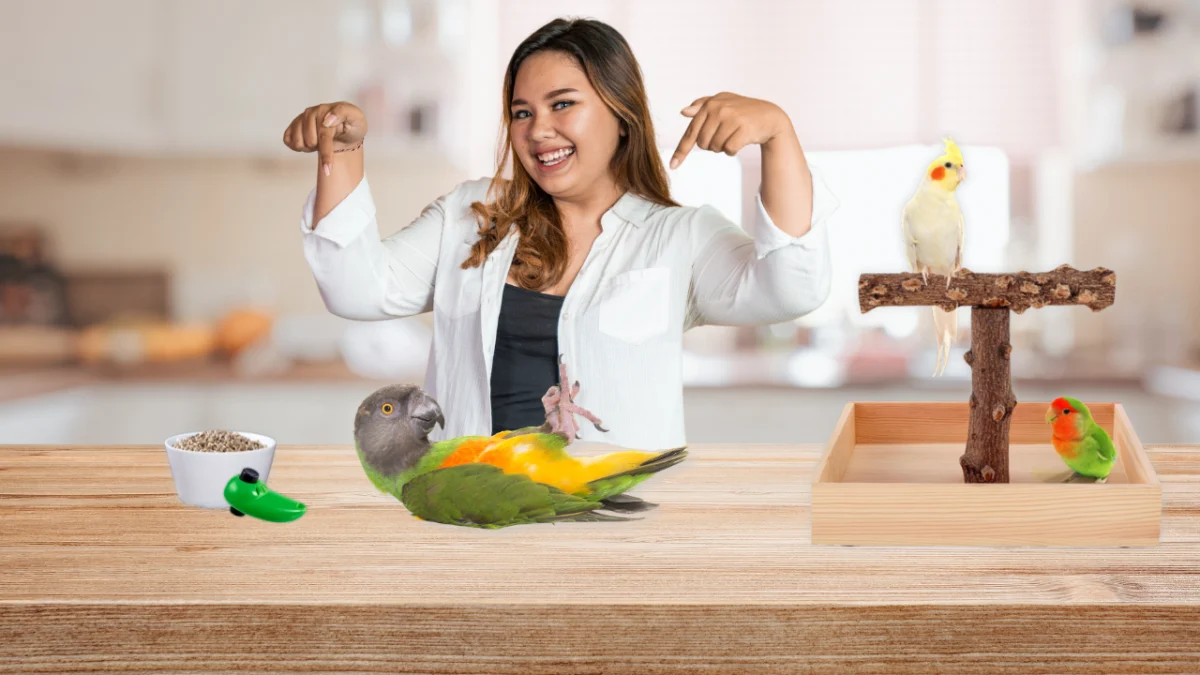
Parrots, recognized as some of the most intelligent avian species on the planet, possess remarkably complex cognitive abilities akin to those of higher mammals. Their brains are intricately wired for sophisticated learning, advanced problem-solving, and intricate vocal mimicry, as documented in numerous scientific studies. However, merely possessing this innate intelligence is insufficient; for companion parrots to thrive, their mental faculties require consistent stimulation and daily challenges. Without targeted enrichment, these highly intelligent birds can suffer from boredom, leading to a range of undesirable behavioral issues such as feather plucking, excessive screaming, and destructive chewing. This article delves into seven research-backed strategies designed to elevate a parrot’s brainpower through a combination of structured training, environmental enrichment, optimized nutrition, and supervised exploration. It also presents a practical 4-week plan for implementing these brain-boosting techniques, aiming to unlock each parrot’s full cognitive and emotional potential.
The Scientific Foundation of Parrot Intelligence
The understanding of avian intelligence has undergone significant advancements, revealing that parrots’ cognitive architecture shares surprising parallels with that of primates. Researchers have identified a specific brain region in parrots, the nidopallium caudolaterale, which functions analogously to the mammalian prefrontal cortex. This area is central to executive functions, including decision-making, memory consolidation, and complex problem-solving. Studies by Olkowicz et al. (2016) demonstrated that birds possess a remarkably high density of neurons in their forebrains, comparable to or even exceeding that found in some primates, supporting their advanced cognitive capabilities despite smaller brain size. This neurological foundation explains why parrots exhibit behaviors such as adeptly manipulating latches to escape enclosures, accurately mimicking human speech, and even engaging in complex interactions with household objects. They are not merely instinct-driven creatures; they are equipped for profound and adaptable thinking.
From an evolutionary perspective, the development of such heightened cognition in parrots is linked to their long lifespans and complex social structures (Wirthlin et al., 2018; Garcia de Jesús, 2024). In their natural habitats, parrots navigate intricate social hierarchies, forage for diverse food sources, and learn sophisticated communication signals. These environmental pressures have favored the evolution of robust learning and memory capacities. Consequently, in a captive environment, the absence of similar intellectual challenges can lead to profound psychological distress. Avian veterinarians and behaviorists consistently emphasize that mental stimulation is not merely a luxury but a fundamental requirement for a parrot’s overall health and well-being. Regular cognitive engagement actively supports emotional regulation, reduces anxiety-driven behaviors, and fosters neurodevelopment, thereby preventing the onset of stress-related issues. This approach transforms caregiving from simple maintenance to a proactive strategy for nurturing a balanced and contented companion.
Crafting an Intellectually Stimulating Environment
A parrot’s immediate surroundings play a pivotal role in its cognitive development and mental health. A static, unchallenging environment can quickly lead to boredom, which is a primary catalyst for behavioral problems. Owners must proactively design dynamic spaces that encourage natural behaviors and intellectual engagement.
Strategic Foraging Opportunities: In the wild, parrots dedicate a significant portion of their day—often up to six hours—to foraging for food. This activity is a complex cognitive task involving problem-solving, memory, and dexterity. In contrast, captive parrots often receive their meals in a fixed bowl at predictable times, eliminating this crucial mental exercise. Incorporating foraging toys directly addresses this deficit by transforming mealtime into an enriching brain game. These toys range from simple puzzles, such as a treat hidden under a paper cup, to more elaborate multi-compartment devices that require shredding, twisting, or manipulating lids. The progressive introduction of varying difficulty levels in foraging toys ensures continuous challenge without inducing frustration, building the bird’s confidence as it masters each new puzzle. This engagement taps into innate instincts, making the bird actively "work" for its rewards, thereby stimulating critical thinking and sustained problem-solving skills.
Dynamic Environmental Enrichment: Even the most sophisticated toy loses its novelty if it remains in the same position day after day. Therefore, a systematic rotation of toys is an essential strategy for maintaining a parrot’s mental engagement. This practice, analogous to redecorating a child’s playroom, introduces new stimuli and prevents habituation. Avian experts recommend swapping out two to three toys weekly, ensuring a fresh and stimulating environment. To further enhance the experience, retired toys can be stored with bird-safe herbs like chamomile or lavender; the subtle scent refreshes the toy, making it feel "new" when reintroduced. The variety of toys should encompass different styles—shreddables, manipulatives, puzzle toys, and even DIY options from safe household materials like cardboard tubes—to activate diverse cognitive processes and cater to varied preferences. The key is to challenge without overwhelming, celebrating small victories in exploration and discovery.
Designing "Yes Spaces" for Autonomy: Parrots are inherently curious and assertive creatures that thrive in environments where they feel secure enough to explore and make choices. A "yes space" is a designated, bird-safe area where a parrot can engage in natural behaviors like playing, chewing, climbing, and foraging without constant human intervention or correction. This could be a specific tabletop play stand, a window perch, or a corner of a room outfitted with natural branches, bird-safe shreddable materials, and swings. Providing such an environment promotes independent thinking and self-directed exploration, which are critical for building confidence and reducing anxiety. When parrots are afforded the freedom to interact with their environment on their terms, it fosters a sense of control and reduces reactive, fear-based behaviors, aligning with principles of force-free animal care.
Structured Learning and Cognitive Engagement
Beyond environmental enrichment, direct interaction through structured learning provides unparalleled cognitive benefits for parrots.
The Power of Positive Reinforcement Training: Clicker training, a methodology rooted in operant conditioning, is an exceptionally effective and humane way to engage a parrot’s intellect. It operates on the principle of positive reinforcement: a distinct "click" sound immediately followed by a high-value treat signals to the bird that it has performed the desired behavior correctly. This precise marker enhances learning by clearly associating an action with a positive outcome, encouraging the bird to repeat the behavior. Studies on avian learning, such as those involving Grey Parrots by Pepperberg and Hartsfield (2023), underscore the species’ capacity for complex associative learning and executive function. Clicker training not only teaches specific behaviors but also significantly strengthens the human-animal bond, builds trust, and provides a crucial mental workout. For parrots, particularly those exhibiting fear or anxiety, training offers a sense of purpose and control, allowing them to reframe their interactions with their environment and caregivers. Diane Burroughs, an expert in Applied Behavior Analysis (ABA) for parrots, frequently highlights how even simple training through cage bars can initiate a positive shift in a bird’s emotional state, boosting their mood and cognitive engagement.
Progressive Skill Development: While parrots are capable of remarkable feats like reciting phrases, initial training should focus on foundational, confidence-building behaviors. Simple tricks such as "targeting" (touching an object with their beak), "spinning," or reliably "stepping up" on cue are excellent starting points. Training sessions should be brief—typically 3-5 minutes—to maintain the bird’s interest and prevent fatigue. The consistent use of high-value rewards, such as a favorite seed or a small piece of fruit, ensures motivation. As the parrot masters basic commands, more complex tasks can be introduced, such as identifying colors, retrieving specific objects, or performing short sequences of actions. This progressive challenge keeps the bird intellectually stimulated and reinforces its capacity for learning, transforming the process into an engaging and mutually rewarding form of play.
Holistic Well-being: Diet, Exploration, and Routine
A parrot’s cognitive function is inextricably linked to its physical health, environment, and daily structure. A holistic approach that integrates nutrition, varied experiences, and predictable routines is paramount for optimal brain health.
Nutritional Foundations for Brain Health: Just as with humans, a parrot’s diet directly impacts its brain function, influencing memory, focus, mood, and behavior. A balanced diet, rich in specific nutrients, is essential for supporting neurological health. Key nutrients include Omega-3 fatty acids, found in seeds like hemp, flax, and chia, which are crucial for maintaining brain tissue integrity and reducing inflammation. B vitamins, abundant in leafy greens and whole grains, play vital roles in neurotransmitter synthesis and energy metabolism within brain cells. Antioxidants, plentiful in colorful fruits and vegetables, protect brain cells from oxidative stress. Incorporating "chop" (a finely diced mixture of fresh vegetables, fruits, and grains) and sprouts into the daily diet is an effective way to deliver a broad spectrum of these brain-boosting nutrients. Regular variety in these fresh foods ensures comprehensive nutritional intake and keeps the diet exciting. Additionally, targeted supplements, such as daily multivitamins (e.g., FeatherUp) can fill nutritional gaps, especially during periods of stress, molting, or aging. Products like OmegaGlow, rich in plant-based fats, further support brain function, while specific formulations like UnRuffledRx Joint Relief with turmeric can contribute to overall vitality and mobility, indirectly supporting cognitive engagement. A well-nourished brain is a prerequisite for curiosity, learning, and emotional stability.
The Benefits of Safe External Exposure: Confinement to a single indoor environment deprives parrots of a rich tapestry of sensory experiences essential for their cognitive and emotional development. Safely introducing new environments, such as short walks in a harness, car rides in a secure carrier, or even supervised time on a protected porch, offers profound stimulation. These "field trips" activate multiple senses—sight, sound, smell, and touch—providing novel stimuli for the brain to process. Natural light exposure is particularly critical, facilitating vitamin D synthesis necessary for calcium absorption and mood regulation. The sounds of outdoor life—other birds, rustling leaves, distant human activity—offer new auditory information that parrots can analyze and potentially mimic. For birds not yet harness-trained, a secure travel carrier like the Pak O Bird Backpack Carrier allows for safe observation of the outdoors, offering a valuable mental exercise. Prioritizing safety is paramount: ensuring a properly fitted harness, avoiding crowded or noisy areas, and always maintaining direct supervision mitigates potential stressors and risks. With careful planning, outdoor excursions can become a cornerstone of a parrot’s enrichment program.

Establishing Predictable, Enriching Routines: While novelty is important, parrots also thrive on predictability. A consistent daily routine provides a sense of security and stability, which is foundational for reducing anxiety and fostering a calm, confident demeanor conducive to learning. Simple routines, such as consistent feeding times for chop, designated periods for foraging, and predictable evening wind-down rituals, help parrots anticipate events and feel secure in their environment. This stability creates a mental bandwidth for exploration and learning. To prevent routines from becoming monotonous, incorporating "weekly themes" for enrichment can introduce variety within a predictable structure. For example, one week might focus on new foraging challenges, another on exploring different textures, and a third on training games or sound play. This approach ensures diverse cognitive activation without overwhelming the bird or owner. Strategic placement of brain-boosting activities, such as morning chop with sprouting toppers for energy, and evening puzzle toys or calming training for wind-down, further optimizes their impact on a parrot’s cognitive and emotional well-being, including promoting better sleep essential for memory and learning.
A Practical Framework: The 4-Week Cognitive Enhancement Plan
Implementing these strategies can seem daunting, but a structured approach can make it manageable and effective. This 4-week plan provides a progressive framework for boosting your parrot’s intelligence.
Week 1: Foundations in Foraging. Begin by focusing entirely on stimulating your parrot’s natural foraging instincts. Introduce one to two new foraging toys, starting with easier designs where treats are readily accessible. Alternatively, create simple DIY foraging opportunities using bird-safe materials like paper cups, coffee filters, or cardboard tubes, hiding favorite seeds or pellets inside. Scatter a portion of their daily diet around their play area to encourage a "food treasure hunt." Observe your bird’s engagement and gradually increase the difficulty of foraging puzzles as they gain confidence, tapping into their inherent problem-solving abilities.
Week 2: Introducing Structured Learning. With a baseline of environmental engagement established, this week focuses on direct cognitive training. Initiate positive reinforcement clicker training sessions, keeping them short and upbeat, ideally 3-5 minutes daily. Start with simple behaviors such as target training (teaching the bird to touch a target stick), a gentle "spin," or a reliable "step up" cue. Utilize a clicker to precisely mark correct behaviors, immediately followed by a high-value treat. For those new to clicker training, resources like a comprehensive guide on clicker training for birds can provide step-by-step instructions. This stage builds confidence, deepens the bond, and transforms learning into an enjoyable interactive game.
Week 3: Sensory and Environmental Deep Dive. This week is dedicated to broadening your parrot’s sensory experiences. Introduce novel textures, such as vine balls, palm leaf shredders, or natural branches from bird-safe trees, for tactile exploration. Rotate in visual stimulation toys, like spinners or mirrors, or introduce auditory enrichment by playing nature sounds or gentle classical music during their active hours. Consider offering calming sensory experiences, such as a foot-soaking bowl with a diluted aloe spray, or sprinkling bird-safe calming herbs like SereniTea in their environment. The goal is to engage all senses, offering a rich tapestry of experiences that promote exploration and curiosity.
Week 4: Expanding Horizons Through Exploration. Having established a foundation of foraging, training, and sensory engagement, this final week encourages safe exploration of the wider world. If your bird is harness-trained, undertake a short walk in a quiet outdoor area. Alternatively, allow them to sit on a secure perch on a covered porch or take them for a short car ride in a travel carrier, ensuring they have a view. These experiences expose them to new sights, sounds, and smells, profoundly stimulating their brain. Throughout this week, prioritize safety above all else, always supervising your bird and ensuring they are comfortable and secure. At the end of the 4-week plan, review which activities your parrot responded to most enthusiastically and integrate these into an ongoing, flexible enrichment program. This plan serves as a launchpad, recognizing that enrichment is a continuous journey tailored to your individual parrot’s preferences and evolving needs.
In conclusion, unlocking a parrot’s full intelligence and ensuring its comprehensive well-being transcends basic care; it demands intentional and varied mental stimulation. By integrating scientific insights into parrot cognition with practical, research-backed strategies—ranging from designing enriching environments and implementing positive reinforcement training to optimizing nutrition and facilitating safe explorations—owners can significantly enhance their feathered companions’ cognitive function and emotional stability. The structured 4-week plan provides an accessible pathway for beginning this journey, demonstrating that enrichment, while multifaceted, can be systematically applied. Products developed by avian behaviorists, such as OmegaGlow for cognitive support, SereniTea Calming Herbs for emotional balance, and Joint Relief for physical vitality, serve as valuable tools to complement these efforts. Ultimately, by consistently providing intentional enrichment, parrot owners foster not only sharper minds but also deeper, more fulfilling bonds with their intelligent companions, enabling them to thrive in every aspect of their lives.
