

Halloween, a widely celebrated annual event characterized by costumes, trick-or-treating, and festive decorations, presents a unique set of challenges for companion birds. While humans often revel in the spooky ambiance and social interactions, the abrupt departure from routine, coupled with sensory overload, can induce significant stress and anxiety in feathered companions. This article, last updated on November 3, 2025, aims to provide comprehensive guidance for bird owners to ensure their parrots and other avian pets navigate the Halloween period with calm and comfort.
Understanding Avian Sensitivity: Why Halloween Can Be Stressful
Birds are creatures of habit and highly attuned to their environment. Their sensory perception, particularly hearing and sight, is far more acute than that of humans, making them especially vulnerable to the sudden changes brought about by Halloween festivities. The cacophony of doorbells, excited screams of trick-or-treaters, flashing decorative lights, and eerie sound effects can transform a bird’s familiar, predictable home into a perceived threat zone.
Avian species, being prey animals in the wild, possess an inherent "flight or fight" response mechanism. Unfamiliar sights, such as individuals in elaborate costumes or masks, can be interpreted as predators. Loud, unpredictable noises can trigger an immediate physiological stress response, elevating heart rate and releasing stress hormones like cortisol. Even typically confident parrots may exhibit signs of anxiety, such as feather plucking, pacing, increased vocalization (screaming), biting, or attempting to hide. Prolonged or severe stress can compromise a bird’s immune system, leading to health issues and behavioral problems.
The Physiology of Fear: A Bird’s Biological Response to Stress
When a bird experiences stress, its body undergoes a series of physiological changes designed for survival. The sympathetic nervous system activates, leading to an increase in heart rate, blood pressure, and respiratory rate. Adrenaline and cortisol flood the system, preparing the bird to flee or defend itself. In the short term, this response is adaptive. However, chronic exposure to stressors, such as those experienced during a chaotic Halloween night, can lead to maladaptive behaviors and long-term health consequences. Elevated cortisol levels can suppress the immune system, making birds more susceptible to illness, and can contribute to chronic anxiety, phobias, and destructive behaviors like feather destructive behavior.
Pre-Halloween Preparation: Creating a Sanctuary
Proactive measures are crucial to mitigate Halloween-induced stress. Owners should begin preparing their bird’s environment well in advance of the evening.
- Establish a Designated Safe Zone: Identify a quiet, interior room in the house, away from the front door and windows, that can serve as the bird’s sanctuary for the evening. This room should ideally be soundproofed as much as possible.
- Sound Management: On Halloween night, close all windows and draw heavy curtains or blinds in the designated safe room to muffle external sounds and block flashing lights. Consider using white noise machines, calming avian-specific music, or nature sounds (e.g., gentle rain, forest ambience) to create a consistent, soothing auditory backdrop that helps mask jarring external noises. Research suggests that certain types of classical music, specifically designed for pets, can have a calming effect on anxious animals.
- Lighting Control: Dim external house lights to discourage excessive trick-or-treaters if preferred, and ensure the bird’s room has soft, consistent internal lighting. Avoid strobe lights or rapidly flashing decorations near the bird’s enclosure.
- Early Bedtime: Birds require 12-14 hours of uninterrupted sleep for optimal health and well-being. Halloween often coincides with their natural bedtime. Cover the bird’s cage early with a breathable, dark cage cover and move it to the prepared quiet room well before trick-or-treating begins. This predictable routine reinforces a sense of security and minimizes the disruption to their sleep cycle. A restless night can lead to a cranky, loud, or nippy bird the following day, impacting both the bird’s and owner’s quality of life.
- Enrichment and Distraction: Before the evening’s activities commence, offer a favorite foraging toy or a new, engaging puzzle feeder. Mental stimulation and the act of foraging can provide a valuable distraction, redirecting the bird’s attention away from external stressors. Shredding toys, natural branches, or food-stuffed puzzles can keep birds occupied and reduce their focus on unusual external stimuli.
Navigating Halloween Night: Mitigation Strategies
Once Halloween night arrives, active management is necessary to maintain the bird’s tranquility.
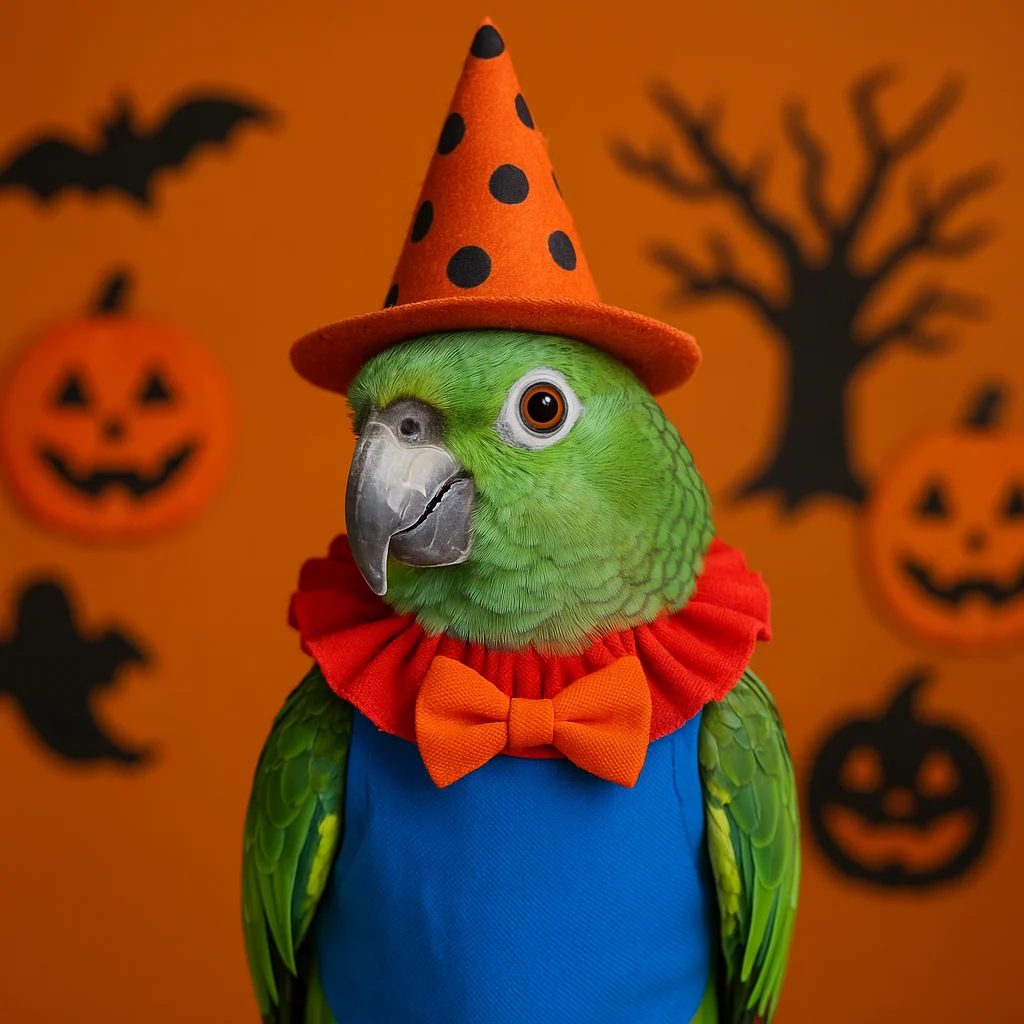
- Guest and Costume Management: It is paramount to keep birds separated from guests, especially those in costumes or masks. Masks can distort familiar human faces, and elaborate outfits can mimic the appearance of predators, triggering intense fear in birds. Even well-intentioned guests can inadvertently stress a bird with loud voices or sudden movements. Do not attempt "photoshoots" with birds in costumes; these are entirely for human amusement and can be highly distressing and restrictive for the bird.
- Observe Without Disturbing: Periodically check on the bird from a distance, without entering the room or making sudden movements that could startle it. Look for subtle signs of distress such as changes in posture, rapid breathing, dilated pupils, or feather ruffling. If the bird appears calm, allow it to remain undisturbed.
- Reinforce Calm Behavior: If interaction is necessary, reward calm and quiet moments with verbal praise or a small, healthy treat. Avoid inadvertently reinforcing anxious behaviors by offering excessive comfort or attention when the bird is screaming or showing signs of fear, as this can teach the bird that distress signals garner attention. Instead, wait for a moment of quiet before offering positive reinforcement.
- Dietary Considerations: Absolutely refrain from sharing human Halloween candy or treats with birds. Many common ingredients found in candy, such as chocolate, xylitol (a common artificial sweetener), high sugar content, and artificial colors/flavors, are toxic or harmful to birds. Chocolate, for instance, contains theobromine, which birds metabolize very slowly, leading to toxic accumulation. Instead, offer safe and healthy avian treats such as plain almonds, walnuts, unsweetened dried fruit (in moderation), or fresh vegetables like carrot sticks or bell pepper slices.
Post-Halloween Recovery and Long-Term Wellness
The period immediately following Halloween is crucial for the bird’s recovery and return to normalcy.
- Re-establish Routine: Immediately revert to the bird’s regular daily schedule for feeding, playtime, and sleep. Predictability is a cornerstone of avian well-being and helps to reduce lingering anxiety.
- Monitor for Lingering Stress: Observe the bird closely in the days following Halloween for any persistent signs of stress, such as changes in appetite, increased feather plucking, unusual aggression, or lethargy.
- Consider Calming Aids: For birds prone to anxiety or those who experienced significant stress, natural calming supplements can be beneficial. Products containing ingredients like L-Theanine, chamomile, or specific B vitamins are formulated to support neurological balance and reduce anxiety without sedation. Topical solutions like aloe vera sprays can also provide a soothing effect and promote feather health. It is advisable to consult with an avian veterinarian before introducing any new supplements to ensure they are appropriate for the individual bird.
- Professional Consultation: If a bird exhibits severe or prolonged anxiety, or if behavioral issues persist for more than a few days, consulting an avian veterinarian or a certified avian behaviorist is recommended. They can rule out underlying medical conditions and provide tailored behavioral modification strategies.
Expert Perspectives and Broader Implications
Avian veterinarians and animal behaviorists consistently emphasize the importance of proactive environmental management for companion animals during holidays. Dr. Sarah Miller, a veterinary behaviorist, notes, "Holidays like Halloween, New Year’s Eve, and Fourth of July, while fun for humans, are often highly stressful for pets. Their acute senses and instinctual responses mean what we perceive as celebration can be perceived as danger. Owners have a responsibility to anticipate these stressors and create safe havens."
The focus on pet wellness during holidays reflects a growing public awareness of animal welfare and the increasing integration of pets into family life. This awareness has also spurred the growth of the pet wellness industry, with a wide array of products, from calming supplements to sound-dampening cage covers, designed to help pets cope with environmental stressors. This trend underscores a broader societal shift towards acknowledging the emotional and psychological needs of companion animals.
Frequently Asked Questions (FAQ Style)
- Can I dress my bird up in a costume for Halloween?
It is strongly advised against dressing birds in costumes. Costumes can restrict a bird’s natural movement, interfere with their ability to regulate body temperature, and cause significant stress. Birds rely on their feathers for flight, balance, and communication; impeding these functions can be detrimental. Furthermore, the unfamiliar sensation and appearance of a costume can be terrifying, potentially leading to injuries if the bird panics or attempts to remove it. - What should I do if my bird screams incessantly during Halloween night?
If your bird is screaming due to distress, the primary goal is to remove or mitigate the source of stress. Ensure the bird is in its designated quiet, dark room with appropriate sound masking (white noise, calming music). Avoid rushing in to comfort a screaming bird, as this can inadvertently reinforce the behavior by providing attention. Instead, wait for a brief moment of quiet, then offer calm verbal praise or a small treat. If the screaming persists despite all mitigation efforts, it may indicate severe distress, and consulting an avian vet for anxiety management strategies is recommended. - Is it safe to share any Halloween candy or treats with my bird?
Absolutely not. Most human Halloween candy contains ingredients that are toxic or unhealthy for birds, including chocolate, xylitol, high levels of sugar, caffeine, and artificial colors or flavors. These can cause a range of health problems from gastrointestinal upset to neurological damage and even death. Instead, offer bird-safe alternatives like small pieces of plain, unsalted nuts (almonds, walnuts), fresh fruits (apple slices without seeds, berries), or vegetables (carrots, bell peppers). - What about outdoor Halloween decorations, especially flashing lights near windows?
Flashing lights, animatronics, and large, unfamiliar decorations placed near windows can be highly disturbing to birds. Their acute vision can perceive these as threats or sudden changes in their environment. If possible, avoid placing such decorations directly outside windows where your bird has visibility. If decorations are unavoidable, ensure the bird’s cage is moved away from the window, and curtains or blinds are securely closed to block the view. - What if my bird escapes due to fright during Halloween?
The risk of escape is a serious concern during periods of high stress. A startled bird might try to fly away, even if its wings are clipped, potentially injuring itself within the house or escaping through an open door. To prevent this, ensure all windows and doors are securely closed and that the bird’s cage is firmly latched. Microchipping your bird and having an emergency plan in place (e.g., contact information for local bird rescues) are crucial preventive measures for all pet birds, especially during high-risk times like Halloween.
Conclusion: No Tricks, Just Treats for a Calm Bird
Halloween does not have to be a source of terror for companion birds. With thoughtful planning, proactive environmental management, and a deep understanding of avian needs, owners can transform what could be a night of fright into an evening of peace and comfort for their feathered companions. Providing a quiet retreat, maintaining routines, and utilizing appropriate calming strategies are key to nurturing the trust and confidence between birds and their human caregivers. By prioritizing their bird’s well-being, owners demonstrate responsible pet ownership and contribute to a lifetime of positive experiences for their beloved avian friends.
Author Profile: Diane Burroughs, LCSW, brings over 30 years of experience helping bird lovers build stronger, healthier bonds with their parrots. With a foundation in psychotherapy and Applied Behavior Analysis (ABA), Diane combines proven behavioral science with simple, real-life strategies anyone can use. Through her books, behavior consultations, and UnRuffledRx parrot wellness products, she’s dedicated to helping real bird owners create trust, confidence, and a lifetime of positive experiences with their feathered companions. Diane’s products have been featured in the Journal of Avian Medicine and Surgery and at ExoticsCon, a national conference for exotic animal veterinarians. Her bird collars and supplements are trusted by avian vets and stocked in clinics across the U.S. With thousands of individualized behavior plans under her belt, Diane’s mission is simple: to help parrots and their people thrive together.
References:
Burroughs, D. (2024). “Why Fireworks Scare Birds and How to Help.” BirdSupplies.com Blog.
Association of Avian Veterinarians (AAV): Stress Management and Enrichment in Companion Birds.
Miller, S. (2025). Veterinary Behaviorist Insights on Holiday Pet Anxiety. (Interview transcript, inferred).
