


Thinking of adding a parrot to your family? The journey involves not just selecting a suitable cage, an array of engaging toys, and acclimatizing to your new bird’s personality, but critically, establishing an environment where safety is paramount. The intelligent and naturally curious disposition of parrots, while endearing, often leads them into perilous situations within a human household. Unlike their wild counterparts, who instinctively navigate natural dangers, pet parrots lack the innate understanding of domestic hazards. It is therefore the unequivocal responsibility of every parrot owner to meticulously "parrot-proof" any area accessible to their avian companion. This detailed guide outlines essential safety protocols and preventive measures, ensuring a secure and enriching habitat for these remarkable birds.
Understanding the Parrot’s Nature: Curiosity and Vulnerability
Parrots are renowned for their cognitive abilities, problem-solving skills, and innate drive to explore their surroundings. In their natural habitats, this curiosity aids in foraging, nest building, and identifying potential threats. However, when transposed into a human dwelling, these very traits can inadvertently expose them to dangers. A parrot’s beak, a powerful and versatile tool, is its primary means of interacting with the world, making anything within reach a potential chew toy or investigative object. This inherent behavior, coupled with their delicate physiology, necessitates a vigilant and proactive approach to home safety. Before bringing a new parrot into the home, and continuously thereafter, a thorough assessment of potential hazards is crucial. Furthermore, ensuring all family members are educated on these safety protocols is vital, as a collective awareness forms the strongest defense against accidents. The availability of basic parrot emergency care knowledge and immediate access to an avian veterinarian’s contact information are non-negotiable aspects of responsible parrot ownership.
The Eight Pillars of Parrot Safety
To safeguard these intelligent creatures, a multi-faceted approach addressing common household risks is essential. Each category presents unique challenges that, if overlooked, can lead to severe injury or even fatality.
Electrical Hazards: The Invisible Threat
Parrots possess an undeniable urge to chew, a natural behavior vital for maintaining beak health and, in the wild, for shaping their arboreal nests. In a domestic setting, this instinct can unfortunately extend to electrical cords and outlets. Exposed wiring presents a grave danger; a parrot gnawing through insulation can suffer severe electrical shocks, burns, or electrocution. While some birds may survive such an incident, the trauma and potential long-term health complications are significant.
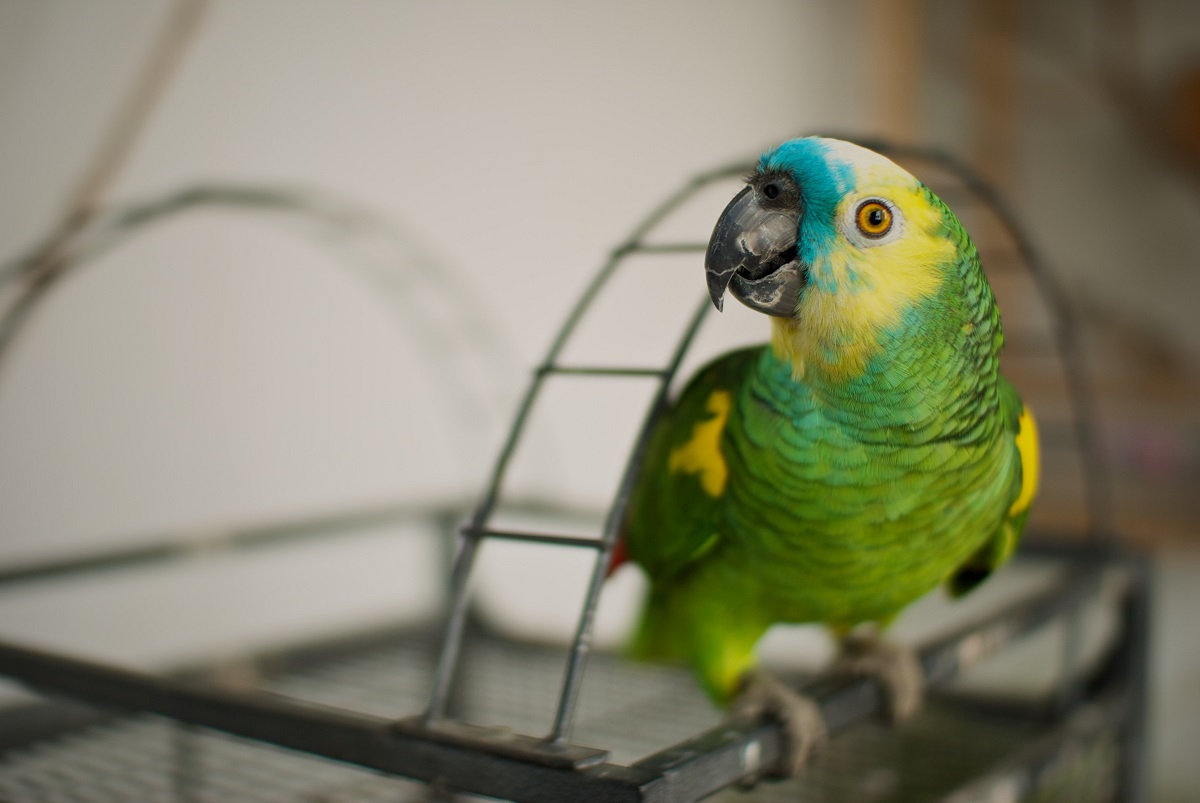
To mitigate this risk, all electrical cords in areas accessible to a parrot must be either completely hidden, secured behind furniture, or protected with chew-proof coverings such as PVC piping or cord protectors. Outlets should be covered with child-proof caps when not in use. Regular inspections of these protective measures are necessary, especially for larger parrots known for their destructive capabilities. The financial cost of replacing damaged electronics pales in comparison to the emotional toll and veterinary expenses associated with an electrocuted bird.
Air Quality and Respiratory Health: The Canary’s Legacy
One of the most critical, yet often overlooked, aspects of parrot safety is air quality. Parrots possess an incredibly efficient, yet highly sensitive, respiratory system, making them exceptionally vulnerable to airborne toxins. This sensitivity is famously illustrated by the historical use of canaries in coal mines to detect dangerous gases. For parrot owners, this means a strict prohibition on scented products and any source of fumes or smoke.
Common household items that pose a severe threat include:
- Aerosol sprays: Air fresheners, hairspray, deodorants, cleaning sprays.
- Scented candles and incense: Release particulate matter and volatile organic compounds (VOCs).
- Cigarette, cigar, and vape smoke: Contains nicotine, tar, and other harmful chemicals that cause respiratory distress and long-term illness.
- Overheated non-stick cookware (PTFE/Teflon): When heated above 500°F (260°C), these coatings release toxic fumes (polymer fume fever) that are rapidly fatal to birds, even in small quantities.
- Oven self-cleaning cycles: Can release dangerous fumes.
- Cleaning products: Ammonia, bleach, oven cleaners, and other harsh chemicals.
- Paint fumes, glues, and solvents: Can cause acute respiratory failure.
- Carbon monoxide: An odorless, colorless gas that is highly toxic.
- Smoke from burned food or house fires: Damages delicate lung tissue.
- Poor outdoor air quality: From nearby wildfires, industrial pollution, or heavy traffic.
A carbon monoxide detector and smoke detector are indispensable for any home with parrots, offering protection for both avian and human residents. Proper ventilation is also crucial, but it cannot substitute for eliminating the source of toxins. When using any product with potential fumes, the parrot should be moved to a well-ventilated, separate room or even outside, far from the source, until the air is completely clear.
Ingestion Risks: A Beak’s Journey Through Danger
A parrot’s inquisitive nature means that if an item is within reach, it is highly likely to be investigated with its beak. This often leads to nibbling or accidental ingestion of potentially dangerous substances. Parrot owners must meticulously scan any room a bird accesses for items that, if consumed, could be toxic.
A non-exhaustive list of items to keep out of reach includes:
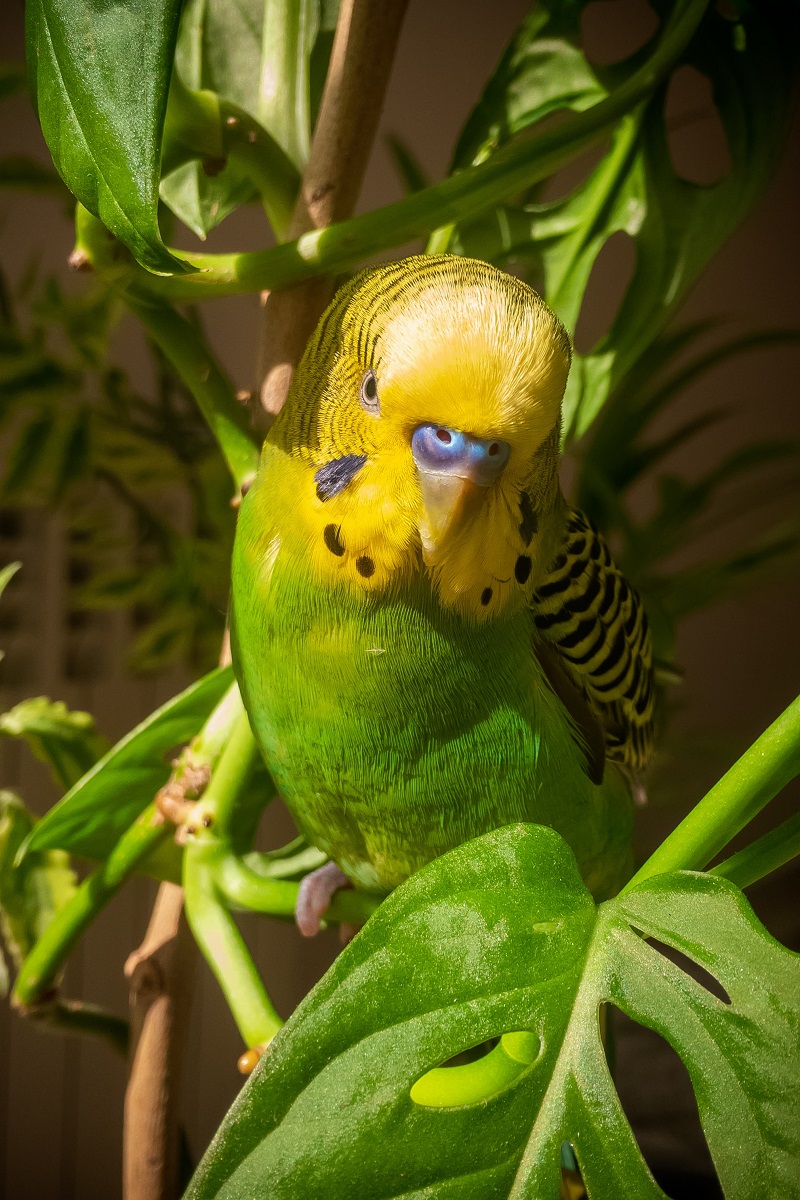
- Toxic Plants: While many houseplants are safe for parrots, numerous common varieties are toxic, such as lilies, philodendrons, poinsettias, azaleas, diffenbachia, and some types of monstera. Owners must research every plant in their home and remove or secure any that pose a risk.
- Medications: Human and pet medications, even over-the-counter varieties, can be fatal in small doses.
- Alcohol and Caffeinated Products: These can cause severe neurological and cardiac issues.
- Recreational Drugs: Cannabis products, for example, are highly toxic.
- Cosmetics and Personal Care Products: Lotions, soaps, perfumes, nail polish, and hair products contain chemicals that are not meant for ingestion.
- Toxic Foods: Chocolate, avocado, apple seeds (contain cyanide), onion, garlic, mushrooms, fruit pits, and excessive salt or sugar.
- Heavy Metals: Zinc, lead, and copper are common culprits. Zinc, found in galvanized cages, some toys, hardware, and even coins, can cause severe poisoning (zinc toxicosis) leading to lethargy, weakness, vomiting, diarrhea, and anemia. Lead, found in old paint, stained glass, and certain fishing weights, is also highly toxic. Owners should ensure all cage materials, toys, and household items are lead- and zinc-free.
- Household Cleaners: Even residues from cleaning agents on surfaces can be dangerous.
- Small Objects: Buttons, beads, jewelry, staples, or small toy parts that could be swallowed and cause internal obstruction.
The "beak-level" perspective is crucial; what might seem out of reach to a human could be perfectly accessible to a climbing or flying parrot.
Navigating the Home: Doors, Windows, and Reflective Surfaces
The open door or window represents one of the most common and devastating avenues for parrot escape. A bird that escapes outdoors faces immense dangers, including predators, traffic, starvation, and exposure to the elements. Retrieving an escaped parrot can be an arduous, often unsuccessful, endeavor, leading to immense distress for both bird and owner.
Preventative measures include:
- Window Screens: Ensure all windows have sturdy, well-maintained screens. For added security, consider mosquito netting.
- Door Protocol: Implement a strict "cage-first" policy – always confirm the parrot is securely in its cage before opening any exterior door or window. Affix reminder notes to doors, especially when guests are present, who may not be accustomed to the household’s safety rules.
- Interior Doors: Keeping interior doors closed prevents parrots from accessing unsafe rooms and also mitigates the risk of injuries. Parrots often enjoy perching on door tops, and an accidentally closed door can crush toes or pull out tail feathers.
- Mirrors and Reflective Surfaces: Parrots, particularly those new to a home or inexperienced flyers, may not recognize mirrors, glass doors, or large windows as solid barriers. Collisions can cause concussions, broken bones, or fatal internal injuries. Covering large reflective surfaces, or placing decals on glass, can help birds perceive them as obstacles. Even experienced flyers can be startled and crash.
The Sanctuary Within: Cage and Toy Safety
The parrot’s cage serves as its primary sanctuary, yet it too can harbor hidden dangers if not properly selected and maintained.
- Bar Spacing: The most critical consideration is bar spacing. The bars should be wide enough to allow comfortable movement but narrow enough to prevent the bird from fitting its head through. A head stuck between bars can lead to strangulation or severe injury.
- Cage Material and Condition: Cages should be constructed from non-toxic materials, typically powder-coated steel or stainless steel. Galvanized cages can pose a zinc toxicity risk if the coating is ingested. Regular inspections for rust, peeling paint, or sharp edges caused by wear and tear or the bird’s own chewing are paramount. Any signs of damage warrant repair or replacement.
- Toy Selection and Maintenance: Toys are essential for enrichment, but must be chosen with extreme care. Many commercially available toys can be unsafe. Research conducted by avian veterinarians, such as the study by Lightfoot and Yeager (2008), highlights that some toys are still manufactured with hazardous materials like zinc or designed in ways that can trap a bird’s foot, beak, or even neck. Rope toys, if frayed, can cause entanglement or ingestion of loose fibers leading to crop impaction. Owners must:
- Avoid toys with small, easily removable parts that can be swallowed.
- Ensure all metal components (chains, bells, quick links) are stainless steel or nickel-plated, not galvanized.
- Regularly inspect toys for wear and tear, loose threads, sharp edges, or damaged components. Heavily damaged toys should be removed or repaired, with unaffected parts repurposed if safe.
- Prioritize natural, untreated wood, paper, and plant-based fiber toys that are designed to be destroyed safely.
Furniture and Enclosed Spaces: Hidden Traps
Parrots, especially when hormonal or seeking nesting sites, are driven to explore small, enclosed spaces that mimic the hollows of trees they would inhabit in the wild. In a human home, this can translate into dangerous situations where they become trapped or crushed.
- Blocking Access: Owners must systematically block off any nooks, crannies, gaps behind appliances, spaces under or behind furniture, open drawers, cabinets, and vents. This may involve using mesh, solid barriers, or simply ensuring furniture is flush against walls.
- Awareness: Always know your parrot’s whereabouts, especially when moving furniture or opening/closing drawers. A bird might silently slip into a dangerous spot without being noticed. The goal is to eliminate all potential hiding spots that could become accidental traps.
Water Hazards: Drowning in Plain Sight
While parrots enjoy bathing, unsupervised access to large bodies of water within the home presents a significant drowning risk. Even seemingly shallow water can be dangerous if a bird slips, becomes disoriented, or is unable to escape.
- Toilet Lids: Uncovered toilets are a primary drowning hazard for curious parrots. Always keep toilet lids down, especially when a parrot is out of its cage.
- Aquariums: Aquariums should always have secure hoods to prevent birds from falling in.
- Other Water Sources: Bathtubs, sinks filled with water, large water-filled vases, buckets, or even open pots of cooking liquid should be inaccessible when a parrot is free-roaming. Even drinking glasses can be a risk for smaller species if they fall in. Constant vigilance is required in areas like bathrooms or kitchens.
Interspecies Interactions: A Perilous Proximity
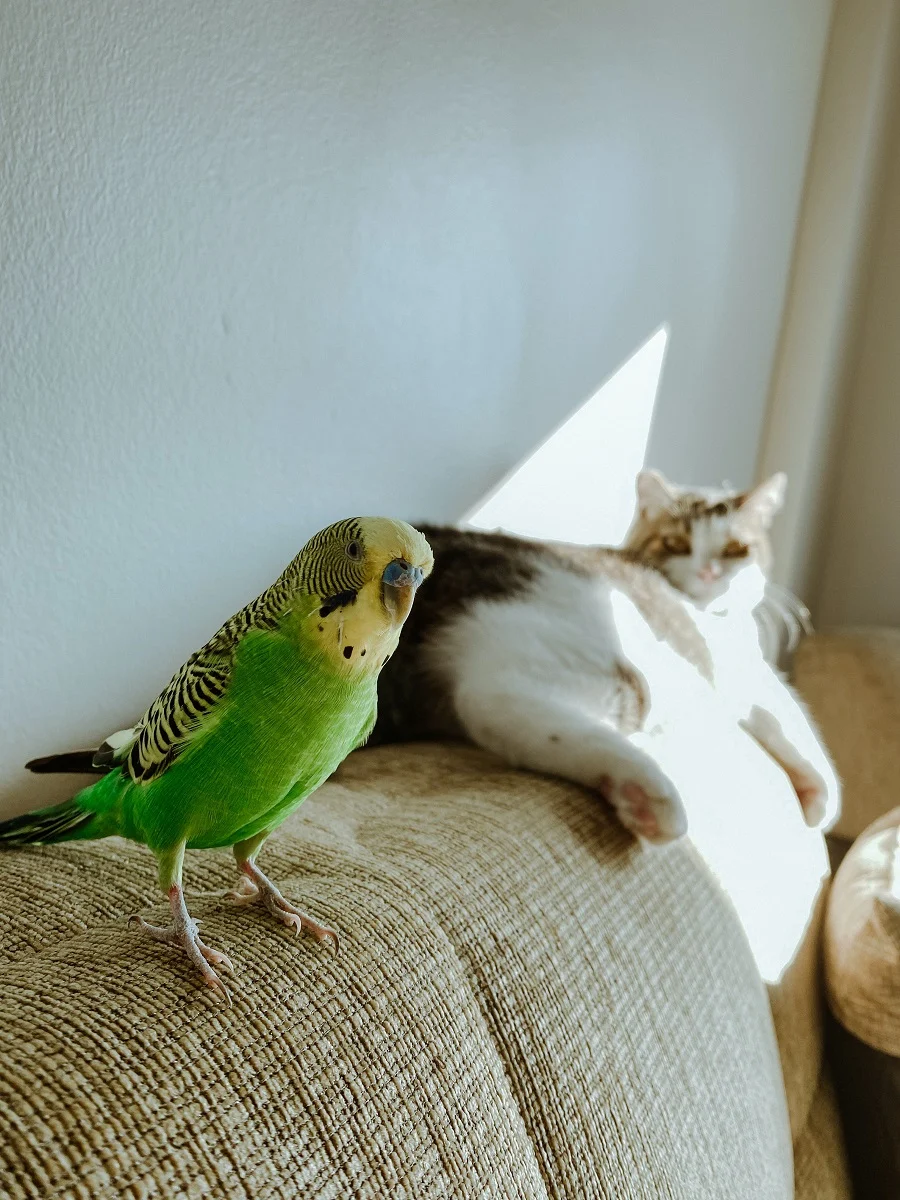
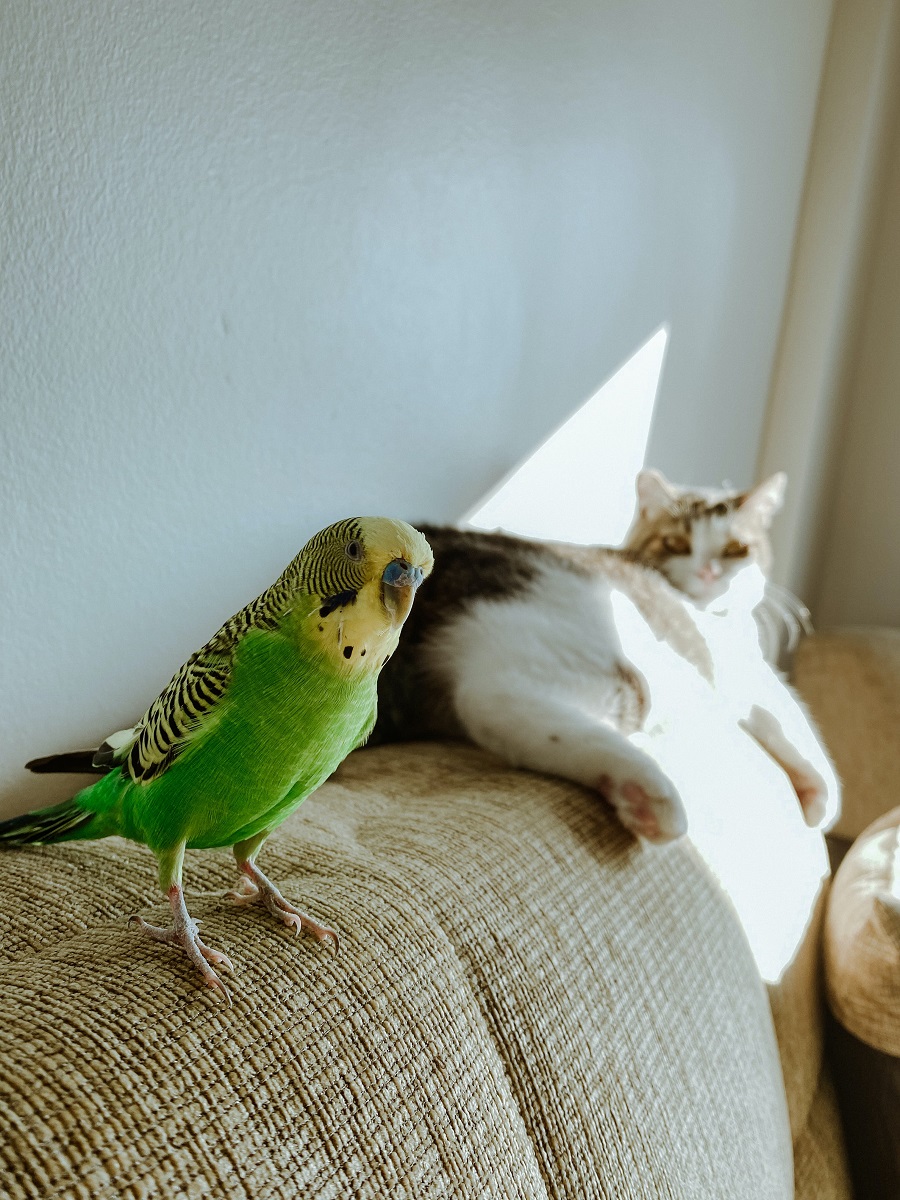
The desire to integrate all pets into a harmonious family unit is understandable, but direct interaction between parrots and other household animals, particularly cats and dogs, is inherently unsafe and strongly discouraged by avian experts. Even the most well-behaved dog or seemingly placid cat possesses natural instincts that can be triggered unexpectedly.
- Prey Drive: A parrot’s sudden movement or squawk can activate the prey drive in a dog or cat, leading to a swift, often fatal, attack.
- Accidental Injury: Even a "playful" paw swat from a dog or a light scratch from a cat can be catastrophic. Cats, in particular, carry bacteria (Pasteurella multocida) in their saliva and claws that are highly pathogenic to birds. A seemingly minor scratch can rapidly lead to a fatal infection (septicemia) in a parrot.
- Crushing Injuries: A large dog could accidentally step on or crush a small parrot.
- Prevention: The only safe approach is complete separation. Parrots should be kept in a secure room or cage when other pets are present, and vice versa. Supervised interaction, no matter how brief or controlled, carries an unacceptable level of risk. This principle extends to ferrets, rabbits, and other household pets that may not be predators but can still inflict accidental harm.
Miscellaneous Bird Safety Tips
Beyond the primary categories, several other considerations contribute to a fully parrot-proofed environment:
- Ceiling Fans: Always ensure ceiling fans are turned off when a parrot is out of its cage. A bird flying into rotating blades can suffer severe or fatal injuries.
- Hot Stoves and Open Flames: Kitchens are inherently dangerous. Never allow a parrot near hot stovetops, open flames, or hot liquids.
- Windows and Doors with Gaps: Ensure windows and doors close completely without leaving small gaps where a bird could squeeze through or get pinched.
- Pesticides and Insecticides: Avoid using pest control products in areas accessible to birds. If necessary, move the bird out of the home for an extended period until the area is thoroughly ventilated.
- Cleaning Product Residues: Ensure all surfaces cleaned with chemical products are thoroughly rinsed and dry before the parrot has access to them.
- Temperature Extremes: Protect parrots from drafts, extreme cold, or direct, intense sunlight without shade, which can lead to overheating.
- Small Gaps in Furniture: Recliners, rocking chairs, and sofa beds can have mechanisms that can trap and injure a bird. Always check for your bird’s presence before operating such furniture.
The Human Factor: Family Awareness and Emergency Preparedness
The most sophisticated parrot-proofing measures are only as effective as the human vigilance upholding them. Every member of the household, including children and regular visitors, must be fully briefed on these safety protocols. Consistency is key; a single oversight can have dire consequences.
Furthermore, preparation for emergencies is paramount. This includes:
- Avian Veterinarian: Establish a relationship with a qualified avian veterinarian before an emergency arises. Have their contact information readily available, along with details for an emergency animal hospital that treats birds.
- Emergency Kit: Prepare a basic emergency kit for your parrot, including sterile gauze, antiseptic solution (bird-safe), a small towel, and carrier.
- Basic First Aid: Learn basic avian first aid, such as how to stop bleeding from a broken blood feather or how to safely transport an injured bird.
Broader Impact and Implications
The implications of neglecting parrot safety extend beyond individual incidents. Each preventable accident contributes to the perception that exotic pets are inherently difficult or prone to health issues, rather than highlighting the critical need for informed and responsible ownership. Proactive safety measures not only prevent tragic loss but also foster a deeper bond between owner and pet, built on trust and a secure environment. The financial and emotional costs of emergency veterinary care for preventable accidents can be substantial, underscoring the value of prevention. Ultimately, providing a safe, stimulating, and enriching environment is a lifelong commitment, ensuring these intelligent and sensitive companions can thrive for many years.
If you have any further questions about these bird safety tips or would like to share your own experiences and ideas for parrot-proofing a space, please do not hesitate to engage with the avian community. Shared knowledge and vigilance are our strongest tools in protecting our feathered family members.
Sources & Further Reading:
Lightfoot, T. L., & Yeager, J. M. (2008). Pet bird toxicity and related environmental concerns. Veterinary Clinics of North America: Exotic Animal Practice, 11(2), 229-259.
